




| Review Article | ||
Open Vet. J.. 2026; 16(6): 3950-3965 Open Veterinary Journal, (2026), Vol. 16(6): 3950-3965 Review Article A Bibliometric Mapping of Global Water Buffalo Research: Trends, Scientific Collaboration, and Thematic Evolution (2000–2024)Reno Martha1, Tri Rachmanto Prihambodo2, Novia Qomariyah3, Gunawan Gunawan3, Wulandari Wulandari3, Zein Ahmad Baihaqi3, Andi Ella3, Yenni Yusriani3, Jhon Firison3, Susana Iw Rakhmaini3, Erna Winarti3, Alfian Destomo3, Putri Zulia Jati4 and Randi Mulianda5*1Departemen of Animal Science, Pahlawan Tuanku Tambusai University, Kampar, Indonesia 2Department of Animal Science, Jenderal Soedirman University, Purwokerto, Indonesia 3Research Center for Animal Husbandry, National Research and Innovation Agency (BRIN), Bogor, Indonesia 4Departemen of Animal Science, Pahlawan Tuanku Tambusai University, Kampar, Indonesia 5Departmen of Animal Science, Tjut Nyak Dhien University, Medan, Indonesia *Corresponding Author: Randi Mulianda. Departmen of Animal Science, Tjut Nyak Dhien University, Medan, Indonesia. Email: randimulianda [at] gmail.com Submitted: 25/12/2025 Revised: 22/05/2026 Accepted: 05/06/2026 Published: 30/06/2026 © 2025 Open Veterinary Journal
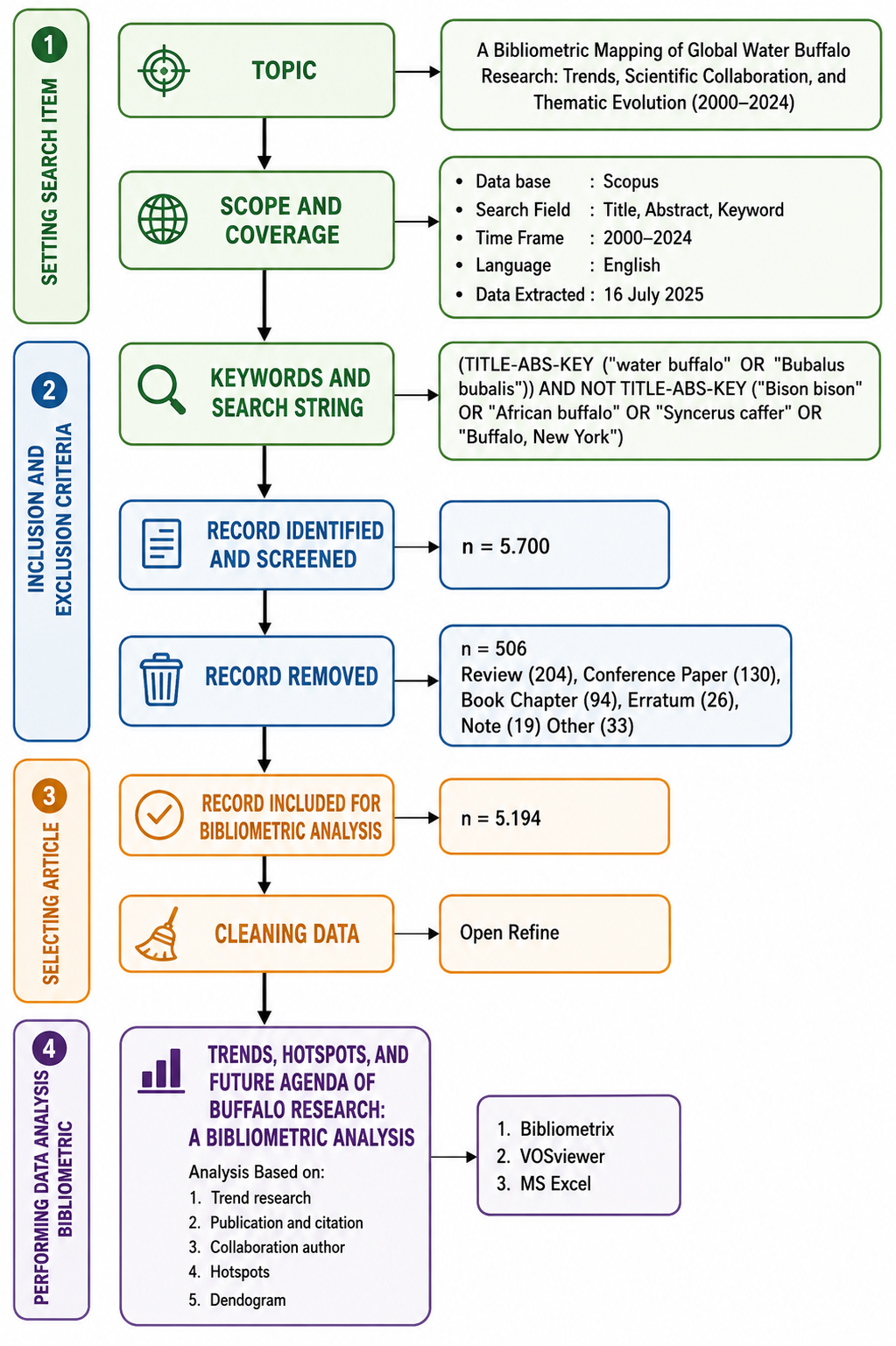
AbstractThis bibliometric study mapped the global landscape of water buffalo research from 2000 to 2024 based on 5,194 publications indexed in the Scopus database. The analysis evaluated publication trends, collaboration patterns, and the evolution of major research themes in buffalo science. The findings showed a substantial increase in scientific output over the study period, reflecting growing global interest in buffalo production systems. India emerged as the leading contributor in terms of publication output and citation impact, while Italy demonstrated the strongest international collaboration network. Thematic analyses revealed that buffalo research has predominantly focused on milk production, reproductive biotechnology, genetics, and molecular approaches, with recent studies increasingly emphasizing genomic applications and reproductive technologies. On the contrary, research related to nutrition, feed innovation, rumen function, and sustainable feeding strategies remains relatively limited despite its importance for production efficiency and environmental sustainability. Collaboration network analysis also indicated that internationally co-authored publications generally achieved higher citation impact than single-country studies. Overall, the results highlight the need for future buffalo research to strengthen studies on sustainable feeding systems, locally available feed resources, rumen microbiology, and climate-resilient production strategies, alongside broader international collaboration and integration of emerging technologies to support the long-term sustainability and competitiveness of buffalo production systems. Keywords: Buffalo, Bibliometric, Citation, Reproduction, Sustainability. IntroductionWater buffalo (Bubalus bubalis) is an important livestock species that contributes significantly to agricultural production systems, particularly through the provision of milk, meat, and draft power in many regions of the world. Water buffalo (B. bubalis) is a vital livestock that plays a role in production systems, particularly milk, meat, and draft power across several worldwide regions (Zhang et al., 2020). In many of these regions, buffalo production is not only an economic activity but also an integral component of social and cultural practices. The Asian water buffalo (B. bubalis) is an important livestock species in many developing countries and plays a key role in meat, milk, and draft power production (Mohd Azmi et al., 2021). Despite this importance, buffalo research has long received less scientific attention than cattle-oriented studies. As a result, progress in key areas, such as genetic improvement, reproductive biotechnology, precision feeding strategies, animal health management, and overall production efficiency, has been relatively slow (Gaillard et al., 2020). This imbalance is becoming increasingly problematic as buffalo production systems are now exposed to multiple pressures, including climate variability, disease risks, competition for feed resources, and growing global demand for high-quality animal protein (Pehan et al., 2025). In recent decades, advances in reproductive physiology, genomics, and molecular biology have stimulated renewed interest in buffalo research (Jaiswal et al., 2021; Liao et al., 2025). Empirical studies have highlighted the species’ capacity for high milk fat yield, resilience under harsh environmental conditions, and efficient utilization of fibrous feeds, reinforcing its relevance for sustainable livestock development (Bertoni et al., 2021). Nevertheless, existing research efforts remain unevenly distributed across regions and disciplines. Buffalo studies are often concentrated in a limited number of countries, with relatively weak international collaboration and insufficient integration across research themes (de la Cruz-Cruz et al., 2026). In the broader context of global livestock science, research attention has historically been concentrated on major species such as cattle, pigs, and poultry, which dominate commercial production systems in many developed economies. Consequently, scientific knowledge, technological innovation, and research investments have largely focused on these species, while buffalo, despite their critical role in milk and meat production in Asia and other developing regions, have received comparatively limited attention in international research agendas (Villanueva et al., 2018; El Debaky et al., 2019). This imbalance creates important knowledge gaps in areas such as production efficiency, climate resilience, genetic improvement, and sustainable feeding systems for buffalo. Addressing these gaps is increasingly important as global livestock systems are undergoing rapid transformation driven by population growth, environmental constraints, and the need for more sustainable animal protein production (dos Santos et al., 2024). Bibliometric analysis has increasingly been used to examine the structure and dynamics of scientific research by mapping publication outputs, collaboration patterns, and the evolution of research themes (Aria and Cuccurullo, 2017). Within animal science, this approach has been applied to various topics, including dairy production systems, feed additives, and rumen microbiome research, providing insights into research concentration and emerging directions. However, despite the economic and ecological importance of water buffalo, a systematic bibliometric evaluation of buffalo-focused research remains lacking. The absence of such an analysis limits the ability to assess how research efforts are distributed, which topics dominate the field, and where critical knowledge gaps persist (Jerem and Mathews, 2021; Martha et al., 2025). Bibliometric analysis is particularly useful for identifying research concentration, collaboration structures, emerging themes, and underexplored areas within a scientific field. In livestock science, such analyses can support strategic research planning by revealing how scientific attention is distributed across topics, regions, and institutions. This approach is especially relevant for buffalo research, where scientific outputs remain fragmented across countries and disciplines, making it difficult to establish integrated research priorities. To address this gap, this study examines the global development of buffalo research from 2000 to 2024 through a bibliometric approach. Unlike previous studies that have largely focused on general livestock research or have not comprehensively integrated publication trends, collaboration networks, and thematic evolution in buffalo research, this study provides a more holistic analysis. Particular attention is given to how scientific interest has shifted across disciplines and whether current research directions adequately reflect the practical challenges faced by buffalo production systems. Bibliometric methods were applied to publications retrieved from the Scopus database, complemented by visualization techniques to explore structural and thematic patterns. By synthesizing long-term publication data, this study aims to provide a clearer understanding of the development of buffalo science and to inform future research strategies, policy formulation, and efforts to enhance the productivity and sustainability of buffalo production systems. Search strategy and bibliometric approachThis analysis was conducted through several iterative steps, including keyword refinement, data extraction from academic databases, and science-mapping analyses. The bibliometric review was initiated by surveying the existing global literature on water buffalo research to obtain an overview of major topics and influential publications. This initial exploration helped identify recurring themes and informed the refinement of the analytical framework. The methodological approach was adapted from established bibliometric and science-mapping procedures reported in previous studies (Mulianda et al., 2025), with adjustments made to suit the scope of buffalo-focused research. The analytical workflow was implemented in four main steps. These included the analytical workflow, which was implemented in four main steps. The analytical workflow was implemented in four main steps: (1) database and source identification, (2) application of inclusion and exclusion criteria, (3) article selection and screening, and (4) bibliometric data analysis. An initial performance analysis was then conducted, followed by data cleaning and standardization using OpenRefine software. Data cleaning and standardization were performed using OpenRefine software. This process involved the removal of duplicate records, normalization of author names to ensure consistency (e.g., variations in initials and spelling), and harmonization of keywords (e.g., unifying terms such as “buffalo” and “water buffalo”). These steps were undertaken to improve the accuracy and reliability of subsequent bibliometric and network analyses. Finally, detailed bibliometric, thematic, and network analyses were performed to explore publication patterns, research themes, and collaboration structures, as summarized in Fig. 1 (Prihambodo et al., 2025). All bibliographic records were retrieved from the Scopus database on 16 July 2025, representing the most recent data available at the time of manuscript preparation. Although Scopus was selected due to its broad coverage and structured metadata, the use of a single database may limit the inclusion of some regional or non-indexed publications. This limitation should be considered when interpreting the results of the study.
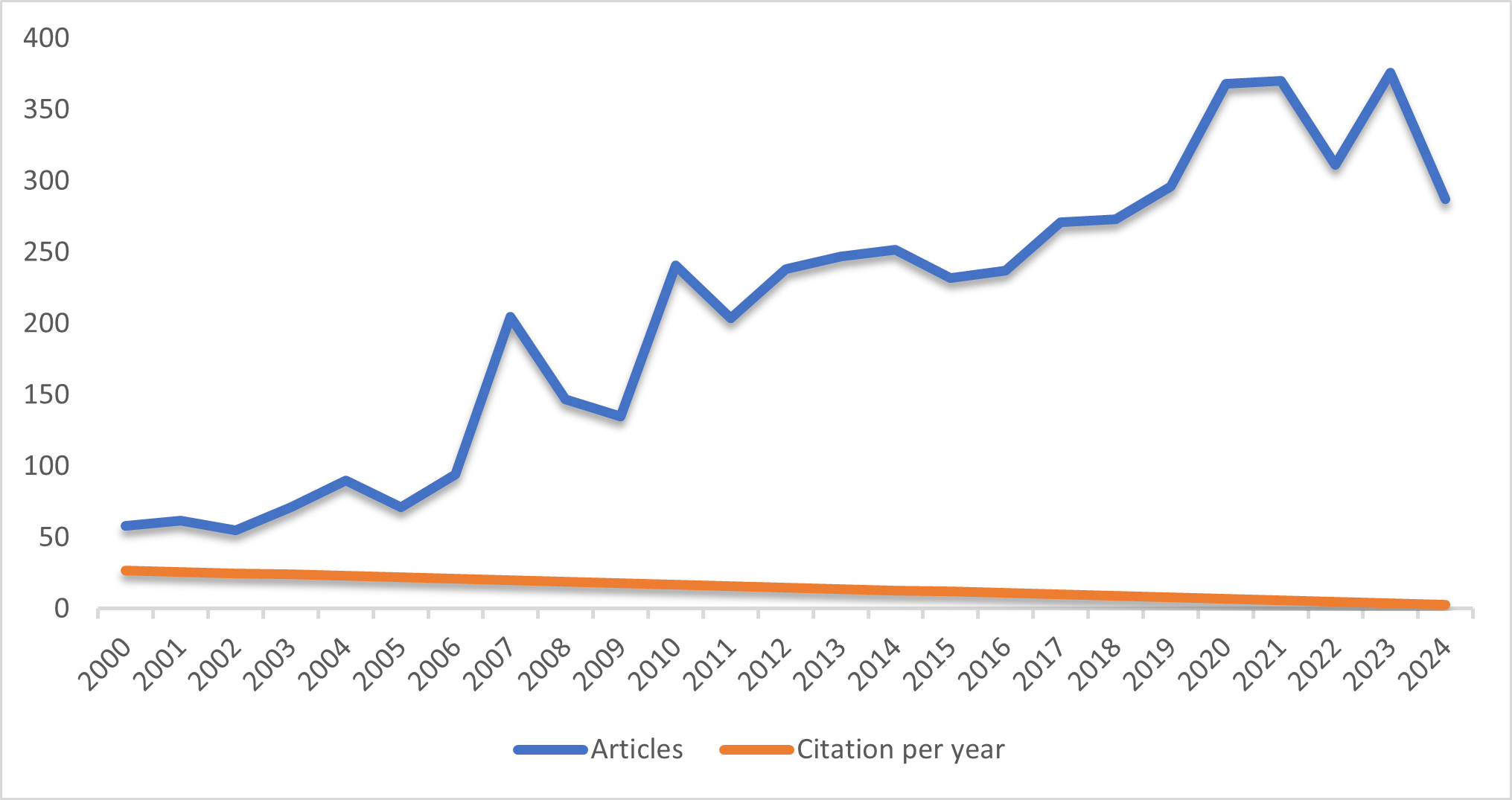
Fig. 1. Bibliometric method. Scopus was selected as the primary data source because of its broad coverage of peer-reviewed journals in agriculture, veterinary medicine, and the life sciences. Its long-standing indexing, which extends back to 1966, allows for the examination of publication trends, citation patterns, international collaboration, and thematic development over time. For these reasons, Scopus has been widely used in bibliometric studies to map the evolution of research fields (Simeão et al., 2021; Coman et al., 2024). To retrieve relevant publications, a structured search query was developed using domain-specific keywords related to buffalo research. The search was conducted in the database using the following query: TITLE-ABS-KEY (“water buffalo” OR “B. bubalis”) AND NOT TITLE-ABS-KEY (“Bison bison” OR “African buffalo” OR “Syncerus caffer” OR “Buffalo, New York”). This search strategy was applied to titles, abstracts, and author keywords in order to capture the most relevant publications within the field. The search results were then exported in CSV format for further screening and bibliometric analysis. Eligibility criteriaScopus was used as the primary database due to its broad coverage of peer-reviewed international publications and its compatibility with bibliometric analysis tools such as VOSviewer and Bibliometrix. In addition, Scopus provides extensive indexing of livestock and animal science publications, including studies related to buffalo production systems. Exclusion and inclusion criteriaPublications were screened according to predefined inclusion and exclusion criteria. The literature search was conducted on 16 July 2025 using water buffalo-related terms: TITLE-ABS-KEY (“water buffalo” OR “B. bubalis”) AND NOT TITLE-ABS-KEY (“Bison bison” OR “African buffalo” OR “Syncerus caffer” OR “Buffalo, New York”) applied to the title, abstract, and keyword fields. Only English-language publications published between 2000 and 2024 were included in the analysis. The inclusion criteria consisted of: (1) documents indexed in the Scopus database; (2) publications containing water buffalo-related terms in the title, abstract, or keywords; (3) articles published between 2000 and 2024; and 4) documents written in English. The search strategy was designed to ensure reproducibility and transparency of the dataset retrieval process. The exclusion criteria included: (1) duplicate records; (2) documents not directly related to buffalo research after title and abstract screening; (3) conference abstracts or incomplete records lacking essential bibliographic information. This screening strategy is consistent with bibliometric and systematic mapping approaches applied in earlier studies (Fahimnia et al., 2015; Djalal et al., 2022). Data cleaning and keyword standardization were performed using OpenRefine to identify duplicate records, harmonize inconsistent terms, harmonization (e.g., synonym merging) and improve the reliability of the bibliometric mapping and network visualization (Fig. 1). For each eligible publication, bibliographic information was extracted, including authorship, publication year, institutional affiliations, keywords, funding information, country of origin, and the number of citations received by each publication. These data were compiled in CSV format and used for subsequent analyses. Descriptive indicators, such as annual publication trends, journal distribution, and general patterns of research productivity, were first examined to characterize the overall development of buffalo-related research. Analysis of publication trends provided insights into growth dynamics over time, while journal distribution helped identify the most influential publication outlets in this field. In the final analytical stage, bibliometric and network analyses were conducted using VOSviewer (Van Eck and Waltman, 2018), the Bibliometrix R package (Aria and Cuccurullo, 2017), and Microsoft Excel. VOSviewer was used to generate network visualizations of co-authorship, keyword co-occurrence, and citation relationships, while Bibliometrix was applied to perform performance analysis and thematic mapping. Microsoft Excel was used for data organization and descriptive statistical summaries. The combined use of these tools enabled the examination of authorship and institutional contributions, country-level productivity, funding patterns, citation networks, and the visualization of thematic clusters and collaboration structures in global buffalo research. Analysis of publication and citationsVolume of water buffalo-related publications increased markedly between 2000 and 2024, although this growth did not occur uniformly over time (Fig. 2). During the early 2000s, annual publication output remained relatively modest, averaging around 50–60 articles per year. A noticeable acceleration began after 2005, followed by a sustained increase that culminated in a peak in 2021, when >200 publications were recorded. Despite some year-to-year variation, the overall pattern reflects a long-term expansion of research output in buffalo-related studies, particularly in areas related to nutrition, health, genetics, and production management. On the contrary, the citation trend shows a gradual decline over time. This pattern reflects the shorter citation window for more recent publications, as articles published in later years have had less time to accumulate citations compared to earlier studies.
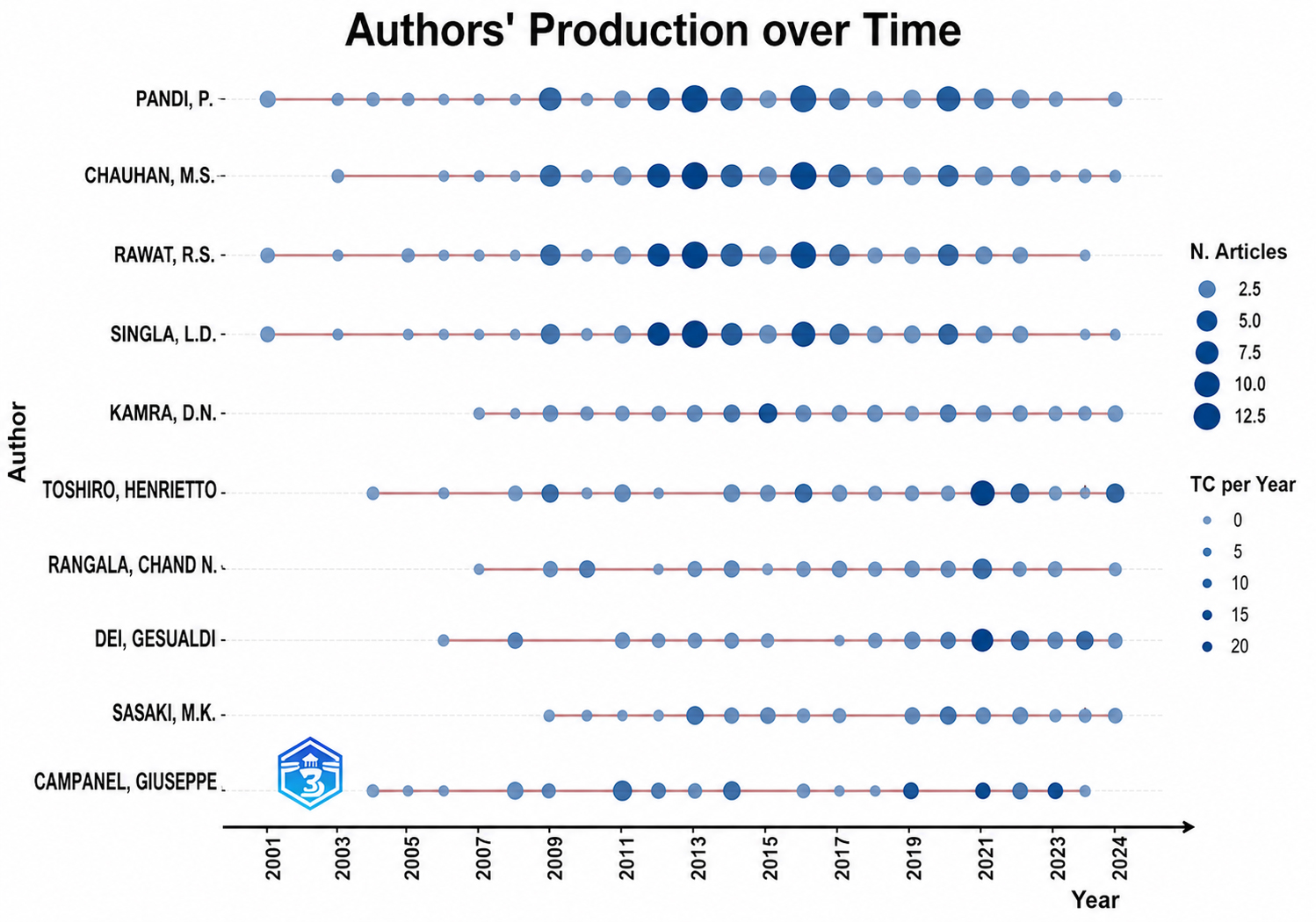
Fig. 2. Annual statistics on published studies and citations per year (2000–2024). The increase in buffalo-related publications over the study period may reflect broader developments in livestock research, including growing attention to sustainable animal production and the role of buffalo in agricultural systems, particularly in developing countries. Second, advances in reproductive biotechnology, genetics, and molecular tools since the mid-2000s have expanded research opportunities and enabled more sophisticated investigations into buffalo productivity and health. In addition, increased research funding and international collaboration in livestock science have contributed to the acceleration of publication output, especially after 2005, when buffalo research began to integrate more strongly with broader agricultural innovation agendas and food security priorities. In contrast to publication output, citation trends showed a gradual decline in annual citation counts over the same period (Fig. 2). This pattern may be associated with differences in publication age, citation distribution, and the increasing number of recent publications that have not yet accumulated substantial citations. Overall, the findings indicate that growth in publication output has not necessarily been accompanied by a proportional increase in citation counts. Authorship analysis indicates that buffalo research has been driven by a relatively small group of consistently active researchers over the past two decades (Fig. 3). Authors such as Palta P., Chauhan M.S., Manik R.S., and Singla S.K. show sustained publication activity across multiple years, particularly between 2010 and 2020, suggesting their continued influence in shaping research directions within the field. Several authors also demonstrate periods of intensified productivity, which may reflect the emergence of collaborative projects or increased research attention toward reproductive biotechnology and molecular studies during those years.
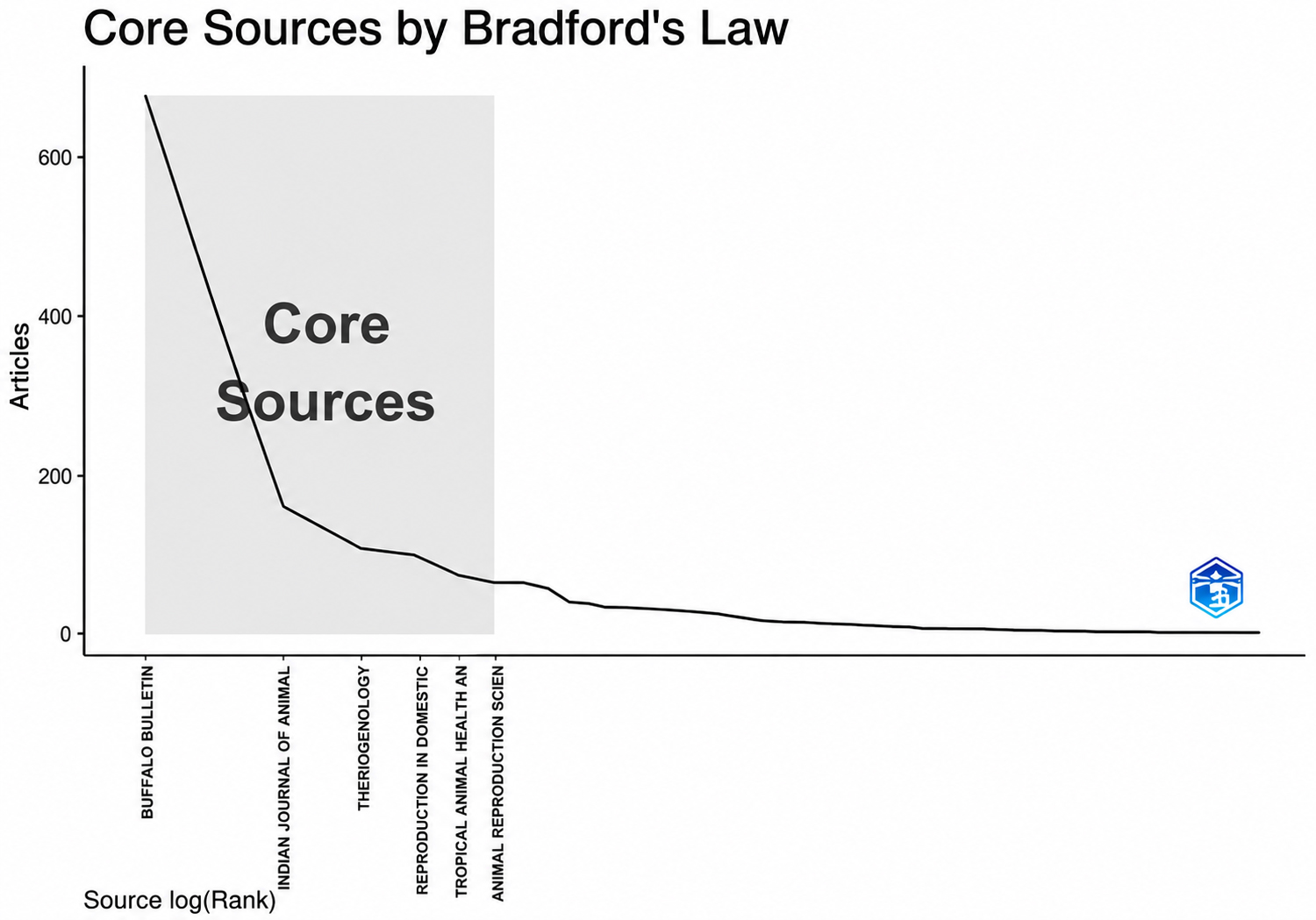
Fig. 3. Top contributing authors' production over time (2000–2024). The temporal distribution of publications further suggests that research productivity is not evenly distributed among authors. Instead, scientific output appears concentrated within a limited network of recurring contributors, while broader participation from researchers in other regions remains comparatively limited. This pattern may partly explain why certain themes, particularly reproduction and biotechnology, dominate the literature, whereas areas such as nutrition, feeding systems, and sustainability remain less developed. Expanding international collaboration and encouraging greater participation from underrepresented regions could, therefore, help diversify research perspectives and strengthen the overall development of buffalo science. Core journals identified through Bradford’s Law The application of Bradford’s Law reveals a highly uneven distribution of journals publishing buffalo-related research (Fig. 4). A relatively small group of journals accounts for a substantial share of total publications, indicating a clear core set of outlets within this research field. Among these, Buffalo Bulletin, Journal of Animal Production, and Tropical Animal Health and Production emerge as the most prominent sources of buffalo-focused studies.
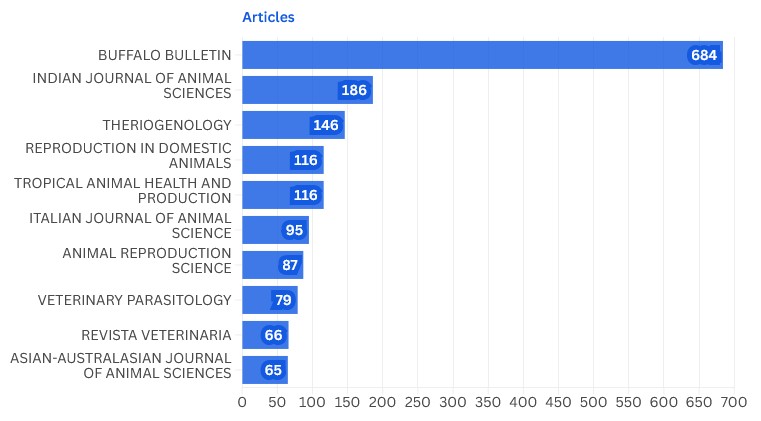
Fig. 4. Sources by Bradford’s law. Beyond this core group, the number of publications decreases rapidly, with a much larger number of journals contributing only a limited number of articles. This extended peripheral zone reflects the broad dissemination of buffalo research across diverse publication outlets, albeit with lower individual productivity. Overall, the observed pattern confirms a strong concentration of research output within a small number of specialized journals, which play a central role in shaping the dissemination and visibility of buffalo research journals. Most influential journals in water buffalo researchJournal productivity analysis reveals a strong concentration of buffalo-related publications within a relatively small number of journals (Fig. 5). Buffalo Bulletin is by far the most dominant publication outlet, contributing 684 articles, substantially exceeding all other journals in the field. The Indian Journal of Animal Sciences ranks second with 186 publications, followed by Theriogenology with 146 articles. This distribution reflects the central role of specialized animal science and veterinary journals in disseminating buffalo research.
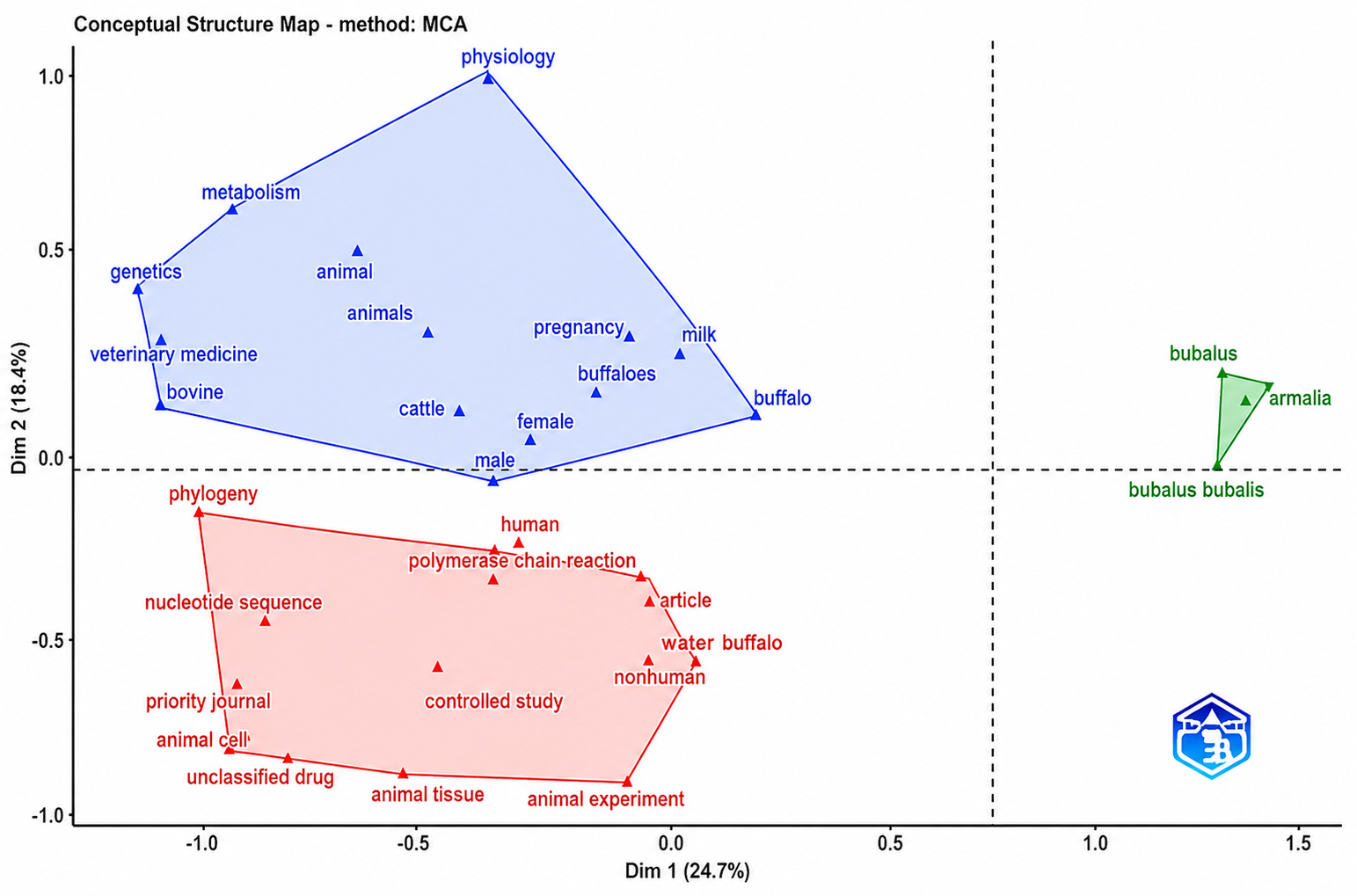
Fig. 5. Most productive journals in buffalo research. Several internationally recognized journals, including Reproduction in Domestic Animals, Tropical Animal Health and Production, Animal Reproduction Science, and the Italian Journal of Animal Science, also contribute considerably to the literature. The strong representation of reproductive and veterinary-oriented journals suggests that buffalo research remains heavily focused on reproduction, animal health, and biotechnology-related topics. On the contrary, journals specifically emphasizing nutrition, feed systems, or sustainable livestock management appear less prominent, suggesting that these topics are less represented within the current publication landscape. The inclusion of regional journals such as Revista Veterinaria and the Asian-Australasian Journal of Animal Sciences further demonstrates the geographically diverse nature of buffalo research dissemination. Nevertheless, the overall publication pattern indicates that scientific output is concentrated within a limited group of core journals, which play an important role in the dissemination and visibility of buffalo-related research worldwide. Factorial analysis of water buffalo researchThe conceptual structure analysis based on multiple correspondence analysis reveals the presence of several distinct thematic clusters within global buffalo research (Fig. 6). The largest cluster is primarily associated with physiological and production-related themes, including physiology, metabolism, pregnancy, milk, and veterinary medicine. The proximity among these terms suggests that buffalo research has historically focused on animal physiology, reproduction, and production performance, particularly in relation to milk production and reproductive efficiency.
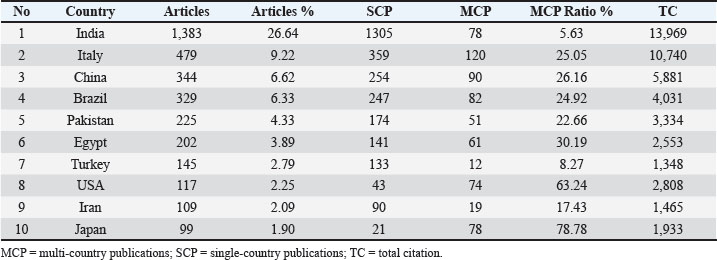
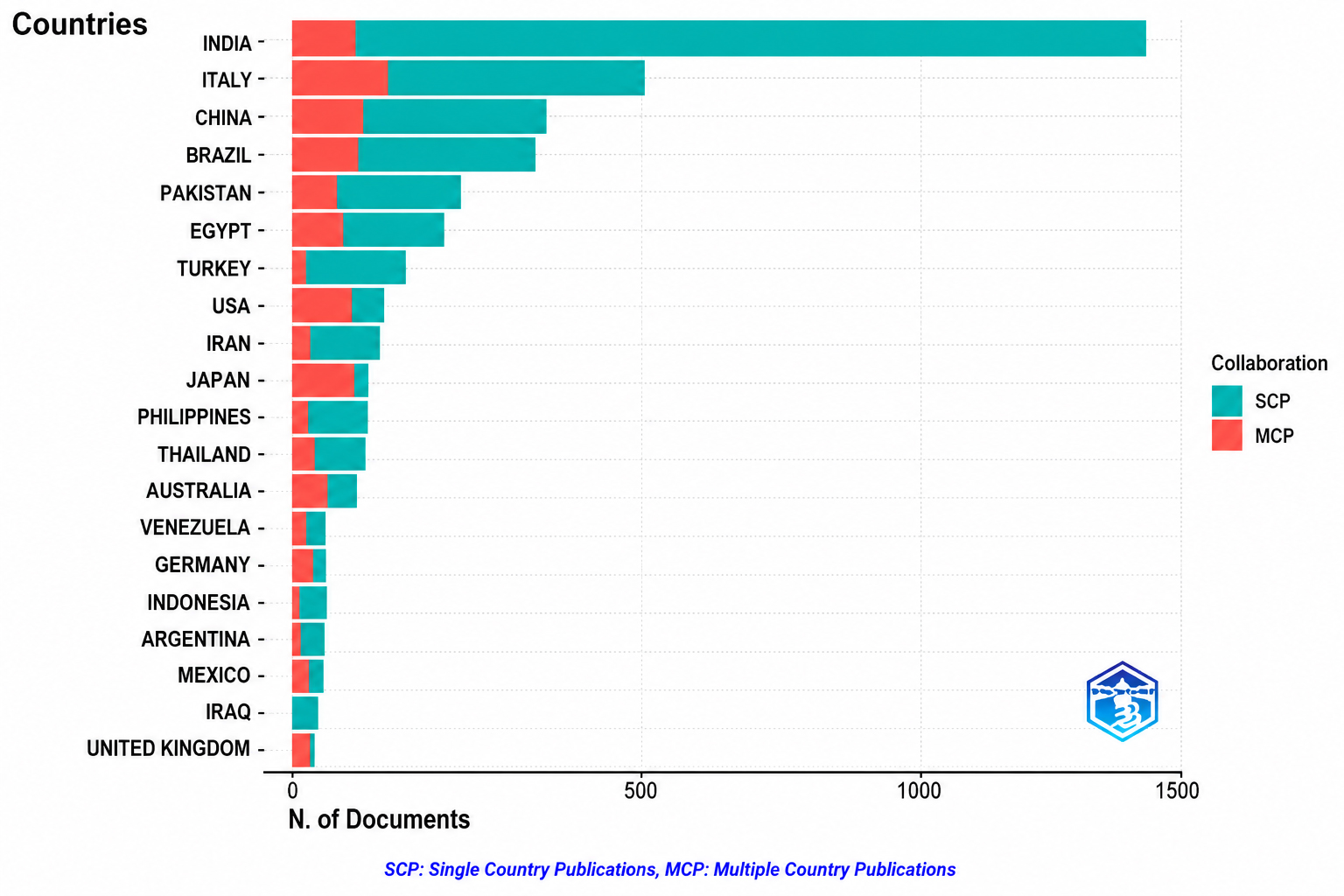
Fig. 6. Factorial analysis of water buffalo. A second cluster is characterized by molecular and experimental terminology, including polymerase chain reaction, phylogeny, nucleotide sequence, and animal tissue. This grouping reflects the growing incorporation of molecular biology and genetic approaches into buffalo research over the last two decades. The presence of terms such as controlled study and animal experiment further indicates that much of this work has been conducted under laboratory or experimental conditions. The expansion of this cluster likely corresponds with the increasing adoption of genomic and biotechnology-based methods in animal science research. On the contrary, themes associated with nutrition, feeding systems, rumen microbiology, and sustainable livestock management are notably less visible within the conceptual map. This absence suggests that these areas remain comparatively underdeveloped in the current buffalo research landscape. One possible explanation is that nutrition-related studies are often field-based and region-specific, making them less represented in highly indexed international journals compared to laboratory-oriented molecular research. As a result, the conceptual structure of buffalo research is strongly characterized by themes related to reproduction and molecular biology, while broader system-level issues related to sustainability and feeding management receive comparatively limited attention. The small isolated cluster containing terms such as B. bubalis and animalia likely represents taxonomic or species-identification studies. Its separation from the main thematic clusters indicates that taxonomic terminology plays a relatively limited role in shaping the broader conceptual structure of buffalo research. Global research productivity and collaboration dynamics in buffalo studiesInvestigation of publication productivity reveals that global buffalo research remains unevenly distributed across countries (Table 1; Fig. 7). India emerged as the dominant contributor, producing 1,383 publications, accounting for 26.64% of the total output, and recording the highest total citations (TC=13,969). This dominance reflects the major economic and cultural importance of buffalo production systems in India, supported by extensive national research activities. Other major contributors included Italy (479 publications), China (344), Brazil (329), Pakistan (225), and Egypt (202), although their publication outputs remained substantially lower than that of India. Table 1. Top 10 corresponding authors’ countries.
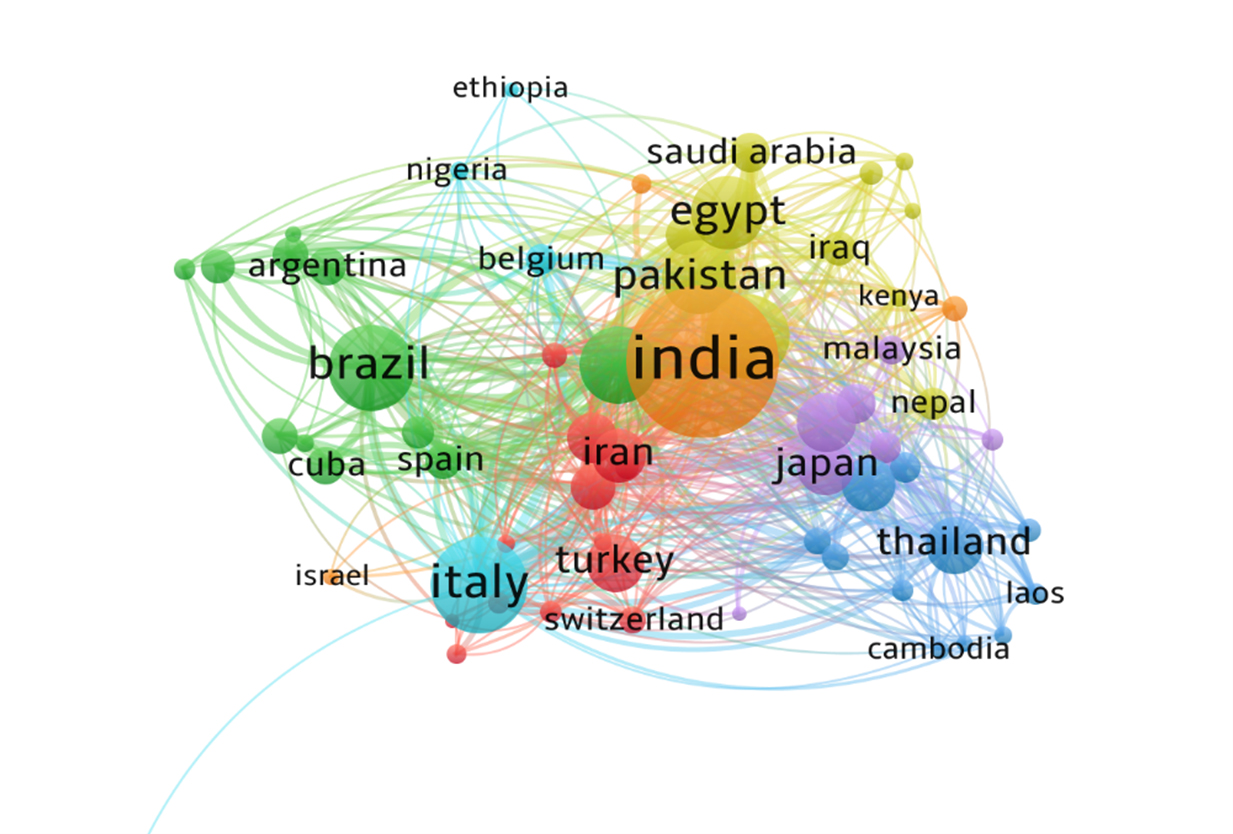
Fig. 7. Co-authorship between countries. Table 1 and Fig. 8 also demonstrate clear differences in international collaboration patterns among countries. India showed a relatively low MCP ratio (5.63%), indicating that most publications were produced through domestic collaborations and suggesting a strong national research infrastructure. On the contrary, countries such as Japan (78.79%), the United States (63.25%), Egypt (30.18%), China (26.17%), and Italy (25.07%) exhibited considerably higher MCP ratios, reflecting stronger engagement in international research partnerships. These findings suggest that countries with smaller publication outputs tend to rely more heavily on international collaboration to enhance research productivity and global visibility.
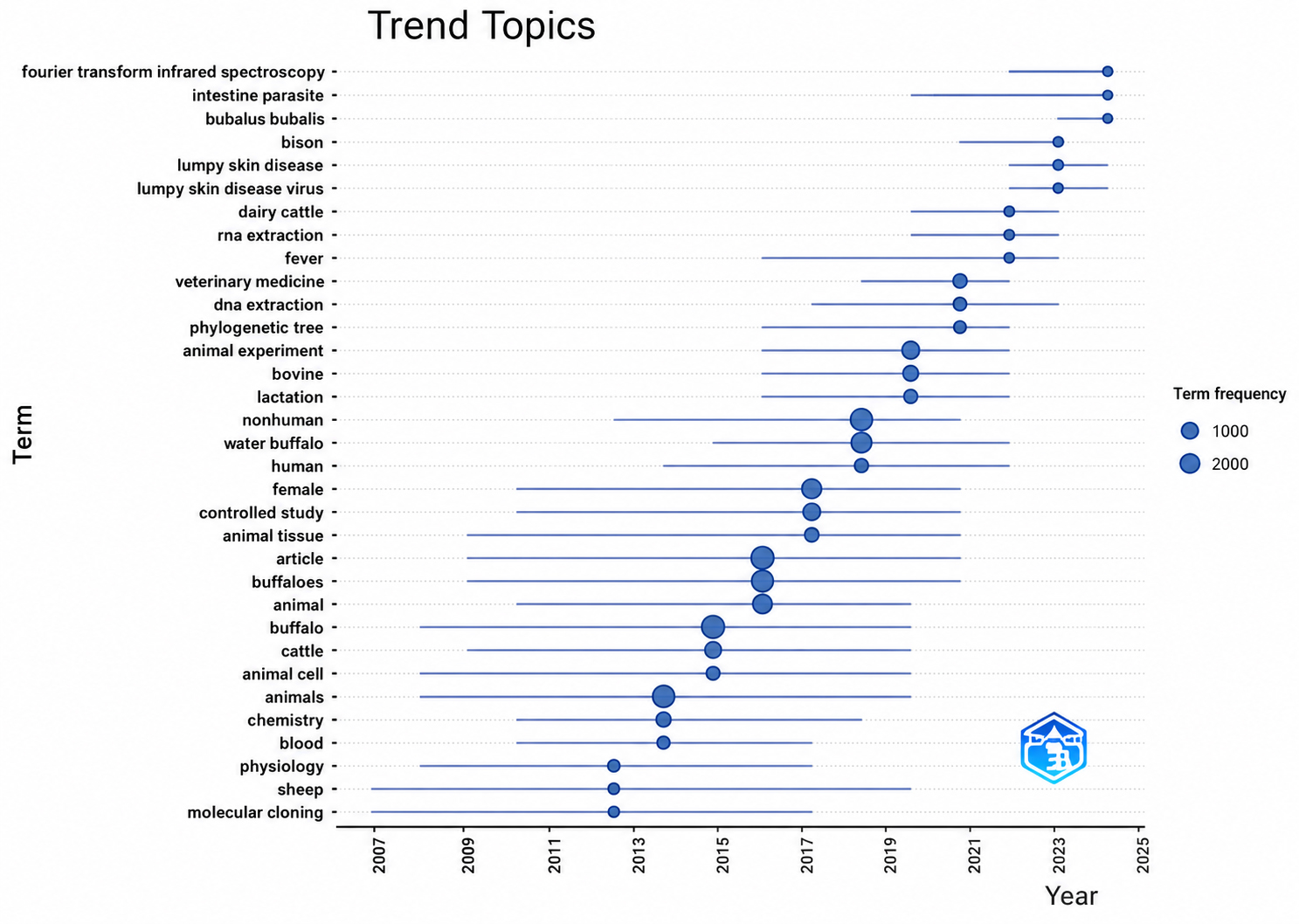
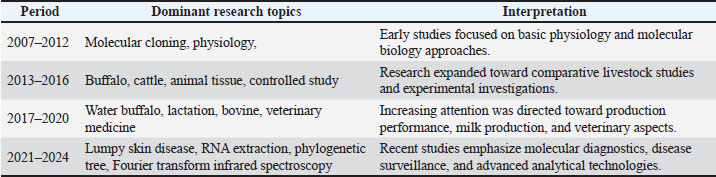
Fig. 8. Corresponding authors’ countries. The co-authorship network analysis further supports these findings by revealing dense collaborative connections among countries across Asia, Europe, the Middle East, and South America (Fig. 8). India appears as the largest and most central node in the network, highlighting its dominant role in global buffalo research and its function as a major hub linking multiple regional research communities. Strong collaboration clusters are also visible among Brazil, Argentina, Spain, and Italy. Meanwhile, the presence of numerous interconnecting links indicates that buffalo research has evolved into a highly internationalized research field characterized by active cross-country scientific cooperation. The dominant contribution of India likely reflects its position as the country with the world’s largest buffalo population and the major role of buffalo in national milk production systems, which has stimulated extensive research activity across animal production, reproduction, and health-related fields. On the contrary, Italy demonstrates a substantially higher citation impact and a markedly greater proportion of international collaboration (MCP ratio 25.05%), suggesting stronger integration within global research networks and greater international visibility of its scientific output. This pattern may also be associated with Italy’s advanced specialization in dairy buffalo production and reproductive biotechnology. China also emerged as an important contributor, showing a high level of international collaboration (MCP ratio 26.16%), which may reflect increasing global engagement in buffalo-related research and the expansion of molecular and biotechnology-oriented studies in the region. Analysis of trends, topics, and conceptual structureFigure 9 and Table 2 illustrate the temporal evolution of research topics in global buffalo studies from 2007 to 2024. Early research themes, particularly during the 2007–2012 period, were dominated by fundamental biological and molecular topics such as “molecular cloning,” “physiology,” “blood,” “chemistry,” and “animal cell.” These keywords indicate that initial buffalo research primarily focused on basic physiology, cellular biology, and biochemical characterization. During the subsequent period, broader livestock-related terms, including “cattle,” “buffalo,” “animal tissue,” and “controlled study” became increasingly prominent, reflecting the expansion of buffalo research into more applied animal science and experimental studies.
Fig. 9. Trending topics research in water buffalo. Table 2. Research trend analysis in global water buffalo research (2007–2024).
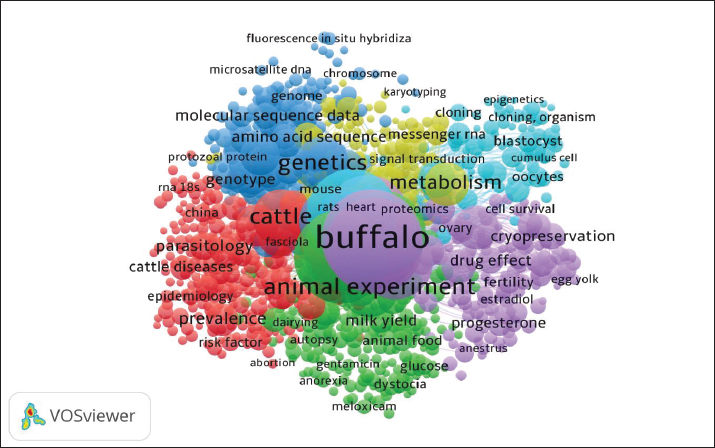
More recent years demonstrated a clear shift toward advanced veterinary, molecular, and health-related research themes. Keywords such as “veterinary medicine,” “RNA extraction,” “DNA extraction,” “phylogenetic tree,” “lactation,” “bovine,” “dairy cattle,” “lumpy skin disease,” and “lumpy skin disease virus” emerged more prominently after 2018, indicating increasing scientific attention to disease surveillance, molecular diagnostics, genetics, and dairy production systems. In the most recent period (2022–2024), the appearance of terms such as “Fourier transform infrared spectroscopy,” “intestine parasite,” and “B. bubalis” suggests growing adoption of advanced analytical technologies and more specialized buffalo-related investigations. Overall, these trends demonstrate that buffalo research has evolved from fundamental biological studies toward multidisciplinary and technology-oriented research emphasizing animal health, productivity, molecular analysis, and disease management. The keyword co-occurrence analysis (Fig. 10) generated using VOSviewer revealed several interconnected thematic clusters that characterize the global landscape of water buffalo research. The term “buffalo” appeared as the largest and most central node, indicating its strong association with multiple scientific domains. The visualization identified major research clusters related to genetics and molecular biology, reproductive biotechnology, metabolism and physiology, epidemiology and parasitology, and dairy production. Keywords such as “genetics,” “genome,” and “molecular sequence data” dominated the molecular biology cluster, while reproductive studies were represented by terms including “cryopreservation,” “fertility,” and “progesterone.” In addition, clusters associated with “milk yield,” “dairying,” “parasitology,” “epidemiology,” and “metabolism” demonstrated the broad multidisciplinary nature of buffalo research and the strong interconnection among production, health, and biotechnology-related topics.
Fig. 10. Keyword co-occurrence analysis. Research methodology framework and strategic research agendaThe bibliometric findings suggest that buffalo research has been shaped by a relatively narrow set of methodological approaches, with strong emphasis on experimental and laboratory-based studies. This is particularly evident from the dominance of studies focusing on reproductive biotechnology and molecular biology, as reflected in the co-occurrence and thematic clustering results. While such approaches have generated important advances, particularly in reproduction and molecular biology, they may not fully capture the complexity of buffalo production systems. These systems are often embedded in smallholder, resource-limited, and climate-sensitive contexts. On the contrary, broader methodological integration, including mixed and interdisciplinary approaches, could enhance the relevance and applicability of future buffalo research. Such approaches are especially important in areas such as nutrition management, sustainability, and socio-economic performance (Fujita et al., 2021; Rosairo, 2024). Experiences from other livestock sectors illustrate the value of coordinated research planning. For example, collaborative initiatives involving government agencies and producer organizations in the United States have successfully identified priority research areas related to nutrition, food safety, and sustainability (Miller et al., 2020). These findings suggest that stronger coordination among researchers, institutions, and industry stakeholders may help align future buffalo research with practical production challenges. Another important finding emerging from the bibliometric analysis concerns several research areas that remain relatively underexplored and, therefore, represent potential priorities for future studies. Although substantial progress has been achieved in fields such as reproductive biotechnology and genetic improvement, research focusing on buffalo nutrition and feeding management appears comparatively limited. In particular, studies addressing nutrient utilization efficiency, locally available feed resources, and climate-resilient feeding strategies are still insufficient, considering the increasing pressure on livestock production systems to improve sustainability. Furthermore, the application of advanced molecular approaches to investigate the rumen microbiome of buffalo remains relatively scarce compared with similar research conducted in cattle. Understanding the composition and functional dynamics of rumen microbial communities may provide important insights into feed efficiency, methane mitigation, and animal health. The limited occurrence of microbiome-related keywords suggests that advanced omics approaches remain underutilized in buffalo research. In addition, the relatively limited occurrence of keywords related to sustainable feeding strategies suggests that topics such as agro-industrial by-products, precision nutrition, and environmentally friendly feed additives remain insufficiently explored in buffalo research, despite their potential relevance to productivity and environmental sustainability. Influence of core journals on research directionThe Bradford distribution concentration is also reflected in the bibliometric network analysis, where a limited number of journals account for the majority of highly cited publications. Analysis demonstrates that buffalo research output is highly concentrated in a small number of core journals, which serve as the main platforms for knowledge dissemination. This concentration aligns with classical bibliometric patterns and indicates that editorial focus and journal scope play a critical role in shaping the visibility and perceived importance of research topics. As a result, research themes that align closely with the priorities of these journals are more likely to gain prominence within the field (Alves, 2019). Journals such as Buffalo Bulletin and Theriogenology have prominence of these journals is consistent with the observed dominance of reproductive and production-oriented research themes in the keyword co-occurrence analysis. They emerged as key publication outlets, particularly for studies related to productivity improvement, reproductive biotechnology, adaptive nutrition, and animal health (Neglia et al., 2020; Khan et al., 2025). Their central position suggests that journal priorities may influence the visibility of particular research themes within buffalo science. While this concentration supports efficient knowledge exchange, it may also limit exposure for interdisciplinary or emerging topics that fall outside traditional editorial scopes. Conceptual structure and thematic evolutionThis thematic structure is strongly supported by the keyword clustering results, which show clear separation between molecular-reproductive themes and production-related topics. Conceptual structure mapping indicates that buffalo research is currently organized around three dominant domains: milk production and lactation biology; molecular and genetic studies; and reproductive physiology and biotechnology. The increasing centrality of genomic-related keywords over time suggests a transition toward more technology-driven and data-intensive research approaches. This trend mirrors broader developments in livestock science, where genomic selection, molecular diagnostics, and systems biology are increasingly used to improve productivity and resilience (Simeão et al., 2021; Ravi Kumar et al., 2023). The strong contribution of Italy is particularly notable given that buffalo production in Europe is relatively limited compared with major Asian countries. This pattern may be associated with the economic importance of Mediterranean buffalo dairy systems in Italy, especially the production of high-value mozzarella cheese, which has stimulated research in reproduction, milk quality, animal health, and biotechnology. In addition, the relatively high citation impact and international collaboration observed for Italy suggest stronger integration with global scientific networks and greater visibility in international journals. Country-level publication patterns also reveal important differences in research orientation and scientific visibility. The dominant contribution of India likely reflects its position as the country with the world’s largest buffalo population and the major role of buffalo in national milk production systems, which has stimulated extensive research activity across animal production, reproduction, and animal health. On the contrary, Italy demonstrates substantially higher citation impact and international collaboration intensity despite its smaller buffalo population. This pattern may be associated with the economic importance of Mediterranean buffalo dairy systems in Italy, particularly mozzarella production, which has encouraged specialization in milk quality, reproductive biotechnology, and advanced production management. China also emerged as an important contributor with relatively strong international collaboration, possibly reflecting increasing investment in molecular and biotechnology-oriented buffalo research. Interestingly, several countries with comparatively limited buffalo production appear to focus more strongly on pathogen- and disease-related studies, potentially reflecting broader veterinary and epidemiological concerns related to cross-species disease transmission and livestock health surveillance.” Interestingly, several countries with relatively limited buffalo production also contributed to buffalo-related research, particularly in studies involving infectious diseases and pathogens such as Neospora. This pattern may reflect broader veterinary and epidemiological concerns, including the potential transmission of pathogens across livestock species and the importance of disease surveillance within integrated animal production systems. In addition, genetic and reproductive technologies tend to attract greater institutional attention because their outcomes are more immediately associated with productivity improvement and breeding programs. First, research funding and scientific interest have increasingly prioritized molecular and laboratory-based studies, which are often perceived as more innovative and more likely to be published in high-impact journals. Second, nutrition and feeding studies are frequently conducted under field conditions, which are more complex, variable, and time-consuming compared to controlled experimental settings. Third, publication trends within core journals may also favor studies employing advanced analytical or molecular approaches. Collectively, these factors may contribute to the underrepresentation of nutrition-related research in the global buffalo research landscape. Addressing this imbalance may require deliberate efforts to expand research agendas beyond laboratory-based innovation toward system-level challenges, particularly in regions where buffalo production plays a critical role in food security and rural livelihoods (Neglia et al., 2023). Recent developments also indicate a growing role of international collaboration and emerging technologies in shaping the future direction of buffalo research. Several collaborative initiatives among research institutions in Asia, Europe, and other regions have begun to focus on improving buffalo productivity through integrated approaches that combine genetics, nutrition, and animal health management. Advances in genomic technologies have enabled more detailed characterization of buffalo genetic resources and opened new opportunities for marker-assisted selection and genomic breeding programs (Ishikawa et al., 2022; Degen and Müller, 2023). These technological developments are particularly relevant in the context of climate-resilient livestock production, where improved genetic selection, data-driven management, and adaptive feeding strategies can help buffalo systems respond to environmental challenges while maintaining productivity and sustainability. Consequently, strengthening international collaboration and integrating these emerging technologies will be essential for advancing buffalo research and enhancing the long-term competitiveness of buffalo production systems (Hufana-Duran et al., 2025). The dominance of genetics-, reproduction-, and metabolism-related keywords indicates that buffalo research has increasingly shifted toward advanced molecular and biotechnological approaches. The strong presence of terms associated with genomics, reproductive physiology, and embryo-related studies reflects growing scientific interest in improving productivity, reproductive efficiency, and genetic quality through modern technologies. Furthermore, the prominence of milk production and dairying-related keywords confirms the continued economic importance of buffalo as a major source of milk production in many developing countries. The identification of epidemiology and parasitology clusters also highlights the importance of disease prevention and animal health management in maintaining sustainable buffalo production systems. Despite the broad thematic diversity observed in the visualization, nutrition- and feed-related keywords appeared comparatively less dominant within the network. This finding suggests that areas such as rumen microbiology, feed innovation, precision nutrition, and sustainable feeding systems remain relatively underexplored compared with genetics and reproductive biotechnology. Considering the increasing global emphasis on environmentally sustainable livestock production, these topics represent promising directions for future buffalo research. Strengthening interdisciplinary collaboration and integrating emerging technologies may further support the long-term sustainability and competitiveness of buffalo production systems worldwide. Government support and policy frameworksThe bibliometric patterns observed in this study indicate that sustained progress in buffalo research and production cannot rely solely on scientific innovation but also requires consistent institutional and policy support. Multi-sectoral government involvement, particularly across agriculture, food security, and rural development programs, has been shown to play an important role in improving the productivity and long-term viability of buffalo farming systems (Molossi et al., 2023). However, the bibliometric results show limited representation of policy-oriented and socio-economic keywords, suggesting a disconnect between scientific output and policy integration. In several buffalo-producing regions, fragmented policy implementation and limited coordination across programs remain major constraints (Samaila et al., 2024) Integrated, data-driven buffalo development policies that connect research outputs with food security, community livestock systems, and environmental sustainability are essential for future progress (Glotko et al., 2020). Without sustained and coherent policy support, the potential of buffalo as a strategic local livestock resource is unlikely to be fully realized, particularly in smallholder-dominated production systems (Rojas-Meza et al., 2023). Overall, the bibliometric evidence highlights a strong disciplinary concentration in buffalo research, alongside emerging but underdeveloped thematic areas such as nutrition, sustainability, and socio-economic dimensions. ConclusionThis bibliometric analysis demonstrates that global water buffalo research has expanded steadily over the past 25 years, although important disparities remain across regions and thematic areas. India contributed the largest publication output, whereas Italy showed higher citation impact and international visibility. Thematic trends indicate a shift from traditional physiology and genetics toward reproductive biotechnology and molecular-based research, while nutrition, feeding systems, and sustainability-related topics remain comparatively less represented. The findings also highlight the importance of international collaboration in improving research visibility and citation impact. Overall, this study provides a comprehensive overview of the global structure and evolution of buffalo research and identifies several underrepresented areas that may warrant further investigation, particularly those related to sustainable production systems and interdisciplinary collaboration. AcknowledgmentThe authors would like to express their sincere appreciation to the National Research and Innovation Agency (BRIN) Indonesia for the support and facilitation provided throughout the completion of this study. The resources, research environment, and institutional guidance offered by BRIN greatly contributed to the successful execution of the bibliometric analysis. The authors also acknowledge the scientific community whose research outputs formed the basis of this investigation. FundingThis research received no external funding. Authors’ contributionsConceptualization, data curation, formal analysis, writing-original draft preparation.: RM, NV, ZAB, GG, RM; methodology, visualization, software, writing-review and editing: WW, EW, JF; supervision, validation, project administration, manuscript revision: TRP, MP, PZJ, AE, SIR, YY. Conflicts of interestThe authors declare that there are no conflicts of interest regarding the publication of this work. All analyses were conducted independently, and no external party influenced the research design, data interpretation, or conclusions of this study. Data availabilityThe data used in this study were obtained from the Scopus database and are available from the corresponding author upon reasonable request. ReferencesAlves, F.I.A.B. 2019. Exemplifying the Bradford’s law: an analysis of recent research (2014-2019) on capital structure. Rev. Ciências Soc. Persp. 18(35), 92–101. Aria, M. and Cuccurullo, C. 2017. Bibliometrix: an R-tool for comprehensive science mapping analysis. J. Informetrics 11(4), 959–975. Bertoni, A., Álvarez-Macías, A., Mota-Rojas, D., Dávalos, J.L. and Minervino, A.H.H. 2021. Dual‐purpose water buffalo production systems in tropical latin america: bases for a sustainable model. Animals 11(10), 1–15. Coman, S., Berean, D.I., Cimpean, R., Ciupe, S., Coman, I. and Bogdan, L.M. 2024. Clinical modalities for enhancing reproductive efficiency in buffaloes: a review and practical aspects for veterinary practitioners. Animals 14(18), 1–19. De La Cruz-cruz, L.A., Roldán-Santiago, P., Berdugo-Diaz, D.F., Rodríguez-Florentino, R. and Berdugo-Gutiérrez, J.A. 2022. Characteristics of Buffalo Production and Research Systems in Southern Mexico. J. Buffalo. Sci. 11, 19–31. Degen, B. and Müller, N.A. 2023. A simulation study comparing advanced marker-assisted selection with genomic selection in tree breeding programs. G3: Genes Genomes Genetics 13(10), 1–9. Djalal, M., Wangdi, J.T., Dirpan, A., Bastian, F., Latief, R., Ainani, A.F. and Yolanda, D.S. 2022. Traditional Indonesian food: a bibliometric review from 2013–2022. Canrea J. Food Technol. Nutr. Culin. J. 5(2), 172–182. Dos Santos, M.L., Santos, P.M., Barioni, L.G., Pereira, B.H., Cuadra, S.V., Pequeno, D.N.L., Marin, F.R. and Sollenberger, L. 2024. Yield gap analysis framework applied to pasture-based livestock systems in Central Brazil. Field Crops Res. 314, 109416. El Debaky, H.A., Kutchy, N.A., Ul-Husna, A., Indriastuti, R., Akhter, S., Purwantara, B. and Memili, E. 2019. Potential of water buffalo in world agriculture: challenges and opportunities. Appl. Anim. Sci. 35(2), 255–268. Fahimnia, B., Sarkis, J. and Davarzani, H. 2015. Green supply chain management: a review and bibliometric analysis. Int. J. Prod. Econ. 162, 101–114. Fujita, M., Okudo, T., Terano, T. and Nagane, H.S. 2021. Analyzing two approaches in interdisciplinary research: individual and collaborative. J. Adv. Comput. Intell. Intell. Informat. 25(3), 301–309. Gaillard, C., Brossard, L. and Dourmad, J.Y. 2020. Improvement of feed and nutrient efficiency in pig production through precision feeding. Anim. Feed. Sci. Technol. 268, 114611. Glotko, A.V., Polyakova, A.G., Kuznetsova, M.Y., Kovalenko, K.E., Shichiyakh, R.A. and Melnik, M.V. 2020. Main trends of government regulation of sectoral digitalization. Entrepreneurship Sustainability. 7(3), 2181–2195. Hufana-Duran, D., Chaikhun-Marcou, T., Duran, P.G., Atabay, E.P., Nguyen, H.T., Atabay, E.C., Nguyen, U.T., Nguyen, H.T., Hiew, M.W.H., Punyawai, K., Ginting, N. and Parnpai, R. 2025. Future of reproductive biotechnologies in water buffalo in Southeast Asian countries. Theriogenology 233, 123–130. Ishikawa, G., Sakai, H., Mizuno, N., Solovieva, E., Tanaka, T. and Matsubara, K. 2022. Developing core marker sets for effective genomic-assisted selection in wheat and barley breeding programs. Breeding Sci. 72(3), 257–266. Jaiswal, S., Jagannadham, J., Kumari, J., Iquebal, M.A., Gurjar, A.K.S., Nayan, V., Angadi, U.B., Kumar, S., Kumar, R., Datta, T.K., Rai, A. and Kumar, D. 2021. Genome wide prediction, mapping and development of genomic resources of mastitis associated genes in water buffalo. Front. Vet. Sci. 8, 1–15. Jerem, P. and Mathews, F. 2021. Trends and knowledge gaps in field research investigating effects of anthropogenic noise. Conservation. Biol. 35(1), 115–129. Khan, W.A., Yasmin, I., Wadood, S.A., Khan, A., Qamar, A., Hameeda, M., Ali, F.F. and Khan, K.Q. 2025. Development and quality assessment of Coalho cheese using indigenous Pakistani milk sources: nili-Ravi buffalo and Kamori goat. Discover Food 5(1), 1–16. Liao, J., Yang, J., Suo, H., and Song, J. 2025. Buffalo milk: nutritional composition, bioactive properties, and advances in processing technologies-a comprehensive review. Food Chem. X, 29. Martha, R., Toharmat, D. and Retnani, Y. 2025. Supplementation of protected oilseeds in dairy cattle rations to improve productivity and profitability of small-scale farms in the tropics. Livestock. Res. For. Rural. Develop. 37(10), 1–6. Miller, G.D., Slimko, M., Tricarico, J. and Peerless, D. 2020. Food System Sustainability: A dairy perspective. Nutr. Today. 55(2), 82–85. Mohd Azmi, A.F., Ahmad, H., Mohd Nor, N., Goh, Y.M., Zamri-Saad, M., Abu Bakar, M.Z., Salleh, A., Abdullah, P., Jayanegara, A. and Abu Hassim, H. 2021. The impact of feed supplementations on Asian buffaloes: a review. Animals 11(7), 1–24. Molossi, L., Hoshide, A.K., De Abreu, D.C. and De Oliveira, R.A. 2023. Agricultural support and public policies improving sustainability in Brazil’s beef industry. Sustainability, 15(6), 15. Mulianda, R., Anggrahini, S., Sofyan, A., Baihaqi, Z., Qomariyah, N., Harahap, M., Firison, J., Winarti, E., Julendra, H., Hardian, H., Ella, A., Rakhmani, S., Altandjung, R., Kusnadi, H. and Wulandari, W. 2025. Exploring the dynamics of cow milk quality: a bibliometric and scoping review of dairy cattle research. J. Adv. Vet. Anim. Res. 12(3), 956–974. de la Cruz-Cruz, L.A., Roldán-Santiago, P., Larrondo, C., Orozco-Gregorio, H., Bonilla-Jaime, H., González-Hernández, M., Rodríguez-Florentino, R. and Yáñez-Pizaña, A. 2026. Economic, social, and environmental contributions of water buffalo (Bubalus bubalis) production to the sustainable development goals: a review. Sustainability 18(11), 5216. Neglia, G., De Nicola, D., Esposito, L., Salzano, A., D’Occhio, M.J. and Fatone, G. 2020. Reproductive management in buffalo by artificial insemination. Theriogenology 150, 166–172. Neglia, G., Matera, R., Cotticelli, A., Salzano, A., Cimmino, R. and Campanile, G. 2023. Precision livestock farming in buffalo species: a sustainable approach for the future. Revista Cientifica. De La Facultad De Veterinaria 33, 124–130. Pehan, E.A., Miah, M., Rahman, M.H., Shejuty, S.F., Haque, M.N., Huda, M.N., Habib, M.R. and Ali, M.Y. 2025. A holistic review of buffalo productivity, reproductive efficiency, genetic improvement, and disease management in Bangladesh. Vet. Anim. Sci. 29, 1–16. Prihambodo, T.R., Mulianda, R., Wulandari, W., Anggrahini, S., Qomariyah, N., Ella, A., Winarti, E., Yusriani, Y., Suyatno, S., Firison, J., Fitra, D., Harahap, A.E., Sari, D.A.P., Hidayat, T. and Jayanegara, A. 2025. Scopus-based bibliometric analysis of research trends in silage feed and its impact on rumen fermentation in ruminants. Vet. World. 18(7), 1972–1990. Ravi Kumar, D., Nandhini, P.B., Joel Devadasan, M., Sivalingam, J., Mengistu, D.W., Verma, A., Gupta, I.D., Niranjan, S.K., Kataria, R.S. and Tantia, M.S. 2023. Genome-wide association study revealed suggestive QTLs for production and reproduction traits in Indian Murrah buffalo. Biotech 13(3), 1–11. Rojas-Meza, D.A., Bartolomé-Filella, J., Giraldo, L.A., Rivera-Rojas, M., Chara, J., Murgueitio, E. and González-García, E. 2023. O93 Potential of calabash tree (Crescentia cujete) as a local resource to enhance sustainable livestock farming in the dry Caribbean region. Anim. -Sci. Proc. 14(4), 602–603. Rosairo, H.S.R. 2024. An Introduction to Quality. In Hospital Quality. Productivity Press, pp: 3–7. Samaila, A.E., Malgwi, A.M. and Jada, M.Y. 2024. Exploring the distribution and abundance of groundnut sucking bug (offa) Rhyparochromus littoralis Dist across major groundnut-producing regions in North-Eastern Nigeria. World J. Biol. Biotechnol. 9(3), 1–4. Simeão, R.M., Resende, M.D.V., Alves, R.S., Pessoa-Filho, M., Azevedo, A.L.S., Jones, S., Pereira, J.F. and Machado, J.C. 2021. Genomic selection in tropical forage grasses: current status and future applications. Front. Plant Sci. 12, 1–22. Van Eck, N.J., and Waltman, L. 2018. VOSviewer Manual - version 1.6.8. Univeristeit Leiden. Villanueva, M.A., Mingala, C.N., Tubalinal, G.A.S., Gaban, P.B.V., Nakajima, C. and Suzuki, Y. 2018. Emerging infectious diseases in water buffalo: an economic and public health concern. In emerging infectious diseases in water buffalo—an economic and public health concern. London, United Kingdom: IntechOpen. Zhang, Y., Colli, L. and Barker, J.S.F. Asian water buffalo: domestication, history and genetics. In Animal Genetics,2020 51(2), pp 177–191. | ||
| How to Cite this Article |
| Pubmed Style Martha R, Prihambodo TR, Qomariyah N, Gunawan G, Wulandari W, Baihaqi ZA, Ella A, Yusriani Y, Firison J, Rakhmaini SI, Winarti E, Destomo A, Jati PZ, Mulianda R. A Bibliometric Mapping of Global Water Buffalo Research: Trends, Scientific Collaboration, and Thematic Evolution (2000–2024). doi:10.5455/OVJ.2026.v16.i6.64 Web Style Martha R, Prihambodo TR, Qomariyah N, Gunawan G, Wulandari W, Baihaqi ZA, Ella A, Yusriani Y, Firison J, Rakhmaini SI, Winarti E, Destomo A, Jati PZ, Mulianda R. A Bibliometric Mapping of Global Water Buffalo Research: Trends, Scientific Collaboration, and Thematic Evolution (2000–2024). https://www.openveterinaryjournal.com/?mno=304425 [Access: June 27, 2026]. doi:10.5455/OVJ.2026.v16.i6.64 AMA (American Medical Association) Style Martha R, Prihambodo TR, Qomariyah N, Gunawan G, Wulandari W, Baihaqi ZA, Ella A, Yusriani Y, Firison J, Rakhmaini SI, Winarti E, Destomo A, Jati PZ, Mulianda R. A Bibliometric Mapping of Global Water Buffalo Research: Trends, Scientific Collaboration, and Thematic Evolution (2000–2024). doi:10.5455/OVJ.2026.v16.i6.64 Vancouver/ICMJE Style Martha R, Prihambodo TR, Qomariyah N, Gunawan G, Wulandari W, Baihaqi ZA, Ella A, Yusriani Y, Firison J, Rakhmaini SI, Winarti E, Destomo A, Jati PZ, Mulianda R. A Bibliometric Mapping of Global Water Buffalo Research: Trends, Scientific Collaboration, and Thematic Evolution (2000–2024). doi:10.5455/OVJ.2026.v16.i6.64 Harvard Style Martha, R., Prihambodo, . T. R., Qomariyah, . N., Gunawan, . G., Wulandari, . W., Baihaqi, . Z. A., Ella, . A., Yusriani, . Y., Firison, . J., Rakhmaini, . S. I., Winarti, . E., Destomo, . A., Jati, . P. Z. & Mulianda, . R. (2026) A Bibliometric Mapping of Global Water Buffalo Research: Trends, Scientific Collaboration, and Thematic Evolution (2000–2024). doi:10.5455/OVJ.2026.v16.i6.64 Turabian Style Martha, Reno, Tri Rachmanto Prihambodo, Novia Qomariyah, Gunawan Gunawan, Wulandari Wulandari, Zein Ahmad Baihaqi, Andi Ella, Yenni Yusriani, Jhon Firison, Susana Iw Rakhmaini, Erna Winarti, Alfian Destomo, Putri Zulia Jati, and Randi Mulianda. 2026. A Bibliometric Mapping of Global Water Buffalo Research: Trends, Scientific Collaboration, and Thematic Evolution (2000–2024). doi:10.5455/OVJ.2026.v16.i6.64 Chicago Style Martha, Reno, Tri Rachmanto Prihambodo, Novia Qomariyah, Gunawan Gunawan, Wulandari Wulandari, Zein Ahmad Baihaqi, Andi Ella, Yenni Yusriani, Jhon Firison, Susana Iw Rakhmaini, Erna Winarti, Alfian Destomo, Putri Zulia Jati, and Randi Mulianda. "A Bibliometric Mapping of Global Water Buffalo Research: Trends, Scientific Collaboration, and Thematic Evolution (2000–2024)." doi:10.5455/OVJ.2026.v16.i6.64 MLA (The Modern Language Association) Style Martha, Reno, Tri Rachmanto Prihambodo, Novia Qomariyah, Gunawan Gunawan, Wulandari Wulandari, Zein Ahmad Baihaqi, Andi Ella, Yenni Yusriani, Jhon Firison, Susana Iw Rakhmaini, Erna Winarti, Alfian Destomo, Putri Zulia Jati, and Randi Mulianda. "A Bibliometric Mapping of Global Water Buffalo Research: Trends, Scientific Collaboration, and Thematic Evolution (2000–2024)." doi:10.5455/OVJ.2026.v16.i6.64 APA (American Psychological Association) Style Martha, R., Prihambodo, . T. R., Qomariyah, . N., Gunawan, . G., Wulandari, . W., Baihaqi, . Z. A., Ella, . A., Yusriani, . Y., Firison, . J., Rakhmaini, . S. I., Winarti, . E., Destomo, . A., Jati, . P. Z. & Mulianda, . R. (2026) A Bibliometric Mapping of Global Water Buffalo Research: Trends, Scientific Collaboration, and Thematic Evolution (2000–2024). doi:10.5455/OVJ.2026.v16.i6.64 |


