




| Research Article | ||
Open Vet. J.. 2026; 16(6): 3797-3817 Open Veterinary Journal, (2026), Vol. 16(6): 3797-3817 Research Article Asparagus (Asparagus officinalis) and Nettle (Urtica dioica) essential oils as potential alternatives to antibiotic growth promoters in broiler chickens: Impacts on performance, carcass characteristics, and blood biochemistryHassan Fathi1, Yahya Ebrahimnezhad1*, Hassan Sadeghipanah2, Seyed Abdullah Hosseini2 and Jalal Shayegh31Department of Animal Science, Shab. C., Islamic Azad University, Shabestar, Iran 2Animal Science Research Institute, Karaj, Iran 3Department of Veterinary Medicine, Shab. C., Islamic Azad University, Shabestar, Iran *Corresponding Author: Yahya Ebrahimnezhad. Department of Animal Science, Shab. C., Islamic Azad University, Shabestar, Iran. Email: ebrahimnezhad [at] iau.ir Submitted: 13/12/2025 Revised: 25/04/2026 Accepted: 08/05/2026 Published: 16/06/2026 © 2025 Open Veterinary Journal
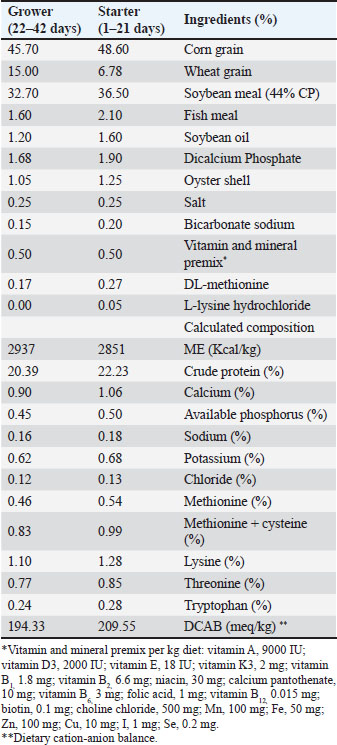
ABSTRACTBackground: Oregano essential oil, derived from Origanum vulgare and rich in bioactive compounds such as carvacrol and thymol, is a popular natural feed additive in poultry production. It acts as an alternative to growth promoters. Aim: This study explored the effects of Asparagus (Asparagus officinalis) (AEO) and Nettle (Urtica dioica) essential oils (NEO) on the performance, carcass traits, and blood parameters of Arian broiler chickens over a 42-day period. Methods: A total of 700 1-day-old chicks were randomly assigned to seven dietary treatments: a basal diet with no additives (control) and diets supplemented with 150 mg/kg protexin, 150 mg/kg avilamycin, 200 mg/kg AEO, 400 mg/kg AEO, 200 mg/kg NEO, and 400 mg/kg NEO. Each treatment group consisted of 4 replicates of 25 chicks. Body weight gain (BWG) and feed intake (FI) were monitored throughout the trial, and the feed conversion ratio (FCR) was calculated accordingly. On day 42, 8 birds were randomly selected for blood sampling to assess biochemical parameters and carcass characteristics. Results: FI was significantly reduced in the groups supplemented with 400 mg/kg AEO and 400 mg/kg NEO and increased with 150 mg/kg avilamycin (p < 0.05). In contrast, BWG and FCR remained unaffected across all treatments (p > 0.05). Carcass traits, including relative weights of thighs, breast, and abdominal fat, showed no significant differences (p > 0.05). Blood parameters, including cholesterol, triglycerides, high-density lipoprotein, and low-density lipoprotein, also showed no significant differences among the groups (p > 0.05). However, blood glucose levels were significantly lower in the NEO treatment group at 200 and 400 mg/kg than in the control (p < 0.05). AEO exhibited moderate to good activity against gram-negative pathogenic bacteria, namely Escherichia coli (inhibition zone of 12 mm at 100% concentration, MIC 2.5%) and Salmonella enterica (inhibition zone of 10 mm at 100% concentration, MIC 1.56%), with concentration-dependent effects and predominantly bactericidal action against S. enterica (minimum bactericidal concentration/minimum inhibitory concentration ratio ≤4). In contrast, NEO exhibited weaker activity (MIC values up to 50% for E. coli). Neither essential oil in this research showed any inhibitory or bactericidal effects on beneficial gram-positive probiotic bacteria (Bifidobacterium bifidum and Lactobacillus casei). Conclusion: AEO and NEO have antimicrobial properties that support intestinal health and selectively promote beneficial microflora, potentially reducing pathogenic bacteria without the adverse effects of antibiotics. The study concludes that AEO and NEO can serve as viable alternatives to antibiotic growth promoters, maintaining broiler performance and health without affecting key growth and blood parameters. This aligns with growing concerns over antibiotic resistance, supporting the use of herbal supplements in poultry production. Further research is recommended to optimize the dosage. Keywords: Asparagus and nettle essential oils, Blood parameters, Broilers, Carcass traits, Performance. IntroductionFood additives and supplements are used to improve animal performance, compensate for nutrient deficiencies, and treat metabolic disorders. Synthetic chemical compounds, such as antibiotics, have been used to achieve these purposes (Hong et al., 2012). Antibiotics have been used as food additives to improve growth performance and disease control in animals. Despite the positive effects of antibiotic consumption in poultry diets, recent research suggests that antibiotic residues in poultry carcasses can also lead to the development of resistant strains in humans and animals. The use of antibiotics as an additive to animal and poultry feed is restricted or prohibited in some parts of the world (Paraskeuas et al., 2017; Alagawany et al., 2021). The European Union has banned antibiotic additives since 2006. Scientists currently have many concerns about finding non-synthetic alternatives to antibiotics. Many studies have reported the positive effects of medicinal plants on broilers (Dhama et al., 2015; Kheiri et al., 2018; Bala et al., 2022; Pourmozaffar et al., 2025). Several studies have reported the antibacterial, anticoocidal, antioxidant, and antifungal properties of medicinal plants (Safamehr et al., 2012; Ghasemi et al., 2014; Moula et al., 2019). Some medicinal effects of medicinal plants/herbs rely on their secondary metabolites, such as phenols, essential oils, and saponins (Rekhate et al., 2010; Hafeez et al., 2016). Medicinal herbs have been used for treating various diseases for a long time due to their availability, ease of use, and minimal adverse effects. The use of herbal medicine to prevent or treat human and animal diseases dates back to prehistoric times, and some aromatic plants have been traditionally used worldwide to cure various diseases. Sufficient evidence can be found in the literature indicating the beneficial effects of herbs on hens and chickens. Mansoub (2011a,b) and Assan (2014) demonstrated that herbs, spices, and various plant extracts can serve as better appetizers and stimulants. Herbal supplements can stimulate growth in broiler chicks (Singh et al., 2018; Kewan et al., 2021), and essential oils can stimulate the digestive system in poultry, increasing the digestive enzymes of the pancreas (Hashemi et al., 2018; Abd El-Hack et al., 2020). Medicinal plants also possess antimicrobial properties (Kadhim and Salah, 2014; Salehi et al., 2021). Plant essential oils and secondary metabolites often trigger antimicrobial activities and possess lipophilic properties (Pandey and Singh, 2017). Terpenoids and phenylpropanoids exert their effects by penetrating the bacterial membrane to reach the inner part of the cell due to their lipophilic properties, thereby altering membrane permeability and interacting with membrane proteins or directly with cytoplasmic compounds (Fuerst-Wilmes and Sahl, 2023). The mixture of medicinal plant extracts enhances digestion and improves food absorption while also exhibiting antimicrobial properties. Nettle (Urtica dioica) is widely cultivated and used to promote health in various parts of the world (Tekade et al., 2008; Martz and Kankaanpää, 2025). Since nettle contains phenolic compounds such as carvacrol, thymol, formic acid, and salicylic acid, it is considered an antimicrobial and antifungal agent (Mansoub, 2011a,b; Keshavarz et al., 2014; Moula et al., 2019). Nettle, which is rich in iron, helps produce more red blood cells (RBCs), improves cellular respiration, and speeds up blood circulation (Mansoub, 2011a,b; Bourgeois et al., 2016). Hence, nettle can serve as a growth stimulant and potentially replace antibiotics in broiler chicks; additionally, it can stimulate and strengthen the immune system in broiler chickens (Safamehr et al., 2012; Hashemi et al., 2018). Nettle contains secretin, which is the best agent for stimulating glands in the stomach, intestine, liver, pancreas, and gallbladder, and it is effective in regulating lipid and glucose levels (Jaderi et al., 2011; Tabari et al., 2016). A previous study reported that the use of nettle in broiler diets improves body weight gain (BWG), reduces the food conversion ratio, and lowers food costs (Safamehr et al., 2012). Bosetti et al. (2020) demonstrated that the addition of thymol, carvacrol, and cinnamaldehyde to broiler diets enhances breast muscle development. This improvement can be attributed to the better digestion of amino acids. The use of Asparagus (Asparagus officinalis) essential oil (AEO) as a herbal additive/supplement to poultry feed has also been reported. Asparagus contains phenol, asparagine, koniferin, inositol, tannin, glycolic acid, and succinic acid (Mane et al., 2012). This plant is a diuretic and is counterproductive to cancer, tumors, fungi, bacteria, and inflammation. It also contains antioxidants that make it immunosuppressive and appetizing, balance blood pressure, and enhance erythrocytes (Shashi et al., 2016; Gwozdzinski et al., 2021). It has been reported that adding Asparagus to broiler diets would result in an increase in growth and improvement of food conversion rate, as well as stimulation of appetite and better liver function (Mane et al., 2012; Gaikwad et al., 2014). Rekhate et al. (2010) demonstrated that adding 0.5%, 1%, and 1.5% Asparagus powder to the diet of broiler chickens increased body weight, feed conversion ratio (FCR), and protein digestibility, as well as serum hemoglobin, total protein, and albumin levels. This study simultaneously evaluated and compared AEO and Nettle (U. dioica) essential oil (NEO) with an antibiotic growth promoter (avilamycin) and a probiotic (protexin) as dietary additives in broiler chickens. Although the antimicrobial properties and in vivo effects of various plant essential oils have been investigated, no study has directly compared the in vitro antimicrobial activity and in vivo performance impacts of these specific essential oils alongside a conventional antibiotic and a probiotic in the same experimental design. In addition, a review of scientific reports indicates the positive effects of plant additives on poultry improvement. However, little information is available about the effects of medicinal herbs (nettle and Asparagus) on performance, carcass traits, and blood biochemical parameters. The use of these additives as alternative candidates to antibiotics is yet to be studied in depth. Therefore, this study aimed to investigate the effects of AEO and NEO on the performance, carcass traits, and blood biochemical parameters in broiler chickens. Materials and MethodsDiet and experimental designIn a completely randomized design (CRD), 700 unsexed 1-day-old chicks (Arian strain) were weighed and divided into seven groups with 25 chicks for each replicate (four replicates per treatment). From days 1 to 21, the birds were fed a starter diet, and from days 22 to 42, they were fed a grower diet in mash form (Table 1). The experimental diets were as follows: 1) basal diet, no additives (control), 2) basal diet containing 150 mg/kg protexin, 3) basal diet containing 150 mg/kg avilamycin, 4) basal diet containing 200 mg/kg AEO, 5) basal diet containing 400 mg/kg AEO, 6) basal diet containing 200 mg/kg NEO, and 7) basal diet containing 400 mg/kg NEO. Table 1 presents the ingredients and calculated composition of the diets. Table 1. Composition of the experimental diets.
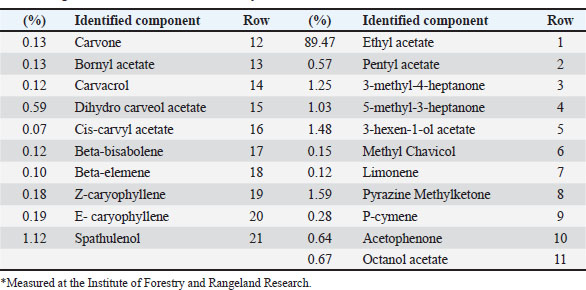
The diets were designed to have equal energy and nitrogen content, meeting the minimum nutrient needs for broilers as outlined by the National Research Council (1994). The experimental diet and water were freely available to the birds. The study was conducted in a climate-controlled commercial pen house with a floor system. The birds were housed in 28 pens (2.2 × 1.2 m) using wood shavings as bedding. Each pen included a hanging feeder and a drinker. Breeding was performed according to the guidelines provided in the Arian strain breeding catalog. Preparation and essential oil ingredientsDried leaves of both plants were sourced from Sahand Medicinal Plant Company and sent to the Institute of Forestry and Rangelands in Iran to acquire NEO and AEO. The essential oils were extracted in the Medicinal Herbs Research Section using steam and water distillation with a Clevenger apparatus. Oils were analyzed using a Shimadzu Gas Chromatograph Model 9A equipped with DB-5 columns (30 m long, 0.1-mm diameter, 0.25 μm thick). The essential oil components were analyzed using a Varian-3,400 gas chromatograph coupled to a mass spectrometer. Compounds were identified by comparing their mass spectra and retention indices with those of authentic standards and reference libraries. The relative abundance of each constituent was quantified by integrating the peak areas from the total ion chromatogram (Tables 2 and 3). Table 2. Ingredients of NEO used in this study*.
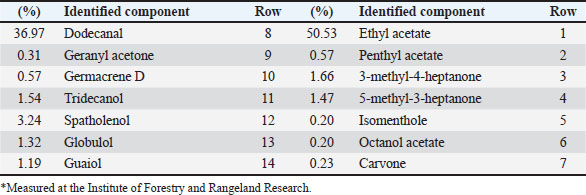
Table 3. AEO ingredients used in this research*.
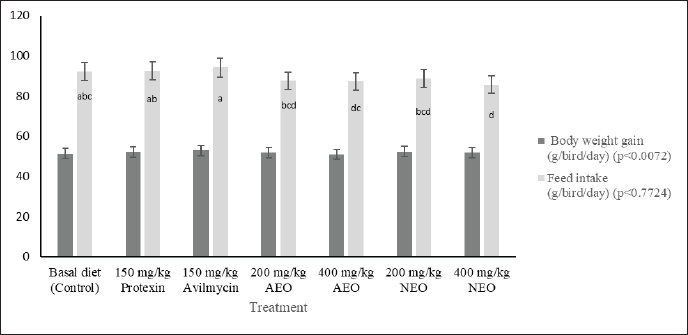
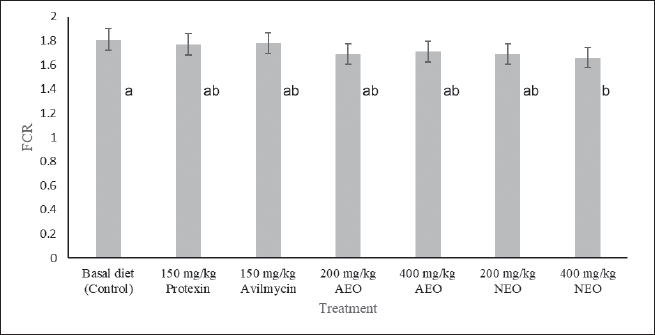
Performance and serum biochemical parametersThroughout the 42-day experimental period, broiler growth and feed consumption were assessed weekly. The FCR was determined on the last day of the experimental period. At the end of the experiment, 3 ml of blood samples were collected from two birds of each pen (eight birds of each treatment) in non-heparinized tubes on day 42 in each treatment by puncturing the brachial vein of broilers. Blood was centrifuged at 2,000 × g for 15 minutes to obtain serum (SIGMA 4-Fifteen Laboratory Centrifuge, Germany). In this study, 11 blood biochemical parameters that could be related to the feed additive effects were evaluated: glucose, triglyceride, cholesterol, high-density lipoprotein (HDL), low-density lipoprotein (LDL), total protein, albumin, globulin, albumin-to-globulin ratio (A/G), calcium, and phosphorus. Individual serum samples were analyzed for triglyceride, cholesterol, HDL, and LDL using the kits (1Kit No. 1150011 of Pars Azmoon Co; for measuring HDL; Kit No. 1150015 of Pars Azmoon Co; for measuring LDL; Kit No. 1500032 of Pars Azmoon Co; for measuring triglyceride; Kit No. 1500010 of Pars Azmoon Co; for measuring cholesterol), and individual serum samples were analyzed for glucose, total protein, albumin, calcium, and phosphorus using the Auto analyzer Alison 300 (Abbott Park Co; USA). The amount of globulin was calculated by subtracting albumin from total protein. The A/G ratio was determined by dividing the albumin concentration by the globulin concentration. Carcass traitsAt the end of the 42-day experimental period, eight birds from each treatment (two mixed male and female birds from each replicate) were selected, so that the body weight of the chicks would be close to the average weight of each cage. The selected chicks were then slaughtered by cervical dislocation to measure carcass characteristics, including pure carcass, thigh, breast, and abdominal fat (as a percentage of live body weight). Blood count parametersOn day 42, one broiler was selected from each cage, and blood samples were collected from the wing veins. Blood samples were collected into tubes containing anticoagulant (EDTA, 1 mg/ml in blood). The RBC and white blood cell (WBC) counts were determined using the method described by Natt and Herrick (1952) and the packed cell volume of blood was measured using hematocrit tubes. Additionally, hemoglobin was determined according to the cytohemoglobin method, as demonstrated by Benjamin (1978) and Esmaillzadeh et al. (2006). Blood smears were prepared to count lymphocytes and heterophils, which were then measured. Two chicks (mixed male and female) per replicate, with weights close to the cage average, were selected for blood collection using Ethylenediaminetetraacetic acid (EDTA) coated syringes at 42 days. Samples were immediately transferred to the laboratory for analysis of WBC, RBC, heterophils, lymphocytes, hematocrit, and the heterophil to lymphocyte ratio (H/L) ratio. Differential WBC count, heterophil and lymphocyte percentages, and H/L ratioAccurate counts require a well-prepared blood smear, with Giemsa staining (preferred over Wright due to the optimal anticoagulation effect of EDTA) used in this study. Over 90% of broiler WBCs are heterophils and lymphocytes, and their differential count and H/L ratio provide valuable clinical and immunological insights. Hematocrit determinationHematocrit, the percentage of RBC volume after centrifugation, was measured after 42 days using heparin-coated capillary tubes from two chicks per replicate. Tubes were centrifuged at 12,000 rpm for 15 minutes, and the RBC column length was read as a percentage on a specialized ruler. Blood immunoglobulinThree milliliters of 5% suspension of sheep red blood cells (SRBCs) were injected into two broilers per pen for immunoglobulin G (IgG) and immunoglobulin M (IgM) determination at 35 days, and blood was obtained from the wing vein at the end of the experimental period. All samples were centrifuged, and all sera were properly labeled and stored at −20°C for further studies. To analyze the total anti-SRBC antibodies, all sera were inactivated at 56°C for 30 minutes (Delhanty and Solomon, 1966). All samples were titrated for whole and mercaptoethanol (ME) -resistant (IgG) anti-SRBC antibody titers. ME-sensitive (IgM) antibody titers were achieved by reducing the IgG antibody level (titer) from the total antibody level, which was defined in terms of Log2. (Ghasemi-Sadabadi et al., 2020). Antibacterial activity assay using the disk diffusion methodA 24-hour bacterial culture was used to prepare a suspension equivalent to 1.5 × 10⁸ CFU/ml (corresponding to 0.5 McFarland standard) in sterile normal saline. The bacterial suspension was uniformly spread on Mueller-Hinton agar plates using a sterile swab. Disks impregnated with various concentrations of EOs from Nettle (Urtica dioica) and Asparagus [essential oils (EOs) ] were placed on the inoculated plates. Plates were incubated at 37°C for 24 hours. The inhibition zone diameters around the disks were measured and recorded (Pinna et al., 2020). Determination of the minimum inhibitory concentration (MIC) and minimum bactericidal concentration (MBC) using the microdilution methodThe MIC and MBC of the essential oils were determined in 96-well microtiter plates using the microdilution method according to the standard protocol (Andrews, 2001). Serial twofold dilutions of the essential oils (ranging from 100% to 0.39%) were prepared in Mueller-Hinton broth across wells 1–9. Well 10 served as the positive control (broth with bacterial inoculum only) and well 11 as the negative control (ethanol instead of essential oil). Resazurin (30 µl) was added as a growth indicator to each well. After the addition of the standardized bacterial inoculum, the plates were incubated at 30°C for 24 hours. The MIC was defined as the lowest concentration of essential oil showing no color change in resazurin (indicating growth inhibition). Aliquots from wells with no visible growth were subcultured onto Mueller-Hinton agar plates, and the lowest concentration yielding no colony growth was recorded as the MBC. Statistical analysisThe data obtained from this study were statistically analyzed for all traits except for antibacterial activity of medicinal herbs traits in a CRD using the GLM procedure of SAS software (Version 9.2, SAS Institute, Inc., Cary, NC). Duncan’s multiple range test was used to compare the means of the treatments. The 95% probability level was considered to be the significance level (Steel and Torrie, 1980). Ethical approvalThe research protocol has been approved by the Animal Care and Use Committee of the Islamic Azad University (93/987-2014) (Ghasemi-Sadabadi et al., 2019). The research protocol advises animal rights and welfare by ensuring minimal stress to animals. All procedures were carried out according to the relevant research protocol. The experiment was carried out in keeping with the ARRIVE guidelines. ResultsBroiler performanceFigures 1 and 2 present the results for BWG, feed intake (FI), and FCR in broilers. No significant differences were observed in BWG across dietary treatments (p > 0.05). FI (1–42 days) was significantly reduced in broilers supplemented with 400-mg/kg AEO and 400-mg/kg NEO, while it was significantly increased in those receiving 150-mg/kg avilamycin compared to other treatments (p < 0.05). The 150-mg/kg avilamycin group also exhibited higher FI than the other groups. The FCR (1–42 days) was higher in the control group than in the treated groups, with a near-significant difference (p=0.06). Treatments with 200- and 400-mg/kg NEO and AEO showed improved FCR compared with the other groups.
Fig. 1. Effects of treatments on BWG and FI of Arian broiler chicks in the whole period (1–42 days). a,b,c,d Means within the same column with different superscripts differ significantly (p < 0.05). AEO: Asparagus essential oil, NEO: Nettle essential oil.
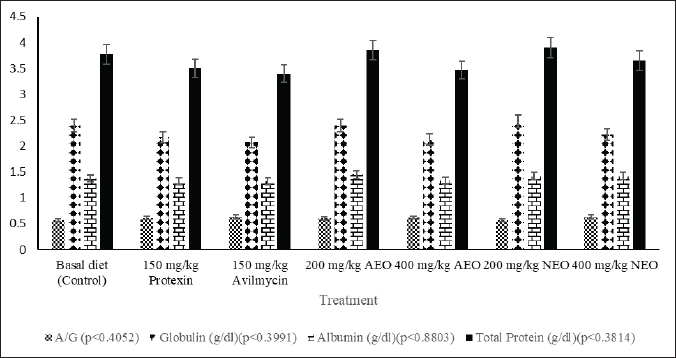
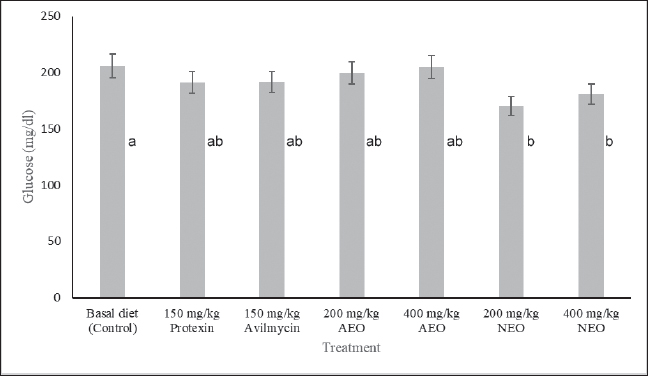
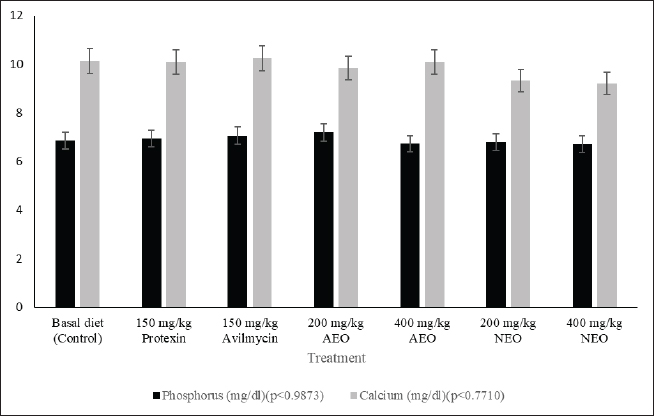
Fig. 2. Effects of treatments on the FCR of Arian broiler chicks over the entire period (1–42 days). a,b,c,d Means within the same column with different superscripts differ significantly (p < 0.05). AEO: Asparagus essential oil, NEO: Nettle essential oil. Biochemical parameters of bloodFigure 3 summarizes the effects of treatments on the biochemical parameters of the blood in broilers. Supplementation with 200 mg/kg of AEO and NEO significantly reduced cholesterol and triglyceride levels. However, no significant differences in cholesterol, triglycerides, HDL, or LDL levels were observed among the treatment groups (p > 0.05). As shown in Figure 4, the total protein, albumin, globulin, and A/G ratio were not affected by the treatments (p > 0.05). According to Figure 5, blood glucose levels were significantly affected by the treatments (p < 0.05).Treatments with 200- and 400-mg/kg NEO resulted in the lowest blood glucose levels, while the control group had the highest. Other experimental groups showed no significant difference compared to the control. As shown in Figure 6, calcium and phosphorus levels were not significantly altered (p > 0.05), although the antibiotic treatment had the highest calcium levels, and the 400-mg/kg NEO treatment had the lowest. Similarly, phosphorus levels were highest in the probiotic treatment and lowest in the 400-mg/kg NEO group.
Fig. 3. Effects of treatments on the biochemical parameters of the blood of Arian broiler chicks at 42 days. AEO: Asparagus essential oil, NEO: Nettle essential oil.
Fig. 4. Effects of treatments on A/G, globulin, albumin, and total protein of Arian broiler chicks at 42 days. AEO: Asparagus essential oil, NEO: Nettle essential oil.
Fig. 5. Effects of treatments on the blood glucose of Arian broiler chicks in the whole period (1–42 days). a,b,c,d Means within the same column with different superscripts differ significantly (p < 0.05). AEO: Asparagus essential oil, NEO: Nettle essential oil.
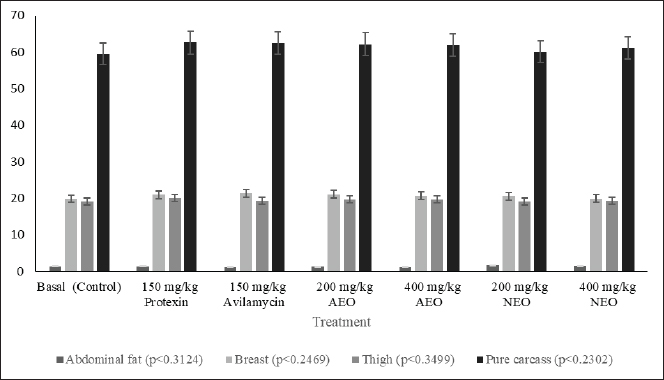
Fig. 6. Effects of treatments on blood phosphorus and calcium levels of Arian broiler chicks over the whole period (1–42 days). AEO: Asparagus essential oil, NEO: Nettle essential oil; A/G: Albumin to Globulin. Carcass traitsFigure 7 shows the comparison of the mean relative carcass weight and its components, including thighs, breast, and abdominal fat, across the experimental treatments. No significant differences in relative carcass weight or its components were observed among the treatment groups (p > 0.05). In this study, the mean weights of the thighs and breasts were higher in groups supplemented with NEO and AEO than in the control group. However, the difference was not statistically significant.
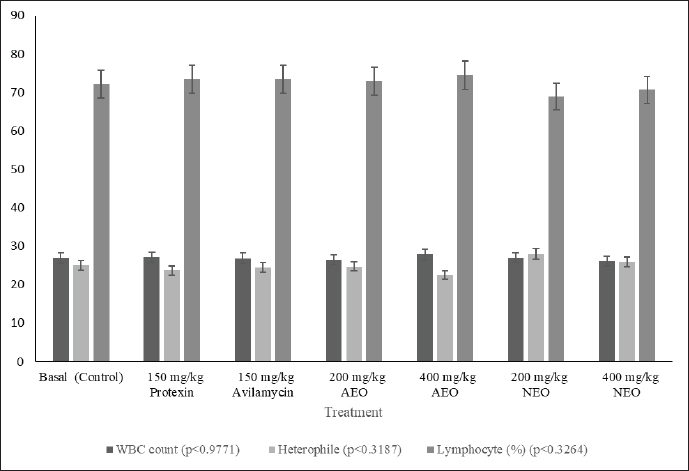
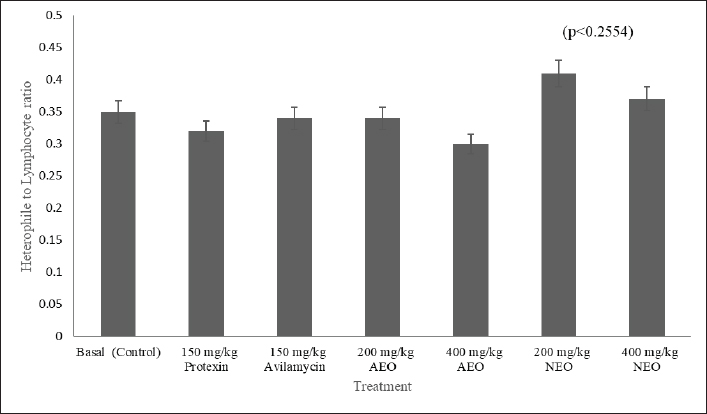
Fig. 7. Effects of treatments on carcass characteristics of Arian broiler chicks at 42 days (as percentage of live body weight). AEO: Asparagus essential oil, NEO: Nettle essential oil. Immune system parametersFigures 8 and 9 show the effects of treatments on the immune system parameters of Arian broiler chicks. The WBC count, ranging from 26.10 to 27.15, showed no significant differences across groups, including the basal diet (control) at 27.00. Heterophile percentages varied from 22.50% to 28.00%, with the control at 25.00%. Lymphocyte percentages ranged from 69.00% to 74.50%, with the control at 72.25%, both exhibiting no significant variation. The heterophile-to-lymphocyte ratio, spanning 0.30–0.41 with the control at 0.35, also showed no significant differences, indicating that treatments such as 150-mg/kg protexin, 150-mg/kg avilamycin, and varying levels of AEO and NEO did not markedly alter these immune parameters.
Fig. 8. Effects of treatments on WBC count, heterophile count, and Lymphocyte count of Arian broiler chicks at 42 days. AEO: Asparagus essential oil, NEO: Nettle essential oil, WBC: (number in ×109 microliters).
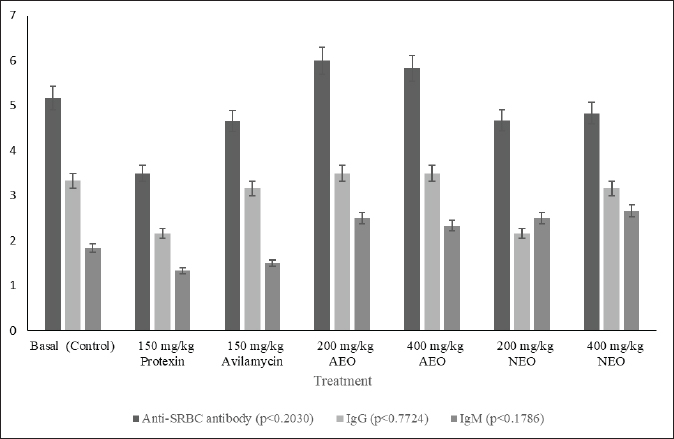
Fig. 9. Effects of treatments on the heterophile-to-lymphocyte ratio of Arian broiler chicks at 42 days. AEO: Asparagus essential oil, NEO: Nettle essential oil. Anti-SRBC antibody titer and immunoglobulin levelsFig. 10 shows the effects of treatments on anti-SRBC antibody titer and IgG and IgM levels in Arian broiler chicks. Anti-SRBC antibody titer showed no significant differences among treatments. The basal diet (control) recorded a titer of 5.17, whereas diets with 150-mg/kg protexin, 150-mg/kg avilamycin, 200-mg/kg AEO, 400-mg/kg AEO, 200-mg/kg NEO, and 400-mg/ kg NEO had titers of 3.50, 4.66, 6.00, 5.83, 4.67, and 4.83, respectively. IgG levels ranged from 2.16 to 3.50 with no significant variation, with the control group at 3.33 and the other groups at 2.16 (protexin and 200-mg/kg NEO), 3.16 (avilamycin and 400-mg/kg NEO), 3.50 (200-mg/kg AEO), and 3.50 (400-mg/kg AEO). IgM levels varied from 1.33 to 2.66, showing no significant differences, with the control at 1.83 and other groups at 1.33 (protexin), 1.50 (avilamycin), 2.50 (200-mg/kg AEO), 2.33 (400-mg/kg AEO), 2.66 (200-mg/kg NEO), and 2.50 (400-mg/kg NEO).
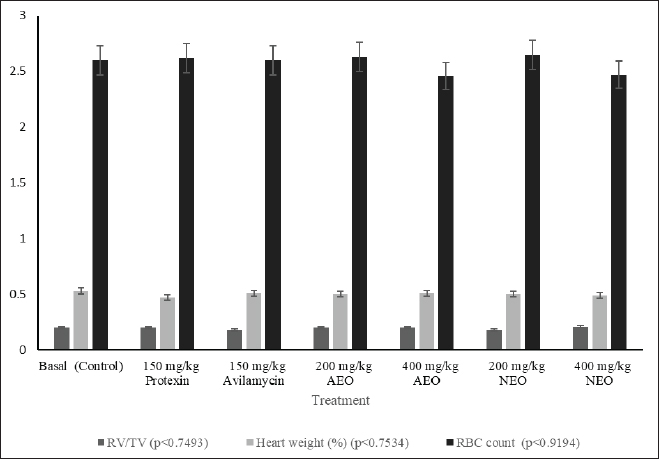
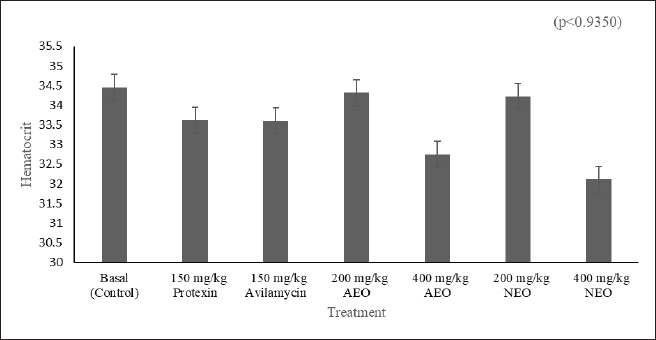
Fig. 10. Effects of different treatments on anti-SRBC antibody titer and immunoglobulins of Arian broiler chicks. AEO: Asparagus essential oil, NEO: Nettle essential oil, SRBC: Sheep RBC. RBC count, hematocrit, heart weight, and the ratio of the right ventricular to total ventriclesFigures 11 and 12 show the effects of treatments on the RBC count, hematocrit, heart weight, and ratio of the right ventricular to total ventricles in Arian broiler chicks. No significant differences were found in RBC count (2.46–2.65, p=0.9194), hematocrit heart weight, or ventricular ratio across treatments, including the basal diet (control) and groups with 150-mg/kg protexin, 150-mg/kg avilamycin, 200- or 400-mg/kg AEO, and 200- or 400-mg/kg NEO.
Fig. 11. Effects of different treatments on the RBC count, RV/TV, and heart weight of Arian broiler chicks at 42 days of age. AEO: Asparagus essential oil, NEO: Nettle essential oil; RBC count (number in ×106 microliters) ; RV/TV: Right ventricular to total ventricles ratio.
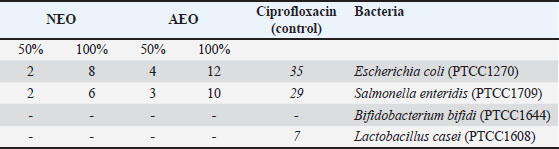
Fig. 12. Effects of different treatments on the hematocrit of Arian broiler chicks at 42 days. AEO: Asparagus essential oil, NEO: Nettle essential oil. Determination of the antimicrobial susceptibility of essential oils using the disk diffusion methodThe in vitro antibacterial activity of essential oils from A. officinalis (asparagus) and U. dioica (nettle), assessed via the disk diffusion method, demonstrated moderate selective inhibition against pathogenic enteric bacteria while sparing beneficial gut probiotics (Table 4). For Escherichia coli (PTCC 1270), AEO at 100% concentration produced a 12-mm inhibition zone, reducing to 4 mm at 50%, whereas NEO yielded 8 mm at 100% and 2 mm at 50%. Against S. enteritidis (PTCC 1709), AEO showed a 10-mm zone at 100% (dropping to 3 mm at 50%), and NEO exhibited 6 mm at 100% and 2 mm at 50%. On the contrary, no inhibition zones were observed for either essential oil at any concentration against the probiotic strains Bifidobacterium bifidum (PTCC 1644) or Lactobacillus casei (PTCC 1608) (Table 4). The control antibiotic ciprofloxacin displayed strong activity (35 and 29 mm for E. coli and 29 mm for Salmonella) but also mildly inhibited L. casei (7 mm). Table 4. In vitro antibacterial activity of AEO and U. dioica essential oils against selected bacteria using the disk diffusion method.
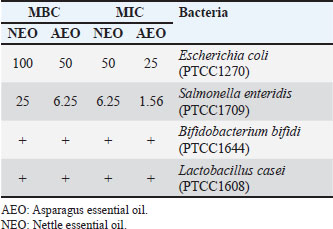
Antimicrobial susceptibility of AEO and NEO was determined using the MIC and MBC methodsTable 5 presents the MIC and MBC of AEO and NEO, respectively. The MIC for E. coli (PTCC1270) was 2.5% for AEO and 50% for NEO, with MBC values of 50% and 100%, respectively. For Salmonella enterica (PTCC1709), the MICs were 1.56% for AEO and 6.25% for NEO, with MBC values of 6.25% and 25%, respectively. No inhibitory or bactericidal effects were observed for B. bifidi (PTCC1644) or L. casei (PTCC1608) with either oil, as both MIC and MBC were recorded as "+". Table 5. Determination of MIC and MBC of essential oils from Asparagus officinalis and U. dioica against selected bacteria.
DiscussionNo significant differences were observed in BWG among treatments. Feed intake (days 1–42) was significantly lower in the 400-mg/kg AEO and NEO groups and higher in the 150-mg/kg avilamycin group. FCR was highest in the control and improved in the 200- and 400-mg/kg NEO and AEO treatments. These findings suggest that dietary additives may modulate physiological functions beyond providing nutrients, likely due to their antimicrobial properties and influence on gut microbiota. Previous studies have shown that nettle and asparagus have varied effects on broiler performance. Khosravi et al. (2008) and Mansoub and Mohammadnezhady (2011) reported no significant BWG improvement with 0.1% and 1.5% nettle extract, respectively, which is consistent with the BWG results of the current study. However, Safamehr et al. (2012) observed significant BWG improvement with 1% nettle extract, and Rekhate et al. (2010) and Mane et al. (2012) noted enhanced BWG with 1% asparagus powder, which contrasts with the present findings. These discrepancies may stem from differences in additive composition, dosage, or experimental conditions, as the efficacy of growth promoters often depends on their antimicrobial effects and affects digestive flora (Griggs and Jacob, 2005; Grashorn, 2010). Regarding FI, Khosravi et al. (2008) found no effect with 0.1% nettle extract, and Safamehr et al. (2012) reported no significant impact with 0.5%–2% nettle, consistent with the current study’s findings for certain treatments. On the contrary, Mansoub and Mohammadnezhady (2011) and Mane et al. (2012) observed improved FI with nettle, thyme, garlic, and 1% asparagus powder, which partially aligns with the current results. Goldansaz et al. (2020) suggested that plant extracts enhance digestion and absorption, potentially reducing FI by efficiently meeting energy needs (National Research Council, 1994). However, Zhang et al. (2005) and Obeidat et al. (2024) found no consistent effect of essential oils on FI, highlighting the variability due to oil source, bird breed, age, and management conditions. For FCR, the current study’s improvements with NEO and AEO align with Mansoub (2011a,b), who attributed better FCR with 2% nettle to enhanced digestibility and enzyme secretion. However, Mansoub and Mohammadnezhady (2011) and Mane et al. (2012) reported no significant changes in FCR with 1.5% nettle and 1% asparagus powder, respectively, consistent with the present findings. On the contrary, Rekhate et al. (2010) observed significant improvements in FCR with asparagus powder, which differs from the results of this study. Safamehr et al. (2012) and De Jong and van Riel (2019) found no enhancement of the FCR with nettle, which supports some current results. Variations in plant varieties, broiler strains, farm management, and cultivation practices are likely to contribute to these differences (Kwiecien and Mieczan, 2009). The antimicrobial properties and digestive enzyme stimulation of EOs likely drive the observed FCR improvements in this study. Supplementation with 200-mg/kg AEO and NEO significantly reduced blood cholesterol and triglyceride levels, although no significant differences were observed among treatments for cholesterol, triglycerides, HDL, or LDL. These findings align with those of Khosravi et al. (2008); Rekhate et al. (2010), and Mansoub (2011a,b), who reported no significant effects of nettle extract or asparagus powder on total cholesterol, HDL, LDL, or total lipids in broiler diets. However, Bolokbashi (2007) found that thyme oil increased plasma triglycerides, HDL, and LDL, while Safamehr et al. (2012) and Almutairi et al. (2023) observed significant reductions in blood cholesterol and triglycerides with nettle and other herbs. Variations in herb types, broiler strains, farm management practices, or rearing conditions may have caused these discrepancies (Mansoub, 2011a,b). The lack of significant changes in cholesterol and lipid profiles in this study may be attributed to the additives’ antimicrobial properties, which reduce intestinal bacterial populations, thereby decreasing bile acid degradation and increasing serum cholesterol levels. In addition, higher bile acid concentrations may enhance fat absorption by facilitating mucus formation in the intestine (Botsoglou et al., 2004). Blood serum proteins, primarily albumin and globulin, play a critical role in maintaining osmotic and colloidal pressure in poultry, with albumin being more abundant. Reduced albumin levels, alongside other factors, may predispose birds to ascites syndrome. Safamehr et al. (2012) reported no effect of 0.5%–2% nettle powder on total blood protein, consistent with the current findings. However, Rekhate et al. (2010) observed that 0.5%–1.5% asparagus root powder increased total protein and globulin, but decreased albumin, which contrasts with the findings of this study. Demir et al. (2005) and Abdel-Latif et al. (2013) also found no significant effects of essential oils or herbal supplements on total protein, albumin, or globulin, aligning with the present results. The lack of effect in this study may be attributed to the clean experimental conditions and optimal management, which could limit the observable impact of herbal additives on blood parameters. Blood glucose levels were significantly affected by the treatments, with the lowest values observed in the 200- and 400-mg/kg NEO groups and the highest in the control. Calcium and phosphorus levels were not significantly influenced by the treatments. The antibiotic group showed the highest calcium, while the 400-mg/kg NEO group had the lowest calcium and phosphorus levels. On the contrary, Heydari et al. (2010) and Mansoub and Mohammadnezhady (2011) reported no significant effects of nettle, thyme, garlic, or nettle powder on blood glucose, while Rekhate et al. (2010) found no changes in glucose, calcium, or phosphorus with 0.5%–1.5% asparagus root powder. Khosravi et al. (2009) and Safamehr et al. (2012) also noted no significant glucose changes with 0.1%–2% nettle. The significant glucose reduction observed in the current study with NEO aligns with the findings of Rekhate et al. (2010) but contrasts with those of Heydari et al. (2010) and Mansoub and Mohammadnezhady (2011). These differences may be due to the experimental conditions, such as a sanitized environment and optimal stocking density, which could mask the effects of herbal supplements (Al-Kaisse and Khalel, 2011). Medicinal plants may lower glucose by reducing stress and enhancing glucose uptake in muscle and adipose tissue. The observed improvements in the relative percentages of breast and thigh yields in the groups supplemented with AEO and NEO, which selectively reduce pathogenic microbial populations in the gut while preserving beneficial microflora, may be attributed to their antimicrobial properties. These findings are consistent with those of Heydari et al. (2010), who reported no significant effect of 1.5% nettle supplementation on carcass weight, and Mansoub and Mohammadnezhady (2011), who similarly found no significant impact of 1.5% nettle on carcass traits. Heydari et al. (2010), who evaluated the effects of medicinal plants, including nettle, mahogany, and cactus, on broiler performance, carcass quality, and biochemical parameters, reported comparable results. This reduction can prevent the degradation of amino acids and dietary proteins, allowing better absorption and utilization of amino acids for protein tissue development, particularly in the breast and thighs (Lee et al., 2003). However, Leeson and Summers (2008) noted that carcass component ratios are primarily influenced by bird age and genetic makeup, with diet having a minimal impact. The results showed no significant effects of various feed additives on immune system parameters in Arian broiler chicks, aligning with some studies but contrasting with others in the poultry literature. Our findings are consistent with those of several studies examining probiotics and essential oils in broilers. Awad et al. (2009) similarly found no significant changes in WBC counts or H:L ratios when broilers were supplemented with probiotics, despite improvements in performance parameters. This suggests that immune modulation may not always be reflected in basic hematological measurements. Kabir et al. (2004) reported significant increases in lymphocyte percentages and decreases in H:L ratios with probiotic supplementation in broilers. The discrepancy might be due to differences in probiotic strains, dosages, or environmental challenge levels. However, strain-specific effects may explain the lack of response. Regarding essential oils, our findings of no significant effects from asparagus and nettle oils differ from studies using more commonly researched oils. Bravo et al. (2014) demonstrated that oregano and cinnamon essential oils significantly reduced H:L ratios in broilers under heat stress. The lack of effect in this study might indicate that asparagus and nettle oils have different immune-modulatory properties than other essential oils, or that birds in this study were not under sufficient stress to reveal protective effects. The avilamycin results align with expectations for antibiotic growth promoters, which typically show minimal effects on immune parameters in healthy birds. Lee et al. (2012) similarly found that animal growth promoters (AGPs) primarily affect gut microbiota rather than systemic immune markers. Several factors could explain the lack of significant differences across all treatments. First, the birds may have been raised under optimal conditions with minimal pathogenic challenge, reducing the opportunity to observe immune-enhancing effects. Second, the sampling time captures only a snapshot of dynamic immune parameters that can fluctuate throughout the day. Third, more sensitive immune measures, such as antibody titers, cytokine levels, or lymphocyte proliferation assays, might reveal differences not apparent in basic hematology. The relatively low H:L ratios (0.30–0.41) across all groups suggest the birds were not experiencing significant stress, which could mask potential treatment benefits. Under commercial conditions with higher pathogenic pressure, these additives might show more pronounced effects on immune function. The findings revealed a non-significant difference between anti-SRBC antibody treatments. When compared with the existing literature, our results are partially consistent with prior studies on essential oils and probiotics in poultry. Hashemipour et al. (2013) reported that thymol and carvacrol essential oils significantly increased antibody titers against SRBC in broilers, with effects most pronounced at 200 mg/kg, which is remarkably similar to the optimal AEO dose. The observed dose-dependent response (200-mg/kg AEO > 400-mg/kg AEO) is consistent with the findings of Bozkurt et al. (2012), who noted that higher concentrations of essential oils do not always yield better immune responses. Our probiotic results, showing minimal effects on antibody production, contrast with those of Alizadeh et al. (2017), who demonstrated that Lactobacillus-based probiotics significantly enhanced SRBC antibody responses. However, Talebi et al. (2008) found variable effects depending on the probiotic strain and environmental conditions, which might explain the modest results obtained with Protexin. The lack of significant effects on IgG and IgM levels despite changes in SRBC titers is noteworthy. Toghyani et al. (2010) observed this pattern with medicinal plant extracts, suggesting that specific antibody responses may be more sensitive indicators than total immunoglobulin levels. Similarly, Cross et al. (2007) found that herbal extracts enhanced specific immunity without affecting total immunoglobulin concentrations. The results of avilamycin, showing intermediate effects on SRBC titers (4.66), align with those of Lee et al. (2015), who reported that antibiotic growth promoters can modestly enhance humoral immunity, although typically less effectively than well-selected natural alternatives. Limited research exists on the immune-modulatory effects of NEO in poultry. The moderate enhancement of SRBC titers (4.67–4.83) and the highest IgM levels (2.66 at 200 mg/kg) suggest that nettle may preferentially stimulate early immune responses, which warrants further investigation. This variability is common in immunological studies and has been noted by Dibner et al. (1998) as a challenge in detecting treatment effects. The small sample size may have restricted the ability to identify significant differences in IgG and IgM levels. The timing of blood collection relative to SRBC injection and the age of birds at sampling could significantly influence these results. Most studies showing robust effects sample 7–14 days post-immunization, during the peak of antibody production. These findings suggest that 200 mg/kg of AEO may offer immune-stimulatory benefits comparable to or exceeding those of antibiotic growth promoters, while NEO shows promise for enhancing innate immunity. Further research with larger sample sizes and challenge models would help clarify these effects. Our results showing no significant effects of various feed additives on hematological and cardiac parameters in Arian broilers are consistent with those of several studies examining similar interventions under non-stress conditions. The RBC counts (2.46–2.65 × 10⁶/μl) and hematocrit values (32.12%–34.45%) in our study fall within normal ranges for healthy broilers, as reported by Bounous and Stedman (2000), who established reference values of 2.5–3.5 × 10⁶/μl for RBC and 30%–40% for hematocrit. This suggests that the birds were physiologically normal across all treatment groups. Our findings align with those of Toghyani et al. (2010), who found no significant effects of cinnamon and turmeric essential oils on RBC count or hematocrit in broilers raised under thermoneutral conditions. Similarly, Rahimi et al. (2011) reported that probiotic supplementation did not affect these hematological parameters in unstressed broilers, which is consistent with the results of Protexin. The heart weight percentages (0.47%–0.53%) and right ventricle to total ventricular ratio (RV/TV) values (0.18–0.21) indicate the absence of cardiac stress or pulmonary hypertension syndrome (ascites). Graziani et al. (2020) established that RV/TV ratios below 0.25 indicate normal cardiac function in broilers, whereas ratios above 0.30 suggest RV hypertrophy. Your values are well below this threshold across all treatments, demonstrating good cardiovascular health. Ahmadipour et al. (2015) found that nettle extract could reduce the RV/TV ratio in broilers under cold stress. However, no effect was observed under normal conditions, which mirrors the NEO results. These results suggest that these additives may only exhibit cardiovascular benefits under challenging conditions. The lack of effect of avilamycin on cardiac parameters contrasts with the findings of Owens et al. (2008), who suggested that some antibiotics might influence cardiovascular development. However, our results align with the majority of studies, which show that AGPs have minimal effects on heart development in healthy birds. Although the consistently normal values suggest that any such effects would be clinically insignificant, this variability may mask subtle treatment effects. Our findings reinforce that feed additives primarily influence performance and immunity rather than basic hematological parameters under optimal rearing conditions. The normal cardiac measurements across all groups suggest these additives are safe for cardiovascular development, an important consideration given the broiler industry’s ongoing concerns about metabolic disorders. Our findings demonstrate moderate antimicrobial activity against gram-negative bacteria (E. coli and S. enteridis) with no effect on beneficial gram-positive bacteria (Bifidobacterium and Lactobacillus). This selective antimicrobial pattern is particularly interesting and warrants comparison with the existing literature. The inhibition zones observed for E. coli (12 mm for asparagus oil at 100%) are comparable to those reported by Coimbra et al. (2023), who found that coriander essential oil produced zones of 10–15 mm against E. coli strains. However, the results of this study are lower than those reported for more potent essential oils, such as oregano and thyme, which typically produce zones of 20–30 mm against E. coli (Sakkas and Papadopoulou, 2017). The results for Salmonella species (10 mm for asparagus oil at 100%) align with those of Bajpai et al. (2012), who reported similar inhibition zones (8–12 mm) for various plant essential oils against Salmonella strains. The observed concentration-dependent reduction is consistent with the established antimicrobial patterns of essential oils. The lack of activity against Bifidobacterium and Lactobacillus is particularly noteworthy. This selective toxicity is consistent with the findings of Ouwehand et al. (2010), who demonstrated that certain plant essential oils could inhibit pathogenic bacteria while preserving beneficial gut microbiota. This selectivity could be attributed to differences in cell wall structure and composition between gram-negative pathogens and gram-positive probiotics. The differential activity between asparagus and nettle oils suggests that they have varying chemical compositions. EOs typically exert antimicrobial effects through multiple mechanisms, including membrane disruption, interference with ATP production, and inhibition of cell-wall synthesis (Nazzaro et al., 2013). The higher activity of asparagus oil compared with that of nettle oil might indicate a higher concentration of phenolic compounds or terpenes, which are the primary antimicrobial constituents in essential oils. The concentration-dependent activity follows the typical dose-response patterns for essential oils. The significant reduction in inhibition zones at 50% concentration (from 12 to 4 mm for asparagus against E. coli) suggests that maintaining effective concentrations is crucial for antimicrobial activity. This finding is consistent with that of Hammer et al. (2019), who emphasized the importance of MICs for the efficacy of essential oils. The results showing no activity against beneficial bacteria present an important advantage. Many conventional antimicrobials disrupt the gut microbiota balance, leading to dysbiosis. The selective activity of asparagus and nettle oils could make them valuable alternatives for targeting pathogenic bacteria while preserving beneficial microflora, as suggested by similar findings with other plant EOs (Thapa et al., 2012). The MIC values obtained for AEO against E. coli (2.5%) and S. enteridis (1.56%) indicate moderate to good antimicrobial activity. These values are comparable to those reported by Prabuseenivasan et al. (2006), who reported MIC values ranging from 0.5% to 4% for various plant essential oils against E. coli. However, our results show lower potency compared with highly active essential oils, such as oregano and cinnamon, which typically exhibit MICs below 0.5% against gram-negative bacteria (Burt, 2004). The notably higher MIC values for NEO (50% for E. coli and 6.25% for S. enteridis) suggest relatively weak antimicrobial activity. This aligns with the findings of Gülçin et al. (2004), who reported that nettle extracts generally exhibit modest antimicrobial effects compared with other medicinal plants. The substantial difference in the efficacy of asparagus and nettle oils likely reflects differences in their profiles of bioactive compounds. The MBC/MIC ratios in our study are particularly revealing. For asparagus oil against E. coli, the ratio is 20 (50%/2.5%), whereas it is 4 (6.25%/1.56%) for S. enteridis. According to Pankey and Sabath (2004), an MBC/MIC ratio of ≤4 indicates bactericidal activity, whereas ratios >4 suggest bacteriostatic effects. Asparagus oil is bactericidal against S. enteridis but primarily bacteriostatic against E. coli at lower concentrations. The MBC/MIC ratios for nettle oil are two for E. coli and four for S. enteridis, suggesting bactericidal activity despite the high concentrations required. This pattern differs from findings by Radulović et al. (2013), who reported that many essential oils with high MICs tend to show bacteriostatic rather than bactericidal effects. The complete absence of inhibitory effects on B. bifidi and L. casei is a significant finding. This selective toxicity is consistent with the results reported by Hawrelak et al. (2009), who demonstrated that certain essential oils could target pathogenic bacteria while preserving probiotic species. This selectivity is particularly valuable for potential therapeutic applications, where maintaining a healthy gut microbiota is essential. The mechanism underlying this selectivity likely involves differences in cell membrane composition and efflux pump systems between pathogenic and probiotic bacteria. As noted by Trombetta et al. (2005), gram-positive probiotic bacteria often possess more robust cell walls and different membrane lipid compositions that may confer resistance to certain essential oil components. Results showing S. enteridis as more susceptible to E. coli to asparagus oil (MIC 1.56% vs. 2.5%) contrast with some studies. Friedman et al. (2002) reported that E. coli strains are often more susceptible to plant essential oils than Salmonella species. This variation may be strain-specific or related to the unique composition of AEO, which may contain compounds that are particularly effective against Salmonella. The superior antimicrobial activity of asparagus oil compared to nettle oil suggests fundamental differences in their chemical profiles. Although our study did not include a compositional analysis, the literature indicates that AEO contains various sulfur compounds, terpenes, and phenolic compounds (Alcaide et al., 2023). These compounds are known for their antimicrobial properties, particularly against gram-negative bacteria. The high concentrations required for nettle oil activity (up to 50% MIC) raise questions about practical applications. As noted by Dorman and Deans (2000), essential oils requiring concentrations above 10% for antimicrobial effects may have limited practical utility due to potential sensory impacts and cost considerations. ConclusionThe findings of this study indicate that the addition of NEO and AEO reduces FI, improves the FCR, and lowers blood sugar levels, while also serving as effective alternatives to antibiotic growth promoters in broiler chicken diets. These essential oils, along with growth stimulants such as probiotics and plant extracts, help reduce pathogenic bacteria, maintain intestinal health, and support tissue growth by selectively enhancing healthy microflora. This approach outperforms antibiotics, which also diminish beneficial bacteria and are less effective in maintaining the health of the intestinal mucosa. Despite significantly influencing FI, the study revealed no adverse effects on BWG, FCR, carcass traits, or blood biochemical parameters, including TG, cholesterol, HDL, and LDL, highlighting their potential to enhance broiler performance and health without the associated risks of antibiotics. AEO exhibited moderate to good activity against gram-negative pathogenic bacteria, namely, E. coli (inhibition zone of 12 mm at 100% concentration, MIC 2.5%) and S. enterica (inhibition zone of 10 mm at 100% concentration, MIC 1.56%), with concentration-dependent effects and predominantly bactericidal action against S. enterica (MBC/MIC ratio ≤4). In contrast, NEO exhibited weaker activity (MIC values up to 50% for E. coli). Neither oil exerted any inhibitory or bactericidal effects on beneficial gram-positive probiotic bacteria (B. bifidum and L. casei). AcknowledgmentsThis article is part of a PhD thesis from the Department of Animal Science, Shabestar Branch, Islamic Azad University, Iran. The authors would like to thank the staff of the Animal Science Research Institute (ASRI) for providing the necessary facilities for conducting this research. Conflict of interestThere is no conflict of interest with any person or institute/organization regarding this manuscript. FundingThis project has not received any funding. Authors' contributionH. Fathi: Writing: original draft, investigation, and data curation. Y. Ebrahimnezhad: Project administration, formal analysis, validation, methodology, conceptualization. H. Sadeghipanah: Writing, editing, methodology, conceptualization. SA Hosseini: Data curation. J. Shayegh: Methodology Data availabilityThe datasets generated and analyzed during the current study are available upon reasonable request from the corresponding author. ReferencesAbd El-Hack, M.E., Alagawany, M., Abdel-Moneim, A.E., Mohammed, N.G., Khafaga, A.F., Bin-Jumah, M., Othman, S.I., Allam, A.A. and Elnesr, S.S. 2020. Cinnamon (Cinnamomum zeylanicum) oil as a potential alternative to antibiotics in poultry. Antibiotics (Basel) 9, 210; doi:10.3390/antibiotics9050210 Abdel-Latif, A.S., Saleh, N.S., Allam, T.S. and Ghazy, E.W. 2013. The effects of Rosemary (Rosemarinus officinalis) and Garlic (Allium sativum) essential oils on performance, hematological, biochemical and immunological parameters of broiler chickens. Br. J. Poult. Sci. 2, 16–24. Ahmadipour, B., Hassanpour, H., Asadi, E., Khajali, F., Rafiei, F. and Khajali, F. 2015. Kelussia odoratissima Mozzaf - a promising medicinal herb to prevent pulmonary hypertension in broiler chickens reared at high altitude. J. Ethnopharmacol. 159, 49–54; doi:10.1016/j.jep.2014.10.043 Alagawany, M., Elnesr, S.S., Farag, M.R., Abd El-hack, M.E., Barkat, R.A., Gabr, A.A., Foda, M.A., Noreldin, A.E., Khafaga, A.F., El-Sabrout, K., Elwan, H.A.M., Tiwari, R., Yatoo, M.I., Michalak, I., Di Cerbo, A. and Dhama, K. 2021. Potential role of important nutraceuticals in poultry performance and health - a comprehensive review. Res. Vet. Sci. 137, 9–29; doi:10.1016/j.rvsc.2021.04.009 Alcaide, I.V., Hamdi, A., Guilleín-Bejarano, R., Jiménez-Araujo, A. and Rodríguez-Arcos, R. 2023. Sustainable valorization of co-products from asparagus cultivation by obtaining bioactive compounds. Front. Plant Sci. 13(14), 1199436; doi:10.3389/fpls.2023.1199436 Alizadeh, M., Munyaka, P., Yitbarek, A., Echeverry, H. and Rodriguez-Lecompte, J.C. 2017. Maternal antibody decay and antibody-mediated immune responses in chicken pullets fed prebiotics and synbiotics. Poult. Sci. 96, 58–64; doi:10.3382/ps/pew244 Al-Kaisse, G.A.M. and Khalel, E.K. 2011. The potency of Chamomile flowers (Matricaria chamomilla L.) as feed supplements (growth promoters) on productive performance and hematological parameters constituents of broiler. Int. J. Poult. Sci. 10, 726–729. Almutairi, A.A., Ahmed, W.E., Algonaiman, R., Alhomaid, R.M., Almujaydil, M.S., Althwab, S.A., Elhassan, A.E.M. and Mousa, H.M. 2023. Hypolipidemic, hypoglycemic, and ameliorative effects of boiled Parsley (Petroselinum crispum) and Mallow (Corchorus olitorius) leaf extracts in high-fat diet-fed rats. Foods 12, 4303; doi:10.3390/foods12234303 Andrews, J.M. 2001. Determination of minimum inhibitory concentrations. J. Antimicrob. Chemother. 48(Suppl. 1), 5–16. Assan, N.G. 2014. Small holder livestock production, improvement and conservation in Africa. Sci. J. Pure. Appl. Sci. 3, 823–826. Awad, W.A., Ghareeb, K., Abdel-Raheem, S. and Böhm, J. 2009. Effects of dietary inclusion of probiotic and synbiotic on growth performance, organ weights, and intestinal histomorphology of broiler chickens. Poult. Sci. 88, 49–56. Bajpai, V.K., Baek, K.H. and Kang, S.C. 2012. Control of Salmonella in foods by using essential oils: a review. Food. Res. Int. 45, 722–734; doi:10.1016/j.foodres.2011.04.052 Bala, A.A., Mohammed, M., Umar, S., Ungogo, M.A., Hassan, M.A.K., Abdussalam, U.S., Ahmad, M.H., Ishaq, D.U., Mana, D., Sha’Aban, A., Jatau, A.I., Jibril, M., Kurfi, B., Raji, I., Malami, S., Michael, G.C. and Chedi, B.Z.A. 2022. Preclinical efficacy of African medicinal plants used in the treatment of snakebite envenoming: a systematic review protocol. Ther. Adv. Infect. Dis. 9, 20499361211072644; doi:10.1177/20499361211072644 Benjamin, M.M. 1978. Outline of veterinary clinical pathology. Ames, IA: Iowa State University Press. Bolokbashi, N.A. 2007. Effect of dietary Thyme (Thymus vulgaris d.) on laying hens' performance and Escherichia coli (E. coli) concentration in feces. Int. J. Nat. Eng. Sci. 104, 55–58. Bosetti, G.E., Griebler, L., Aniecevski, E., Facchi, C.S., Baggio, C., Rossatto, G., Leite, F., Valentini, F.D.A., Santo, A.D., Pagnussatt, H., Boiago, M.M. and Petrolli, T.G. 2020. Microencapsulated carvacrol and cinnamaldehyde replace growth-promoting antibiotics: effect on performance and meat quality in broiler chickens. Acad. Bras. Cienc. 92, e20200343; doi:10.1590/0001-3765202020200343 Botsoglou, N.A., Christaki, E., Florou-Paneri, P., Giannenas, I., Papageorgiou, G. and Spais, A.B. 2004. The effect of a mixture of herbal essential oils or alpha-tocopheryl acetate on performance parameters and oxidation of body lipid in broilers. S. Afr. J. Anim. Sci. 34, 52–61. Bounous, D.I. and Stedman. 2000. Normal avian hematology: chicken and turkey. In Schalm´s veterinary hematology, 5th ed. Eds., Feldman, B.F., Zinkl, J.G. and Jain. Philadelphia, PA: Lippincott, Williams and Wilkins, pp: 1147–1154. Bourgeois, C., Leclerc, E.A., Corbin, C., Doussot, J., Serrano, V., Vanier, J.R., Seigneuret, J.M., Auguin, D., Pichon, C., Lainé, E. and Hano, C. 2016. Nettle (Urtica dioica L.) as a source of antioxidant and anti-aging phytochemicals for cosmetic applications. Comp. Rendus Chim. 19, 1090–1100. Bravo, D., Pirgozliev, V. and Rose, S.P. 2014. A mixture of carvacrol, cinnamaldehyde, and capsicum oleoresin improves energy utilization and growth performance of broiler chickens fed maize-based diet. J. Anim. Sci. 92, 1531–1536. Burt, S. 2004. Essential oils: their antibacterial properties and potential applications in foods. Int. J. Food Microbiol. 94, 223–253. Bozkurt, M., Küçükyilmaz, K., Çatli, A.U., Çinar, M., Çabuk, M. and Alçiçek, A. 2012. Effects of administering an essential oil mixture and an organic acid blend separately and combined to diets on broiler performance. Eur. Poult. Sci. 76(2), 81–87. Coimbra, A., Miguel, S., Ribeiro, M., Coutinho, P., Silva, L.A., Ferreira, S. and Duarte, A.P. 2023. Chemical composition, antioxidant, and antimicrobial activities of six commercial essential oils. Lett. Appl. Microbiol. 76(1), 42; doi:10.1093/lambio/ovac042 Cross, D.E., Mcdevitt, R.M., Hillman, K. and Acamovic, T. 2007. The effect of herbs and their associated essential oils on performance, dietary digestibility and gut microflora in chickens from 7 to 28 days of age. Br. Poult. Sci. 48, 496–506. De Jong, I.C. and Van Riel, J.W. 2020. Relative contribution of production chain phases to health and performance of broiler chickens: a field study. Poult. Sci. 99, 179–188; doi:10.3382/ps/pez562 Delhanty, J.J. and Solomon, J.B. 1966. The nature of antibodies to goat erythrocytes in the developing chicken. Immunology 11, 103–113. Demir, E., Sarica, S., Ozcan, M.A. and Suicmez, M. 2005. The use of natural feed additives as alternative to an antibiotic growth promoter in broiler diets. Archiv Für Geflügelkunde 69, 110–116. Dhama, K., Latheef, S.K., Mani, S., Samad, H.A., Karthik, K., Tiwari, R., Khan, R.U., Alagawany, M., Farag, M.R., Alam, G.M., Laudadio, V. and Tufarelli, V. 2015. Multiple beneficial applications and modes of action of herbs in poultry health and production - a review. Int. J. Pharmacol. 11, 152–176. Dibner, J.J., Knight, C.D., Kitchell, M.L., Atwell, C.A., Downs, A.C. and Ivey, F.J. 1998. Early feeding and development of the immune system in neonatal poultry. J. Appl. Poult. Res. 7(4), 425–436. Dorman, H.J.D. and Deans, S.G. 2000. Antimicrobial agents from plants: antibacterial activity of plant volatileoils. J. Appl. Microbiol. 88, 308–316. Esmaillzadeh, A., Tahbaz, F., Gaieni, I., Alavi-Majd, H. and Azadbakht, L. 2006. Cholesterol-lowering effect of concentrated pomegranate juice consumption in type II diabetic patients with hyperlipidemia. Int. J. Vitam. Nutr. Res. 76, 147–151; doi:10.1024/0300-9831.76.3.147 Friedman, M., Henika, P.R. and Mandrell, R.E. 2002. Bactericidal activities of plant essential oils and some of their isolated constituents against Campylobacter jejuni, Escherichia coli, Listeria monocytogenes, and Salmonella enterica. J. Agric. Food Chem. 65(10), 1545–1560; doi:10.4315/0362-028x-65.10.1545 Fuerst-Wilmes, M. and Sahl, H.G. 2023. Determination of bacterial membrane impairment by antimicrobial agents. Methods Mol. Biol. 2601, 271–281; doi:10.1007/978-1-0716-2855-3_14 Gaikwad, D.S., Manwar, S.J., Nage, S.P., Chavan, S.D., Jadhav, D.B. and Wade, M.R. 2014. Effect of supplementation of shatavari root and amla fruit powder on performance of broilers. Indian J. Poultry Sci. 49, 334–335. Ghasemi, H.A., Taherpour, K., Hajkhodadadi, I. and Akhavan-Salamat, H. 2014. Comparative effects of Nettle (Urtica dioica) and commercial feed additives on productive performance and blood lipid profile of broiler chickens. J. Anim. Sci. Adv. 4, 633–640. Ghasemi-Sadabadi, M., Ebrahimnezhad, Y., Shaddel-Tili, A., Bannapour-Ghaffari, V., Kozehgari, H. and Didehvar, M. 2019. The effects of fermented milk products (kefir and yogurt) and probiotic on performance, carcass characteristics, blood parameters, and gut microbial population in broiler chickens. Arch. Anim. Breed. 62(1), 361–374. Ghasemi-Sadabadi, M., Veldkamp, T., Van Krimpen, M., Ebrahimnezhad, Y., Ghalehkandi, J.G., Salehi, A., Didehvar, M., Khodaei, M. and Mehdizadeh, A. 2020. Determining tolerance of Japanese quail to different dietary fat peroxidation values by supplementation with rosemary and aloe vera on performance and meat quality. Anim. Feed Sci. Technol. 267, 114574; doi:10.1016/j.anifeedsci.2020.114574 Goldansaz, S.A., Markus, S., Berjanskii, M., Rout, M., Guo, A.C., Wang, Z., Plastow, G. and Wishart, D.S. 2020. Candidate serum metabolite biomarkers of residual feed intake and carcass merit in sheep. J. Anim. Sci. 98, 298; doi:10.1093/jas/skaa298 Grashorn, M. 2010. Use of phytobiotics in broiler nutrition an alternative to in feed antibiotics. J. Anim. Feed Sci. 19, 338–347. Graziani, F., Lillo, R., Panaioli, E., Pieroni, M., Camporeale, A., Verrecchia, E., Sicignano, L.L., Manna, R., Lombardo, A., Lanza, G.A. and Crea, F. 2020. Prognostic significance of right ventricular hypertrophy and systolic function in Anderson-Fabry disease. ESC. Heart Fail. 7, 1605–1614; doi:10.1002/ehf2.12712 Griggs, J.P. and Jacob, J.P. 2005. Alternatives to antibiotics for organic poultry production. J. Appl. Poult. Res. 14, 750–756. Gülçin, I., Küfrevioglu, O.I., Oktay, M. and Büyükokuroglu, M.E. 2004. Antioxidant, antimicrobial, antiulcer and analgesic activities of Nettle. J. Ethnopharmacol. 90, 205–215; doi:10.1016/j.jep.2003.09.028 Gwozdzinski, K., Pieniazek, A. and Gwozdzinski, L. 2021. Reactive oxygen species and their involvement in red blood cell damage in chronic kidney disease. Oxid. Med. Cell. Longev. 2021, 6639199; doi:10.1155/2021/6639199 Hafeez, A., Manner, K., Schieder, C. and Zentek, J. 2016. Effect of supplementation of phytogenic feed additives (powdered vs. encapsulated) on performance and nutrient digestibility in broiler chickens. Poult. Sci. 95, 622–629. Hammer, T.J., Sanders, J.G. and Fierer, N. 2019. Not all animals need a microbiome. FEMS Microbiol. Lett. 366(10), fnz117. Hashemi, S.M., Soleimanifar, A., Sharifi, S.D. and Vakili, N. 2018. Growth promoting effects of dried Nettle extracts and its impact on hematology and antibody titer in broiler chickens. Int. J. Anim. Sci. 2, 10–16. Hashemipour, H., Kermanshahi, H., Golian, A. and Veldkamp, T. 2013. Effect of thymol and carvacrol feed supplementation on performance, antioxidant enzyme activities, fatty acid composition, digestive enzyme activities, and immune response in broiler chickens. Poult. Sci. 92(8), 2059–2069. Hawrelak, J.A., Cattley, T. and Myers, S.P. 2009. Essential oils in the treatment of intestinal dysbiosis. Altern. Med. Rev. 14, 380–384. Heydari, A., Nobakht, A., Safamehr, A. and Mahdavi, S. 2010. Evaluation of the effects of using Nettle, mint and thyme on yield, carcass traits and biochemical parameters and blood cells in broilers. J. Vet. Med. Islamic Azad Univ. Tabriz Branch 4, 923–932. Hong, J.C., Steiner, T., Aufy, A. and Lien, T.F. 2012. Effects of supplemental essential oil on growth performance, lipid metabolites and immunity, intestinal characteristics, microbiota and carcass traits in broilers. Livest. Sci. 144, 253–262. Jaderi, N., Nobakht, A. and Mehmannavaz, Y. 2011. Effect of using medicinal plants of Satureja, Ziziphora and Nettle and their various mixtures on performance, egg quality and blood parameters and immune system of laying hens. J. Med. Plants. 27, 11–24. Kabir, S.M.L., Rahman, M.M., Rahman, M.B. and Rahman, M.M., Ahmed S.U. 2004. The dynamics of probiotics on growth performance and immune response in broilers. Int. J. Poult. Sci. 3, 361–364. Kadhim, E.J. and Salah, Z. 2014. Phytochemical investigation & antibacterial activity of the essential oils from two species of Asparagus (Asparagus officinalis & Asparagus sprengeri) family liliaceae cultivated in Iraq. Int. J. Compr. Pharm. 3, 1–4. Keshavarz, M., Rezaeipour, V. and Asadzadeh, S. 2014. Growth performance, blood metabolites, antioxidant stability and carcass characteristics of broiler chickens fed diets containing Nettle (Urtica dioica L.) powder or essential oil. Int. J. Adv. Biol. Biomed. Res. 2, 2553–2561. Kewan, A., Saneyasu, T., Kamisoyama, H. and Honda, K. 2021. Effects of fasting and re-feeding on the expression of CCK, PYY, hypothalamic neuropeptides, and IGF-related genes in layer and broiler chicks. Comp. Biochem. Physiol. A Mol. Integr. Physiol. 257, 110940. Kheiri, F., Faghani, M. and Landy, N. 2018. Evaluation of thyme and ajwain as antibiotic growth promoter substitutions on growth performance, carcass characteristics and serum biochemistry in Japanese quails. Anim. Nutr. 4, 79–83. Khosravi, A., Beldachi, F., Dastar, B. and Hasani, S. 2009. Investigation the possibility of using nettle extract and propionic acid as suitable alternatives to antibiotic growth promoters in broiler chickens diets. Anim. Sci. J. 22(2), 59–66. Khosravi, A., Boldaji, F., Dastar, B. and Hassani, S. 2008. The use of some feed additives as growth promoter in broilers nutrition. Poult. Sci. 7, 1095–1099. Kwiecien, M.G. and Mieczan, W.A. 2009. Effect of addition of herbs on body weight and assessment of physical and chemical alterations in the tibia bones of broiler chickens. J. Elementol. 14, 121–128. Lee, K.W., Everts, H., Kappert, H.J., Frehner, M., Losa, R. and Beynen, A.C. 2003. Effects of dietary essential oil components on growth performance, digestive enzymes and lipid metabolism in female broiler chickens. Br. Poult. Sci. 44, 450–457. Lee, K.W., Kim, D.K., Lillehoj, H.S., Jang, S.I. and Lee, S.H. 2015. Immune modulation by Bacillus subtilis-based direct-fed microbials in commercial broiler chickens. Anim. Feed Sci. Technol. 200, 76–85. Lee, K.W., Li, G., Lillehoj, H.S., Lee, S.H., Jang, S.I., Babu, U.S., Lillehoj, E.P., Neumann, A.P. and Siragusa, G.R. 2012. Bacillus subtilis-based directfed microbials augment macrophage function in broiler chickens. Res. Vet. Sci. 91, e87–e91. Leeson, S. and Summers, J.D. 2008. Commercial poultry nutrition, 3rd ed. Nottingham, UK: Nottingham University Press, pp: 233–235. Mane, A.G., Kulkarni, A.N., Korake, R.L. and Bhutkar, S.S. 2012. Effects of supplementation of Ashwagandha (Withania somnifera L.) and Shatavari (Asparagus racemosus L.) on growth performance of broilers. Res. J. Anim. Husb. Dairy. Sci. 3, 94–96. Mansoub, N.H. 2011. Effect of Nettle (Urtica dioica) on performance, quality of eggs and blood parameters of laying hens. Adv. Environ. Biol. 5, 2718–2721. Mansoub, N.H. and Mohammadnezhady, M.A. 2011. The effect of using thyme, garlic and nettle on performance, carcass quality and blood parameters. Ann. Biol. Res. 2, 315–320. Martz, F. and Kankaanpää, S. 2025. Stinging nettle (Urtica dioica) roots: the power underground-a review. Plants (Basel) 14, 279; doi:10.3390/plants14020279 Moula, N., Sadoudi, A., Touazi, L., Leroy, P. and Geda, F. 2019. Effects of stinging Nettle (Urtica dioica) powder on laying performance, egg quality, and serum biochemical parameters of Japanese quails. Anim. Nutr. J. 10(12), 12–25. National Research Council. 1994. Nutrient requirements of poultry, 9th ed. Washington, DC: National Academy Press. Natt, M.P. and Herrick, C.A. 1952. A new blood diluents for counting the erythrocytes and leucocytes of the chicken. Poult. Sci. 31, 735–738; doi:10.3382/ps.0310735 Nazzaro, F., Fratianni, F., De Martino, L., Coppola, R. and De Feo, V. 2013. Effect of essential oils on pathogenic bacteria. Pharmaceuticals 6(12), 1451–1474; doi:10.3390/ph6121451 Obeidat, M.D., Alkhateeb, M.E.M., Jawasreh, K.I., Riley, D.G. and Al Sukhni, I.A. 2024. Herbal extract dietary supplementation effect on growth performance and meat quality in broiler raised under two stocking densities. Sci. Rep. 14, 18633; doi:10.1038/s41598-024-68138-8 Ouwehand, A.C., Tiihonen, K., Kettunen, H., Peuranen, S., Schulze, H. and Rautonen, N. 2010. In vitro effects of essential oils on potential probiotic and pathogenic bacteria. Vet. Microbiol. 145, 351–356. Owens, B., Tucker, L., Collins, M.A. and Mccracken, K.J. 2008. Effects of different feed additives alone or in combination on broiler performance, gut microflora and ileal histology. Br. Poult. Sci. 49, 202–212. Pandey, A.K. and Singh, P. 2017. The genus Artemisia: a 2012-2017 literature review on chemical composition, antimicrobial, insecticidal and antioxidant activities of essential oils. Medicines (Basel) 4, 68; doi:10.3390/medicines4030068 Pankey, G.A. and Sabath, L.D. 2004. Clinical relevance of bacteriostatic versus bactericidal mechanisms of action. Clin. Infect. Dis. 38, 864–870. Paraskeuas, V., Fegeros, K., Palamidi, I., Hunger, C. and Mountzouris, K.C. 2017. Growth performance, nutrient digestibility, antioxidant capacity, blood biochemical biomarkers and cytokines expression in broiler chickens fed different phytogenic levels. Anim. Nutr. 3, 114–120. Pinna, A., Donadu, M.G., Usai, D., Dore, S., D'Amico-Ricci, G., Boscia, F. and Zanetti, S. 2020. In vitro antimicrobial activity of a new ophthalmic solution containing povidone-iodine 0.6% (IODIM®). Acta. Ophthalmol. 98(2), e178–e180; doi:10.1111/aos.14243 Pourmozaffar, S., Reverter, M., Jahromi, S.T., Harikrishnan, R., Pazir, M.K., Barzkar, N., Mozanzadeh, M.T., Sarvi, B., Abolfathi, M., Adeshina, I., Behzadi, S. and Raji, A. 2025. An overview of the biological functions and mechanisms of action of medicinal plants and seaweeds in the shrimp culture. J. Anim. Physiol. Anim. Nutr. (Berl). 109, 291–337; doi:10.1111/jpn.14049 Prabuseenivasan, S., Jayakumar, M. and Ignacimuthu, S. 2006. In vitro antibacterial activity of some plant essential oils. BMC Complement Altern. Med. 6, 39. Radulović, N.S., Randjelović, P.J., Stojanović, N.M., Blagojević, P.D., Stojanović-Radić, Z.Z., Ilić, I.R. and Djordjević, V.B. 2013. Toxic essential oils. Part II: Chemical, toxicological, pharmacological and microbiological profiles of Artemisia annua L. volatiles. Food Chem. Toxicol. 58, 37–49. Rahimi, S., Teymouri Zadeh, Z., Karimi Torshizi, M.A., Omidbaigi, R. and Rokni, H. 2011. Effect of the three herbal extracts on growth performance, immune system, blood factors and intestinal selected bacterial population in broiler chickens. J. Agric. Sci. Technol. 13, 527–539. Rekhate, D.H., Ukey, S., Leena, N. and Deshmukh, B.S. 2010. Effect of dietary supplementation of Shatavari (Asparagus racemosus) on heamatobiochemical parameters of broilers. Vet. World 3, 280–281. Safamehr, A., Mirahmadi, M. and Nobakht, A. 2012. Effect of Nettle (Urtica dioica) medicinal plant on growth performance, immune responses and serum biochemical parameters of broiler chickens. Int. Res. J. Appl. Basic Sci. 3, 721–728. Sakkas, H. and Papadopoulou, C. 2017. Antimicrobial activity of plant essential oils and extracts. Appl. Microbiol. Int. 122, 1253–1267. Salehi, B., Abu-Reidah, I.M., Sharopov, F., Karazhan, N., Sharifi-Rad, J., Akram, M., Daniyal, M., Khan, F.S., Abbaass, W., Zainab, R., Carbone, K., Fahmy, N.M., Al-Sayed, E., El-Shazly, M., Lucarini, M., Durazzo, A., Santini, A., Martorell, M. and Pezzani, R. 2021. Vicia plants-a comprehensive review on chemical composition and phytopharmacology. Phytotherapy. Res. 35, 790–809; doi:10.1002/ptr.6863 SAS Institute. 2005. SAS users guide: statistics, Version 9.12. Cary, NC: SAS Institute Inc. Shashi, K., Nazim, A. and Gulab, C. 2016. Growth performance and hemato biochemical profile in broiler chicken supplemented on Shatavari (Asparagus racemosus) root powder and vitamin E during summer season. Indian J. Anim. Nutr. 33, 340–344. Singh, H., Nazim, A., Singh, R., Kumar, R., Sahu, D.S., Siddique, R.A. and Bharti, M.K. 2018. Effect of different herbal feed additives in live weight of broiler chicken. Int. J. Chem. Stud. 6, 1580–1583. Steel, R.G.D. and Torrie, J.H. 1980. Principles and procedures of statistics: a biometrical approach, 2nd ed. New York, NY: McGraw-Hill Book Co. Tabari, M., Ghazvinian, K., Irani, M. and Molaei, R. 2016. Effects of dietary supplementation of Nettle root extract and Pumpkin seed oil on production traits and intestinal microflora in broiler chickens. Bulg. J. Vet. Med. 19, 108–116. Talebi, A., Amirzadeh, B., Mokhtari, B. and Gahri, H. 2008. Effects of a multi-strain probiotic (PrimaLac) on performance and antibody responses to Newcastle disease virus and infectious bursal disease virus vaccination in broiler chickens. Avian Pathol. 37(5), 509–512. Tekade, S.H., Mode, S.G. and Waghmare, S.P. 2008. Effect of Asparagus racemosus, Sida cordifolia and Levamisole on immunological parameters in experimentally induced immunosuppressed broilers. Vet. World. 1, 49–50. Thapa, D., Losa, R., Zweifel, B. and Wallace, R.J. 2012. Sensitivity of pathogenic and commensal bacteria from the human colon to essential oils. Microbiology 158, 2870–2877. Toghyani, M., Tohidi, M., Gheisari, A.A. and Tabeidian, S.A. 2010. Performance, immunity, serum biochemical and hematological parameters in broiler chicks fed dietary thyme as alternative for an antibiotic growth promoter. Afr. J. Biotechnol. 9(40), 6819–6825. Trombetta, D., Castelli, F., Sarpietro, M.G., Venuti, V., Cristani, M., Daniele, C., Saija, A., Mazzanti, G. and Bisignano, G. 2005. Mechanisms of antibacterial action of three monoterpenes. Antimicrob. Agents Chemother. 49(6), 2474–2478. Zhang, K., Yan, F., Keen, C. and Waldroup, P. 2005. Evaluation of microencapsulated essential oils and organic acids in diets for broiler chickens. Int. J. Poult. Sci. 4, 612–619. | ||

| How to Cite this Article |
| Pubmed Style Fathi H, Ebrahimnezhad Y, Sadeghipanah H, Hosseini SA, Shayegh J. Asparagus (Asparagus officinalis) and Nettle (Urtica dioica) essential oils as potential alternatives to antibiotic growth promoters in broiler chickens: Impacts on performance, carcass characteristics, and blood biochemistry. Open Vet. J.. 2026; 16(6): 3797-3817. doi:10.5455/OVJ.2026.v16.i6.51 Web Style Fathi H, Ebrahimnezhad Y, Sadeghipanah H, Hosseini SA, Shayegh J. Asparagus (Asparagus officinalis) and Nettle (Urtica dioica) essential oils as potential alternatives to antibiotic growth promoters in broiler chickens: Impacts on performance, carcass characteristics, and blood biochemistry. https://www.openveterinaryjournal.com/?mno=303060 [Access: June 26, 2026]. doi:10.5455/OVJ.2026.v16.i6.51 AMA (American Medical Association) Style Fathi H, Ebrahimnezhad Y, Sadeghipanah H, Hosseini SA, Shayegh J. Asparagus (Asparagus officinalis) and Nettle (Urtica dioica) essential oils as potential alternatives to antibiotic growth promoters in broiler chickens: Impacts on performance, carcass characteristics, and blood biochemistry. Open Vet. J.. 2026; 16(6): 3797-3817. doi:10.5455/OVJ.2026.v16.i6.51 Vancouver/ICMJE Style Fathi H, Ebrahimnezhad Y, Sadeghipanah H, Hosseini SA, Shayegh J. Asparagus (Asparagus officinalis) and Nettle (Urtica dioica) essential oils as potential alternatives to antibiotic growth promoters in broiler chickens: Impacts on performance, carcass characteristics, and blood biochemistry. Open Vet. J.. (2026), [cited June 26, 2026]; 16(6): 3797-3817. doi:10.5455/OVJ.2026.v16.i6.51 Harvard Style Fathi, H., Ebrahimnezhad, . Y., Sadeghipanah, . H., Hosseini, . S. A. & Shayegh, . J. (2026) Asparagus (Asparagus officinalis) and Nettle (Urtica dioica) essential oils as potential alternatives to antibiotic growth promoters in broiler chickens: Impacts on performance, carcass characteristics, and blood biochemistry. Open Vet. J., 16 (6), 3797-3817. doi:10.5455/OVJ.2026.v16.i6.51 Turabian Style Fathi, Hassan, Yahya Ebrahimnezhad, Hassan Sadeghipanah, Seyed Abdullah Hosseini, and Jalal Shayegh. 2026. Asparagus (Asparagus officinalis) and Nettle (Urtica dioica) essential oils as potential alternatives to antibiotic growth promoters in broiler chickens: Impacts on performance, carcass characteristics, and blood biochemistry. Open Veterinary Journal, 16 (6), 3797-3817. doi:10.5455/OVJ.2026.v16.i6.51 Chicago Style Fathi, Hassan, Yahya Ebrahimnezhad, Hassan Sadeghipanah, Seyed Abdullah Hosseini, and Jalal Shayegh. "Asparagus (Asparagus officinalis) and Nettle (Urtica dioica) essential oils as potential alternatives to antibiotic growth promoters in broiler chickens: Impacts on performance, carcass characteristics, and blood biochemistry." Open Veterinary Journal 16 (2026), 3797-3817. doi:10.5455/OVJ.2026.v16.i6.51 MLA (The Modern Language Association) Style Fathi, Hassan, Yahya Ebrahimnezhad, Hassan Sadeghipanah, Seyed Abdullah Hosseini, and Jalal Shayegh. "Asparagus (Asparagus officinalis) and Nettle (Urtica dioica) essential oils as potential alternatives to antibiotic growth promoters in broiler chickens: Impacts on performance, carcass characteristics, and blood biochemistry." Open Veterinary Journal 16.6 (2026), 3797-3817. Print. doi:10.5455/OVJ.2026.v16.i6.51 APA (American Psychological Association) Style Fathi, H., Ebrahimnezhad, . Y., Sadeghipanah, . H., Hosseini, . S. A. & Shayegh, . J. (2026) Asparagus (Asparagus officinalis) and Nettle (Urtica dioica) essential oils as potential alternatives to antibiotic growth promoters in broiler chickens: Impacts on performance, carcass characteristics, and blood biochemistry. Open Veterinary Journal, 16 (6), 3797-3817. doi:10.5455/OVJ.2026.v16.i6.51 |


