



| Research Article | ||
Open Vet. J.. 2026; 16(2): 962-972
Open Veterinary Journal, (2026), Vol. 16(2): 962-972 Research Article Bibliometric analysis of pharmacokinetic research on the combination of norfloxacin and tylosin in poultry and reptilesCahyo Wibisono1, Agustina Dwi Wijayanti2*, Dyah Ayu Widiasih3, Ida Tjahajati4, Mohammad Faiz Karimy1,5, Yanse Yane Rumlaklak1,6, Ridha Avicena Ila Salsabila1, Widi Putri Karisma7 and Irvan Irvan71Veterinary Science Doctoral Program, Faculty of Veterinary Medicine, Universitas Gadjah Mada, Yogyakarta, Indonesia 2Department of Pharmacology, Faculty of Veterinary Medicine, Universitas Gadjah Mada, Yogyakarta, Indonesia 3Department of Veterinary Public Health, Faculty of Veterinary Medicine, Universitas Gadjah Mada, Yogyakarta, Indonesia 4Department of Internal Medicine, Faculty of Veterinary Medicine, Universitas Gadjah Mada, Yogyakarta, Indonesia 5Research Center for Food Technology and Processing, National Research and Innovation Agency of Indonesia (BRIN), Jakarta Pusat, Indonesia 6Animal Health Study Program, State Agricultural Polytechnic of Kupang, Kupang, Indonesia 7Master of Animal Science, Faculty of Animal Science, Universitas Gadjah Mada, Yogyakarta, Indonesia *Corresponding Author: Agustina Dwi Wijayanti. Department of Pharmacology, Faculty of Veterinary Medicine, Universitas Gadjah Mada, Yogyakarta, Indonesia. Email: tinabdy [at] ugm.ac.id Submitted: 23/10/2025 Revised: 05/01/2026 Accepted: 19/01/2026 Published: 28/02/2026 © 2026 Open Veterinary Journal
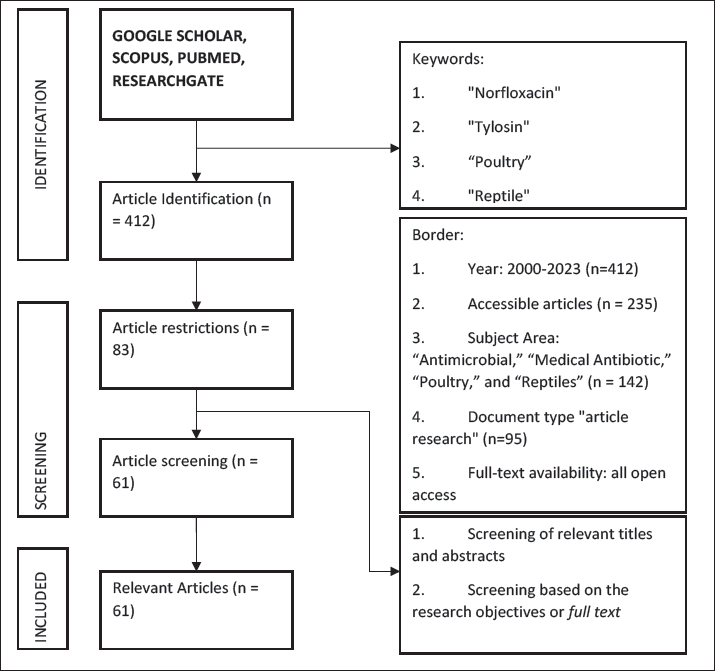
AbstractBackground: Bibliometric analysis is a method for analyzing article data, such as those from books and journals. Pharmacokinetic studies are one way to determine the course of drugs in the body, and the irrational use of drugs, especially antibiotics, will cause antibiotic residues and antimicrobial resistance. Aim: To assess the pharmacokinetic research trends of norfloxacin and tylosin in poultry and reptiles, bibliometric analyses focusing on pharmacokinetics and antimicrobial resistance are necessary, in as much as improper dosage can lead to increased antimicrobial resistance, especially due to the frequent antimicrobial exposure in these species and the potential public health implications of emerging resistance. This is the first bibliometric analysis on this combination in poultry and reptiles that has not been previously studied. Methods: A bibliometric analysis was performed using keywords such as norfloxacin, tylosin, poultry, reptiles, antibiotic residues, antimicrobial resistance, and their combinations. Keywords were recorded in Google Scholar, Scopus, PubMed, and ResearchGate from 2000 to 2023. Visualizing scientific landscapes using VOSviewer version 1.6.20. After a comprehensive review of the entire text, research articles were screened and filtered. Sixty-one research articles were screened in this study. Results: Our analysis indicates that bibliometric analyses of the pharmacokinetic interactions between norfloxacin and tylosin in poultry and reptiles have been performed over the last two decades. Conclusion: The pharmacokinetics of the combination of norfloxacin and tylosin in poultry and reptiles have shown significant developments over the last two decades. Keywords: Bibliometrics analysis, Norfloxacin, Poultry, Reptiles, Tylosin. IntroductionThe use of antibiotics in chicken globally surpasses that of other food-producing animals, with an estimated yearly consumption of 11.3 million kg (Glasgow et al., 2019; Burow et al., 2020). In Indonesia, antibiotics are used as additives in poultry feed to enhance growth and weight gain, increase meat production, and improve feed efficiency; however, improper dosage can lead to increased antimicrobial resistance (Wijayanti et al., 2022). Farmers using high doses of veterinary drugs as growth promoters pose a potential risk to consumers (Singh et al., 2013). Incorporating antimicrobial resistance (AMR) analysis is essential to strengthen the interpretation of pharmacokinetic trends and their broader One Health implications. Reptiles as pet animals have increased in many communities, and this has led to the use of antibiotics when reptiles are sick and not treated directly by veterinarians, thereby contributing to the increase in antimicrobial resistance in reptiles as well (Yazdanpanah et al., 2023). In intensive production systems, reptiles may also undergo prolonged antimicrobial treatment in clinical settings, although poultry, especially chickens and ducks, are often subjected to antimicrobials via therapeutic, metaphylactic, and prophylactic applications. Inadequate comprehension of pharmacokinetics in antimicrobial exposure jeopardizes optimal dose (either subtherapeutic or toxic), potentially resulting in therapeutic failure and fostering the development of AMR. The resistance that develops in microorganisms inside birds and reptiles may disseminate to the environment, other species, and people, making it a significant concern from a One Health standpoint (Wibisono et al., 2024; Wibisono et al., 2025a,b). There is serious consideration of whether the antibiotic residues are present in poultry meat and meat products beyond the permissible limits. Some countries, such as Denmark, Sweden, Norway, and the European Union, have banned the use of antibiotics, including growth promoters, for preventive purposes. The rule that banned antibiotics was adopted in the United States. Food and Drug Administration (Muaz et al., 2018). In Indonesia, the use of antibiotics as growth promoters is strictly regulated according to the Ministry of Agriculture’s 2017 ministerial regulation number 14 regarding veterinary drug classification. Antibiotics are antimicrobial chemicals that either suppress or eradicate bacteria. Although many antibiotics were initially sourced from microorganisms, several contemporary antibiotics are semi-synthetic or entirely synthetic. Depending on their effect on microorganisms, they can be either bacteriostatic or bactericidal and broad- or narrow-spectrum (Papich, 2021; Wijayanti et al., 2024, 2025). Pharmacokinetics study encompasses drug absorption, drug distribution, drug metabolism, and drug excretion and is derived from the Greek words "pharmakon", meaning drug, and "kinetikos", meaning movement (El-Sayed et al., 2014). Pharmacokinetics is beneficial for applying the principles of safe drug administration and determining the appropriate dosage (Aboubakr and Elbadawy, 2017). Norfloxacin and tylosin are broad-spectrum antibiotics that have not been widely used in broiler chicken farms and reptiles to prevent or treat bacterial infections. This combination increases the spectrum of antibacterial activity, which is essential for treating polymicrobial infections. This combination is effective in treating illnesses and crucial for managing antibiotic residues and preventing antimicrobial resistance in poultry and reptiles (Wibisono et al., 2024, 2025). Norfloxacin belongs to the fluoroquinolone group. Norfloxacin's mode of action and spectrum entail the inhibition of bacterial DNA gyrase, a key enzyme in DNA and RNA synthesis. Norfloxacin has bactericidal characteristics and exhibits several actions. Nonetheless, norfloxacin is less active than other novel fluoroquinolones, yet it has benefits in treating bacterial infections in chickens and reptiles, including Escherichia coli, Pasteurella sp., Salmonella sp., and Campylobacter sp. It can stop the replication of bacteria resistant to aminoglycoside antibiotics, folic acid antagonists, beta-lactams, macrolides, and tetracyclines (Al-Mustafa and Al-Ghamdi, 2000; Papich, 2021). Tylosin is a macrolide group that is often used to treat bacterial infections in pigs, dogs, reptiles, and chickens (Poźniak et al., 2020). Tylosin has a spectrum of activity similar to that of erythromycin, working by binding to the 50S ribosome and stopping protein synthesis. Tylosin is often used to treat Mycoplasma gallisepticum, Streptococcus sp., Staphylococcus sp., and Haemophilus sp. bacterial infections in chickens and reptiles (Glasgow et al., 2019; Burow et al., 2020; Wijayanti et al., 2022). Bibliometric analysis is an essential method for systematically mapping scientific publications, allowing researchers to discern research trends, emerging directions, and scientific contributions within a field. In the context of pharmacokinetic studies on the concurrent use of norfloxacin and tylosin in poultry and reptiles, this approach offers a thorough overview of the investigation of these antimicrobials, underscores existing knowledge gaps, and facilitates the formulation of more effective and responsible therapeutic strategies (Page et al., 2021; Maulana et al., 2023). This article will review a research publication on the pharmacokinetics of the norfloxacin-residue combination and antimicrobial resistance in a One Health–relevant context. At the same time, the dataset highlights persisting gaps, particularly the comparatively limited coverage of reptiles and the need for more consistent and comparable reporting of pharmacokinetic parameters to support cross-study synthesis of tylosin in poultry and reptiles. No bibliometric study exists for this combination, and this analysis will help clarify the path that the pharmacokinetics combination of norfloxacin and tylosin research trends in poultry and reptiles will take in the future. Materials and MethodsEthics approval was not required because there were no animal participants in this study. This research collected and analyzed related scientific articles using keywords such as norfloxacin, tylosin, poultry, reptiles, antibiotic residues, antimicrobial resistance, and their combinations. The sample criteria were article research. Data were collected using Google Scholar, Scopus, PubMed, and ResearchGate search engines. The filter used on search engines is the time range, which is the years 2000 to 2023 (Bartolini et al., 2019; Huang et al., 2019). The protocol stage used as a basis or guide is the Preferred Reporting Items for Systematic Reviews and Meta-Analyses Protocol, which consists of identification, screening, and inclusion (Malgwi et al., 2023). The bibliometric analysis procedure starts with determining the research objectives, describing the research question, and developing a search strategy to collect the dataset. This research used bibliometric analysis in this study because it follows comparable techniques, beginning from determining research objectives, formulating research questions, developing search strategies for data collection, and visualizing scientific landscapes using the VOSviewer version 1.6.20, which was invented by Leiden University, the Netherlands. Ethical approvalNot needed for this study. ResultsBased on the search results of articles from Google Scholar, Scopus, PubMed, and ResearchGate databases with the keywords "norfloxacin," OR "tylosin” OR ”Poultry" OR "reptile," AND "antibiotic residue," AND "antimicrobial resistance", 412 articles were obtained, published between 2000 and 2023, consisting of 412 accessible articles.
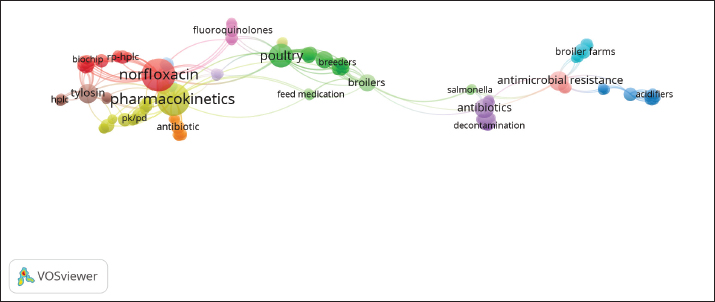
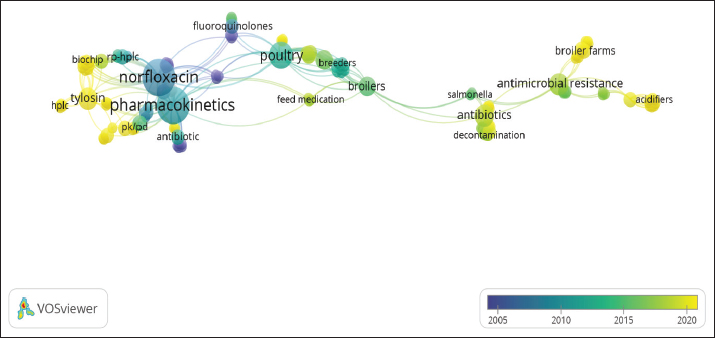
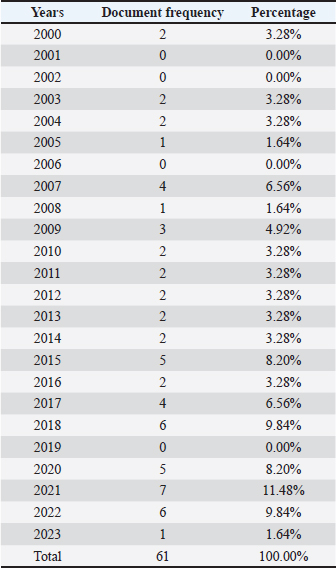
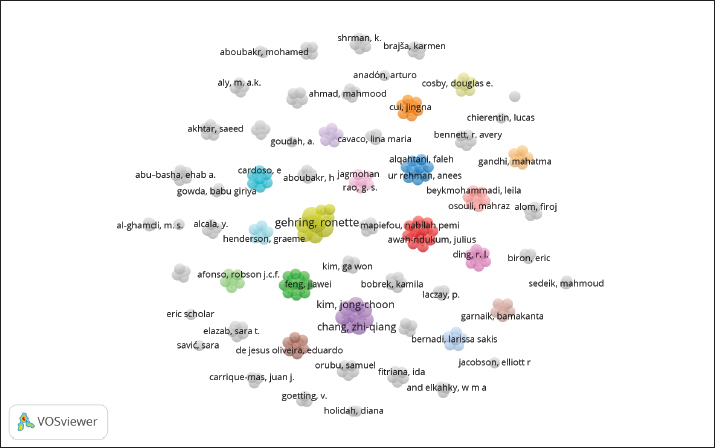
After a comprehensive review of the entire text, research articles were screened and filtered. Of the 412 publications originally discovered, 83 were chosen, and eventually, 61 relevant articles were selected. As a result, 61 out of 412 items were filtered, or approximately 14.8% of the total. Were included in the literature evaluation, as shown in the flowchart in Figure 1. DiscussionThe 61 articles were analyzed using VOSviewer version 1.6.20. Network visualization is used to explore recent developments and previous research. In network visualization, interrelated terms are presented based on previous studies. The visualization consists of 16 clusters. The colors in Figure 2 clearly delineate the phrase clusters, with the biggest node indicating the most impactful term inside the network. VOSviewer improves the clarity of these patterns, and Figure 2 shows the resultant visualization. Figure 2 depicts the keyword associations often found in the scientific literature on antibiotic pharmacokinetics, specifically in livestock animals, such as chickens. Each color cluster signifies a collection of terms that exhibit a robust co-occurrence pattern, reflecting their conceptual and methodological correlation. This text-mining graphic is accompanied by publishing trends derived from 412 papers published between 2000 and 2021. Figure 3 illustrates that the majority of pharmacokinetic studies on norfloxacin and tylosin were published from 2015 to 2020, with the yearly distribution of all articles listed in Table 1. The research on the pharmacokinetics of norfloxacin and tylosin combinations in poultry and reptiles has been growing gradually over the past two decades, starting in 2000 with two publications (Table 1). No publications were recorded from 2001 to 2002 at the beginning of the decade. The publication frequency fluctuated, with two pieces released in 2003 and 2004 and a single article in 2005. However, in 2006, no publications were recorded in 2006. The first significant surge occurred in 2007, with four publications (6.56%) indicating an increase in interest or progress in this field. After 2008, there was only one publication; however, this number increased in 2009 to three publications in 2009. Between 2010 and 2014, two research articles were published each year between 2010 and 2014. However, the number of publications peaked in 2015, with five publications (8.20%), indicating a surge in research interest and focus during that year. Further publication was noted in 2017, which included four publications, and in 2018, 6 publications (9.84%) were recorded in 2018. No publications were found in 2019; meanwhile, in 2020, 5 publications (8.20%) were found in this aspect. The highest number of publications occurred in 2021, with seven documents (11.48%), reflecting the peak of interest in the pharmacokinetics of the combination of norfloxacin and tylosin. 2022 showed a slight decrease with six publications (9.84%); in 2023, only one publication was recorded. Figure 4 shows the number of researchers who screened 61 articles. Pharmacokinetics of the combination of norfloxacin and tylosinThe pharmacokinetic combination of norfloxacin and tylosin is presented in Figure 5. Figure 5 presents a bibliometric visualization created with VOSviewer, illustrating the interconnections among the primary research areas of pharmacokinetics, norfloxacin, and tylosin. VOSviewer visualizes keywords that commonly co-occur in scientific publications. The keyword visualization of "pharmacokinetics" appears as a prominent, yellow node, indicating that this issue is frequently central to the study. Norfloxacin and tylosin are represented as prominent red nodes, indicating their high frequency and relevance in associated research. Figure 5 depicts the correlation among diverse terms pertinent to antibiotic pharmacokinetics, particularly in animals, including poultry. The lines linking the terms in the visualization indicate the extent of co-occurrence or simultaneous recurrence in scholarly works. A thicker line indicates a stronger relationship or association between the keywords, signifying their co-occurrence frequency in the scientific literature. This illustrates the interconnection of many facets of antibiotic pharmacokinetics, including norfloxacin and tylosin, highlighting the most active and often examined research domains in the pertinent scientific literature.
Fig. 1. Flowchart of the research protocol and data processing.
Fig. 2. Network visualization of the pharmacokinetics of norfloxacin-tylosin. This figure shows that norfloxacin is more frequently used than tylosin for poultry and reptiles. Decontamination and antimicrobial resistance are relatively small in number to conduct from the papers found as long as two decades.
Fig. 3. Overlay visualization of text data based on the year of publication. In the last 5 years, tylosin research and analysis using biochips are relatively new topics. The combination of those antibiotics is not available in any manuscript that we have collected for two decades. The relationship between keywords is depicted with a line connecting the nodes, indicating the existence of co-occurrence in scientific articles. The thick line connecting the nodes indicates that norfloxacin and tylosin have a strong relationship with pharmacokinetics. This suggests that many studies address the pharmacokinetics of these two antibiotics in the context of their clinical use or therapeutic impact on farm animals, particularly poultry and dairy cattle, which is also indicated by the green "farming" nodes found in articles (Pant et al., 2005; Abu - Bash et al., 2008; Goudah, 2009; Lashev et al., 2009; Cosby et al., 2015; Marmulak et al., 2015; Mendes et al., 2015; Etikaningrum and Iwantoro, 2017; Nhung et al., 2017; Gutierrez et al., 2018; Patel et al., 2018; Yang et al., 2020; Paranhos et al., 2021; Moffo et al., 2022; Rahman et al., 2022). In addition, there is a link to other terms, such as "fluoroquinolones," which are also purple, indicating that norflox Other nodes, such as "RP-HPLC", were found in the study (Wijayanti et al., 2022) and (Osman et al., 2022), and "antibiotics" were found in the survey (Pant et al., 2005; El-Sheikh and Elkahky, 2010; Goetting et al., 2011; Ho et al., 2012; Ji et al., 2014; Mendes et al., 2015; Bartolini et al., 2019; Moffo et al., 2022). This visualization illustrates how these different aspects of antibiotic Pharmacokinetics studies are interconnected and which research areas are the most active and focused in the analyzed scientific literature. The pharmacokinetics of the combination of norfloxacin and tylosin, as shown in the bibliometric visualization, suggest that this study focuses on the interaction between these two antibiotics and their impact on various biological systems, particularly in the context of use in poultry. Norfloxacin belongs to the fluoroquinolone group and is often used to treat bacterial infections in animals, including poultry. Tylosin, a macrolide antibiotic, is widely used in veterinary medicine to treat various bacterial infections. The result of VOSviewer visualization shows that research on the pharmacokinetics of these antibiotics is often associated with several important aspects, such as the pharmacokinetic analysis method using Reversed-phase high-performance liquid chromatography, susceptibility, and an accurate laboratory analysis technique to measure drug concentrations in plasma and animal body tissues. Furthermore, the pharmacokinetics of the combination of norfloxacin and tylosin includes the assessment of essential parameters such as the absorption, distribution, metabolism, and excretion of these two drugs when administered simultaneously. This study aimed to understand how these two antibiotics interact within the animal body, including their potential effects on effectiveness and toxicity. In this context, the visualization shows that the study also often discusses antibiotic residues in poultry products consumed by humans, indicating concerns about public health impacts (the possibility of antimicrobial resistance in human pathogens) and food safety regulations (because of the antimicrobial residues). Table 1. Total articles research pharmacokinetics poultry and reptiles published per year percentages are a quantification of the quantity of relevant publications conducted in this manuscript.
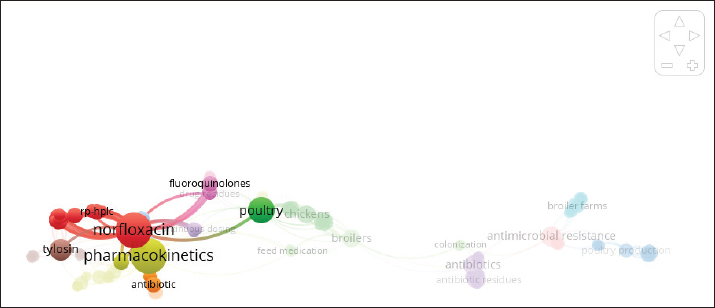
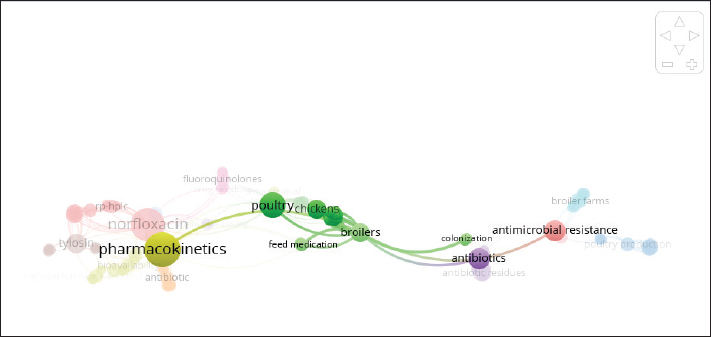
The association between terms such as "poultry," "antibiotics," and "fluoroquinolones" in this visualization highlights the importance of this study in developing guidelines for the safe and effective use of antibiotics in the poultry industry. This pharmacokinetic research also aims to optimize the dosage and regimen of these two antibiotics to minimize bacterial resistance and drug residues in poultry meat. Overall, this visualization illustrates the complexity and importance of pharmacokinetic research of norfloxacin and tylosin combinations in supporting animal health and food safety, and provides in-depth insights into drug interactions in the animal body. Pharmacokinetics of norfloxacin and tylosin combination in poultryThe pharmacokinetic combination of norfloxacin and tylosin in poultry is presented in Figure 6. Figure 6 is a bibliometric visualization, which highlights the relationship between pharmacokinetic combinations of norfloxacin and tylosin in poultry. Figure 6 shows that several groups of keywords are closely connected. Keyword groups such as "pharmacokinetics" and "norfloxacin" are on the left, indicating that these topics are highly studied in related research. These keywords are interconnected with several other terms related to antibiotics and poultry, such as "fluoroquinolones" (Gouvêa et al., 2015), "antibiotics" (Jacobson, 2000; Ho et al., 2012; Etikaningrum and Iwantoro, 2017; Muaz et al., 2018; Savić, 2018; Das et al., 2020; Guo et al., 2021; Wang et al., 2021; Rahman et al., 2022; Yazdanpanah et al., 2023) and "availability" (Ji et al., 2014; Gutierrez et al., 2018; Lee et al., 2021). A group of keywords located in the center of the visualization, such as "poultry" (Al-Mustafa and Al-Ghamdi, 2000; Pant et al., 2005; Abu - Bash et al., 2008; Goudah, 2009; Lashev et al., 2009; Cosby et al., 2015; Marmulak et al., 2015; Mendes et al., 2015; Etikaningrum and Iwantoro, 2017; Nhung et al., 2017; Gutierrez et al., 2018; Patel et al., 2018; Yang et al., 2020; Paranhos et al., 2021; Rhouma et al., 2021; Moffo et al., 2022; Rahman et al., 2022), "chickens" (Sárközy et al., 2004; Abu - Bash et al., 2008; Goudah, 2009; El-Sheikh and Elkahky, 2010; Ji et al., 2014; Soliman and Sedeik, 2016; Aboubakr and Elbadawy, 2017; Gutierrez et al., 2018; Osman et al., 2022) and "broilers" (Aboubakr and Elbadawy, 2017), show a focus of research on the practical applications of norfloxacin and tylosin in poultry. This term is linked to keywords such as "feed medication" (Gutierrez et al., 2018) and "colonization" (Lashev et al., 2009), which indicate studies on the effects of feeding medication and its impact on bacterial colonization in poultry. This demonstrates the tremendous concern about how antibiotics affect poultry health and the spread of germs. On the right side of the visualization, a group of keywords related to "antimicrobial resistance" (Ho et al., 2012; Cosby et al., 2015; Etikaningrum and Iwantoro, 2017; Rahman et al., 2022) and "antibiotics" (Ho et al., 2012; Etikaningrum and Iwantoro, 2017; Guo et al., 2021; Rahman et al., 2022). This indicates significant concern about the risk of AMR caused by the use of antibiotics in poultry. Moreover, terms such as "antibiotic residues" (Muaz et al., 2018; Yang et al., 2020; Yazdanpanah et al., 2023) and "broiler farms" (Aboubakr and Elbadawy, 2017) have emerged, emphasizing the importance of understanding antibiotic residues in poultry products and broiler farm management.
Fig. 4. Visualization of authors of pharmacokinetics of norfloxacin and tylosin.
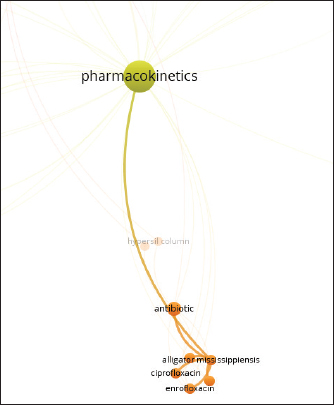
Fig. 5. Pharmacokinetic combinations with norfloxacin and tylosin There are no publications/manuscripts on the combination of norfloxacin and tylosin; hence, this topic still has a chance to be conducted by researchers in the next topic of research. Pharmacokinetics of norfloxacin and tylosin combination in reptilesThe pharmacokinetic combination of norfloxacin and tylosin in poultry is presented in Figure 7. Figure 7 is a bibliometric visualization of the relationship between pharmacokinetic concepts and the use of antibiotics in reptiles. The research results obtained in this study are representative of the types of reptiles, specifically Alligator mississippiensis. In Figure 6, the term "pharmacokinetics" (Helmick et al., 2004; Pant et al., 2005; Chang et al., 2007; Abu-Bash et al., 2008; Goudah, 2009; Lashev et al., 2009; Goetting et al., 2011; El-Sayed et al., 2014; Ji et al., 2014; Soliman and Sedeik, 2016; Aboubakr and Elbadawy, 2017; Poźniak et al., 2020; Zamir et al., 2022) is a green central node connecting various other terms through an orange-colored line. This connection indicates that pharmacokinetics is a central topic in the study of antibiotics in reptiles, signaling its importance in research. The term "antibiotic" (Ho et al., 2012; Etikaningrum and Iwantoro, 2017; Muaz et al., 2018; Savić, 2018; Das et al., 2020; Yang et al., 2020; Guo et al., 2021; Wang et al., 2021; Rahman et al., 2022; Yazdanpanah et al., 2023) is also closely connected to pharmacokinetic nodes, suggesting that using antibiotics in a pharmacokinetic context is a significant focus in this study.
Fig. 6. Pharmacokinetic combinations with norfloxacin and tylosin in poultry. There are no publications/manuscripts on the combination of norfloxacin and tylosin; hence, this topic still has a chance to be conducted by researchers in the next topic of research.
Fig. 7. Pharmacokinetic combination with norfloxacin and tylosin in reptiles. There are no publications/manuscripts on the combination of norfloxacin and tylosin; hence, this topic still has a chance to be conducted by researchers in the next topic of research. Furthermore, this visualization shows a specific connection between "pharmacokinetics" and some antibiotics, such as "ciprofloxacin" (El-Sheikh and Elkahky, 2010) and "enrofloxacin" (Helmick et al., 2004; Guo et al., 2021; Wijayanti et al., 2022). Both antibiotics are part of a class of fluoroquinolones that are frequently studied in the context of reptile pharmacokinetics. The term "Alligator mississippiensis" in its tissue indicates that pharmacokinetic research on this antibiotic has been conducted on this species. Although these visualizations do not explicitly indicate the terms "norfloxacin" and "tylosin," the presence of ciprofloxacin and enrofloxacin in their tissues may indicate the importance of fluoroquinolone studies in reptile pharmacokinetics. The presence of nodes and lines connecting the terms confirms that research on antibiotic pharmacokinetics in reptiles, particularly in A. mississippiensis, strongly focuses on understanding how these drugs are distributed and excreted in the reptile’s body. This visualization provides an overview of the importance of choosing the right antibiotic and understanding its pharmacokinetics to effectively treat reptiles. Thus, the pharmacokinetics of the combination of norfloxacin and tylosin in reptiles is an exciting and essential topic in veterinary medicine, especially for species such as A. mississippiensis. Norfloxacin is a fluoroquinolone antibiotic that is effective against various Gram-negative and some Gram-positive bacteria. Tylosin is a macrolide antibiotic mainly used against gram-positive and some Gram-negative bacteria. The pharmacokinetic study of these two antibiotics in reptiles aims to understand how they are absorbed, distributed, metabolized, and excreted in the reptile’s body. This information is essential for determining effective and safe doses and minimizing the risk of antibiotic resistance. The combination of norfloxacin and tylosin could provide a broader spectrum of activity, making it a more effective treatment for reptile polymicrobial infections. Future studies should focus on the combination of norfloxacin and tylosin, including pharmacokinetics, pharmacotherapy, and antibiotic residue analysis. This study starts with laboratory analysis, which may be followed by animal testing as a preclinical evaluation, yielding more thorough data. Future studies should focus on the combination of norfloxacin and tylosin, including pharmacokinetics, pharmacotherapy, and antibiotic residue analysis. This study starts with laboratory analysis, which may be followed by animal testing as a preclinical evaluation, yielding more thorough data. ConclusionThe pharmacokinetics of the combination of norfloxacin and tylosin in poultry and reptiles have made significant advances over the last two decades. VOSviewer version 1.6.20 supports the description of that study properly. VOSviewer version 1.6.20 showed a gap in the research on the combination of norfloxacin and tylosin. A literature analysis of 61 relevant articles found that approximately 14.8% stated that these antibiotics have distinct absorption, distribution, metabolism, and excretion mechanisms. However, they complement each other when they are used together. As a fluoroquinolone, norfloxacin is effective against Gram-negative bacteria, whereas tylosin, as a macrolide, is more effective against gram-positive bacteria. The study also showed that there is a need for multidisciplinary approaches, and these results suggest that future work should strengthen study standardization, expand evidence in underrepresented species, and integrate antimicrobial resistance considerations more explicitly to better connect pharmacokinetic evidence with risk-oriented decision-making in addressing the problems of antibiotic resistance in poultry and reptiles and especially residues in poultry products and commercial products based on poultry, which include the judicious use of antibiotics and the development of effective prevention strategies. AcknowledgmentsThe authors would like to thank the Indonesian Ministry of Finance and the Indonesia Endowment Fund for Education (LPDP)/Scholarship for funding and research support. The authors would also like to thank the Department of Pharmacology, Laboratory of Pharmacology, Faculty of Veterinary Medicine at Universitas Gadjah Mada for providing the facilities needed for this research. Conflict of interestThere are no conflicts of interest to declare. FundingThis research received financial support from the Indonesian Ministry of Finance, Indonesia Endowment Fund for Education (LPDP Scholarship). Authors' contributionsStudy Design: C.W. and M.F.K. C.W. software: C.W. and M.F.K. results analysis: C.W. and A.D.W. All authors have written, edited, read, and approved the final version of the manuscript. Data availabilityAll data are provided in the manuscript. ReferencesAboubakr, M. and Elbadawy, M. 2017. Pharmacokinetics, tissue residues, and efficacy of D-Tylo50/25® (tylosin-doxycycline combination) in broiler chickens. Int. J. Basic. Clin. Pharmacoly. 6(2), 383. Abu - Bash, E.A., Gharaibeh, S.M., Abudabos, A.M., Shunnaq, A.F. and Al – Majali, A.M. 2008. Pharmacokinetics and bioequivalence of two norfloxacin oral dosage forms (vapcotril—10%® and mycomas 10%®) in healthy broiler chickens. Int. J. Poult. Sci. 7(3), 289–293. Al-Mustafa, Z.H. and Al-Ghamdi, M.S. 2000. Use of norfloxacin in poultry production in the eastern province of Saudi Arabia and its possible impact on public health. Int. J. Environ. Health Res. 10(4), 291–299. Bartolini, M., Bottani, E. and Grosse, E.H. 2019. Green warehousing: systematic literature review and bibliometric analysis. J. Clean. Prod. 226, 242–258. Burow, E., Grobbel, M., Tenhagen, B.A., Simoneit, C., Szabó, I., Wendt, D., Kürbis, C., Ladwig-Wiegard, M., Banneke, S. and Käsbohrer, A. 2020. Antibiotic resistance in Escherichia coli from broiler chickens after amoxicillin treatment in an experimental environment. Microb. Drug. Resist. 26(9), 1098–1107. Chang, Z.Q., Oh, B.C., Kim, J.C., Jeong, K.S., Lee, M.H., Yun, H.I., Hwang, M.H. and Park, S.C. 2007. Clinical pharmacokinetics of norfloxacin-glycine acetate after intravenous and oral administration in pigs. J. Vet. Sci. 8(4), 353. Cosby, D.E., Cox, N.A., Harrison, M.A., Wilson, J.L., Buhr, R.J. and Fedorka-Cray, P.J. 2015. Salmonella and antimicrobial resistance in broilers: a review. J. Appl. Poultry. Res. 24(3), 408–426. Das, D., Islam, M., Sikder, D.M., Alom, F., Khatun, M. and Faruk Md, A. 2020. Presence of antibiotic residue and residual effect of tylosin tartrate in broiler. Int. J. Nat. Soc. Sc. 7, 29–35. El-Sayed, G.A., El-Komy, A.A., Aboubakr, H. and Elsaid, M. 2014. Pharmacokinetics and tissue residues of norfloxacin in normal and experimentally E. coli infected in broiler chicken. Benha Vet. Med. J. 26(1), 10–18. El-Sheikh, W.M.A. and Elkahky, M.A.A. 2010. Comparative studies between norfloxacin and ciprofloxacin residues in broiler chickens with special reference to their withdrawal time. Kafrelsheikh. Vet. Med. J. 8(1), 44–62. Etikaningrum, E. and Iwantoro, S. 2017. Study of antibiotics residue on poultry produscts in Indonesia. Produksi Teknol. 5(1), 1. Glasgow, L., Forde, M., Brow, D., Mahoney, C., Fletcher, S. and Rodrigo, S. 2019. Antibiotic use in poultry production in Grenada. Vet. Med. Int. 2017, 1–7. Goetting, V., Lee, K.A. and Tell, L.A. 2011. Pharmacokinetics of veterinary drugs in laying hens and residues in eggs: a review of the literature. J. Vet. Pharmacol. Ther. 34(6), 521–556. Goudah, A. 2009. Pharmacokinetics and tissue residues of moxifloxacin in broiler chickens. Br. Poult. Sci. 50(2), 251–258. Gouvêa, R., dos Santos F., de Aquino M. and de Pereira Vl, A. 2015. Fluoroquinolones in industrial poultry production, bacterial resistance and food residues: a review. Braz. J. Poult. Sci. 17, 1–10. Guo, K., Zhao, Y., Cui, L., Cao, Z., Zhang, F., Wang, X., Peng, Z., Feng, J., Hu, T. and Dai, M. 2021. Longitudinal surveillance and risk assessment of resistance in Escherichia coli to enrofloxacin from a large-scale chicken farm in Hebei, China. J. Antibiot. 10(10), 1222. Gutierrez, L., Alcala, Y., Bernad, M.J. and Sumano, H. 2018. Increased bioavailability of tylosin phosphate as in-feed medication formulated for long-action pellets in broiler chickens. J. Appl. Poultry Res. 27(1), 16–22. Helmick, K.E., Papich, M.G., Vliet, K.A., Bennett, R.A. and Jacobson, E.R. 2004. Pharmacokinetics of Enrofloxacin after single dose oral and intravenous administration in the American Alligator (Alligator Mississippiensis). J. Zoo Wildl. Med. 35(3), 333 -340. Ho, Y.B., Zakaria, M.P., Latif, P.A. and Saari, N. 2012. Simultaneous determination of veterinary antibiotics and hormone in broiler manure, soil and manure compost by liquid chromatography–tandem mass spectrometry. J. Chromatogr. 1262, 160–168. Huang, C., Yang, C., Wang, S., Wu, W., Su, J. and Liang, C. 2019. Evolution of topics in education research: a systematic review using bibliometric analysis. Educ. Rev. 72, 1–17; doi:10.1080/00131911.2019.1566212 Jacobson , E. 2000. Antibiotic therapy for reptiles. 1168–1169. Ji, L.-W., Dong, L.-L., Ji, H., Feng, X.-W., Li, D., Ding, R.-L. and Jiang, S.-X. 2014. Comparative pharmacokinetics and bioavailability of tylosin tartrate and tylosin phosphate after a single oral and i.v. administration in chickens. J. Vet. Pharmacol. Ther. 37(3), 85–94. Lashev, L., Dimitrova, D., Milanova, A., Kanelov, I., Moutafchieva, R. and Dinev, T. 2009. Gender related differences in the pharmacokinetics of antibacterials in poultry. J. Vet. Pharmacol. Ther. 32, 148–149. Lee, J.H., Kim, G.W., Kwon, M.G. and Seo, J.S. 2021. Pharmacokinetic-pharmacodynamic profile, bioavailability, and withdrawal time of tylosin tartrate following a single intramuscular administration in olive flounder (Paralichthys olivaceus). Animal 11(8), 2468. Malgwi, S.A., Ogunsakin, R.E., Oladepo, A.D., Adeleke, M.A. and Okpeku, M. 2023. A forty-year analysis of the literature on babesia infection (1982–2022): a systematic bibliometric approach. Int. J. Environ. Res. Public Health 20(12), 6156. Marmulak, T., Tell, L.A., Gehring, R., Baynes, R.E., Vickroy, T.W. and Riviere, J.E. 2015. Egg residue considerations during the treatment of backyard poultry. J. Am. Vet. Med. Assoc. 247(12), 1388–1395 Maulana, F.K., Maghfiroh, L., Sari, S.S.N. and Rantam, F.A. 2023. A bibliometric analysis of worldwide research on One Health from 2012 to 2022. Int. J. One Health, 159. Mendes, C., Buttchevitz, A., Kruger, J.H., Bernardi, L.S., Oliveira, P.R. and Silva, M.A.S. 2015. Quantitative analysis of norfloxacin in β-cyclodextrin inclusion complexes—development and validation of a stability-indicating HPLC method. Anal. Sci. 31(10), 1083–1089. Moffo, F., Mouiche, M.M.M., Djomgang, H.K., Tombe, P., Wade, A., Kochivi, F.L., Dongmo, J.B., Mbah, C.K., Mapiefou, N.P., Mingoas, J.P.K. and Awah-Ndukum, J. 2022. Associations between antimicrobial use and antimicrobial resistance of Escherichia coli isolated from poultry litter under field conditions in Cameroon. Prev. Vet. Med. 204, 105668. Muaz, K., Riaz, M., Akhtar, S., Park, S. and Ismail, A. 2018. Antibiotic residues in chicken meat: global prevalence, threats, and decontamination strategies: a review. J. Food Prot. 81(4), 619–627. Nhung, N.T., Chansiripornchai, N. and Carrique-Mas, J.J. 2017. Antimicrobial resistance in bacterial poultry pathogens: a review. Front. Vet. Sci. 4, 126. Osman, S., Elgendy, K., Saad, M. and Turkey, A. 2022. Rapid HPLC determination of norfloxacin, levofloxacin and moxifloxacin alone or in a mixture. Egypt. J. Chem. 65(1), 1431–1439. Page, M.J., McKenzie, J.E., Bossuyt, P.M., Boutron, I., Hoffmann, T.C., Mulrow, C.D., Shamseer, L., Tetzlaff, J.M., Akl, E.A., Brennan, S.E., Chou, R., Glanville, J., Grimshaw, J.M., Hróbjartsson, A., Lalu, M.M., Li, T., Loder, E.W., Mayo-Wilson, E., McDonald, S. and Moher, D. 2021. The PRISMA 2020 statement: an updated guideline for reporting systematic reviews. BMJ. Clin. Res. Ed. 372, 71. Pant, S., Rao, G.S., Sastry, K.V.H., Tripathi, H.C., Jagmohan. and Malik, J.K. 2005. Pharmacokinetics and tissue residues of pefloxacin and its metabolite norfloxacin in broiler chickens. Br. Poult. Sci. 46(5), 615–620. Papich , M.G. 2021. Appendix G - antibiotic drug selection for equine bacterial pathogens. In Papich handbook of veterinary drugs, 5th ed. W.B. Saunders, p: 1003. Paranhos, A.G.O., Pereira, A.R., Da Fonseca, I.C., Sanson, A.L., Afonso, R.J.C.F. and Aquino, S.F. 2021. Analysis of tylosin in poultry litter by HPLC-UV and HPLC-MS/MS after LTPE. Int. J. Environ. Anal. Chem. 101(15), 2568–2585. Patel, T., Marmulak, T., Gehring, R., Pitesky, M., Clapham, M.O. and Tell, L.A. 2018. Drug residues in poultry meat: a literature review of commonly used veterinary antibacterials and anthelmintics used in poultry. J. Vet. Pharmacol. Ther, 41(6), 761 -769. Poźniak, B., Tikhomirov, M., Motykiewicz-Pers, K., Bobrek, K. and Świtała, M. 2020. Allometric analysis of tylosin tartrate pharmacokinetics in growing male turkeys. J. Vet. Sci. 21(3), 35. Rahman, M., Fliss, I. and Biron, E. 2022. Insights in the development and uses of alternatives to antibiotic growth promoters in poultry and swine production. J. Antibiot. 11(6), 766. Rhouma, M., Romero-Barrios, P., Gaucher, M.L. and Bhachoo, S. 2021. Antimicrobial resistance associated with the use of antimicrobial processing aids during poultry processing operations: cause for concern?. Crit. Rev. Food Sci. Nutr. 61(19), 3279–3296. Sárközy, G., Semjén, G. and Laczay, P. 2004. Disposition of norfloxacin in broiler chickens and turkeys after different methods of oral administration. Vet. J. 168(3), 312–316. Savić, S. 2018. Introductory chapter: antibiotic use in animals today. In Antibiotic use in animals. Savi InTech, pp: 308–12. Singh, R.N., Sahoo, S., Mishra, U., Garnaik, B., Sahoo, S.K. and Hati, D. 2013. Stability indicating RP-HPLC method development and validation of Norfloxacin. Am. J. Adv. Drug Deliv. 1(5), 743–758. Soliman, A.M. and Sedeik, M. 2016. Pharmacokinetics and tissue residues of tylosin in broiler chickens. J. Pharm. Pharmacol. 7(1), 36–42. Wang, F., Gao, J., Zhai, W., Cui, J., Liu, D., Zhou, Z. and Wang, P. 2021. Effects of antibiotic norfloxacin on the degradation and enantioselectivity of the herbicides in aquatic environment. Ecotoxicol. Environ. Saf. 208, 111717. Wibisono, C., Pamudya, K.G.S. and Wijayanti, A.D. 2024. Kajian Artikel: Kajian Residu dan Deteksi Residu Antibiotik Norfloksasin dan Tilosin pada Ayam Broiler. J. Vitek. 14(1), 149–155. Wibisono, C., Pamudya, K.G.S., Wijayanti, A.D., Widiasih, D.A., Tjahajati, I. and Indarjulianto, S. 2025. Parameter combination norfloxacin and tylosin on poultry: a review. J. Ilmu. Peternak. Dan. Vet. Trop. 15(1), 1–5. Wibisono, C., Wijayanti, A.D., Widiasih, D.A., Tjahajati, I., Irianti, I.N., Pamudya, K.G.S., Salsabila, R.A.I. and Sudimartini, L.M. 2025. Validation method for determining the concentration of norfloxacin-tylosin combination in broiler chicken tissue using high-performance liquid chromatography. Open. Vet. J. 15(9), 4153–4161. Wijayanti, A.D., Ardiansyah, R.D., Pratama, A.M., Haryanto, A. and Fitriana, I. 2022. Validation method for determining enrofloxacin and tylosin levels in broiler liver, kidney, and muscle using high-performance liquid chromatography. Vet. World , 268–274. Wijayanti, A.D., Muzaki, A.Y., Wibisono, C. and Widiasih, D.A. 2024. Therapeutic effects of lincomycin and level of drug degradation in broiler tissues after treatment. Vet. World. 17(5), 1026 -1034. Yang, Y., Qiu, W., Li, Y. and Liu, L. 2020. Antibiotic residues in poultry food in Fujian Province of China. Food. Addit. Contaminants. Part. B. Surveys. 13(3), 177–184. Yazdanpanah, H., Osouli, M., Salamzadeh, J., Rashidi, E., Karimi, Z., Beykmohammadi, L. and Eslamizad, S. 2023. Simultaneous screening of six families of antibiotic residues in milk samples by biochip multi-array technology. Iran. J. Pharm. Res. 22(1), e136363. Zamir, A., Hussain, I., Ur Rehman, A., Ashraf, W., Imran, I., Saeed, H., Majeed, A., Alqahtani, F. and Rasool, M.F. 2022. Clinical pharmacokinetics of metoprolol: a systematic review. Clin. Pharmacokinet. 61(8), 1095–1114. | ||
| How to Cite this Article |
| Pubmed Style Wibisono C, Wijayanti AD, Widiasih DA, Tjahajati I, Karimy MF, Rumlaklak YY, Salsabila RAI, Karisma WP, Irvan I. Bibliometric analysis of pharmacokinetic research on the combination of norfloxacin and tylosin in poultry and reptiles. Open Vet. J.. 2026; 16(2): 962-972. doi:10.5455/OVJ.2026.v16.i2.18 Web Style Wibisono C, Wijayanti AD, Widiasih DA, Tjahajati I, Karimy MF, Rumlaklak YY, Salsabila RAI, Karisma WP, Irvan I. Bibliometric analysis of pharmacokinetic research on the combination of norfloxacin and tylosin in poultry and reptiles. https://www.openveterinaryjournal.com/?mno=285984 [Access: June 26, 2026]. doi:10.5455/OVJ.2026.v16.i2.18 AMA (American Medical Association) Style Wibisono C, Wijayanti AD, Widiasih DA, Tjahajati I, Karimy MF, Rumlaklak YY, Salsabila RAI, Karisma WP, Irvan I. Bibliometric analysis of pharmacokinetic research on the combination of norfloxacin and tylosin in poultry and reptiles. Open Vet. J.. 2026; 16(2): 962-972. doi:10.5455/OVJ.2026.v16.i2.18 Vancouver/ICMJE Style Wibisono C, Wijayanti AD, Widiasih DA, Tjahajati I, Karimy MF, Rumlaklak YY, Salsabila RAI, Karisma WP, Irvan I. Bibliometric analysis of pharmacokinetic research on the combination of norfloxacin and tylosin in poultry and reptiles. Open Vet. J.. (2026), [cited June 26, 2026]; 16(2): 962-972. doi:10.5455/OVJ.2026.v16.i2.18 Harvard Style Wibisono, C., Wijayanti, . A. D., Widiasih, . D. A., Tjahajati, . I., Karimy, . M. F., Rumlaklak, . Y. Y., Salsabila, . R. A. I., Karisma, . W. P. & Irvan, . I. (2026) Bibliometric analysis of pharmacokinetic research on the combination of norfloxacin and tylosin in poultry and reptiles. Open Vet. J., 16 (2), 962-972. doi:10.5455/OVJ.2026.v16.i2.18 Turabian Style Wibisono, Cahyo, Agustina Dwi Wijayanti, Dyah Ayu Widiasih, Ida Tjahajati, Mohammad Faiz Karimy, Yanse Yane Rumlaklak, Ridha Avicena Ila Salsabila, Widi Putri Karisma, and Irvan Irvan. 2026. Bibliometric analysis of pharmacokinetic research on the combination of norfloxacin and tylosin in poultry and reptiles. Open Veterinary Journal, 16 (2), 962-972. doi:10.5455/OVJ.2026.v16.i2.18 Chicago Style Wibisono, Cahyo, Agustina Dwi Wijayanti, Dyah Ayu Widiasih, Ida Tjahajati, Mohammad Faiz Karimy, Yanse Yane Rumlaklak, Ridha Avicena Ila Salsabila, Widi Putri Karisma, and Irvan Irvan. "Bibliometric analysis of pharmacokinetic research on the combination of norfloxacin and tylosin in poultry and reptiles." Open Veterinary Journal 16 (2026), 962-972. doi:10.5455/OVJ.2026.v16.i2.18 MLA (The Modern Language Association) Style Wibisono, Cahyo, Agustina Dwi Wijayanti, Dyah Ayu Widiasih, Ida Tjahajati, Mohammad Faiz Karimy, Yanse Yane Rumlaklak, Ridha Avicena Ila Salsabila, Widi Putri Karisma, and Irvan Irvan. "Bibliometric analysis of pharmacokinetic research on the combination of norfloxacin and tylosin in poultry and reptiles." Open Veterinary Journal 16.2 (2026), 962-972. Print. doi:10.5455/OVJ.2026.v16.i2.18 APA (American Psychological Association) Style Wibisono, C., Wijayanti, . A. D., Widiasih, . D. A., Tjahajati, . I., Karimy, . M. F., Rumlaklak, . Y. Y., Salsabila, . R. A. I., Karisma, . W. P. & Irvan, . I. (2026) Bibliometric analysis of pharmacokinetic research on the combination of norfloxacin and tylosin in poultry and reptiles. Open Veterinary Journal, 16 (2), 962-972. doi:10.5455/OVJ.2026.v16.i2.18 |


