




| Research Article | ||
Open Vet. J.. 2026; 16(1): 560-576 Open Veterinary Journal, (2026), Vol. 16(1): 560-576 Research Article Cassava root and leaf meal as alternatives to energy and protein sources in broiler diets: Impacts on growth, carcass traits, blood biochemistry, meat qualityShahabuddin Ahmed1,2, Hemayet Hossain3, Md. Taslim Hossain1, Shaolin Ferdouse1, Asraful Alam2, Dipankar Sardar4, Md. Alauddin5,6, Md. Mahfujur Rahman7 and Mrityunjoy Biswas2*1Department of Animal Nutrition, Faculty of Veterinary, Animal and Biomedical Sciences, Khulna Agricultural University, Khulna, Bangladesh 2Department of Agro Product Processing Technology, Jashore University of Science and Technology, Jashore, Bangladesh 3Department of Anatomy & Histology, Sylhet Agricultural University, Sylhet, Bangladesh 4Biotechnology and Genetic Engineering Discipline, Khulna University, Khulna, Bangladesh 5Department of Nutrition and Food Technology, Faculty of Applied Science and Technology, Jashore University of Science and Technology, Jashore, Bangladesh 6Department of Biochemistry and Molecular Biology, Faculty of Biological Science and Technology, Jashore University of Science and Technology, Jashore, Bangladesh 7Department of Medicine, Sylhet Agricultural University, Sylhet, Bangladesh *Corresponding Author: Mrityunjoy Biswas. Department of Agro Product Processing Technology, Jashore University of Science and Technology, Jashore, Bangladesh. Email: mrityunjoy_appt [at] just.edu.bd Submitted: 12/08/2025 Revised: 11/11/2025 Accepted: 05/12/2025 Published: 31/01/2026 © 2025 Open Veterinary Journal
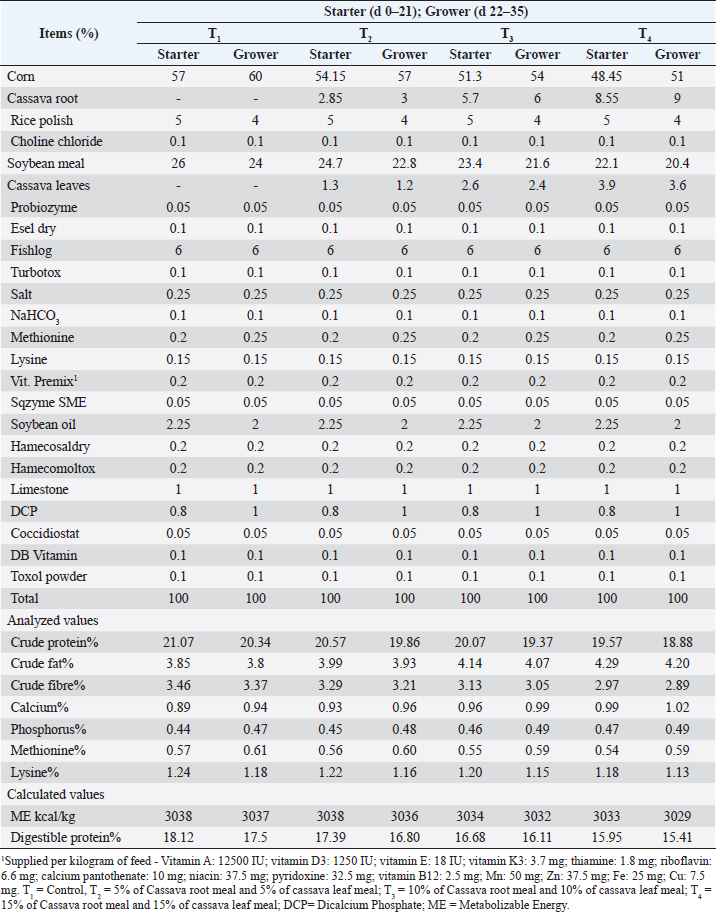
AbstractBackground: The rising feed costs and the need for sustainable alternatives have prompted the exploration of unconventional feed resources in poultry nutrition. Aim: This study aimed to evaluate the effects of incorporating cassava root meal (CRM) + leaf meal (LM) on the growth performance, carcass characteristics, hemo-biochemical parameters, and meat quality of broiler chickens. Methods: A total of 400 one-day-old Arbor Acres broiler chicks were randomly assigned to four dietary treatments: control (T1, 0% CRM + LM), T2 (5% CRM + 5% LM), T3 (10% CRM + 10% LM), and T4 (15% CRM + 15% LM). Each treatment group consisted of five replicates with 20 birds each, and the experiment lasted 35 days. Results: Broilers fed the T2 diet demonstrated significantly (p < 0.001) improved body weight, feed intake, and feed efficiency ratio while exhibiting a better feed conversion ratio compared to other groups. Additionally, T4 resulted in superior carcass characteristics. Although the proximate composition of thigh meat showed significant (p < 0.001) variations, but parameters such as crude protein, ash, and ether extract remained unaffected in breast meat. Diet T2 also had the highest levels of total phenolic content, total flavonoid content, and antioxidant activity (DPPH scavenging), alongside excellent sensory acceptability. Conclusion: Overall, these findings indicate that incorporating 5% CRM + 5% LM (T2) in broiler diets optimizes growth performance, meat quality, and health without adverse effects. This study highlights the potential of CRM and LM as a sustainable and cost-effective feed ingredient for broiler production, particularly in Asia, where feed costs pose significant challenges. Keywords: Cassava meal, Growth performance, Blood profile, Meat quality, Broiler. IntroductionFeed is the most expensive component of poultry production, accounting for approximately 65%–70% of total costs (Obakanurhe et al., 2025). There have been numerous initiatives to minimize the expense of feeding (Bett et al., 2015). Rising competition and costs for maize and soybean highlight the urgent need for innovative, affordable, and sustainable alternative feed sources (Ajide et al., 2023). In recent decades, Bangladesh’s poultry sector has transformed from backyard farming into a modern, competitive industry, driven by the need to meet the nation’s protein demand and support socio-economic growth (Rahman et al., 2015; Ofuoku et al., 2016). Notably, poultry meat now accounts for approximately 37% of the total animal protein consumed nationally, making it a cornerstone of Bangladesh’s food security strategy (Kamruzzaman et al., 2021). Despite its promising trajectory, the poultry industry faces significant challenges, particularly in adapting to the rising feed costs and resource constraints. The most significant root crop that provides millions of people in tropical and subtropical nations with a staple diet is cassava (Wang et al., 2014). Furthermore, cassava is frequently utilized in animal feed, biometerials, and bio-energy (Anyanwu et al., 2015). Dried cassava root meal (CRM) is widely available due to its cultivation by smallholder farmers and is more economical than many other high-energy feed ingredients. Sun drying reduces the cyanide Hemoglobin concentration (HCN) content in cassava roots, making them safer for animal consumption. Cassava root and leaf meals (LMs) also complement each other nutritionally: the root meal supplies high energy [metabolizable energy (ME) 3061.8 kcal/kg] but low protein [crude protein (CP) 2.55%], while the LM provides high protein (CP 19.75%) but lower energy (ME 2825.75 kcal/kg) along with valuable carotenoids (Ahmed et al., 2024). Combining these components could balance energy and protein requirements in poultry diets. In Bangladesh, cassava cultivation has expanded significantly, with regions such as Sylhet, Pchanchogor, Nilphamary, Khagrachhari, and Mymensingh contributing to its growing production (Ahmed et al., 2024). Some previous studies on poultry have found that cassava root and LM (CRLM) can improve the growth performance, meat quality, and antioxidant properties, while it has no effect on blood parameters and has no adverse effect on health (Li et al., 2017, 2019, 2020). Combining CRLMs is advantageous because the root provides high energy while the leaf supplies protein and micronutrients, creating a nutritionally balanced, safe, and cost-effective feed for animals. Therefore, this study investigated the effects of dietary incorporation of a CRM and LM mixture on the growth performance, carcass traits, serum metabolites, and meat quality of broiler chickens. By exploring cassava’s potential as a sustainable feed ingredient, this research seeks to enhance broiler production efficiency, promote food security, and foster sustainable agricultural practices through the utilization of locally available resources. Materials and MethodsPreparation of the CRMFresh cassava roots were cleaned, peeled, and chopped (7–8 cm). Peeling reduces cyanide, especially in sweet varieties. Segments were sun-dried on protected surfaces for 7 days, which lowered soluble cyanides, while slanted trays preserved linamarase activity to help neutralize cyanogenic glycosides (Hassan et al., 2012). According to Ahmed et al. (2024), the nutrient values of CRM were as follows: ash 2.96%, crude protein (CP) 2.55%, crude fat 0.98%, crude fiber 3.44%, nitrogen-free extract (NFE) 82.55%, and ME 3061.8 kcal/kg. HCN levels were measured before feed inclusion, and only cassava meeting the standard HCN limits was used. Preparation of the cassava LMCassava leaves (sweet variety) were sourced from a farm in Panchagarh, Bangladesh. Its leaves were harvested at the age of 8–9 months after planting. Leaves were sliced to facilitate drying and spread on a concrete surface under direct sunlight for 3 days until dry and crisp, retaining their greenish hue. To ensure even drying, the leaves were regularly turned twice daily. The sun-dried leaves were ground into LM using a hammer mill to achieve a 2 or 3 mm particle size. A portion of the meal was analyzed for proximate composition per (Ravindran et al., 2014), mineral content, and gross energy using a Gallenkamp adiabatic calorimeter. Experimental design, rations, treatments, and management of broilerA total of 400 one-day-old Arbor Acres broiler (Arbor Acres, AA; marketed by Nourish Poultry Hatchery Limited, Dhaka, Bangladesh) chicks (44.30–45.24 g) were randomly assigned to four dietary treatments: control (T1, 0% CRM + LM), T2 (5% CRM + 5% LM), T3 (10% CRM + 10% LM), and T4 (15% CRM + 15% LM). Each treatment group consisted of five replicates with 20 birds each, and the experiment lasted 35 days. The broiler rations were formulated following NRC (1994) standards, consisting of a starter feed (0–21 days) and a grower feed (22–35 days). The nutrient contents and trial feed ingredients utilized in this trial are all listed in Table 1. The open-system chicken house that served as this study shed faced east to west to shield itself from the sun. Natural ventilation, curtain management, and an appropriate lighting system all helped to regulate the temperature and relative humidity (RH). During the trial, the average daytime temperature ranged from 26°C to 29°C and nighttime temperature from 22°C to 25°C, with RH ranging between 65% and 90%. A temperature and humidity meter (Poultry Temperature Humidity Meter; Abhi Traders, Jammu & Kashmir, India) was kept in the poultry house throughout the experimental period to continuously monitor environmental conditions. Ample amounts of experimental foods and unlimited access to clean water were provided to broiler chickens every day as they were raised on a deep litter floor (500 square feet). Table 1. Ration for broiler replacing corn and soybean meal with cassava root and leaf meal (as fresh basis).
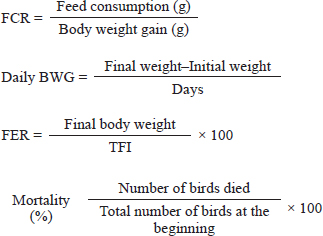
Using the CEVAC BIL, the experimental chicks were immunized against Newcastle Disease and Infectious Bronchitis. The CEVAC IBDL was used to vaccinate them against Infectious Bursal Diseases, in accordance with the guidelines provided by the manufacturer (Ceva-phylaxia Veterinary Biologicals Co. Ltd., Hungary). According to Akter et al., (2023) recommendations, each of the management techniques has been carried out for rearing AA broiler. Data collection and experimental procedureDetermination of growth performanceThe chicks’ initial live weights were recorded at the commencement of the investigation using an electronic weighing scale (Model: HESA 3303). We conducted a weekly analysis of the final body weight (FBW), body weight gain (BWG), feed intake (FI), feed conversion ratio (FCR), feed efficiency ratio (FER), and mortality of broiler throughout the course of the investigation following the study (Hossain et al., 2025; Imranuzzaman et al., 2025; Rahman et al., 2025). FBW gain=Final body weight − Initial body weight Total FI=Total feed supplied – Feed refusal
Measurement of carcass characteristicsAt 35 days of age, two broilers per replication (10 from each dietary group) were randomly selected for slaughter by cervical disarticulation. The carcass characteristics and internal organ weights were recorded, and necessary samples were collected for further analysis. The percentage of dressed weight made up of the thigh, drumstick, shank, breast muscle, wing, and internal organs (spleen, gizzard, liver, heart, and small intestine) was measured. The organ weights of each bird were measured immediately after slaughtering, and the results were expressed as a percentage of the bird’s live weight. The organs’ relative weight was subsequently estimated by utilizing the body weight at the time of slaughter (Martínez et al., 2021). Hematological and serum biochemical evaluationTwo broilers from each replicate (10 from each diet group) were randomly selected at the age of 35 days. Hematological characteristics were assessed by collecting blood from the wing veins and placing it in labeled containers that contained ethylene diamine tetra acetic acid. In order to quantify serum metabolites, an additional set of blood samples was collected in simple vials. The serum was separated after the blood samples were allowed to coagulate following centrifugation. The method reported by Ogbuewu and Mbajiorgu (2023) and Hossain et al. (2025) was used to measure the hematological parameters, which include PCV, RBC, hemoglobin, WBC, lymphocytes, neutrophils, monocytes, eosinophils, basophils, Mean Corpuscular Hemoglobin (MCH), Mean corpuscular volume (MCV), and Mean corpuscular hemoglobin concentration (MCHC). AGAPPE Diagnostics Switzerland GmbH devised the AGGAPE test kits, which were used to quantify a variety of blood biochemical markers [total protein, albumin, globulin, glucose, urea, creatinine, cholesterol, aspartate aminotransferase (AST), alanine aminotransferase (ALT), and Alkaline Phosphatase (ALP)]. A BA-88A type semi-automatic chemistry analyzer from Mindray, China was used to evaluate the biochemical parameters of blood. Meat quality analysisAfter the required data on carcass characteristics had been recorded, samples of thigh and breast meat were taken from the same birds used for carcass cut evaluation. The breast and thigh meat samples were processed and placed in hermetically labelled sealed plastic bags, then kept in a sub-zero freezer at a temperature of −4°C for a duration of 5 days. The proximate compositions of meat were conducted using the AOAC technique (AOAC, 2003). The proximate composition was expressed on a dry matter basis without any adjustments or modifications (NRC, 1994; Biswas and Mandal, 2020). Accordingly, a method outlined by Cheng et al. (2017) was used to calculate the drip loss (DL) and water holding capacity (WHC) of flesh from the breast and thigh. The following equation was used to calculate DL:
The internal temperature of the meat was measured using a digital needle-tipped thermometer (H 1145, Hanna Instruments, Padova, Italy). The following formula by Vargas-Ramella et al. (2022) was used to determine the cooking loss (CL):
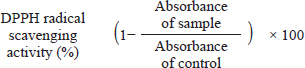
A portable pH meter (Orion model 301; Orion, Beverly, MA) with an electrode was used to measure the pH levels of the breast and thigh muscles after the animals were slaughtered. The DPPH radical scavenging activity of the aqueous supernatant obtained from raw breast and thigh meat was evaluated using the Blois method, as described by Alam et al. (2024), with some modifications. Using an SP-870 TURNER Barnstead US analyzer, the absorbance of the solution was determined at a wavelength of 517 nm. An equation was used to quantify the DPPH radical scavenging activity, and it is as follows:
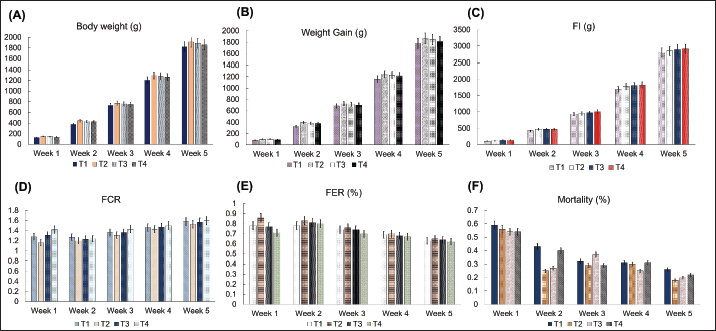
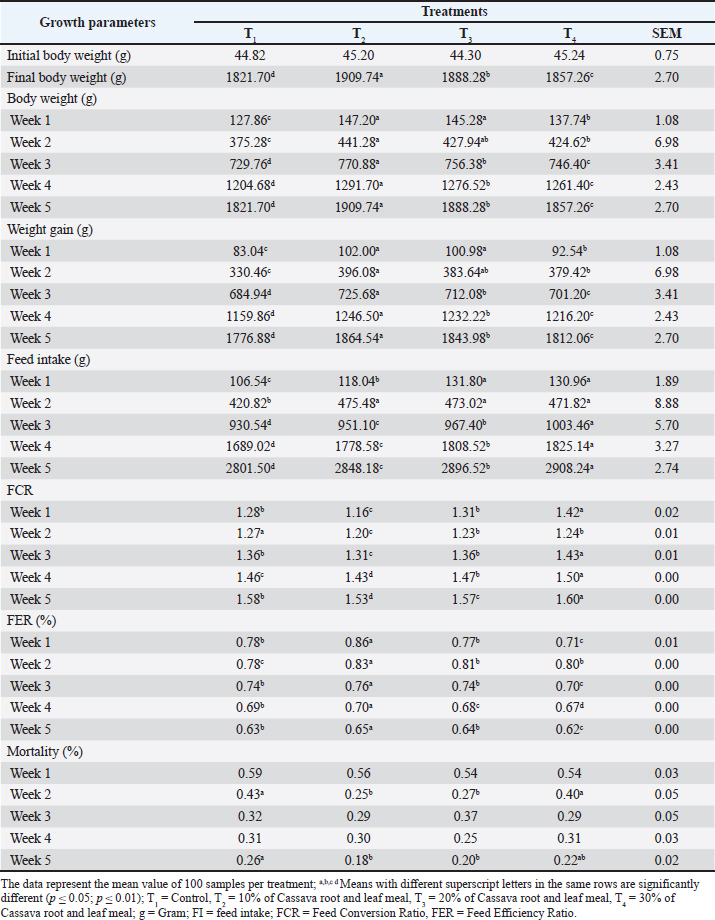
The total phenolics were determined by calorimetry using the Folin-Ciocalteu reagent and, with somewhat modified methods, the methods described by Alam et al. (2024). The measurement of flavonoid contents in the breast and thigh meat extracts was conducted using an updated colorimetric approach, with quercetin being used as the reference compound. Each sample was tested three times to make determinations. Sensory evaluationA team of 10 panelists, who had received some training, was selected from the Department of Agro Product Processing Technology at Jashore University of Science and Technology in Bangladesh. Their task was to do a sensory evaluation of boiled meat samples collected from the breast and thigh muscles blindly. Every panelist consumed one sample for each treatment and evaluated their preferences according to the categories of color, taste, texture, flavor, and overall acceptability. A 9-point hedonic scale was used, where a rating of 1 indicated great dislike and a rating of 9 indicated high liking. Statistical analysisAll collected data were subjected to one-way Analysis of Variance using Statistical Tool for Agricultural Research software (version 2.0.1, 2014), developed by the Biometrics and Breeding Informatics group of the PBGB Division, International Rice Research Institute, Los Baños, Philippines. To investigate the dose-response effect, orthogonal polynomial contrasts were used to test the linear, quadratic, and cubic effects of CRLM. Treatment means were compared using the least significant difference test at a 5% level of significance to determine statistical differences among treatments. Ethical approvalThe Department of Agro Product Processing Technology at Jashore University of Science and Technology, Bangladesh, effectively supported this project. Ethical Review Committee of the Jashore University of Science and Technology for Animal-Based Studies provided permission for the research methods used in this study (ERC/FBST/JUST/2023-152). ResultsProximate composition of cassava LMThe nutrient values of cassava LM were as follows: ash 7.54%, CP 19.75%, crude fat 6.85%, crude fiber 12.56%, NFE 44.35%, and ME 2825.75 kcal/kg. Growth performanceCRLM inclusion significantly affected the growth performance of broilers (Fig. 1). Initial body weights were similar across groups, ranging from 44.30 g (T3) to 45.24 g (T4). From week 1 onward, a notable difference emerged. T2 had the highest body weight in week 1 (147.20 g), followed by T3 (145.28 g), T4 (137.74 g), and T1 (127.86 g). By week 5, T2 maintained the highest final body weight (1909.74 g), while T1 was the lowest (1821.70 g); T3 and T4 recorded 1888.28 and 1857.26 g, respectively.
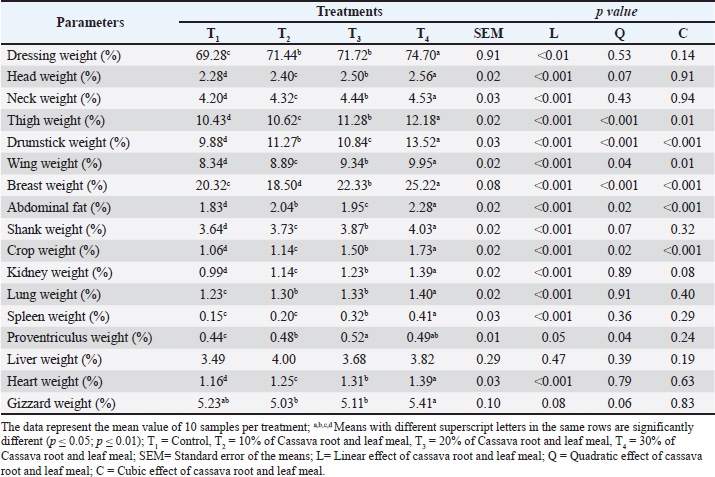
Fig. 1. Growth performance of experimental broiler diets on graded levels of CRLM. The data represent the mean value of 100 samples per treatment; T1=Control, T2=10% of CRLM, T3=20% of CRLM, T4=30% of CRLM; g=Gram; FI=Feed intake; FCR=Feed Conversion Ratio FI/WG; FER=Feed Efficiency Ratio, WG/FI. (A) Weekly body weight of chicken, (B). Weight Gain, (C). Feed intake, (D). Feed Conversion Ratio, (E). Feed Efficiency Ratio, (F). Mortality. Weekly weight gain was consistently higher in T2. In week 2, weight gain in T2 reached 396.08 g, compared to 330.46 g (T1), 383.64 g (T3), and 379.42 g (T4). By week 5, cumulative gain in T2 was 1864.54 g, followed by T3 (1843.98 g), T4 (1812.06 g), and T1 (1776.88 g). FI also increased with cassava levels. In week 1, T3 and T4 had the highest FI (131.80 g and 130.96 g), while T1 had the lowest (106.54 g). By week 5, FI was highest in T4 (2908.24 g), then T3 (2896.52 g), T2 (2848.18 g), and T1 (2801.50 g). Despite higher intake in T3 and T4, T2 showed better feed efficiency. FCR in week 1 was lowest in T2 (1.16), compared to 1.28 (T1), 1.31 (T3), and 1.42 (T4). By week 5, T2 had the most efficient FCR (1.53), followed by T1 (1.58), T3 (1.57), and T4 (1.60). FER was also highest in T2 (0.65%) in week 5, while T1, T3, and T4 showed 0.63%, 0.64%, and 0.62%, respectively. Mortality was minimal across groups. In week 5, the lowest mortality was recorded in T2 (0.18%), followed by T3 (0.20%), T4 (0.22%), and T1 (0.26%) (Supplementary Table 1). Carcass yield characteristicsCarcass traits were significantly influenced by dietary treatments. The T4 group (15% root + 15% leaf) exhibited the highest dressing percentage (74.70%), followed by T3, T2, and T1, reflecting a dose-responsive trend. Notably, breast weight peaked in T4 (25.22%), though T3 (22.33%) and T2 (18.50%) also recorded substantial improvements over control. Enhanced values for thigh, drumstick, and wing weights were observed across the test diets groups, with T2 and T3 demonstrating statistically higher organ weights without negatively affecting internal organs. These findings indicate improved carcass partitioning and muscularity in broilers with increasing cassava meal inclusion (Table 2). Table 2. Carcass yield characteristics of experimental broiler diets on graded levels of cassava root and leaf meal at the age of 35 days.
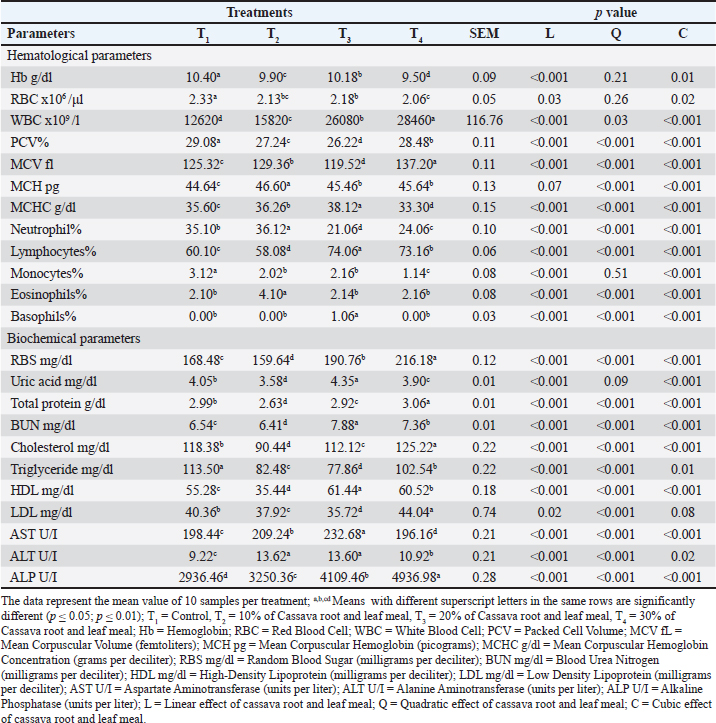
Hematological and biochemical parametersCassava inclusion had a mixed effect on hematological indices. Hemoglobin, RBC, PCV, and MCHC levels were highest in the control but slightly declined in cassava-fed groups, though all remained within physiological ranges. Conversely, WBC counts and lymphocyte percentages increased significantly in T3 and T4, potentially indicating enhanced immune function. For biochemical parameters, glucose, BUN, uric acid, cholesterol, and liver enzymes (AST, ALT, ALP) were significantly affected by treatments. Notably, T2 maintained a balanced profile with lower cholesterol (90.44 mg/dl), triglycerides (82.48 mg/dl), and liver enzymes, suggesting reduced metabolic stress. High-Density Lipoprotein (HDL) was lowest in T2 but increased again in T3 and T4. These results imply that moderate inclusion of cassava (T2) supports metabolic homeostasis and health in broilers (Table 3). Table 3. Hematological and biochemical parameters of broiler on graded levels of experimental diets of cassava root and leaf meal at the age of 35 days.
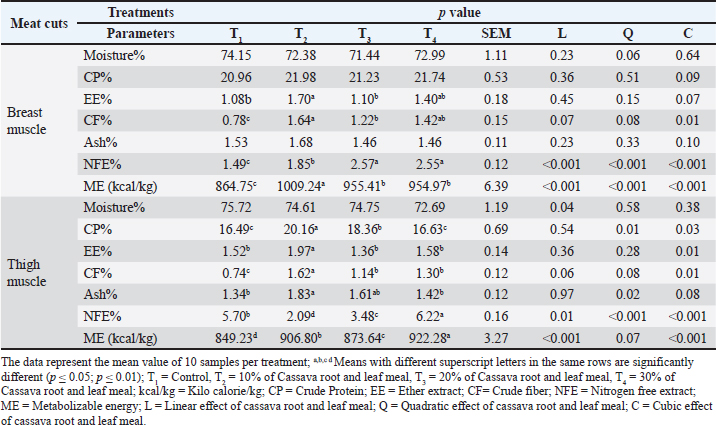
Proximate composition of meatThe proximate composition of both breast and thigh meat varied across treatments. In breast meat, T2 recorded the highest CP (21.98%) and ether extract (1.70%), alongside significantly higher ME (1009.24 kcal/kg), suggesting improved nutrient deposition. Similarly, the thigh muscle in T2 exhibited enhanced CP (20.16%), EE (1.97%), and ME (906.80 kcal/kg), outperforming the control group. Although moisture and ash content remained statistically similar among groups, crude fiber and NFE content varied notably, with T2 presenting a favorable nutrient profile for meat quality and consumer preference (Table 4). Table 4. Proximate composition of breast and thigh muscle of broiler on graded levels of experimental diets of cassava root and leaf meal at the age of 35 days.
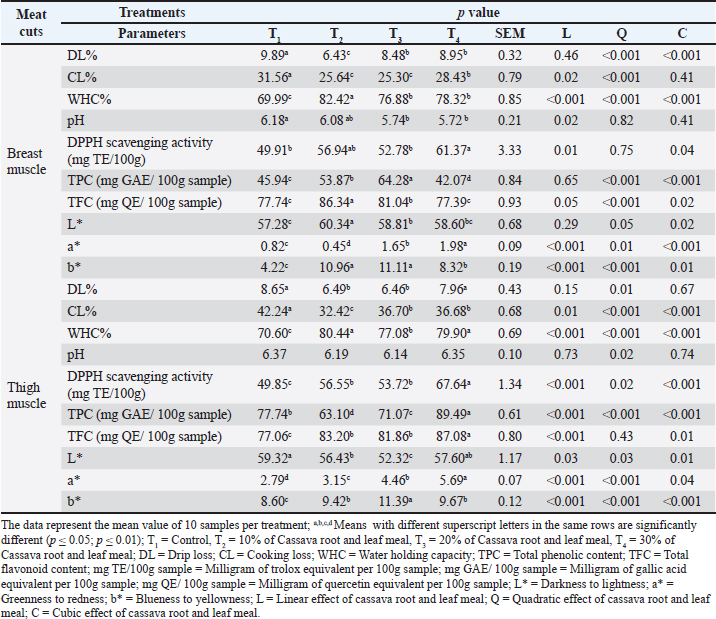
Meat quality attributesMeat quality parameters were significantly influenced by cassava inclusion levels. In the breast muscle, DL was lowest in T2 (6.43%) compared to T1 (9.89%), T3 (8.48%), and T4 (8.95%). CL also decreased in T2 (25.64%) and T3 (25.30%), while higher values were seen in T1 (31.56%) and T4 (28.43%). WHC peaked in T2 (82.42%), followed by T4 (78.32%) and T3 (76.88%), with T1 showing the lowest (69.99%). Breast muscle pH was highest in T1 (6.18), followed by T2 (6.08), while T3 (5.74) and T4 (5.72) were lower. Antioxidant indicators such as DPPH were highest in T4 (61.37 mg TE/100g), with T2 at 56.94 mg, and lowest in T1 (49.91 mg). Total phenolic content (TPC) was highest in T3 (64.28 mg GAE/100g), while total flavonoid content (TFC) was greatest in T2 (86.34 mg QE/100g). Color lightness (L*) was highest in T2 (60.34); a* was lowest in T2 (0.45) and highest in T4 (1.98); b* peaked in T3 (11.11). In the thigh muscle, T2 showed the lowest DL (6.49%) and CL (32.42%), with the highest WHC (80.44%). DPPH and TFC were highest in T4 (67.64 mg TE and 87.08 mg QE/100g), while TPC also peaked in T4 (89.49 mg GAE/100g). Lightness was highest in T1 (59.32), a* in T4 (5.69), and b* in T3 (11.39) (Table 5). Table 5. Quality attributes of breast and thigh muscle of broiler on graded levels of experimental diets of cassava root and leaf meal at the age of 35 days.
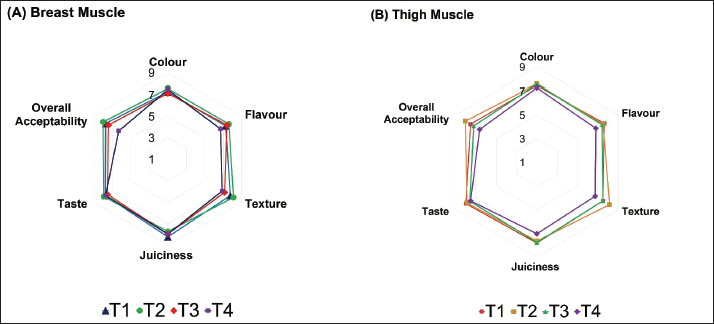
Sensory evaluationSensory evaluation showed that meat from birds in the T2 group received the highest overall acceptability scores in both breast (8.00) and thigh (8.00) cuts (Fig. 2). Parameters such as texture, flavor, and juiciness were all superior in T2 compared to the control and higher cassava groups. This confirms that 10% inclusion of CRLM does not negatively impact sensory attributes but rather enhances consumer acceptability (Supplementary Table 2).
Fig. 2. Sensory evaluation Breast muscle (A) and Thigh muscle (B). The data represent the mean value of 10 samples per treatment; T1=Control, T2=10% of CRLM, T3=20% of CRLM, T4=30% of CRLM. DiscussionThe effects observed in this study were apparently created by differences in energy and CP levels as determined by inclusion levels of CRLM since the treatments were neither isocaloric nor isonitrogenous. It is noticeable that an increasing percentage of CRLM is linked to the slightly decreasing amount of ME. In line with the findings published by Melesse et al. (2018), the study’s results showed that CRLM has a comparatively high CP content (28.20%). (Ravindran et al., 1986) reported 20.1% of CP, which is slightly lower than found in the current study. Conversely, Régnier et al. (2013) reported higher CP levels ranging from 30.0 to 34.7%. The findings of this study aligned with Okpara et al. (2022) and Obakanurhe et al. (2025). The formulated feed’s protein composition was similar to that of the commercial diet, although it had a somewhat lower ME level than the formulated feed. Cassava leaf’s high protein content and its favorable 2:1 calcium-to-phosphorus ratio support proper skeletal development and overall growth in chickens. Therefore, it can serve as an effective alternative to conventional feed ingredients such as maize and soybean (David et al., 2023). Assessing an animal’s growth rate requires measuring metrics such as body weight, weight gain, FI, FCR, FER, and mortality. These measurements aided in determining the birds’ weight gain, feed consumption per day, and the efficiency with which feed was transformed into weight. The effect of CRLM treatments on broiler chicken growth can be ascertained by examining these measures. The average amount of feed consumed by animals is one of the most significant variables that affect their performance. According to the study, the addition of CRLM had a substantial impact on the chickens’ FI, which was higher than control at early starting phage but reduced in T3 (20% CRLM) and T4 (30% CRLM). Therefore, adding cassava leaf beyond that point may negatively impact FI and consequently lower the broiler chicken growth performance. This could be explained by the dustiness and disagreeable flavor of the cassava LM, which may have prevented the birds from eating enough. When feeds are permissible and coarser than when they are finely ground, birds have been observed to eat more (Melesse et al., 2018). However, FI value was higher in broilers reared in the T3 and T4 diets with a high level of CRLM inclusion. These findings are consistent with previous studies by Iheukwumere et al. (2008) that also observed enhanced FI in broilers fed with 20% and 30% CRLM. In addition, this current result agreed with Uchegbu et al. (2011) who concluded that CRLM can be successfully incorporated in broiler starter diets up to 30% dietary level considering FI. However, Ogbuewu and Mbajiorgu (2023) found that including low levels of cassava (4%–10%) in the chicken feed had positive effects on the growth variables of broiler chickens which is partially true with our study. On the other hand, this study is not consistent with the findings of Bakare et al. (2021), who observed no impact on chicken eating patterns when different levels of CRLM were included in their diets. The FCR was similar across all treatment diets except for T2, indicating that CRLM might be used to partially substitute maize and soybean in broiler rations. In the poultry industry, a lower FCR means that a flock of broilers is more efficient at converting feed into meat and require less feed to gain weight. This is important to the poultry industry as feed costs continue to drive up production costs. The amount of protein, fat, and water that accumulates in an animal’s body determines its weight gain. The physiological age and maturity stage of the birds are determined by the individual accumulation and proportion of these components in each bodily part. The performance of chickens fed T3 and T4 diets was poorer than those given lower CRLM levels, aligning with the findings of Melesse et al. (2018) who reported reduced growth in birds fed higher CRLM inclusions. The weight gain may be attributed to anti nutritional factors in CRLM. Other harmful substances, such as protease inhibitors, HCN, tannins, non-starch polysaccharides, and phenols can also reduce FI (Elnour et al., 2020). Besides deficiency of certain amino acids particularly those sulfur-containing amino acids in CRLM may affect the lower body weight gain with a higher percentage of CRLM (Rahman et al., 2015). In broiler chicken production, achieving a lower FER is highly desirable. A lower FER means that broiler chickens are able to convert feed into body mass more effectively. This results in faster growth and quicker attainment of market weight. In our study, birds fed with a diet containing 30% CRLM exhibited a significantly lower FER compared to other groups, aligning with the results reported by Sabuj et al. (2019). The birds on the T2 (10% CRLM) treatment showed superior values in the weight of the cut parts of the carcass. The depressed weights of the carcass cut parts may be as a result of low FI in higher percentage of CRLM (Okpanachi et al., 2014); the inability of the birds to convert the feed into meat (Nwoche et al., 2006). The study by Bakare et al. (2021a,b) also revealed that broilers fed cassava-based diets attained marketable weights and produced satisfactory dressed carcass weights and dressing percentages without adverse effects. This suggests that cassava meals can be incorporated into broiler diets at levels up to 20% without negatively impacting performance or economic returns. Hematological qualities are strongly influenced by nutrition, and the values of these traits show the animals’ nutritional state and how responsive they are to their surroundings, including feed and feeding. In this study, the value of hematological parameters such as Hb, RBC, WBC, PCV, MCV, MCH, and so on. falls within the normal ranges similar with earlier study reported by Adeyeye et al. (2017). Our values also compared favorably with the haematological values reported by (Adeyemo and Sani, 2013) for broiler chickens fed Aspergillus niger hydrolyzed cassava peel meal-based diet. The normal values for hemoglobin obtained indicate effective transportation of oxygen, carbohydrates, and other feed nutrients in the body (Uchegbu et al., 2011). RBCs transport oxygen from the lungs to the other parts of the body and return carbon dioxide to the lungs for exhalation, and MCV determines the median amount of individual red blood cells (Emenalom et al., 2009). Normal RBC counts and MCV level indicate that the chicken has enough red blood cells that are of average size to meet its oxygenation needs. WBC are used as indications of response to stress and sensitive biomarkers critical to immune functioning (Adeyemo and Sani, 2013; Obakanurhe et al., 2025), implying that the birds had no immune challenged. According to Turkson and Ganyo (2015), PCV quantifies the percentage of blood volume inhabited by red blood cells; hence, the usual PCV values in our study imply that the birds did not suffer from anemia. The results for neutrophils, monocytes, lymphocytes, basophils, and eosinophils were all within the normal range reported by Nowaczewski and Kontecka (2012). Since high monocyte, neutrophils, basophil, and eosinophil values are an indication of active infection, the results show that the birds have no bacterial or viral infection. Cassava is rich in carbohydrates, particularly starch, which can be broken down into glucose. Feeding broilers with cassava can lead to an increase in their blood glucose levels due to the high carbohydrate content. Broilers typically exhibit higher glucose levels compared to mammals, with normal ranges between 180 and 250 mg/dl (Quattrone et al., 2025). These levels remain relatively constant due to glucoregulation, which is controlled by a complex mechanism involving several metabolic hormones, including insulin, glucagon, pancreatic polypeptide, corticosterone, and thyroxine. This result complies with our current study when fed with 20% and 30% CRLM and ensures that they have sufficient energy to support daily activities and growth. Various studies showed that broilers fed with cassava-based diets (10%, 15%) supplemented with adequate protein sources such as soybean meal or fishmeal exhibited total blood protein levels within the normal range (3.5–5.0 g/dl), similar to those fed with conventional corn-soybean diets (Egbunike et al., 2009). However, broilers on CRLM diets without proper protein supplementation in our study showed significantly lower total blood protein levels (around 2.6–3.6 g/dl), indicating the importance of a balanced diet. In poultry, uric acid is the primary nitrogenous waste product, as birds do not produce urea (Raidal and Echols, 2007). Birds fed higher CRLM levels showed elevated uric acid, likely due to lower protein content than soybean meal, which may increase body protein breakdown and raise blood uric acid (Iyayi and Davies, 2005). Cassava contains cyanogenic glycosides, detoxification process of these compounds in the liver can also impact metabolic processes, including those involving nitrogen, potentially affecting uric acid levels (Olanbiwoninu et al., 2016). However, some research indicate that broilers fed with lower concentration of CRLM diet can induce growth performance without significant adverse effects on blood uric acid parameter which is in the same trend with our current study (Nwokoro and Ekhosuehi, 2005). Our study found that providing CRLM diet to broilers lowering the blood cholesterol and triglycerides while reducing LDL and increasing HDL at the same time. These findings are comparable to some recent studies that found similar results and explained that CRLM reduces cholesterol and triglyceride levels by promoting bile acid excretion and thus utilizing more cholesterol for bile acid synthesis (Witthawaskul et al., 2003). This lower LDL and higher HDL levels are beneficial for broilers, indicating improved cardiovascular health, efficient lipid metabolism, and overall better health. Serum enzymes called AST and ALT can reveal important details on hepatocellular injury (Witthawaskul et al., 2003). They are also in charge of the in vivo transfer of amino groups, which results in the interconversion of amino acids. When it comes to caged birds, AST is thought to be one of the most accurate markers of liver illness (Maroufyan, 2010). In this study, the results of AST and ALT ranged from 196.60 to 209.24 U/l and 10.90 to 13.62 U/l, respectively, which were within normal ranges (Olanbiwoninu et al., 2016). This demonstrates that feeding broiler chickens at different concentrations (10%, 20%, and 30%) of CRLM was not responsible for a toxicological effect and further affirms that dietary interventions did not negatively impact liver functioning. Proximate analysis of broiler meat in our study showed that all nutritional values, such as moisture (71.92%–75.37%), CP (16.35%–22.76%), ether extract (1.20%–1.87%), and ash (1.41%–1.56%), fall within the normal range for both thigh and breast muscle according to Elnour et al. (2020). Hossain et al. (2024) explained that moisture content affects shelf life and microbial stability, CP is crucial for muscle growth and repair, ether extract influences flavor, energy density, and mouth feel, and ash reflects mineral content important for various physiological functions. The normal ranges of these nutritional components in chicken meat provide a benchmark for quality, nutritional value, and suitability for various dietary needs. High protein and moderate fat levels make this chicken meat a popular choice for a balanced diet, while its moisture content influences its culinary qualities. Additionally, the percentage of bound water that is maintained in the muscle is measured by the WHC. Better meat quality was indicated by T2 samples with the highest WHC and the lowest percentages of cooking losses. Higher WHC means that the meat retains more moisture during cooking, enhancing juiciness and tenderness, thus making it more desirable. This relationship aligns with Navid et al. (2010), who noted that lower water losses during cooking correspond to higher meat quality. Similarly, the reduced cooking loss of breast meat in chicken fed cassava meal implies high meat quality due to minimal protein loss into the water while cooking. Proteins are lost into water upon proteolysis, which becomes less common in harder meats with fewer fats. This finding aligns with Abu et al. (2015), who did their experiment on chickens by feeding cassava LM and cassava peel, reported that meat with low cooking loss has higher quality and protein content. The relationship between antioxidant levels and phenolic compounds in chicken meat is critical for its nutritional quality and shelf life (Hossain et al., 2024). Lower flavonoid levels and higher phenolic compounds can help reduce oxidative stress, contributing to better health outcomes by lowering the risk of chronic infections and improving the oxidative stability of the meat, which helps it, stay fresh longer and resist rancidity (Akbarian et al., 2015). This is particularly true for the breast muscle of broilers fed with 30% cassava LM. Conversely, higher flavonoid levels and lower phenolic compounds suggest better anti-inflammatory, antiviral, and antioxidant properties, with improved color stability of the meat. This was observed in the breast muscle of broilers in our study fed with 30% CRLM. Thus, CRLM may be a suitable replacement for maize and soybean in broiler feed, aiming to enhance the nutritional quality and shelf life of chicken meat. Additionally, our experimental meat showed higher L*, a*, and b* values compared to the control, indicating that the broiler meat was light, fresh-looking, and potentially influenced by specific dietary factors that enhance its visual appeal and perceived quality (Hassan et al., 2012). Colour, taste, flavour, and juiciness had no significant effect on organoleptic values across dietary treatment levels. This indicates that variations in the experimental diets had no significant effect (p > 0.05) on the chickens’ organoleptic attributes. However, the significant difference in texture and overall acceptability of the meat among the dietary treatments could be attributed to a variety of factors, including genetics, nutrition, age, and management procedures. The method of slaughter and carcass handling also impacts meat quality. Proper bleeding, chilling, and post-mortem aging processes are critical for developing desirable meat texture (Isikwenu et al., 2021). Optimal conditions and practices across these areas are essential to producing high-quality broiler meat that is tender, flavorful, and acceptable to consumers. Understanding and controlling these variables can help producers consistently meet market demands for superior meat products. The experiment was conducted for a relatively short duration and involved a single broiler strain, which may not fully represent field-level variability or long-term effects. Additionally, anti-nutritional factors such as residual cyanogenic glycosides and fiber content were not extensively quantified, which could influence nutrient utilization. Future research should include larger-scale, multi-breed, and longer-term trials along with detailed analyses of cassava processing methods to further validate and optimize its safe inclusion levels in poultry diets. ConclusionThis study demonstrates the potential of CRLM as an effective supplemental feed for broiler chickens, with findings indicating that up to 5% cassava LM can replace soybean meal and 5% CRM can replace maize in broiler diets without compromising growth performance, carcass and meat quality, hematological parameters, or serum biochemistry. The high protein and mineral content of cassava by-products make them a cost-effective, locally available alternative to costly conventional feeds, especially for small-scale poultry producers in cassava-abundant regions like Asia. Incorporating sun-dried cassava leaves and roots into broiler chicken diets not only supports sustainable poultry farming but also enhances the value of the cassava industry and strengthens local agricultural practices. However, further research is needed to optimize the nutritional value of cassava for monogastric animals and maximize its potential as a sustainable feed resource. AcknowledgmentsThe authors gratefully acknowledge the Laboratory of Agro Product Processing Technology and the Department of Nutrition and Food Technology, Jashore University of Science and Technology, Bangladesh, for their invaluable assistance and facilities, and the Poultry Research Center, Bangladesh Livestock Research Institute, Dhaka, for their generous support during this study. Conflict of interestThe authors declare no conflicts of interest. FundingThis research was funded by Bangabandhu Science and Technology Fellowship Trust, Dhaka-1207, Bangladesh, grant number 003. Author’s contributionsConceptualization, S.A. and M.B.; methodology, S.A., H.H., M.T.H., A.A., M.A., M.M.R. and M.B.; software, S.A., H.H., M.T.H. and M.M.R.; validation, M.M.R. and M.B.; formal analysis, S.A., H.H., M.T.H., M.M.R. and M.B.; investigation, S.A. and M.B.; resources, M.B.; data curation, S.A., H.H., M.T.H., S.F., A.A., M.A., M.M.R. and M.B.; writing—original draft preparation, S.A., H.H., M.T.H., M.M.R. and M.B.; writing—review and editing, S.A., H.H., M.T.H., S.F., A.A., M.A., M.M.R. and M.B.; visualization, M.M.R. and M.B.; supervision, M.M.R., A.A., M.A., and M.B.; project administration, M.B.; funding acquisition, S.A. and M.B. All authors have read and agreed to the published version of the manuscript. Data availabilityThe data that support the findings of this study are not openly available due to reasons of sensitivity and are available from the corresponding author upon reasonable request. ReferencesAbu, O.A., Olaleru, I.F. and Omojola, A.B. 2015. Carcass characteristics and meat quality of broilers fed cassava peel and leaf meals as replacements for maize and soyabean meal. IOSR. J. Agri. Vet. Sci. 8, 41–46. Adeyemo, I.A. and Sani, A. 2013. Haematological parameters and serum biochemical indices of broiler chickens fed aspergillus niger cassava peel based meal diet. Int. J. Recent Res. Appl. Stud. 15, 410–415. Adeyeye, S., Agbede, J., Aletor, V. and Oloruntola, O. 2017. Processed cocoa (Theobroma cacao) pod husks in rabbits diet: effect on haematological and serum biochemical indices. Asian J. Agricult. Res. 2, 1–9. Ahmed, S., Biswas, M., Sunny, A.R., Irin, F., Hossain, M.F., Rahman, M.M., Siddique, M.A.B., Alauddin, M., Debnath, M.K., Hossain, M.P. and Tufael. 2024. Nutritional evaluation of cassava meal components and maize in securing feed and food. J. Angiother. 8(1), 1–7. Ajide, S., Opowoye, I., Makinde, J., Bello, Z., Bot, M., Ahmadu, A. and Adeniran, M. 2023. Workable alternatives to conventional inputs in poultry farming. London, UK: IntechOpen, pp: 167–169. Akbarian, A., Golian, A., Kermanshahi, H., De Smet, S. and Michiels, J. 2015. Antioxidant enzyme activities, plasma hormone levels and serum metabolites of finishing broiler chickens reared under high ambient temperature and fed lemon and orange peel extracts and curcuma xanthorrhiza essential oil. J. Anim. Physiol. Anim. Nutr. (Berl). 99, 150–162. Akter, M.S., Uddin, M.T. and Dhar, A.R. 2023. Advancing safe broiler farming in bangladesh: an investigation of management practices, financial profitability, and consumer perceptions. Commodities 2, 312–328. Alam, M., Jannat, M., Datta, N., Hasan, M.M., Alam, A., Zahid, M.A., Moazzem, M.S., Molla, M.M. and Biswas, M. 2024. The influence of microwave-assisted osmotic dehydration in coconut meat preservation technique. Appl. Food Res. 4, 100448. Anyanwu, C.N., Ibeto, C.N., Ezeoha, S.L. and Ogbuagu, N.J. 2015. Sustainability of cassava (Manihot esculenta Crantz) as industrial feedstock, energy and food crop in Nigeria. Renew. Energy. 81, 745–752. AOAC. 2003. Official methods of analysis of the association of official’s analytical chemists. 17th Edition. Arlington, Virginia: Association of Official Analytical Chemists (AOAC). Bakare, A.G., Cawaki, P., Ledua, I., Bautista-Jimenez, V., Kour, G., Sharma, A.C. and Tamani, E. 2021a. Quality evaluation of breast meat from chickens fed cassava leaf meal-based diets. Anim. Prod. Sci. 61, 613–619. Bakare, A.G., Zindove, T.J., Iji, P.A., Stamatopoulos, K. and Cowieson, A.J. 2021b. A review of limitations to using cassava meal in poultry diets and the potential role of exogenous microbial enzymes. Trop. Anim. Health Prod. 53, 426. Bett, E.K., Njehia, B. and Njoroge, S. 2015. Impact of poultry feed price and price variability on commercial poultry production in Murang’a County, Kenya. Biswas, A.K. and Mandal, P.K. 2020. Meat quality analysis: advanced evaluation methods, techniques, and technologies. London, UK: Academic Press. Cheng, Y., Chen, Y., Li, X., Yang, W., Wen, C., Kang, Y., Wang, A. and Zhou, Y. 2017. Effects of synbiotic supplementation on growth performance, carcass characteristics, meat quality and muscular antioxidant capacity and mineral contents in broilers. J. Sci. Food. Agric. 97, 3699–3705. David, L.S., Anwar, M.N., Abdollahi, M.R., Bedford, M.R. and Ravindran, V. 2023. Calcium nutrition of broilers: current perspectives and challenges. Animals 13, 1590. Egbunike, G.N., Agiang, E.A., Owosibo, A.O. and Fatufe, A.A. 2009. Effect of protein on performance and haematology of broilers fed cassava peel-based diets. Arch. Zootec. 58, 655–662. Elnour, Z., Babiker, M. and Habib, A. 2020. Effect of different levels of cassava roots on growth performance, carcass traits and meat quality of broiler chickens. Int. J. Livest. Res. 10, 20–28. Emenalom, O.O., Etuk, E.B., Esonu, B.O. and Anaba, C. 2009. Effect of Mucuna pruriens (velvet bean) leaf meal on performance and blood composition of finisher broiler chickens. Niger. J. Anim. Prod. 36, 52–60. Hassan, A., Tamburawa, M., Alponsus, C. and Yusuf, J. 2012. Studies on growth, organs weight and haematological parameters of broiler chicken fed graded level of sun-dried cassava root meal. Bayero. J. Pure. Appl. Sci. 5, 98–102. Hossain, H., Nuradji, H., Miah, M.Y., Islam, M.N. and Siddiqui, M.S.I. 2025. Impact of synbiotic on growth performance, histo-architectural modulation of lymphoid organ, hematology, blood biochemistry and humoral immune response in naked neck chicken. Trop. Anim. Health. Prod. 57(4), 4. Hossain, M.T., Sardar, D., Afsana, S., Datta, M. and Habib, M.A. 2024. Comparative analysis between multi-strain probiotics and antibiotic as starter feed supplement of poultry on growth performance, serum metabolites and meat quality. Vet. Anim. Sci. 24, 100346. Iheukwumere, F.C., Ndubuisi, E.C., Mazi, E.A. and Onyekwere, M.U. 2008. Performance, nutrient utilization and organ characteristics of broilers fed cassava leef meal (Manihot esculenta Crantz). Pak. J. Nutr. 7, 13–16. Imranuzzaman, M., Hossain, H., Pory, F., C, D., Haque, M., Akter, S., Dey, P., Rahman, M., Shovon, M., Rahman, M., Islam, M. and Rahman, M. 2025. Phytase supplementation in broilers: influence on growth performance and physiological health. J. Adv. Biotechnol. Exp. Ther. 8, 342–352. Isikwenu, J.O., Akpodiete, O.J., Omeje, S.I. and Okagbare, G.O. 2021. The effects of replacing groundnut cake with urea-treated and fermented brewer’s dried grains on nutrient’s digestibility, retention and carcass characteristics on broiler finishers. Niger. J. Anim. Prod. 37, 1–12. Iyayi, E.A. and Davies, B.I. 2005. Effect of enzyme supplementation of palm kernel meal and brewer’s dried grain on the performance of broilers. Int. J. Poult. Sci. 4, 76–80. Kamruzzaman, M., Islam, S. and Rana, M.J. 2021. Financial and factor demand analysis of broiler production in Bangladesh. Heliyon 7, 7152. Li, M., Zhou, H., Pan, X., Xu, T., Zhang, Z., Zi, X. and Jiang, Y. 2017. Cassava foliage affects the microbial diversity of chinese indigenous geese caecum using 16S RRNA sequencing. Sci. Rep. 7, 45697. Li, M., Zhou, H., Xu, T. and Zi, X. 2019. Effect of cassava foliage on the performance, carcass characteristics and gastrointestinal tract development of geese. Poult. Sci. 98, 2133–2138. Li, M., Zi, X., Tang, J., Xu, T., Gu, L. and Zhou, H. 2020. Effects of cassava foliage on feed digestion, meat quality, and antioxidative status of geese. Poult. Sci. 99, 423–429. Maroufyan. 2010. Change in growth performance and liver function enzymes of broiler chickens challenged with infectious bursal disease virus to dietary supplementation of methionine and threonine. Am. J. Anim. Vet. Sci. 5, 20–26. Martínez, Y., Altamirano, E., Ortega, V., Paz, P. and Valdivié, M. 2021. Effect of age on the immune and visceral organ weights and cecal traits in modern broilers. Animals 11, 845. Melesse, A., Masebo, M. and Abebe, A. 2018. The substitution effect of noug seed (guizotia abyssinica) cake with cassava leaf (Manihot escutulata C.) meal on feed intake, growth performance, and carcass traits in broiler chickens. J. Anim. Husb. Dairy Sci. 2, 1–9. National Research Council (NRC). 1994. Nutrient requirements of poultry: ninth revised edition. Washington, DC: The National Academies Press. Navid, S., Hilmi, M., Sazili, A.Q. and Sheikhlar, A. 2010. Effects of papaya leaf meal, pineapple skin meal and vitamin d3 supplementation on meat quality of spent layer chicken. J. Anim. Vet. Adv. 9, 2873–2876. Nowaczewski, S. and Kontecka, H. 2012. Haematological indices, size of erythrocytes and haemoglobin saturation in broiler chickens kept in commercial conditions. Anim. Sci. Pap. Rep. 30, 181–190. Nwoche, G., Ndubuisi, E. and Iheukwumere, F. 2006. Performance of finisher broilers and cost implication of feeding palm oil as energy supplement. Niger. Agric. J. 37, 44–49. Nwokoro, S.O. and Ekhosuehi, E.I. 2005. Effect of replacement of maize with cassava peel in cockerel diets on performance and carcass characteristics. Trop. Anim. Health Prod. 37, 495–501. Obakanurhe, O., Irikefe-Ekeke, E.P., Moemeka, A.M., Onwumelu, I.J., Sanubi, J.O. and Unukevwere, J.U. 2025. Antioxidant and antinutritional potentials of sweet potato (Ipomoea batatas) leaf meal on the growth performance, economics of production, blood indices, carcass characteristics and histopathology of broiler chickens. Trop. Anim. Health. Prod. 57, 51. Ofuoku, A.U., Oghenesuvwe, O. and Oghenebrorhie, O. 2016. Impact of rural-urban migration on poultry production in the Niger Delta Region, Nigeria. Int. J. Agri. Sci. Res. Technol. Ext. Educ. Syst. 6, 13–20. Ogbuewu, I.P. and Mbajiorgu, C.A. 2023. Dietary dialium guineense stem-bark supplementation improves growth performance and haemato-biochemical characteristics of broiler chickens. Heliyon 9, e17341. Okpanachi, U., Musa, A.A., Adewoye, A.T. and Adejoh, O.C. 2014. Effects of replacing maize with graded levels of cassava tuber meal, brewer’s dried grain and palm oil mixture on the serum biochemistry and carcass characteristics of broiler chickens. IOSR. J. Agric. Vet. Sci. 7, 27–31. Okpara, N., Chauvenet, C., Grich, K. and Turner-McGrievy, G. 2022. Food doesn’t have power over me anymore! self-efficacy as a driver for dietary adherence among African American adults participating in plant-based and meat-reduced dietary interventions: a qualitative study. J. Acad. Nutr. Diet. 122, 811–824. Olanbiwoninu, A.A., Odunfa, S.A., Olanbiwoninu, A.A. and Odunfa, S.A. 2016. Production of cellulase and xylanase by aspergillus terreus KJ829487 using cassava peels as substrates. Adv. Microbiol. 6, 502–511. Quattrone, A., Picozzi, I., Lubian, E., Fehri, N.E., Menchetti, L., Barbato, O., Vigo, D., Agradi, S., Sulçe, M., Faustini, M., Ozuni, E., Bixheku, X., Brecchia, G. and Curone, G. 2025. Blood glucose in birds: another way to think about ‘normal’ glycemia and diabetes mellitus in animals. Diversity 17, 1–20. Rahman, M., Hossain, H., Mia, M., Rahman, M., Farabi, A., Dudayev, Z., Brishty, K., Afrin, N., Shovon, M., Chowdhury, M., Rahman, M. and Rahman, M. 2025. Selection of efficient broiler strain for productive performances and immunity under local farming system in bangladesh. J. Adv. Biotechnol. Exp. Ther. 8, 218–231. Rahman, S.M., Roy, B.K.,., Shahriar, S.I.M. and Nipa, F.Y. 2015. Poultry industry in Bangladesh: issues and challenges. Int. J. Bus. Manage. Soc. Res. 2, 71–79. Raidal, S. and Echols, S. The advantages and disadvantages of excreting uric acid. In Association of Avian Veterinarians Australasian Committee (AAVAC) Annual Conference, Melbourne, Australia, 2007, pp 87–100. Ravindran, V., Abdollahi, M.R. and Bootwalla, S.M. 2014. Nutrient analysis, metabolizable energy, and digestible amino acids of soybean meals of different origins for broilers. Poult. Sci. 93, 2567–2577. Ravindran, V., Rajadevan, P., Goonewardene, L.A. and Rajaguru, A.S.B. 1986. Effects of feeding cassava leaf meal on the growth of rabbits. Agricult. Wastes. 17, 217–224. Régnier, C., Bocage, B., Archimède, H., Noblet, J. and Renaudeau, D. 2013. Digestive utilization of tropical foliages of cassava, sweet potatoes, wild cocoyam and erythrina in creole growing pigs. Anim. Feed Sci. Technol. 180, 44–54. Sabuj, A.A.M., Barua, N., Tayyeb, M.A. and Bary, M.A. 2019. Comparative analysis of growth performance of broiler fed with different commercial feeds of Bangladesh. Asian. J. Res. Anim. Vet. Sci. 3, 1–6. Turkson, P.K. and Ganyo, E.Y. 2015. Relationship between haemoglobin concentration and packed cell volume in cattle blood samples. Onderstepoort. J. Vet. Res. 82, 863. Uchegbu, M.C., Ogbuewu, I.P., Obimara, S.O. and Obua, B.E. 2011. Effect of replacement of maze with cassava root meal fortified with palm oil on performance of starter broilers. Online. J. Anim. Feed. Res. 1, 171–175. Vargas-Ramella, M., Pateiro, M., Rois, D., Arias, A., Justo, J.R., López-Pedrouso, M., Lorenzo, J.M. and Franco, D. 2022. Effect of breed and diet on carcass parameters and meat quality of spent hens. Ann. Anim. Sci. 22, 477–500. Wang, W., Feng, B., Xiao, J., Xia, Z., Zhou, X., Li, P., Zhang, W., Wang, Y., Møller, B.L., Zhang, P., Luo, M.C., Xiao, G., Liu, J., Yang, J., Chen, S., Rabinowicz, P.D., Chen, X., Zhang, H.B., Ceballos, H., Lou, Q., Zou, M., Carvalho, L.J., Zeng, C., Xia, J., Sun, S., Fu, Y., Wang, H., Lu, C., Ruan, M., Zhou, S., Wu, Z., Liu, H., Kannangara, R.M., Jørgensen, K., Neale, R.L., Bonde, M., Heinz, N., Zhu, W., Wang, S., Zhang, Y., Pan, K., Wen, M., Ma, P.A., Li, Z., Hu, M., Liao, W., Hu, W., Zhang, S., Pei, J., Guo, A., Guo, J., Zhang, J., Zhang, Z., Ye, J., Ou, W., Ma, Y., Liu, X., Tallon, L.J., Galens, K., Ott, S., Huang, J., Xue, J., An, F., Yao, Q., Lu, X., Fregene, M., López-Lavalle, L.A., Wu, J., You, F.M., Chen, M., Hu, S., Wu, G., Zhong, S., Ling, P., Chen, Y., Wang, Q., Liu, G., Liu, B., Li, K. and Peng, M. 2014. Cassava genome from a wild ancestor to cultivated varieties. Nat. Commun. 5, 5110. Witthawaskul, P., Panthong, A., Kanjanapothi, D., Taesothikul, T. and Lertprasertsuke, N. 2003. Acute and subacute toxicities of the saponin mixture isolated from schefflera Leucantha viguier. J. Ethnopharmacol. 89, 115–121. Supplementary Table 1. Growth performance of experimental broiler diets on graded levels of cassava root and leaf meal.
Supplementary Table 2. Sensory evaluation of breast and thigh muscle.
| ||


| How to Cite this Article |
| Pubmed Style Ahmed S, Hossain H, Hossain MT, Ferdouse S, Alam A, Sardar D, Alauddin M, Rahman MM, Biswas M. Cassava root and leaf meal as alternatives to energy and protein sources in broiler diets: Impacts on growth, carcass traits, blood biochemistry, meat quality. Open Vet. J.. 2026; 16(1): 560-576. doi:10.5455/OVJ.2026.v16.i1.53 Web Style Ahmed S, Hossain H, Hossain MT, Ferdouse S, Alam A, Sardar D, Alauddin M, Rahman MM, Biswas M. Cassava root and leaf meal as alternatives to energy and protein sources in broiler diets: Impacts on growth, carcass traits, blood biochemistry, meat quality. https://www.openveterinaryjournal.com/?mno=276828 [Access: June 26, 2026]. doi:10.5455/OVJ.2026.v16.i1.53 AMA (American Medical Association) Style Ahmed S, Hossain H, Hossain MT, Ferdouse S, Alam A, Sardar D, Alauddin M, Rahman MM, Biswas M. Cassava root and leaf meal as alternatives to energy and protein sources in broiler diets: Impacts on growth, carcass traits, blood biochemistry, meat quality. Open Vet. J.. 2026; 16(1): 560-576. doi:10.5455/OVJ.2026.v16.i1.53 Vancouver/ICMJE Style Ahmed S, Hossain H, Hossain MT, Ferdouse S, Alam A, Sardar D, Alauddin M, Rahman MM, Biswas M. Cassava root and leaf meal as alternatives to energy and protein sources in broiler diets: Impacts on growth, carcass traits, blood biochemistry, meat quality. Open Vet. J.. (2026), [cited June 26, 2026]; 16(1): 560-576. doi:10.5455/OVJ.2026.v16.i1.53 Harvard Style Ahmed, S., Hossain, . H., Hossain, . M. T., Ferdouse, . S., Alam, . A., Sardar, . D., Alauddin, . M., Rahman, . M. M. & Biswas, . M. (2026) Cassava root and leaf meal as alternatives to energy and protein sources in broiler diets: Impacts on growth, carcass traits, blood biochemistry, meat quality. Open Vet. J., 16 (1), 560-576. doi:10.5455/OVJ.2026.v16.i1.53 Turabian Style Ahmed, Shahabuddin, Hemayet Hossain, Md. Taslim Hossain, Shaolin Ferdouse, Asraful Alam, Dipankar Sardar, Md. Alauddin, Md. Mahfujur Rahman, and Mrityunjoy Biswas. 2026. Cassava root and leaf meal as alternatives to energy and protein sources in broiler diets: Impacts on growth, carcass traits, blood biochemistry, meat quality. Open Veterinary Journal, 16 (1), 560-576. doi:10.5455/OVJ.2026.v16.i1.53 Chicago Style Ahmed, Shahabuddin, Hemayet Hossain, Md. Taslim Hossain, Shaolin Ferdouse, Asraful Alam, Dipankar Sardar, Md. Alauddin, Md. Mahfujur Rahman, and Mrityunjoy Biswas. "Cassava root and leaf meal as alternatives to energy and protein sources in broiler diets: Impacts on growth, carcass traits, blood biochemistry, meat quality." Open Veterinary Journal 16 (2026), 560-576. doi:10.5455/OVJ.2026.v16.i1.53 MLA (The Modern Language Association) Style Ahmed, Shahabuddin, Hemayet Hossain, Md. Taslim Hossain, Shaolin Ferdouse, Asraful Alam, Dipankar Sardar, Md. Alauddin, Md. Mahfujur Rahman, and Mrityunjoy Biswas. "Cassava root and leaf meal as alternatives to energy and protein sources in broiler diets: Impacts on growth, carcass traits, blood biochemistry, meat quality." Open Veterinary Journal 16.1 (2026), 560-576. Print. doi:10.5455/OVJ.2026.v16.i1.53 APA (American Psychological Association) Style Ahmed, S., Hossain, . H., Hossain, . M. T., Ferdouse, . S., Alam, . A., Sardar, . D., Alauddin, . M., Rahman, . M. M. & Biswas, . M. (2026) Cassava root and leaf meal as alternatives to energy and protein sources in broiler diets: Impacts on growth, carcass traits, blood biochemistry, meat quality. Open Veterinary Journal, 16 (1), 560-576. doi:10.5455/OVJ.2026.v16.i1.53 |


