





| Research Article | ||
Open Vet. J.. 2026; 16(2): 973-986 Open Veterinary Journal, (2026), Vol. 16(2): 973-986 Research Article Epidemiological and clinical assessment of canine diabetes mellitus in Cocody, Abidjan, Republic of Ivory CoastLanan Wassy Soromou1,2*, Meledje Paul-Dany Abo2, Sâa André Tolno2, Mama Agnès Tea2, Almamy Ousmane Deen Camara2, Eric Ghigo1, Mamadi Sanoh2 and Pascal Bilivogui21Department of Applied Biology, University of Labé, Labé, Republic of Guinea 2Department of Veterinary Medicine, High Institute of Sciences and Veterinary Medicine of Dalaba, Dalaba, Republic of Guinea *Corresponding Author: Lanan Wassy Soromou. Department of Applied Biology, University of Labé, Labé, Republic of Guinea. Email: lanan-wassy.soromou [at] univ-labe.edu.gn Submitted: 10/06/2025 Revised: 12/12/2025 Accepted: 03/01/2026 Published: 28/02/2026 © 2026 Open Veterinary Journal
AbstractBackground: Diabetes mellitus (DM) is a well-known endocrine disorder in humans characterized by chronic hyperglycemia due to insulin deficiency or resistance. However, this disease remains poorly documented and often underdiagnosed in companion animals, particularly in developing countries. Aim: This study aimed to evaluate the prevalence, owner awareness, and management strategies of Canine DM (CDM) in Cocody, Abidjan. Methods: This study incorporated interviews with veterinarians from five clinics, analysis of clinical data from 2009 to 2021, a survey of dog-owning families, clinical examinations, and targeted blood glucose screening. Results: Ten cases of canine diabetes were identified, with 80% of owners discontinuing treatment due to the high cost of caninsulin. No remission cases were reported, and the mortality rate was 20%. The survey revealed that only 16% of households were aware of the existence of diabetes in dogs, with the majority believing that the disease exclusively affected humans. A total of 751 dogs, representing 21 breeds, were recorded, corresponding to a canine density of 6 dogs/km². Among the dogs examined, 67% were obese, indicating an increased risk of metabolic disorders. The overall prevalence of canine diabetes in Cocody was 0.4%. Conclusion: This study highlights the low awareness of dog owners about canine diabetes, the relatively low but significant prevalence of the disease, and the challenges associated with maintaining long-term therapeutic management. It emphasizes the need to improve veterinary communication, strengthen disease screening, and promote preventive strategies targeting risk factors such as obesity and inappropriate diet. Keywords: Canine diabetes, Diabetes control, Ivory Coast, Prevalence. IntroductionVeterinary medicine is currently experiencing significant advances, particularly in the diagnosis of animal diseases. However, certain idiopathic conditions, such as diabetes mellitus (DM), remain a major concern for practitioners. In companion animals, particularly dogs, diabetes is a chronic endocrine disorder whose multifactorial etiology is still only partially understood. Several factors have been implicated in canine diabetes onset. These include poor breeding practices, inappropriate use of hormonal products, self-medication, and a general lack of awareness regarding animal welfare (Boitard, 2020; Foussier and Zergane, 2021;Humeau and Sénécat 2023; Trigui et al., 2023). In the Ivory Coast, particularly in Abidjan, the dog industry has experienced significant growth in recent years. This expansion has led to a rising importation of exotic breeds, many of which are poorly adapted to the local climate and environmental conditions. As a result, some owners have adopted high-risk practices in a context where the animal welfare and health of the community are not very important. Over time, these behaviors may contribute to the resurgence of cases of canine diabetes. Canine diabetes is now recognized as an emerging disease globally, although its actual prevalence remains difficult to estimate due to the limited number of available studies. Existing data place prevalence rates between 0.0005% and 1.5%, with significant variations between countries and diagnostic methodologies (Louis-Joseph, 2020). Research conducted in Europe, in countries such as Italy, Sweden, the United Kingdom, and France, has helped clarify the extent of the problem. In Africa, Nigeria stands out as a pioneer, with a reported prevalence of 0.22% in local dog breeds (Ihedioha and Enahoro, 2019). Canine DM, a non-communicable disease with pandemic potential, resulting from pancreatic dysfunction, is currently incurable. This insidious and often overlooked disease is responsible for many unexplained premature deaths (Louis-Joseph, 2020). Given this situation, regular screening and owner education are among the most effective strategies for improving disease management (Ekoé et al., 2018). To date, no scientific studies have explicitly addressed the prevalence of canine diabetes in the Ivory Coast, and public awareness initiatives remain virtually nonexistent. In this context, the present study was undertaken to investigate and evaluate the current state of diabetes screening and management in dogs in the urban municipality of Cocody, with the aim of raising awareness of this silent but concerning disease among animal health stakeholders. Materials and MethodsSelection of study areaWe chose this municipality for our thesis because of the facility with which residents can procure exotic dog breeds and the presence of veterinary clinics. The municipality hosts some of the most renowned clinics in the Ivory Coast, particularly the one in Riviera, where practical training courses are regularly held. Description of the study areaThis study was conducted in the Ivory Coast, specifically in the urban municipality of Cocody, which is located north of Abidjan and is part of the department of Abidjan. It is located at the geographical coordinates 5°20'56“ north, 4°00'42” west (longitude 3.9833 and latitude 5.35). The population was 447,055 in 2014, with a population density of 3,387 inhabitants per km². Cocody covers an area of 132 km². Dog breeding is highly developed in this area and is now one of the most important activities in this area. Biological materialA total of 751 dogs were examined. This study aimed to assess the prevalence and control of DM in dogs in the urban commune of Cocody (Abidjan, Ivory Coast) using an approach involving veterinary services, private practitioners, and homeowners. A cross-sectional survey with both qualitative and quantitative components was conducted. Study design and participantsThis mixed-methods study involved (i) veterinary stakeholders (public and private) and (ii) dog-owning families in Cocody. Participants were selected based on their relevance to the research topic, either as professionals involved in canine health care or as owners of potentially diabetic animals. The study followed a five-step methodological approach: (a) Interviews with key stakeholders in the veterinary sector and analysis of available documentation (b) Conducted structured interviews with dog owners (c) Clinical examination of the dogs (d) Blood glucose screening using a validated method (e) Diabetes prevalence estimation and recommendation of control strategies. Data collectionInterviews and analysis of archivesPublic veterinary servicesSemi-structured interviews were conducted with key decision-makers at the Veterinary Services Directorate in Abidjan. An informal guide was used to explore knowledge about canine diabetes, recorded or suspected cases, inter-institutional collaboration, and canine population estimates. Private veterinary clinicsVeterinarians in Cocody were surveyed using an open-ended questionnaire. The data collected included the frequency and number of diagnosed canine diabetes cases, diagnostic tools used, treatment modalities, and outcomes (recovery or death). Household surveyA structured questionnaire was used to assess dog owners’ knowledge and practices regarding diabetes control in dogs. The information collected included the following:
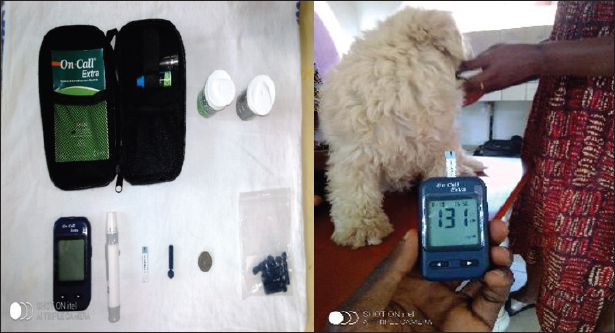
Clinical examination of the dogsA basic clinical examination was performed on dogs from consenting families to assess their general health and identify signs of DM. The clinical checklist included behavior observation, skin and eye inspection (such as checking for cataracts), body and joint palpation, and lymph node examination. The hydration status was also assessed using the skin turgor test. Screening for blood glucoseScreening was performed using the One Call Extra glucometer (Fig. 1) in accordance with the protocol described by Jeantin (2016). Blood was collected from the marginal vein of the ear, and glucose levels were recorded and compared to the canine reference range [75–120 mg/dl). Description of procedureFirst, only dogs whose owners provided informed consent were included in the study. Next, gentle restraint was applied to reduce stress before the procedure. The inner ear (puncture site) was disinfected using a 0.05% chlorhexidine antiseptic solution. Subsequently, a qualified veterinarian performed blood sampling using a sterile lancet and a lancing device. The puncture site was cleaned again with the same antiseptic solution to prevent infection and reduce discomfort after sampling. The test strip was then inserted into the glucometer, and the glucose level was recorded. The obtained value was then compared with the normal reference range. Finally, the dogs were released immediately after the procedure and closely monitored for any signs of discomfort or complications; no signs were observed in any of the subjects.
Fig. 1. Screening kit (one-call extra blood glucose meter). Estimating the prevalence of diabetesPrevalence was defined as the proportion of animals with diabetes among all animals examined during that period, expressed as a percentage as follows:
To estimate the confidence limits around prevalence, the following equation was used:
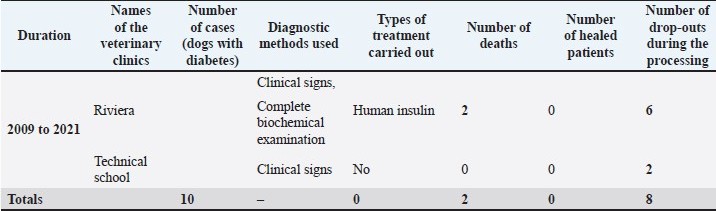
where f is the observed proportion and n is the sample size. Data processing and analysisAll data were digitally recorded using KoboCollect and later transferred to Microsoft Excel and SPSS for statistical analysis. Descriptive statistics (frequencies, means, and standard deviations) were computed. Comparisons between variables (e.g., age, sex, and breed vs. diabetic status) were conducted using the chi-square test or Student’s t-test, with significance set at p < 0.05. Confidentiality was ensured by anonymizing the personal identifiers (names, addresses, and contact information of the clinic owners). Ethical approvalThe study was conducted with the approval of the « Comité du département de Médecine Vétérinaire de l’Institut Supérieur des Sciences et de Médecine Vétérinaire de DALABA » under the following number DMV0352021. The animal experimentation was conducted under the supervision of the Cabinet Veterinaire WOULADA under Number 18418F. ResultsResults of surveys among veterinarians and archives analysisConsultation was held with veterinarians from the Department of Veterinary Services and private veterinarians practicing in the urban commune of Cocody. These included professionals from the Latrille Veterinary Clinic, Akwaba Veterinary Practice, Angré Veterinary Clinic, Riviera Veterinary Clinic, and Technical High School Veterinary Clinic. During the interviews, due to a lack of previous studies on canine diabetes, no comprehensive data were available on the affected canine population (Table 1) or on the main causes of the disease. However, the analysis of the archives revealed the previous presence of the disease, with approximately 10 cases reported, mainly in older dogs. Diagnoses were most often based on clinical suspicion alone. The lack of specific veterinary treatments, combined with the high cost of care, often led owners to abandon their affected animals. Some corticosteroids, such as cortisol and prednisolone, have been reported to be administered at specific doses in treatment protocols. Furthermore, the interviewed veterinarians did not know the types of food provided by the owners to the animals. Table 1. Diabetes mellitus status in dogs according to private clinics.
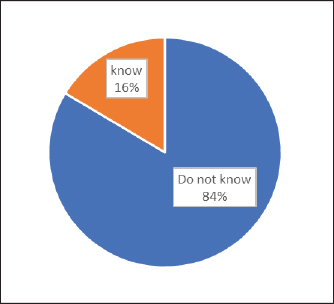
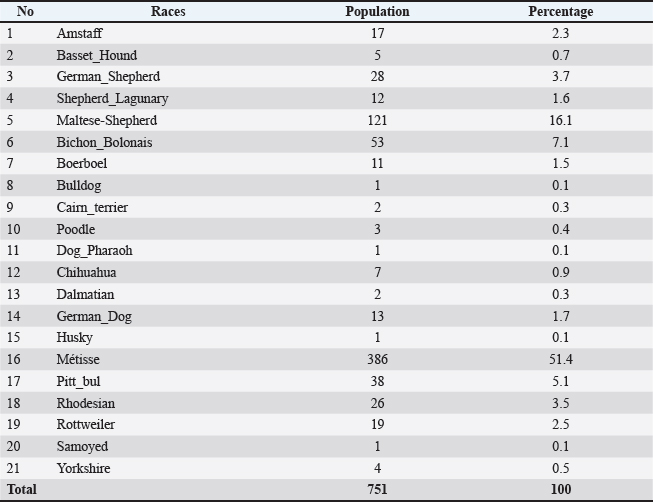
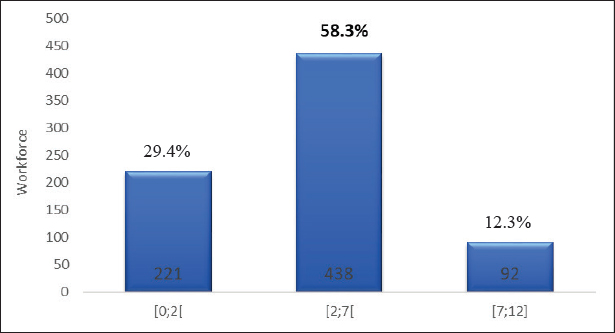
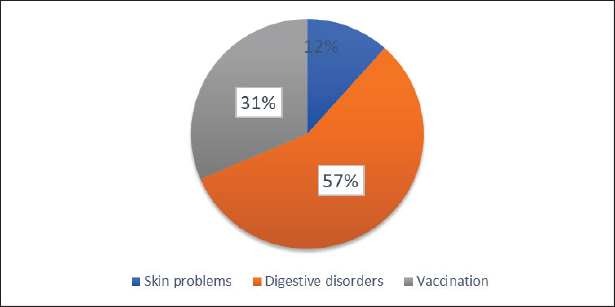
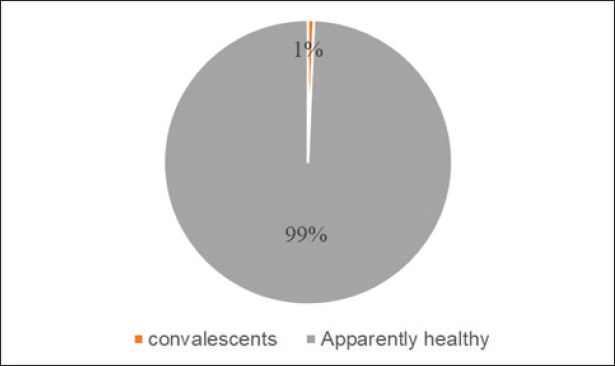
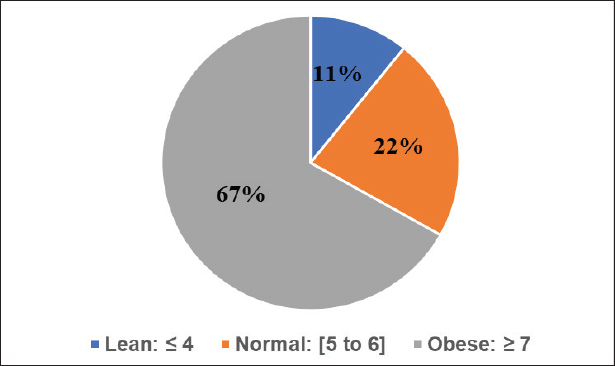
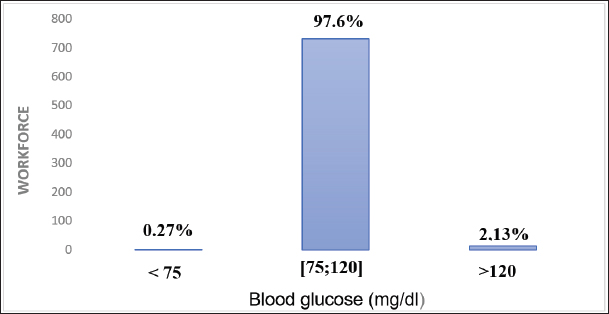
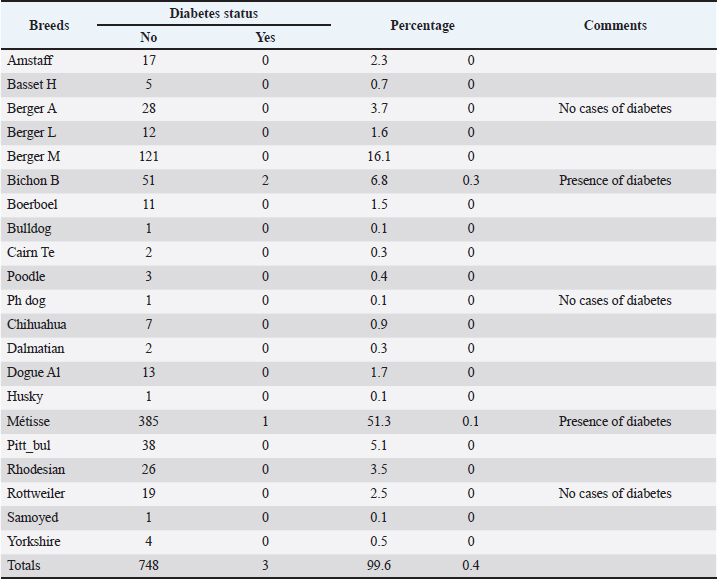
Regarding the situation of DM in dogs, according to private clinics, the data indicate that canine diabetes has been present in the urban district of Cocody for several years, with 10 confirmed cases reported between 2009 and 2021. The diagnostic approach was based primarily on the presence of characteristic clinical signs, such as polyuria, polydipsia, and polyphagia, as well as biochemical analyses revealing hyperglycemia. Treatment discontinuation was also observed among some dog owners. This trend may be attributed to the difficulties associated with managing canine diabetes, particularly the need for long-term treatment and daily insulin administration, which impose significant logistical and financial constraints on pet owners (Table 1). Density of the canine populationBy applying the formula, we found that the canine population density was 751/132=6 dogs/km². These data are crucial because they can facilitate the planning of vaccination, sterilization, or dog census campaigns by ensuring the appropriate allocation of necessary resources. Results of the dog owners’ surveyLevel of awarenessQuestionnaires were administered to households to assess their level of knowledge regarding canine diabetes. The results revealed that 16% of the 618 surveyed households were aware of canine diabetes and recognized that dogs can be affected by this disease. In contrast, 84% of the respondents were only familiar with diabetes in humans and were unaware that the condition could also occur in dogs (Fig. 2). Races of bred dogsA total of 21 dog breeds were identified during our study. Among these, 51.4% were crossbreeds, representing most of the dog population studied. This difference may be explained by the relatively small size of the dog population in the municipality of Cocody, which was estimated at 751 dogs at the time of our research. Additionally, socioeconomic, cultural, and structural factors appear to influence dog ownership and the choice of specific breeds (Table 2). Age of the caninesFigure 3 presents the owner survey results regarding the age distribution of the animals. As shown in this figure, the dogs in our study were a maximum of 12 years old. The most represented age group was 2–7 years old, accounting for 58.3% of the total canine population. Reasons for the consultationWe investigated the reasons for veterinary consultations. The results show that dog owners in the Cocody commune consult vets mainly for three reasons: skin problems, digestive problems and vaccination. Among these reasons, digestive problems were the main reason for consultation, with a rate of 57% (Fig. 4). Clinical examinationCanine health at screeningA clinical examination was conducted to assess the animals’ current state of health. The results presented in Figure 5 show that almost all the dogs examined in our study were apparently healthy, i.e., 99%, compared with 1% who were convalescent. This observation could be linked to the nature of the consultations, which were often preventive (vaccination, worming), or to the frequency of systematic screening for certain underlying conditions. Canine body condition score (CBCS)In this study, clinical examination was used to assess the dogs’ physical condition following their stay. The results are presented in Figure 6. The figure shows that the majority of dogs in Cocody had a body condition ranging from lean to obese, with a marked prevalence of obesity estimated at 67%. Obesity in pets could be explained by a sedentary lifestyle, an unsuitable or excessive diet, and the increasingly frequent use of sterilization/castration methods, which are known to encourage weight gain in animals in the absence of dietary monitoring and regular exercise. Canine screeningGlycemic status of the caninesDogs were screened to determine their glycemic status. Figure 7 shows that the blood glucose levels measured in the dogs during the screening were as follows: 0.27% of the subjects had hypoglycemia (value < 75 mg/dl), 97.6% had normal blood glucose levels (between 75 and 120 mg/dl), and 2.13% had hyperglycemia (value > 120 mg/dl). These differences in blood glucose levels could be due to the different physiological states of the animals, their diet before sampling, or stress factors at the time of blood sampling.
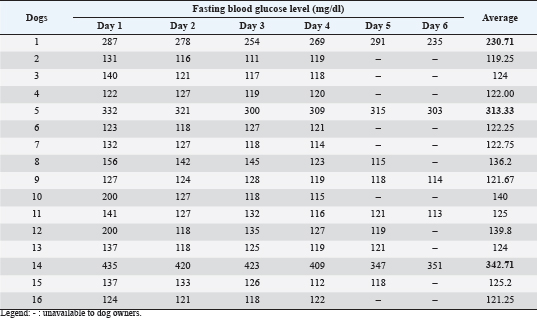
Fig. 2. Household knowledge of canine diabetes. Diabetic status of the caninesWe performed fasting blood glucose tests, repeated on several occasions and on different days, to accurately determine the diabetic status of the dogs examined. These results are presented in Table 3. According to this table, the average blood glucose values ranged from 119.25 mg/dl to 342.71 mg/dl. A blood glucose level of 200 mg/dl or more is generally associated with the appearance of glycosuria. Thus, the association between chronic hyperglycemia and glycosuria constitutes a reliable diagnostic criterion for DM in dogs. These different averages could be explained by the variability in the disease stages in the screened subjects, the diversity of individual metabolic responses, or the influence of certain treatments or comorbidities (e.g., stress, diet, and concomitant endocrine diseases). Table 2. Inventory of breeds bred in Cocody commune.
Fig. 3. Age range of the dogs included in the study.
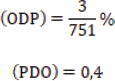
Fig. 4. Reasons for the consultation. Prevalence of canine DMThe prevalence was determined by applying the following formula : Observed diabetes prevalence (ODP)=(number of diabetic animals (DA)/number of animals screened (AS)) × 100%
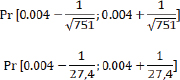
The overall prevalence of canine diabetes in the urban district of Cocody is 0.4%. This rate represents a relatively low but not negligible prevalence in the study area, reflecting the disease’s real existence in the local dog population. For our study, we have framed the values that the real prevalence could take, and this would be in the range given by the following formula:
If n ≥30 ; nf ≥5 ; n (1-f) ≥5 then NC=95% et RA=5%
Fig. 5. Dogs’ health status.
Fig. 6. Body condition score. with : f=PD=0.004; n=751
If it had been possible to carry out an individual examination of all the subjects in the Cocody dog population using the rapid diagnostic test (RDT) in blood using the “One Call Extra” kit, the estimated values for the prevalence of canine diabetes could have been within the CI of 0.27%–0.53%.
Fig. 7. Blood sugar status of the dogs. Table 3. Diabetic status of the dogs.
Risk factors for diabetesDiabetic status of canines based on blood glucose levelsWe cross-referenced diabetic status with blood glucose values to determine whether there was a link between these two variables. The results are presented in Table 4. The observation in Table 4 shows that hyperglycemia was present in all dogs diagnosed as diabetic. Statistical analysis using the Chi-square test (u03c7²) revealed a significant difference between groups (χ²=138.365ᵃ; ddl=2; p=0.00 < 0.05), indicating a statistically significant association between glycemic status and the occurrence of DM in dogs. Hyperglycemia would reflect an alteration in carbohydrate metabolism, probably due to insulin deficiency or insulin resistance. Table 4. Diabetic status of dogs according to blood glucose levels.
Table 5. Diabetic status of dogs according to the condition score.
Table 6. Diabetic status of the dogs according to reproductive status.
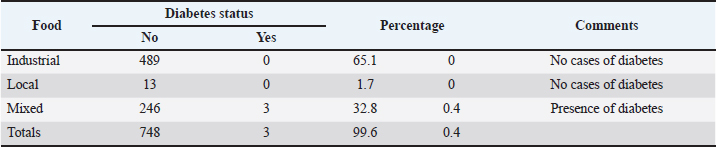
Diabetic status of canines according to the condition scoreWe cross-referenced the diabetic status with the body condition score to determine whether there was a link. Table 5 presents the results of this analysis. The analysis of the table reveals that dogs with diabetes were only represented by individuals with a lean (0.3%) and normal (0.1%) body condition score. No obesity was observed among the recorded cases of diabetes. This indicates that the obese dogs in our sample did not develop diabetes. However, this hypothesis must be interpreted with caution. The chi-square test (u03c7²) (χ²=10.896; ddl=2; p=0.004 < 0.05) showed a statistically significant difference between the different classes of the body condition score, suggesting an association between this variable and the occurrence of DM in dogs. Thus, although no obese dogs were diagnosed with diabetes during this study, the distribution of cases according to body condition indicates a probable influence of this factor. Diabetic status of canines as a function of reproductive statusTable 6 shows that only non-gonadectomised dogs appear to develop diabetes. Although a potential link between diabetes and gonadectomy status is often suggested, the statistical test failed to confirm this association (p=0.626). Thus, the risk of developing diabetes in gonadectomised dogs could be linked to other factors that have not yet been identified. Diabetic status of dogs according to the breedWe cross-referenced diabetic status with the different breeds of dogs encountered to assess any trends. Table 7 shows the results of this analysis. Of the 21 breeds listed, only two seemed likely to develop diabetes in the commune of Cocody : the Bichon Bolonais and mixed-breed dogs. This could be due to genetic predisposition or local racial distribution. However, statistical analysis of the occurrence of diabetes among the breeds revealed no significant difference (p=0.678). Diabetic status of canines according to the food typeThe diabetic status of the dogs was compared with the types of food they ate, as shown in Table 8. The results in this table indicate that dogs fed a mixed diet are more likely to develop diabetes. This mixed diet is made up of both industrial foods (Everland, Dr Clauder’s, Royal Canin, Vitalize, Dog Donald, etc.) and local foods (rice, vermicelli, attiéké, chicken, fish, eggs, etc.). Gender-related diabetic statusThese results are presented in Table 9. This table shows that only female patients developed diabetes. The chi-square test (u03c7²) revealed no significant difference between the prevalences according to sex at the 5% threshold (χ²=1.280; ddl=1; p=0.258 > 0.05), suggesting that sex is not a determining factor in the onset of diabetes. This discrepancy could be explained by the influence of the sexual cycle on insulin action in females and by the diagnostic methods used. Table 7. Diabetic status of dogs according to breed.
Table 8. Diabetic status of the dogs according to the food type.
Age-related DM statusOur results indicate that dogs aged between 7 and 12 years are most likely to develop diabetes. The chi² test applied to the relationship between diabetes and age in the urban municipality revealed a highly significant association (p=0.00), confirming the existence of a link between these two variables. This relationship could be explained by the progressive aging and slow regeneration of pancreatic cells in dogs aged >5 years (Table 10). Table 9. Diabetic status of the dogs according to sex.
Table 10. Diabetic status of dogs according to age.
Table 11. Diabetic status of dogs according to sedentary lifestyle.
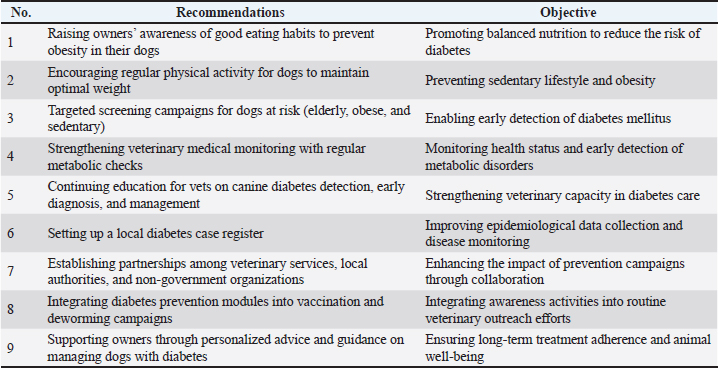
Diabetic status is linked to a sedentary lifestyle in dogsTable 11 shows that diabetes was only observed in sedentary dogs. However, the Chi-square test (u03c7²) revealed no significant difference between prevalences at the 5% threshold (χ²=0.70; ddl=1; p=0.792 > 0.05), indicating that sedentary lifestyle and the onset of diabetes did not have a statistically significant association. Proposed control measuresIn light of the obtained results, some measures have been proposed to prevent or control the onset of diabetes in dogs (Table 12). DiscussionThis study, conducted in the urban district of Cocody, brings to light a clinically established yet under-documented reality: the confirmed occurrence of DM in dogs over a period exceeding ten years. The 10 confirmed cases between 2009 and 2021 show that this condition is not new, although it is rarely detected. The diagnosis was based mainly on the history of the classic clinical signs (polyuria, polydipsia, and polyphagia) and biochemical analyses. These practices are consistent with the current diagnostic protocols reported in the veterinary literature. However, cases of treatment abandonment by owners have been observed, a phenomenon also highlighted by Jeantin (2016) in France, where 18% of diabetic dogs died following treatment discontinuation. This trend appears to be linked to the treatment’s logistical and financial requirements. In particular, the need for daily insulin administration is likely to discourage dog owners, especially in an African context characterized by limited resources. The results of this study must be understood within the specific sociocultural and economic context of Cocody and, more broadly, urban West Africa. In terms of dog distribution, the density data obtained in Cocody revealed a low concentration of dogs, with an average of 6 dogs/km². This observation is significantly lower than that reported in France by Bretagne (2018), who established a density of 58 dogs/km². This difference could be attributed to sociocultural factors, globalization, and dogs’ role. While dogs are often perceived as companion animals in Western countries, they are primarily valued for their practical purposes, such as providing security or hunting, in many African contexts. According to the survey, 84% of the respondents were unaware that dogs could develop diabetes, considering it an exclusively human disease. In contrast, only 16% were aware that dogs could be affected by diabetes. This lack of awareness is in line with the observations made by Millogo et al. (2015) in Ouagadougou, where 96.3% of people knew about diabetes only in its human form. The absence of veterinary information campaigns targeting the public could explain this major gap in understanding canine pathologies. The diversity of dog breeds found in the municipality is relatively low compared with that observed in France, where the French Kennel Club counted 289 breeds in 2020 (Société Centrale Canine, 2020). This contrast probably reflects the limited number of imports, the predominance of mixed-breed dogs, and the lower value placed on racial selection in local practices. Table 12. Recommendations for the prevention and management of canine diabetes.
The analysis of the age of dogs with diabetes in Cocody indicates a discrepancy with the study conducted by Jeantin (2016) in France, where all dogs ranged in age from 7 to 11 years. In our context, the age variation is wider, which could reflect not only environmental or genetic differences but also less homogeneous selection and screening criteria. The reasons for consultation in this study differ from those observed in Uruguay (Damián et al., 2012), where digestive disorders accounted for only 20% of cases. In Cocody, digestive disorders were more frequently reported. The reasons for these differences may be related to the varying quality of food, local dietary habits, and different hygiene practices depending on the context. Regarding the health status of the dogs at the time of screening, not all showed obvious symptoms, unlike the study by Jeantin (2016), where all the dogs were ill, suffering in particular from cataracts or Cushing’s disease. This difference may be associated with diagnostic approaches or earlier disease stages in Cocody. The body condition score indicated a significant prevalence of obesity (67%) among the dogs examined, which was higher than that reported by Courcier et al. (2011) in Scotland (59.6%). The study highlights a worrying trend toward a sedentary lifestyle and excessive food consumption, which is potentially intensified by a decrease in physical activity and poor dietary regulation. The rate of hyperglycemia observed in the general canine population of Cocody (2.13%) is much lower than that reported in France. This difference is due to the nature of the targets studied; our study was population-based, whereas the author’s study focused solely on dogs suspected of having diabetes (Jeantin, 2016). The confirmed cases of canine diabetes in our study corroborate the observations of Louis-Joseph (2020). He emphasizes that this pathology is often silent, becoming detectable only after the appearance of persistent hyperglycemia, which is linked to exceeding the TRT. The prevalence rate obtained in the present study is higher than those reported in Nigeria (0.22%) (Ihedioha and Enahoro, 2019) and the United Kingdom (0.26%) (Heeley et al., 2020) but lower than those observed in Sweden (1.2%) (Fall et al., 2008) and Italy (1.33%) (Fracassi et al., 2004). These differences can be attributed to sample size, veterinary development level, and diagnostic abilities. Glycemic status assessment confirms, in agreement with Ekoé et al. (2018), that DM is necessarily accompanied by hyperglycemia, which is a fundamental diagnostic criterion. Cross-analysis between diabetic status and body condition score shows that only lean or normal-build dogs developed the disease. This observation is similar to the results of Lund et al. (2006), who found a prevalence of 0.3% in dogs of normal build (Lund et al., 2006), which could indicate some protection of obesity against the immediate onset of diabetes in our context, or earlier management of obese dogs. An unexpected element emerges from the correlation between reproductive status and diabetes: only non-gonadectomised dogs appear to be affected. This result contradicts the observations of Guptill et al. (2003), who stated that neutered males can also develop the disease. Further exploration of hormonal and metabolic interactions in our dog population is necessary. The distribution of cases of diabetes according to breed reveals that only two breeds, the Bichon Bolonais and mixed-breed dogs, appear to be affected. This finding differs from that of Fracassi et al. (2004) in Italy, where specific breeds were identified as predisposed. This difference probably reflects local breed preferences and availability. Dogs fed a mixed diet were more likely to develop diabetes, although no statistically significant correlation was found (p=0.48). This result contrasts with the observations of Lefebvre (2019), who instead focused on diet quality and rationing. Therefore, a more detailed qualitative analysis of diets is necessary. The analysis of cases according to the sex of the dogs showed a predominance of diabetes in females, contrary to the study by Mattin et al. (2014), which concluded that a balanced distribution was observed between the sexes. This difference could be associated with hormonal factors or differential exposure to certain environmental risks. The age range of diabetic dogs (7–12 years) is in line with the data of Greco et al. (2006), who reported the onset of canine diabetes at 5 years of age. This shows that age remains a determining factor in the onset of this disease and that vigilance must be increased from the animal’s environment onwards. ConclusionThis study highlights the real but underdiagnosed presence of DM in dogs in Cocody, revealing local specificity linked to veterinary practices, owners’ perceptions, and environmental factors. The disparities observed in other international contexts highlight the need to adapt screening and awareness strategies to African realities. Improved training for those involved and the dissemination of knowledge about canine diseases would improve the early diagnosis and management of diabetes in dogs. LimitationsDespite the valuable information provided by this study on the epidemiological and clinical characteristics of canine DM in Cocody, certain limitations must be acknowledged. First, the sample size of confirmed canine diabetes cases (n=10) may limit the generalization of the results to the entire canine population in the Ivory Coast. Second, data collection was based in part on owners’ information, which may be affected by misuse of clinical signs, particularly in the absence of formal veterinary training. In addition, the lack of long-term follow-up data limited the ability to assess disease progression, treatment adherence, and outcomes. These limitations highlight the need for larger-scale, multicenter longitudinal studies to strengthen the evidence base on CM in sub-Saharan Africa. AcknowledgmentsThe authors thank the Dalaba Institute of Science and Veterinary Medicine for their valuable time and contributions to this study. This research did not receive any specific grant from public, commercial, or not-for-profit funding agencies. FundingThis research did not receive any specific grant from funding agencies in the public, commercial, or not-for-profit sectors. Authors' contributionsLanan Wassy SOROMOU, Meledje Paul-Dany ABO, Sâa André TOLNO, and Mama Agnès TEA: Conceptualization. Lanan Wassy SOROMOU, Meledje Paul-Dany ABO, Sâa André TOLNO, Mama Agnès TEA, and Almamy Ousmane Deen CAMARA: Methodology. Meledje Paul-Dany ABO, Sâa André TOLNO, Mama Agnès TEA, Almamy Ousmane Deen CAMARA, and Eric GHIGO: Data collection. Lanan Wassy SOROMOU, Meledje Paul-Dany ABO, Mama Agnès TEA, and Mamadi SANOH: Validation. Lanan Wassy SOROMOU, Pascal BILIVOGUI, Mamadi SANOH, Almamy Ousmane Deen CAMARA, Eric GHIGO, and Meledje Paul-Dany ABO: Formal analysis. Lanan Wassy SOROMOU, Eric GHIGO, Pascal KOIVOGUI, and Sâa André TOLNO: Data curation. Meledje Paul-Dany ABO, Almamy Ousmane Deen CAMARA, and Mama Agnès TEA: Writing–original draft preparation. Meledje Paul-Dany ABO, Lanan Wassy SOROMOU, and Sâa André TOLNO: All authors have read and approved the final version of the manuscript. Conflict of interestThe authors have no competing interests to declare. Data availabilityThe data used in this study are available from the corresponding author upon request. ReferencesBoitard, C. 2020. Les diabètes : de la génétique à l’environnement. Bull. Acad. Natl. Méd. 204(5), 493–499; doi:10.1016/j.banm.2020.03.007 Bretagne, C. et al. 2018. Étude : l’errance des carnivores domestiques à la Réunion 2017–2018 – Présentation des résultats. EPLEFPA-CFPPA de Saint-Paul. Available at https://daaf.reunion.agriculture.gouv.fr/etude-sur-l-errance-des-carnivores-domestiques-a-la-reunion-actualisation-au-24-a1634.html Courcier, E.A., Mellor, D.J., Thomson, R.M. and Yam, P.S. 2011. A cross sectional study of the prevalence and risk factors for owner misperception of canine body shape in first opinion practice in Glasgow. Prev. Vet. Med. 102(1), 66–74; doi:10.1016/j.prevetmed.2011.06.010 Damián, J.P., Ruiz, P., Acosta, M. and García, E. 2012. Reasons for medical consultation and causes of euthanasia of dogs in Montevideo City (Uruguay): a survey of veterinary practitioners. Rev. Med. Vet. Zoot. 59(II), 97–101; http://www.redalyc.org/articulo.oa?id=407639231003 Ekoé, J.M., Goldenberg, R. and Katz, P. 2018. Dépistage du diabète chez les adultes. Can. J. Diabetes 42(Suppl. 1), S16–S19; doi:10.1016/j.jcjd.2017.10.004 Fall, T., Johansson Kreuger, S., Juberget, A., Bergström, A. and Hedhammar, A. 2008. Gestational diabetes mellitus in 13 dogs. J. Vet. Intern. Med. 22, 1296–1300; doi:10.1111/j.1939-1676.2008.0199.x Foussier, L. and Zergane, L. 2021. Le diabète, une pathologie chronique. L'Aide-Soignante 35(224), 10–12; doi:10.1016/j.aidsoi.2020.12.005 Fracassi, F., Pietra, M., Boari, A., Aste, G., Giunti, M. and Famigli-Bergamini, P. 2004. Breed distribution of canine diabetes mellitus in Italy. Vet. Res. Commun. 28(Suppl. 1), 339–342; doi:10.1023/b:verc.0000045441.77213.3b Greco, D.S., Peterson, M.E., Kirk, C., Mathes, M. and Fettman, M.J. 2006. Comparaison of a low carbohydrate-high fiber diet in the management of feline diabetes mellitus. J. Feline. Med. Surg. 8(2), 73–84; doi:10.1016/j.jfms.2005.08.004 Guptill, L., Glickman, L. and Glickman, N. 2003. Time trends and risk factors for diabetes mellitus in dogs: analysis of veterinary medical data base records (1970–1999). Vet. J. 165(3), 240–247; doi:10.1016/S1090-0233(02)00242-3 Heeley, A.M., O’Neill, D.G., Davison, L.J. Church, D.B., Corless, E.K. and Brodbelt, D.C. 2020. Diabetes mellitus in dogs attending UK primary-care practices: frequency, risk factors and survival. Canine. Genet. Epidemiology. 7(6), 1–19; doi: 10.1186/s40575-020-00087-7 Humeau, C. and Sénécat, O. 2023. Complications au long terme du diabète sucré chez le chien et le chat : signes d’appel, diagnostic et prise en charge. Nouv. Prat. Vét. Canine. Feline. 20(85), 30–37; doi:10.1051/npvcafe/2024010 Ihedioha, J.I. and Enahoro, G. 2019. Prevalence of diabetes mellitus and reference values for the fasting blood glucose levels of locally available breeds of dogs in Warri, Nigeria. Comp. Clin. Pathol. 28, 1107–1112; doi:10.1007/s00580-019-02938-7 Jeantin, R. 2016. Étude des cas de diabète sucré chez le chien et le chat pris en charge dans deux cliniques vétérinaires en France. Thèse, EISMV de Dakar, Université Cheikh Anta Diop. Available at http://196.1.97.20/viewer.php?c=thm&d=thm%5f2016%5f0338 Lefebvre, S. 2019. Nutrition vétérinaire du chien et du chat. 1re éd., cours 75 %, Vetagro Sup. Available at https://vetbrain.fr/wp-content/uploads/2019/12/cours-75.pdf Louis-Joseph, E. 2020. Contribution à l'étude du diabète sucré et de la cataracte secondaire chez le chien : étude rétrospective de 36 cas vus à l'EnvA. Médecine vétérinaire et santé animale. Lund, E.M., Armstrong, P.J., Kirk, C.A. and Klausner, J.S. 2006. Prevalence and risk factors for obesity in adult dogs from private US veterinary practices. Int. J. Appl. Res. Vet. Med. 4(2), 177–186. Mattin, M., O'Neill, D., Church, D., Mcgreevy, P.D., Thomson, P.C. and Brodbelt, D. 2014. An epidemiological study of diabetes mellitus in dogs attending first opinion practice in the UK. Vet. Rec. 174(14), 349; doi:10.1136/vr.101950 Millogo, G.R.C., Yaméogo, C., Samandoulougou, A., Yaméogo, N.V., Kologo, J., Toguyeni, Y.K. and Zabsonré, P. 2015. Diabetes in urban setting in Ouagadougou, Burkina Faso: epidemiological profile and level of perception in the adult population. Pan Afr. Med. J. 20, 146; doi:10.11604/pamj.2015.20.146.3249 Société Centrale Canine. 2020. Races de chiens, le classement complet en 2020. Animal Futé. Available at https://www.animal-fute.com/races-de-chiens-le-classement-complet-en-2020.html Trigui, S., Boubakaer, F., Mrabet, H., Lassoued, N., Alaya, W., Zantour, B. and Sfar, M.H. 2023. Diabète de type 2 et pathologies endocriniennes ? Cause ou conséquence ?. Ann. Endocrinol. 84(1), 181; doi:10.1016/j.ando.2022.12.263 | ||









| How to Cite this Article |
| Pubmed Style Soromou LW, Abo MP, Tolno SA, Tea MA, Camara AOD, Ghigo E, Sanoh M, Bilivogui P. Epidemiological and clinical assessment of canine diabetes mellitus in Cocody, Abidjan, Republic of Ivory Coast. Open Vet. J.. 2026; 16(2): 973-986. doi:10.5455/OVJ.2026.v16.i2.19 Web Style Soromou LW, Abo MP, Tolno SA, Tea MA, Camara AOD, Ghigo E, Sanoh M, Bilivogui P. Epidemiological and clinical assessment of canine diabetes mellitus in Cocody, Abidjan, Republic of Ivory Coast. https://www.openveterinaryjournal.com/?mno=263817 [Access: June 27, 2026]. doi:10.5455/OVJ.2026.v16.i2.19 AMA (American Medical Association) Style Soromou LW, Abo MP, Tolno SA, Tea MA, Camara AOD, Ghigo E, Sanoh M, Bilivogui P. Epidemiological and clinical assessment of canine diabetes mellitus in Cocody, Abidjan, Republic of Ivory Coast. Open Vet. J.. 2026; 16(2): 973-986. doi:10.5455/OVJ.2026.v16.i2.19 Vancouver/ICMJE Style Soromou LW, Abo MP, Tolno SA, Tea MA, Camara AOD, Ghigo E, Sanoh M, Bilivogui P. Epidemiological and clinical assessment of canine diabetes mellitus in Cocody, Abidjan, Republic of Ivory Coast. Open Vet. J.. (2026), [cited June 27, 2026]; 16(2): 973-986. doi:10.5455/OVJ.2026.v16.i2.19 Harvard Style Soromou, L. W., Abo, . M. P., Tolno, . S. A., Tea, . M. A., Camara, . A. O. D., Ghigo, . E., Sanoh, . M. & Bilivogui, . P. (2026) Epidemiological and clinical assessment of canine diabetes mellitus in Cocody, Abidjan, Republic of Ivory Coast. Open Vet. J., 16 (2), 973-986. doi:10.5455/OVJ.2026.v16.i2.19 Turabian Style Soromou, Lanan Wassy, Meledje Paul-dany Abo, Sâa André Tolno, Mama Agnès Tea, Almamy Ousmane Deen Camara, Eric Ghigo, Mamadi Sanoh, and Pascal Bilivogui. 2026. Epidemiological and clinical assessment of canine diabetes mellitus in Cocody, Abidjan, Republic of Ivory Coast. Open Veterinary Journal, 16 (2), 973-986. doi:10.5455/OVJ.2026.v16.i2.19 Chicago Style Soromou, Lanan Wassy, Meledje Paul-dany Abo, Sâa André Tolno, Mama Agnès Tea, Almamy Ousmane Deen Camara, Eric Ghigo, Mamadi Sanoh, and Pascal Bilivogui. "Epidemiological and clinical assessment of canine diabetes mellitus in Cocody, Abidjan, Republic of Ivory Coast." Open Veterinary Journal 16 (2026), 973-986. doi:10.5455/OVJ.2026.v16.i2.19 MLA (The Modern Language Association) Style Soromou, Lanan Wassy, Meledje Paul-dany Abo, Sâa André Tolno, Mama Agnès Tea, Almamy Ousmane Deen Camara, Eric Ghigo, Mamadi Sanoh, and Pascal Bilivogui. "Epidemiological and clinical assessment of canine diabetes mellitus in Cocody, Abidjan, Republic of Ivory Coast." Open Veterinary Journal 16.2 (2026), 973-986. Print. doi:10.5455/OVJ.2026.v16.i2.19 APA (American Psychological Association) Style Soromou, L. W., Abo, . M. P., Tolno, . S. A., Tea, . M. A., Camara, . A. O. D., Ghigo, . E., Sanoh, . M. & Bilivogui, . P. (2026) Epidemiological and clinical assessment of canine diabetes mellitus in Cocody, Abidjan, Republic of Ivory Coast. Open Veterinary Journal, 16 (2), 973-986. doi:10.5455/OVJ.2026.v16.i2.19 |


