




| Review Article | ||
Open Vet. J.. 2026; 16(8): 5572-5602
Open Veterinary Journal, (2026), Vol. 16(8): 5572–5602 Review Article Microalgae as natural alternative components to mitigate the adverse effects of heat stress in poultry: An updated reviewSugiharto Sugiharto1*, Ikania Agusetyaningsih1, Nuruliarizki Shinta Pandupuspitasari1, Aulia Rahmad Abidharma1, Aizi Nor Mazila Ramli2,3 and Elham Assadi Soumeh41Department of Animal Science, Faculty of Animal and Agricultural Sciences, Universitas Diponegoro, Tembalang Campus, Semarang, Central Java, Indonesia 2Faculty of Industrial Sciences and Technology, Universiti Malaysia Pahang Al‐sultan Abdullah, Pahang, Malaysia 3Bio Aromatic Research Centre of Excellence, Universiti Malaysia Pahang Al‐sultan Abdullah, Malaysia 4School of Agriculture and Food Sustainability, University of Queensland, Gatton Campus, Australia *Corresponding Author: Sugiharto. Department of Animal Science, Faculty of Animal and Agricultural Sciences, Universitas Diponegoro, Tembalang Campus, Semarang, Central Java, Indonesia. Email: sgh_undip [at] yahoo.co.id Submitted: 17/05/2026 Revised: 11/07/2026 Accepted: 24/07/2026 Published: 24/07/2026 © 2025 Open Veterinary Journal
AbstractHeat stress is a factor that poultry farmers must consider amid increasing global warming. Heat stress can cause physiological and biochemical disorders due to increased free radical production. Nutritional interventions help mitigate the adverse effects of heat stress on poultry in addition to improved management practices. Microalgae, with their rich antioxidant, growth-promoting, immune-boosting, anti-inflammatory, and antibacterial properties, are a potential alternative to synthetic antioxidants and antibiotics commonly used in poultry production to overcome heat stress. A narrative review of existing literature indicates that microalgae possess the potential to enhance poultry production and feed efficiency under heat stress conditions. Enzymatic and nonenzymatic antioxidants present in microalgae collectively mitigate heat-induced oxidative stress. Additionally, the anti-inflammatory properties of microalgae aid in counteracting heat-induced oxidative stress and inflammation, thereby strengthening the immune response in poultry. Furthermore, microalgae contribute to the restoration of microbiota balance and gut structure, reduce physiological stress, and protect cells by decreasing corticosterone levels, regulating heat shock proteins, and increasing sirtuin gene expression. Further investigation is required to establish the optimal dosage, species-specific responses, cost-effectiveness, and safety associated with the use of microalgae in poultry, particularly during heat stress. Keywords: Antioxidant, Free radicals, Heat stress, Immunity, Microbiota. IntroductionHeat stress is a major obstacle to poultry production, particularly in tropical, subtropical, and temperate regions experiencing impacts of climate change. The typical environmental conditions of these regions, marked by high ambient temperatures and humidity, exceed the capacity of poultry to effectively dissipate surplus body heat (Sugiharto et al., 2026a). The detrimental impacts of heat stress on poultry are diverse, including decreased feed intake and growth rates, decreased egg production, elevated levels of stress hormones, weakened immune responses, intestinal issues, hematological irregularities, impaired liver and kidney function, oxidative stress, and diminished meat and carcass quality (Wasti et al., 2020; Olayiwola and Adedokun, 2025; Sugiharto et al., 2026a). Despite the implementation of various management practices, including housing improvements, ventilation systems, and thermal manipulation strategies, the poultry industry continues to experience the adverse effects of heat stress. This situation emphasizes the critical demand for alternative methods, one of which pertains to nutritional strategies. Nutritional intervention is crucial as a primary strategy to mitigate heat stress in poultry, particularly given the management and infrastructure-based approaches’ limitations. Nutritional intervention provides a practical, scientifically supported method to sustain productivity, welfare, and economic viability in poultry operations (Olayiwola and Adedokun, 2025). Microalgae are a promising dietary intervention for alleviating the adverse effects of heat stress in broilers (Zhang et al., 2025). Microalgae are recognized as exceptional sources of diverse antioxidants, containing both enzymatic (including superoxide dismutase [SOD], catalase, glutathione peroxidase [GPx], and peroxiredoxin) and nonenzymatic (including phycobilins, phenolic compounds, and vitamins E and C) antioxidants. Additionally, microalgae are superior producers of carotenoids, such as astaxanthin and lutein, which possess strong antioxidant capabilities (Van Nerom et al., 2024; Zhang et al., 2025). In addition to antioxidant properties, microalgae have growth-promoting, immune-boosting, anti-inflammatory, and antibacterial properties. These properties make microalgae promising potential alternatives to synthetic antioxidants and antibiotics, which are conventionally used in poultry production under high environmental conditions (Sugiharto, 2020a). The incorporation of microalgae can improve productive performance, intestinal health, immune competence, stress indices, antioxidative status, physiological and biochemical indices, carcass traits, and meat and egg quality in poultry subjected to heat stress (Al-Otaibi et al., 2022; Attia et al., 2023; Chaudhary et al., 2023; Amer et al., 2025; Madkour et al., 2025; Ranjbarinasab et al., 2025). To date, few reviews have specifically synthesized evidence on the use of microalgae for mitigating heat stress in poultry. This narrative review investigates and synthesizes the potential of microalgae as a natural alternative feed component to mitigate the adverse effects of heat stress in poultry. Review methodologyIn preparing this review, we performed a literature search focusing on the role of microalgae in mitigating the negative impacts of heat stress on poultry production performance and health. We selectively gathered and thoroughly analyzed peer-reviewed English-language journal articles on chickens and quails to enhance the data required for this review. Edited book chapters and conference proceedings were not considered for publication. Studies exploring the use of microalgae to overcome stress effects other than heat stress (e.g., high-density stress, nutritional stress, toxin-induced stress, and infections ) were omitted. Keywords used in the literature search were microalgae, poultry, heat stress, antioxidant, intestinal health, immunity, carcass, meat, and egg. To gather pertinent articles, we accessed several scientific databases, such as Elsevier ScienceDirect, Proquest Research Library, and Wiley Online Library, and resorted to Google Scholar when necessary articles were unavailable through the mentioned scientific portals. Among the more than 145 relevant studies reviewed, 68 were selected for detailed analysis based on their importance, methodological soundness, and alignment with the review’s objectives. This was a narrative review and, therefore, did not follow a formal Preferred Reporting Items for Systematic Reviews (PRISMA)-based systematic review protocol. A meta-analysis was not conducted due to variability in the microalgal species and heat stress protocols across the studies. Data extraction concentrated on several aspects, including heat stress protocols, microalgal species, the potential of microalgae in alleviating the adverse effects of heat stress on productive performance, intestinal morphology and bacterial population, immune status, stress indices, antioxidant status, physiological and biochemical indices, carcass traits, meat quality, and egg quality traits of heat-stressed poultry. To facilitate a critical discussion within this review article, the findings were systematically organized based on thematic elements, including study conditions such as heat stress protocols, poultry species used, and microalgal species. All cited studies were assessed for scientific rigor, including appropriate controls, statistical analysis, and reporting transparency. Heat stress in poultryHeat stress occurs when an animal’s heat load is greater than its capacity to dissipate excess body heat (Sugiharto et al, 2020a, b). In poultry, heat stress is typically triggered by high temperatures (>30°C) and high humidity (>60%) (Sugiharto et al., 2026a). Under high humidity conditions, heat dissipation presents a significant challenge for poultry due to their reliance on evaporative cooling mechanisms, primarily panting, for thermoregulation. Unlike humans, poultry lack sweat glands and are unable to dissipate heat through sweating. Instead, they primarily lose heat by evaporating water from the respiratory tract through rapid breathing or panting. However, when environmental humidity is elevated, the air becomes saturated with moisture, reducing the vapor pressure gradient between the humid air and the respiratory surfaces of birds. This reduced gradient markedly decreases the efficiency of evaporative water loss, thereby impairing the ability of poultry to effectively dissipate metabolic heat (Sugiharto, 2020b; Sugiharto et al., 2026a, b). The temperature-humidity index (THI) has been widely used as a comprehensive metric that combines both ambient temperature and relative humidity to assess thermal stress in poultry. This combined approach is important because both temperature and relative humidity are major factors that cause thermal stress in birds (Kim et al., 2025; Olayiwola and Adedokun, 2025). THI provides an integrated assessment of poultry heat stress conditions. This approach is more comprehensive than relying on temperature alone, as humidity significantly impacts the ability of birds to dissipate heat through evaporative cooling mechanisms. By monitoring THI values and comparing them against established stress level categories, poultry managers can predict and mitigate the impacts of heat stress on production performance and bird welfare (Olayiwola and Adedokun, 2025). The THI is determined according to the following equation: THI=Tdb − (0.31–0.31 RH) (Tdb–14.4)} where THI is the temperature-humidity index, Tdb is the dry bulb temperature in Celsius, and RH is the relative humidity expressed as a decimal fraction (calculated as RHpercentage/100). In general, THI: <27.8 is defined as the absence of heat stress, THI: 27.8 to <28.9 as moderate heat stress, THI: 28.9 to <30.0 as severe heat stress, and THI: 30.0 and more as very severe heat stress (Dedousi et al., 2023). Heat stress thresholds, as indicated by the THI, are not universally applicable to all poultry. These thresholds are influenced by various factors, such as species, breed, age, genotype, acclimatization, and production stage of poultry (Loengbudnark et al., 2023; Buranawit et al., 2025; Tiya et al., 2026). Consequently, accurately determining and implementing THI thresholds specific to each breed and trait is essential. This precision is crucial for the effective development of heat stress mitigation strategies, genetic selection, and management programs tailored to diverse climatic conditions in poultry production. Despite its popularity and simplicity, heat stress assessment using the THI formula has several drawbacks that limit its accuracy and usefulness in assessing actual heat stress experienced by poultry. The THI formula only incorporates temperature and RH. However, thermal comfort and heat stress in poultry are influenced by many other environmental factors, such as air velocity and solar radiation. Furthermore, the THI does not directly account for the physiological or behavioral responses of the birds, such as panting rate or vocalizations associated with discomfort. Heat stress in poultry can be categorized into 2 types based on exposure duration and intensity. Acute heat stress refers to a sudden increase in temperature and humidity over a short period of time, whereas long-term heat stress occurs when high temperature and humidity are sustained. In the context of poultry farming, acute heat stress occurs when the temperature is between 27°C and 38°C for periods ranging from 1 to 24 hours. Moderate heat stress is characterized by the same temperature range but persists for 7 days. Chronic heat stress involves sustained high temperatures between 38°C and 50°C for 7 days or longer (Oluwagbenga and Fraley, 2023). While acute heat stress can cause immediate and severe physiological reactions, including rapid metabolic shifts and potential acute mortality, the effects are typically more localized in scope compared with those of chronic exposure. Acute heat stress induces corticosterone elevation and oxidative stress, but these do not persist at the same levels as in long-term heat stress. Chronic heat stress is more dangerous because it causes permanent, cumulative damage to production performance, reproductive capability, meat quality, and overall bird welfare (Oluwagbenga and Fraley, 2023). Corticosterone levels remain persistently elevated in chronically heat-stressed birds. This sustained hormonal stress triggers catabolic effects, including muscle protein breakdown, suppressed protein synthesis, and increased fat deposition. Prolonged systemic disturbances, such as dehydration and electrolyte imbalances, result in a sustained state of physiological compromise (Olayiwola and Adedokun, 2025). Xie et al. (2015) revealed distinct physiological responses between acute and long-term heat stress in broiler breeder chickens. The primary distinction is that acute heat stress primarily results in plasma metabolite disturbance, whereas long-term heat stress causes tissue damage without obvious changes in plasma metabolite and hormone concentrations in broiler breeders that are restrictedly fed. The disturbance of plasma metabolites during acute exposure is closely related to the heat challenge intensity, with higher environmental temperatures causing more severe changes. Common heat stress indicators in poultrySeveral parameters are employed to evaluate heat stress levels in poultry, such as physiological (e.g., rectal temperature, respiration rate, heterophil-to-lymphocyte [H/L] ratio, and HSPs), hormonal (corticosterone), and oxidative stress markers (MDA, GPx, SOD, and catalase). These parameters represent quantifiable markers of physiological stress responses, facilitating the assessment of heat stress severity and the evaluation of the effectiveness of mitigation strategies in poultry farming (Sugiharto et al., 2026a; Tiya et al., 2026). Rectal temperature is a direct physiological indicator of heat stress because it reflects the animal’s core body temperature, which changes in response to thermal stress conditions (Tiya et al., 2026). Respiratory rate is a critical physiological indicator of heat stress in poultry because it represents the compensatory mechanisms of the body in response to elevated environmental temperatures. When poultry are exposed to heat stress, the respiratory rate significantly increases as the principal evaporative mechanism for body cooling (Tiya et al., 2026). The H/L ratio serves as a physiological indicator of stress in poultry through changes in white blood cell (WBC) composition. Under heat stress, the proportion of heterophils (innate immune cells) increases, whereas the proportion of lymphocytes (adaptive immune cells) decreases, resulting in a higher H/L ratio (Huang et al., 2024). This physiological response is mediated by stress hormones released when the sympathetic nervous system and the hypothalamic–pituitary–adrenal (HPA) axis are activated by heat stress. As part of the acute stress response, these hormones suppress lymphocyte production while promoting heterophil activity (Wasti et al., 2020; Gouda et al., 2024; Tiya et al., 2026). Assessing heat stress in poultry based on body temperature, panting, and H/L ratio is relatively straightforward. However, these indicators have weaknesses, particularly in terms of specificity and the potential for confusion with the signs of infection. Elevated body temperature is caused not only by heat stress but also by infection, as the immune response often produces fever as a defense mechanism. Similarly, changes in the H/L ratio are part of the immune response to infectious agents, potentially leading to confusion. In this case, molecular indicators may be able to minimize the confusion in terms of heat stress assessment. The HSPs function as cellular defense mechanisms and can reliably indicate heat stress because their expression levels generally increase in response to elevated temperatures. When poultry experience heat stress, increased HSP expression occurs as the cell initiates protective mechanisms by engaging with various intracellular proteins to retain them and keep them functional (Gouda et al., 2024). HSP70 and HSP90 are the most common HSPs that appear under heat stress conditions (Gouda et al., 2024; Aryal et al., 2025; Hossain et al., 2026). Corticosterone is the primary glucocorticoid hormone in poultry that plays a central role in the stress response system (Aryal et al., 2025). Corticosterone has been widely used as an indicator of heat stress in poultry due to its rapid response to heat stress. Serum corticosterone levels were significantly elevated in the Japanese quail after 30 minutes of heat stress at 34°C, though the elevation was temporary, returning to normal levels after 2 hours. Corticosterone is a sensitive biomarker that responds quickly to thermal challenge (Huang et al., 2024). However, the relationship between heat stress and corticosterone levels is unclear. Some studies have found that heat stress does not lead to significant changes in serum corticosterone levels in broilers, possibly due to confounding factors such as circadian rhythms, negative feedback mechanisms, stress from non-heat factors, and individual variation (Huang et al., 2024). High concentrations of malondialdehyde (MDA) indicate oxidative damage to cellular lipids. MDA can interact with DNA bases, which can result in gene mutations. MDA can also interact with amino acids, such as cysteine, histidine, and lysine residues, thereby altering enzyme activity. Elevated MDA levels are a direct marker of heightened oxidative stress and intensified heat stress in poultry (Aryal et al., 2025). SOD represents the primary and most crucial antioxidant enzyme in defending against reactive oxygen species (ROS). The upregulation of SOD during heat stress reflects the body’s attempt to combat increased ROS production. Elevated SOD activity indicates an active antioxidant defense response to heat stress, although paradoxically elevated baseline SOD activity can also suggest the presence of greater oxidative stress (Aryal et al., 2025; Sugiharto et al., 2026a). In addition to SOD, GPx and catalase are key antioxidant enzymes that can be used as heat stress indicators (Hossain et al., 2026). The activities of these antioxidant enzymes typically decrease significantly when poultry are exposed to heat stress, which serves as a direct indicator of oxidative stress (Surai et al., 2019; Aryal et al., 2025). Notably, the response of these enzymes to heat stress can be time-dependent. In one study with 14-day-old chickens exposed to 35°C for 12 days, SOD and catalase mRNA levels were downregulated at day 1 post-heat stress compared to controls, but these were upregulated by day 12 post-heat stress. This suggests that the body may attempt adaptive upregulation over time while initial heat stress exposure causes enzyme activity to decline (Surai et al., 2019). Behavioral changes are important observable indicators of heat stress in poultry. When birds are exposed to temperatures higher than their thermoneutral zone, they exhibit characteristic behavioral changes to dissipate excess body heat (Wasti et al., 2020). Behavioral indicators, such as altered feeding and drinking patterns, panting, reduced movement, wing spreading, and aggressive behaviors (including feather pecking), indicate heat stress in poultry. When combined with physiological assessments, these behavioral changes can effectively indicate the presence and severity of heat stress in flocks (Wasti et al., 2020; Oluwagbenga and Fraley, 2023). However, changes in certain behaviors, such as decreased feed and water intake, decreased activity, changes in social behavior (such as increased aggression or withdrawal), and changes in vocalization, can also be early and sensitive markers of declining health before clinical signs become apparent. Adverse effects of heat stress on poultry productionHeat stress is a major environmental stressor in the poultry industry that causes multiple harmful effects on bird health, productivity, and welfare (Fig. 1). Severe heat stress (THI 84 [33°C; 60% RH]) reduces feed intake and body weight gain by 30% and 51%, respectively, compared with those under thermoneutral conditions. In addition, feed efficiency is reduced in birds exposed to heat (Kim et al., 2025). For laying hens, every 1°C increase above the optimal temperature decreases the average feed consumption by 1.6% (Olayiwola and Adedokun, 2025). During heat stress, birds pant excessively, leading to increased CO2 exhalation relative to cellular production. This alters the bicarbonate buffer system, which increases blood pH and causes respiratory alkalosis (Wasti et al., 2020). This alkalosis reduces blood ionized Ca concentration, which impairs eggshell mineralization in laying hens and contributes to poor broiler growth (Olayiwola and Adedokun, 2025). Serum electrolytes potassium (K⁺) and sodium (Na⁺) are also significantly decreased in heat-stressed poultry (Kim et al., 2025). This may negatively affect circulation, growth, egg quality, and overall production performance (Wasti et al., 2020; Kim et al., 2025; Olayiwola and Adedokun, 2025). Severe heat stress significantly decreases the levels of WBC, lymphocytes, monocytes, red blood cells (RBCs), hemoglobin, and hematocrit. All of these conditions collectively result in a state of immunosuppression, reduced oxygen delivery to tissues, increased vulnerability to infections, and impaired overall physiological function in poultry (Kim et al., 2025; Hossain et al., 2026; Tiya et al., 2026). In addition, the spleen, thymus, and lymphoid organs are regressed in heat-stressed poultry (Kim et al., 2025). Heat stress damages immune organs by suppressing lymphocyte proliferation, promoting apoptosis, and causing morphological damage in lymphoid tissues (Hossain et al., 2026). Heat stress also severely impacts gastrointestinal health. It reduces the blood supply to intestinal epithelial cells, causing morphological changes, mucosal damage, intestinal inflammation, reduced villus height, and increased intestinal permeability (Huang et al., 2024; Sugiharto et al., 2026a, b). Moreover, heat stress induces microbial imbalance in poultry through a complex cascade of physiological mechanisms involving intestinal morphological damage, barrier dysfunction, and neuroendocrine disruption, thereby promoting dysbiosis and compromising intestinal health (Huang et al., 2024; Sugiharto et al., 2026a, b). Additionally, thyroid hormone (triiodothyronine; T3) and gonadotrophin-releasing hormone (GnRH) secretion are lowered in heat-stressed birds (Wasti et al., 2020). The latter circumstance may consequently compromise the reproductive performance of poultry. Similarly, Olayiwola and Adedokun (2025) revealed that heat stress causes testicular abnormalities and dysfunction, affecting seminal parameters, sperm motility and viability, and testosterone levels.
Fig. 1. The adverse effects of heat stress on production performance, physiological condition, neuroendocrinal response, immune function, digestive system, oxidative stress, and other poultry parameters have been reported (Sugiharto, 2020b; Oluwagbenga and Fraley, 2023; Kim et al., 2025; Olayiwola and Adedokun, 2025; Sugiharto et al., 2026a, b). Heat stress causes widespread organ damage, such as liver dysfunction. Under heat stress, alterations in serum hepatic enzymes occur due to degeneration and excessive neurotic cell secretion caused by liver dysfunction. Liver damage can be assessed by analyzing the plasma levels of gamma-glutamyl transferase (GGT), alanine aminotransferase (ALT), aspartate aminotransferase (AST), and glutamate dehydrogenase (GLDH), which are the most commonly utilized biomarkers for the diagnosis of hepatic disease in birds (Kim et al., 2025). Chronic heat stress also increases liver fat production, leading to lipid deposition and liver damage (Huang et al., 2024). The kidney is another organ that suffers from heat stress. The kidney suffers dual damage during heat stress, i.e., through electrolyte loss (K+ and Na+) as the kidney attempts to regulate acid-base balance (direct metabolic injury) and reduced blood flow and oxygen delivery, leading to anaerobic metabolism and oxidative stress (ischemic injury) (Wasti et al., 2020; Aryal et al., 2025; Kim et al., 2025). Heat stress has been widely known to negatively impact poultry product quality. Heat-stressed chickens produce lighter carcasses with reduced breast muscle mass and increased abdominal fat content. Heat stress also decreases the protein content of chicken meat (Olayiwola and Adedokun, 2025). Ranjbarinasab et al. (2024) further reported that heat stress significantly reduced the water-holding capacity (WHC) and increased both cook loss and drip loss in breast meat. Additionally, heat stress significantly impacts the polyunsaturated fatty acid (PUFA) content of meat. PUFA and n-3 PUFA levels were significantly reduced in heat-stressed chickens (Ibrahim et al., 2025). The reduction in carcass and meat quality under heat stress is primarily driven by oxidative stress, which causes cellular damage and lipid peroxidation, impaired skeletal muscle development, and decreased overall growth performance (Abdel-Moneim et al., 2022a; Elbaz et al., 2022; Ranjbarinasab et al., 2024). In addition to affecting hen-day production, heat stress in laying hens results in decreased egg weight and diminished eggshell thickness (Emam et al., 2024) and negatively impacts the quality of internal egg components (Olayiwola and Adedokun, 2025). Microalgae as a potential alternative feed component for poultry productionMicroalgae are unicellular photosynthetic organisms characterized by their small size and habitat diversity. Unlike macroalgae (seaweeds), microalgae thrive in aquatic environments ranging from freshwater to marine, including extreme conditions such as hot springs and frozen lands (Islam et al., 2025). They constitute a complex assemblage of photosynthetic microorganisms inhabiting various aquatic habitats, encompassing both freshwater and marine ecosystems (Zhang et al., 2025). Microalgae are taxonomically categorized into numerous principal groups, including green algae, diatoms, cyanobacteria (blue-green algae), and dinoflagellates (Zhang et al., 2025). Up to 40,000 microalgae strains with high potential for use in animal nutrition have been identified. However, Chlorella vulgaris and Arthrospira platensis (Spirulina platensis) have been studied most often in poultry nutrition due to their good availability on the market (Wlaźlak and Biesek, 2025). Microalgae possess a remarkable nutritional profile with diverse nutrient compositions (Sugiharto, 2020a; Nahdliah et al., 2026). Microalgae contain substantial macronutrients, ranging from 10% to 50% of their dry weight. These carbohydrates typically comprise a large portion of dietary fiber, which is beneficial to the gut health of animals (Sugiharto, 2020a; Islam et al., 2025). Microalgae are also rich in lipids, with lipid content constituting up to 50% of the dry mass of algae. One of the most significant attributes of microalgal lipids is their abundance of PUFAs, particularly eicosapentaenoic acid (EPA) and docosahexaenoic acid (DHA) (Senila et al., 2025). These PUFAs are essential for animal health. Microalgae have emerged as a remarkably potent source of protein, with certain species containing approximately 50%–60% of their biomass (Sugiharto, 2020a; Senila et al., 2025). This protein content exceeds that of conventional protein sources for poultry, such as soybeans (37%) (Islam et al., 2025; Zhang et al., 2025). Microalgae also contain essential amino acids (Wlaźlak and Biesek, 2025; Nahdliah et al., 2026) that are often limited or must be synthetically supplemented in conventional poultry diets. Some essential amino acids, including methionine, lysine, and threonine, are abundant in microalgae and can thereby serve as a good source of essential amino acids (Van Nerom et al., 2024; Wlaźlak and Biesek, 2025). In addition to being rich in major macronutrients, microalgae contain important bioactive substances that exhibit antioxidant, anti-inflammatory, antibacterial, and antiviral functions (Van Nerom et al., 2024). Specific microalgae species, including astaxanthin and lutein, are recognized as superior producers of carotenoids, which have strong antioxidant capabilities (Zhang et al., 2025). Microalgae are also distinguished by their pigments, including carotenoids and phycobiliproteins, which enhance their vivid coloration and antioxidant and therapeutic attributes (Zhang et al., 2025). Additionally, microalgae possess polysaccharides such as β-glucans that provide immunomodulatory and prebiotic properties and play a crucial role in immune function (Van Nerom et al., 2024). Potential of microalgae to reduce the adverse effects of heat stress in poultryExcessive free radical production during heat stress can overwhelm the body’s antioxidant defenses, causing oxidative damage to proteins, lipids, carbohydrates, and DNA. Maintaining the balance between ROS production and antioxidant capacity is critical for cell survival and optimal physiological function in poultry (Aryal et al., 2025). Microalgae are recognized as exceptional sources of diverse antioxidants that significantly contribute to their antioxidant activities. The bioactive substances found in microalgae, such as bioflavonoids, carotenoids, vitamins C and E, biometals, and omega-3 and 6 fatty acids, are particularly effective in regulating oxidative stress and boosting antioxidant defense in poultry (Fig. 2) (Zhang et al., 2025). Owing to these properties, microalgae may provide natural and effective protection of poultry against heat stress (Sugiharto, 2020a). Hence, microalgae may reduce farmers’ reliance on certain synthetic antioxidants and antibiotic growth promoters. Further validation is required to directly substitute these substances with microalgae in poultry production to counteract the detrimental effects of heat stress (Al-Otaibi et al., 2022; Attia et al., 2023). In the next subchapter, we will discuss in more depth the potential of microalgae in alleviating the negative impacts of heat stress on poultry productivity, health, and product quality. Effect of microalgae on heat-stressed poultry productionIt is well-documented that heat stress adversely affects production performance, and the use of microalgae has been shown to mitigate these negative effects in poultry (Table 1). Various studies have elucidated the mechanisms by which microalgae contribute to alleviating the detrimental impacts of heat stress on poultry. Microalgae are nutrient-rich sources that offer comprehensive nutritional support to birds experiencing heat stress (Amer et al., 2025; Fawaz et al., 2025). Under heat stress conditions, poultry often reduce their feed intake to reduce metabolic heat production (Moustafa et al., 2021; Fawaz et al., 2025). This feed intake reduction is frequently linked to the impaired growth performance of heat-stressed broilers. As an alternative feed ingredient, the high protein content and digestibility of microalgae (Abdel-Moneim et al., 2022b; Chaudhary et al., 2023; Islam et al., 2025) ensure that adequate amino acids are supplied despite the reduced feed intake caused by heat stress. Furthermore, the high apparent metabolizable energy and amino acid digestibility of microalgae-containing diets contribute to improved growth outcomes, particularly by counteracting the adverse effects of heat stress on intestinal functions and feed intake. This is crucial because heat stress not only diminishes feed intake but also significantly impairs intestinal functions in poultry (Moustafa et al., 2021; Hadeel et al., 2023). Fawaz et al. (2025) reported interesting findings about Japanese quails kept under heat stress conditions. Japanese quails provided with microalgae (S. platensis) had better FCR because they consumed less feed, resulting in more efficient production. In this case, S. platensis contains all the necessary amino acids, vitamin C, vitamin B complex, mineral elements, carotenoids, and other antioxidant compounds, as well as important fatty acids in a highly concentrated form. This rich and complete nutritional profile enables quail to meet their metabolic and growth requirements more efficiently with a lower feed quantity.
Fig. 2. Potential of microalgae to reduce the adverse effects of heat stress in poultry In addition to nutrient compounds, microalgae are also rich in bioactive compounds (antioxidants, immunomodulators, and prebiotics), which can restore the physiological systems damaged by heat stress, enabling efficient nutrient utilization (Elbaz et al., 2022). In agreement, Attia et al. (2023) and Chaudhary et al. (2023) revealed that the improvement in growth performance and feed efficiency in heat-stressed broilers supplemented with microalgae results from a multi-faceted mechanism, including enhanced antioxidant defenses, improved intestinal morphology, strengthened immune response, and optimized balanced gut microbiota composition (Amer et al., 2025). Enhanced stress tolerance means that broilers require less energy for stress adaptation mechanisms (such as panting), making more energy available for growth and weight gain. Microalgae, such as Spirulina, modulate the broiler immune system by increasing the production of proinflammatory cytokines (interleukin [IL]-2, IL-8, and interferon [IFN]-γ) mediated by higher levels of flavonoids and sulfolipids. Indeed, elevated concentrations of IL-2, IL-8, and IFN-γ typically signify an activated immune state. This activation facilitates the recruitment and activation of various immune cells, which are essential for mounting defenses against pathogens or damaged tissue. Such responses are advantageous for host defense and immune regulation (Kolluri et al., 2022; Zhang et al., 2023). Better immune competence reduces the metabolic burden of fighting infections, allowing more nutrients to be used for growth rather than immune responses (Kolluri et al., 2022). In particular, microalgae-supplemented diets significantly increased ileal Lactobacillus sp. populations while decreasing pathogenic Escherichia coli counts. A healthy gut microbiota environment will improve digestive efficiency and nutrient availability, reduce inflammation and intestinal damage, and enhance metabolic functions critical for growth (Ranjbarinasab et al., 2025). Moreover, Emam et al. (2024) observed that gut microbiota modulation induced by microalgae (N. oculata) enhances the absorption of dietary vitamins and minerals, consequently increasing feed utilization efficiency. Broilers fed with microalgae also exhibited increased villi height (VH), crypt depth (CD), and VH/CD ratio, which are critical indicators of enhanced nutrient absorption capacity. These morphological improvements directly enhance the intestinal epithelium’s ability to absorb nutrients from feed, thereby improving feed intake efficiency and supporting greater body weight gain (Ranjbarinasab et al., 2025). Microalgae mitigate the negative effects of heat stress-induced oxidative damage on broiler chickens. By reducing oxidative stress, microalgae protect tissues from damage, preserve muscle protein integrity, and enable birds to redirect energy toward growth and optimal feed use (Ibrahim et al., 2025). Microalgae also contain growth factors, including auxins, cytokinins, and gibberellins, which directly influence broiler body growth. Table 1. Effect of microalgae on poultry production performance.
From a metabolic point of view, microalgae supplementation significantly increased thyroid hormone (T3) and thyroxine (T4) levels. These thyroid hormones are key controllers of metabolic heat production, which is necessary for maintaining a high and constant body temperature in birds, helping them cope with heat stress. Indeed, optimal T3 and T4 levels are important for skeletal muscle growth and protein synthesis, which positively correlates with improved growth performance in poultry during heat stress (Hadeel et al., 2023). Omega-3 fatty acids in microalgae have been established to reduce the catabolic response triggered by immune stimuli and are likely efficient in enhancing growth. This metabolic protection is crucial for birds under heat stress conditions (Ibrahim et al., 2025). In terms of blood indices, which are critical indicators of health, nutritional status, and physiological conditions, heat stress causes several hematological abnormalities, including reduced total RBCs, hemoglobin, hematocrit, mean cell volume (MCV), and mean cell hemoglobin (MCH). Supplementation with Spirulina effectively restores hematological parameters that are negatively affected by heat stress. Normalization of blood profiles and hematological parameters occurs through the ability of microalgae to balance the redox status and enhance antioxidant capacity in heat-stressed broilers. This restoration of oxidative balance prevents the cascade of physiological disruptions caused by heat stress-induced oxidative stress (Moustafa et al., 2021). In line with meat-producing poultry, the use of microalgae has also been reported to positively improve the production performance of laying hens exposed to thermal stress (Table 1). Emam et al. (2024) observed that a reduction in feed intake, coupled with the maintenance or improvement of productivity, indicates enhanced feed efficiency in laying hens supplemented with microalgae during periods of heat stress. In such cases, microalgae-induced gut microbiota modulation enhances the absorption of dietary vitamins and minerals, consequently increasing feed utilization efficiency (Emam et al., 2024; Madkour et al., 2025). The high contents of microalgae in protein and vital minerals, such as calcium, phosphorus, sodium, and potassium, may also contribute to the protein and mineral content in the diet compared to traditional feed ingredients, which directly improves the productive performance of laying hens (Al-Otaibi et al., 2022). In addition to phenolic compounds, microalgae are rich in β-carotene which can act as a potent antioxidant that protects cellular components, such as lipids, proteins, and DNA, from oxidative damage. This protection is critical for maintaining cellular function during heat stress. The β-carotene plays crucial roles in enhancing various physiological functions, including immune system function, adipocyte function, reproduction, and gene expression. These improvements directly support the ability of hens to produce eggs more efficiently (Madkour et al., 2025). The use of microalgae modulates some hormones related to egg production in poultry in terms of hormonal regulation. Dietary supplementation with N. oculata significantly increases progesterone (P4) levels, which play an important role in reproductive functions, including the development of reproductive organs and egg production. Indeed, there is a strong connection between laying eggs and serum P4 levels, which improved egg production, egg weight, and egg mass. Progesterone also facilitates albumen synthesis, eggshell formation, and overall egg production through the development of reproductive tissue. Microalgae supplementation also plays a vital role in the functions and performance of the thyroid gland, maintaining stable metabolism and homeostasis for normal physiological performance. Serum corticosterone levels decreased in groups fed N. oculata during heat stress, indicating reduced physiological stress responses that would otherwise impair egg production (Emam et al., 2024). The beneficial impact of microalgae on egg production in laying hens is intricately associated with liver function enhancement. The liver plays a pivotal role in egg production by synthesizing yolk precursors, such as lipids and proteins, and regulating calcium metabolism for optimal eggshell quality (Chaudhary et al., 2023). Microalgae supplementation may support hepatic function, as evidenced by decreased concentrations of ALT and AST enzymes (Emam et al., 2024). Microalgae primarily sustain liver function by mitigating oxidative stress, reducing hepatic inflammation, and enhancing lipid metabolism. The bioactive compounds present in algae inhibit the progression of fatty liver disease and decrease elevated liver enzyme levels, thus providing a natural and sustainable approach to promoting overall metabolic health (Chaudhary et al., 2023; Sun et al., 2026). Apart from their efficacy in improving the negative effect of heat stress, it has been reported that microalgae supplementation does not affect the production performance of poultry during heat stress. Cabrol et al. (2024) revealed that microalgae inclusion did not mitigate the negative effects of long-term heat stress on growth performance. In their study, the microalga C. vulgaris did not improve growth performance in heat-stressed broilers because the severe physiological impacts of chronic heat stress (i.e., reduced nutrient intake, intestinal barrier damage, suppressed protein synthesis, and metabolic derangements) exceed what can be compensated by microalgae. Extensive exposure to heat stress leads to specific and persistent damage in poultry. The duration and intensity of heat stress are critical factors in evaluating the extent of production damage. As the severity of temperature increases, the physiological and metabolic impacts become more pronounced (Nawaz et al., 2021), and consequently, the role of microalgae in ameliorating heat stress-induced damage becomes increasingly challenging. The impact of microalgae on poultry is notably dependent on the specific algal species and the microalgae dosage incorporated into poultry diets (Moradi kor et al., 2015; Madacussengua et al., 2025). Each microalga species possesses unique nutritional profiles and characteristics that influence their effectiveness as feed components (Madacussengua et al., 2025). Although lower inclusion levels or different microalgae species might show promise in other studies (Moustafa et al., 2021; Abdel-Moneim et al., 2022a; Elbaz et al., 2022), Cabrol et al. (2024) showed that the administration of C. vulgaris in feed at levels of 3% and 6% did not effectively counteract the adverse effects of prolonged heat stress on the growth performance of broiler chickens. Unexpectedly, the inclusion of 6% C. vulgaris may have had counterproductive effects, particularly on feed intake (Cabrol et al., 2024). The decrease in feed intake and growth observed at such high C. vulgaris inclusion levels was likely due to decreased diet palatability due to the characteristic algal odor and increased digesta viscosity at the gut level from the gelation of microalgae proteins and high non-starch polysaccharide contents, which negatively impact feed digestibility. Microalgae are rich in complex polysaccharides, leading to the production of indigestible, thick nonstarch polysaccharides. This condition increases digesta viscosity, impedes nutrient absorption, and induces premature gastric expansion. Consequently, poultry experience an early satiety, which results in reduced feed intake and impaired growth (Van Nerom et al., 2025). Fernandes et al. (2025) further showed the negative effects of Spirulina (diet with 15% Spirulina powder) on chickens under heat stress (temperature of 30°C and relative humidity between 60% and 70% throughout the trial). The latter investigators noticed that the reduction in performance was primarily due to digestibility limitations caused by the complex polysaccharides in the Spirulina cell wall, which reduced nutrient availability. Other microalgae species, such as C. vulgaris, also have a three-layer structure composed of compounds such as chitin- or chitosan-like structures, cellulose, hemicellulose, mannan, rhamnose, galactose, uronic acids, glucosamine, and proteins, all of which can make it more difficult for poultry to digest (Islam et al., 2025; Van Nerom et al., 2025). In this regard, physical (e.g., ball milling, high-pressure homogenization, pulsed electric field and ultrasound) or chemical (fermentation and the use of enzymes) treatments to disrupt the cell walls are important, which may improve the nutrient bioavailability of microalgae (Spínola et al., 2023; Fernandes et al., 2025; Madacussengua et al., 2025; Van Nerom et al., 2025). Exogenous enzymes often fail to improve microalgae digestibility in poultry because microalgal cell walls differ significantly from those of terrestrial plants. Microalgal cell walls contain a strong, highly cross-linked network of cellulose, hemicellulose, and resistant polymers such as chitin. Enzymes commonly used in feed are highly effective in breaking down grains such as wheat or corn, but they are generally ineffective against the tough, rigid cell walls of microalgae (Alfaia et al., 2021; Coelho et al., 2021; Mishra et al., 2023; Madacussengua et al., 2025). Further studies are needed to determine the type of enzyme that is suitable for microalgae conditions so that it can effectively break down the rigid cell walls of microalgae. The increase in digesta viscosity due to the incorporation of microalgae to feed also seems to limit the ability of enzymes to access their target substrates, thereby reducing digestive efficiency (Fernandes et al., 2025; Islam et al., 2025; Van Nerom et al., 2025). The Spirulina diets contained significantly increased sodium content, which may have intensified water balance disturbances under heat stress conditions. Increased sodium intake can disturb electrolyte balance, compromising nutrient absorption and increasing water excretion and dehydration, which is particularly problematic under heat stress when animals already tend to drink more water (Fernandes et al., 2025). Another study also reported the unexpected results of microalgae on heat-stressed broiler chickens (Sun et al., 2018). They reported that during the grower period (week 4–6), supplemental microalgal astaxanthin (extracted from Haematococcus pluvialis) at 20 and 80 mg/kg treatments decreased the gain/feed ratio by 14% and 18%, respectively. When considering the entire period (week 1–6), all four doses of supplemental microalgal astaxanthin led to similar decreases of 7% to 11% in gain/feed ratios compared to the control. Contrary to expectations, the highest doses of microalgal astaxanthin supplementation actually decreased glutathione (GSH) concentrations in tissues. The study proposes that the absorption and deposition of microalgal astaxanthin and the enriched microalgal astaxanthin in the tissues of chicks might have created a metabolic burden, consuming extra energy to reduce the overall feed efficiency of chicks under heat stress. This metabolic burden explains why supplemental microalgal astaxanthin did not show obvious benefit to growth performance or meat quality of chicks exposed to high temperature. The findings of the latter study were actually different from that reported by Hosseindoust et al. (2020), in which dietary supplementation of astaxanthin extracted from Haematococcus (40 mg/kg feed) increased body weight gain of heat-stressed broilers. The exact reason for these discrepancies is unclear, but the timing and duration of heat stress application may vary between studies, which could therefore affect how animals utilize astaxanthin and manage metabolic stress differently. Other conditions such the different nutritional content of feed and broiler strains used for the heat stress trial may also be responsible for these discrepancy results. Fries-Craft et al. (2023) specifically examined the nutritional content of feed and found that the incorporation of microalgae into basal diets for broiler chickens resulted in significantly different outcomes depending on whether the diet was corn-based or wheat-based. The study indicated that corn-based diets contained marginally higher levels of digestible lysine, methionine, arginine, and threonine compared with wheat-based diets. Consequently, the potential for improvement in corn-based diets is higher when microalgae are added. Effect of microalgae on the intestinal health of heat-stressed poultryWhen heat stress is imposed on poultry, the microbial balance in the intestine is significantly affected. However, supplementation with microalgae reduces the harmful effects of heat stress on the balance of the digestive tract microbiota (Table 2). The beneficial effects of microalgae on the intestinal microbiota equilibrium in heat-stressed broilers are primarily attributed to their antimicrobial, prebiotic, antioxidant, and anti-inflammatory properties (Sugiharto et al., 2026a). The antimicrobial effects of microalgae are often attributed to the inhibited growth of pathogenic bacteria while supporting the growth of beneficial bacteria in the poultry intestine. Microalgae contains active ingredients such as tocopherols and C-phycocyanin that have antimicrobial effects against various pathogenic bacteria, including E. coli, Klebsiella pneumonia, Enterobacter spp., Proteus vulgaris, and Salmonella typhi. Microalgae contain polysaccharides that have a prebiotic effect and hence promote the growth of beneficial bacteria (Attia et al., 2023; Chaudhary et al., 2023). The polysaccharides also function as fermentable substrates (to produce short-chain fatty acids [SCFAs]) that promote the growth of beneficial bacteria such as Lactobacillus (Sugiharto et al., 2026b). The microbiota composition shifts toward a healthier profile that suppresses pathogenic populations by increasing the population of beneficial bacteria (Fawaz et al., 2025). Microalgae also support the production of compounds essential for gut integrity and immune function (such as acetate, propionate, and butyrate), all of which are critical for mitigating the detrimental effects of heat stress on microbial balance in the intestine of heat-stressed poultry (Chaudhary et al., 2023). Microalgae also function as probiotic alternatives that improve the intestinal microbial ecology of heat-stressed birds Microalgae may function through direct antimicrobial action against pathogens (attributed to various chemical compounds present in the algae, such as 1-octadecene, 1-heptadeceane, flavonoids, triterpenoids, phenolic compounds, fatty acids, acrylic acid, and free hydroxyl groups), promoting beneficial bacterial populations, exerting powerful antioxidant effects that reduce cellular stress, and exhibiting anti-inflammatory activities that support intestinal health (Hajati et al., 2020). The positive impact of algae on intestinal microbiota during heat stress is also attributed to its immune-modulating properties, such as β-glucans and phycocyanin, which inhibit pathogenic bacteria (exert selective pressure against pathogens) while creating favorable conditions for the growth of beneficial bacteria (Sugiharto et al., 2026b). Moreover, the incorporation of microalgae, such as Spirulina, into feed reduces corticosterone concentrations in chickens under heat-stress conditions. This reduction is important because heat stress activates the HPA axis, leading to elevated serum corticosterone levels and increased inflammatory cytokine systemic levels, which may suppress immune system activity and alter intestinal microbiota composition (Sugiharto et al., 2026a, b). The antioxidant compounds in microalgae protect the intestinal environment (from the destructive free radicals) and thus support the microbial community to produce SCFAs, which further regulate gut development and barrier integrity, maintain suitable pH in the gut, and limit the invasion of pathogenic microorganisms (Chaudhary et al., 2023). Table 2. Effect of microalgae on the intestinal health of heat-stressed poultry.
Heat stress negatively impacts intestinal morphology, causing VH to decrease, CD to increase, and the VH/CD ratio to decline. Such conditions may compromise the absorptive capacity and thereby retard the growth rate and production performance of poultry. However, heat-stressed poultry treated with microalgae showed intestinal morphology similar to that of chickens raised under thermoneutral conditions (Attia et al., 2023; Amer et al., 2025). In this regard, the enhanced colonization of beneficial bacteria is likely the reason for the favorable impact of microalgae on gut morphology (Attia et al., 2023). Nasser et al. (2026) further explained that bioactive compounds in microalgae (e.g., astaxanthin) directly scavenge ROS and upregulate key antioxidant enzymes, including SOD, GPx, and thioredoxin (TXN), thereby mitigating oxidative damage to enterocytes. Microalgal astaxanthin also inhibits nuclear factor kappa B (NF-κB) activation, reducing the release of proinflammatory cytokines and apoptosis, while stabilizing HSPs (e.g., HSP70) to prevent protein misfolding during thermal stress. Astaxanthin helps preserve villus architecture and maintain mucosal barrier integrity through these coordinated mechanisms. In line with this, Ranjbarinasab et al. (2025) reported that S. platensis improves jejunal morphology through a synergistic combination of direct antioxidant protection of intestinal cells, establishment of beneficial microbial populations, improvement of nutrient absorption, and direct antimicrobial activity against pathogens, all of which work together to enhance intestinal structure and function under heat stress conditions. Effect of microalgae on the immune status of heat-stressed poultryHeat stress exerts several damaging effects on the immune system of poultry. Collectively, these negative effects undermine both the innate and adaptive immune defenses of broiler chickens, increasing their susceptibility to infections and disease. Microalgae administration mitigates the negative effects of heat stress on the immune system of poultry (Table 3). The core mechanism by which microalgae enhance immune responses lies in their antioxidant and anti-inflammatory properties, which counteract heat stress-induced oxidative and inflammatory stress (Abdel-Moneim et al., 2022a; Elbaz et al., 2022; Nassar et al., 2023). The use of microalgae helps restore immune function that would otherwise be suppressed by heat stress by reducing oxidative stress (Abdel-Moneim et al, 2022b). The antioxidant property of microalgae leads to cell membrane stabilization and reduces corticosterone secretion. Since corticosterone is elevated under heat stress and causes lymphopenia (disappearing of lymphocytes), reducing its secretion helps preserve immune function (Mirzaie et al., 2018; Attia et al., 2023). In this context, the antioxidative properties of microalgae prevent stress-hormone-induced immune suppression (Attia et al., 2023). The anti-inflammatory characteristics of microalgae, derived from their diverse secondary metabolites, demonstrate their ability to regulate the immune system and reduce inflammatory reactions. Microalgae-derived metabolites, including PUFAs, carotenoids, and polysaccharides, suppress the synthesis of proinflammatory mediators by inhibiting the production of cytokines, such as tumor necrosis factor (TNF)-α, IL-1β, and IL-6, which are critical drivers of inflammation (Zhang et al., 2025). The presence of some vital minerals (such as Zn, Mn, Fe, Mg, K, and Ca), polyphenols, flavonoids, and other antioxidants (including α-tocopherol, ascorbic acid, β-carotene, and Se) in microalgae may also be responsible for alleviating heat stress-induced inflammation, thereby improving the immune system efficiency of poultry (Al-Otaibi et al., 2022; Nassar et al., 2023). Astaxanthin, primarily extracted from the green microalga H. pluvialis, has antioxidant and anti-inflammatory properties. Hosseindoust et al. (2020) noted the positive effect of astaxanthin to decrease TNF-α and IL-6 expression in the livers of heat-stressed broilers. Downregulation of these inflammation mediators helps suppress heat stress–induced inflammation in poultry. Microalgal astaxanthin reduces the oxidative stress that triggers excessive inflammatory responses through its potent antioxidant properties (Tolba et al., 2020). Moreover, astaxanthin reduces oxidative stress and inflammatory cytokine expression, creating an environment conducive to better immune organ development. The bursa of Fabricius, a critical lymphoid organ responsible for B cell development and antibody production, can develop more effectively when the systemic inflammatory burden is reduced (Hosseindoust et al., 2020). However, besides being dose-dependent, there are significant differences in how microalgal astaxanthin affects immune and stress-related responses between broiler chickens and laying hens. This indicates that broilers and laying hens have different physiological responses to astaxanthin supplementation under thermal stress conditions (Tolba et al., 2020). The response of broiler chickens and laying hens to heat stress differs due to their unique physiological, metabolic, and production characteristics, as well as genetic and environmental interactions. In broilers, heat stress primarily suppresses growth genes and muscle protein synthesis mediated by corticosterone, resulting in decreased body weight, altered muscle composition, and increased fat deposition. Conversely, heat stress primarily suppresses reproductive hormones and causes oxidative damage to reproductive tissues in laying hens, resulting in decreased ovulation rates, egg production, and egg quality. Although both pathways involve activation of the HPA axis and elevation of corticosterone, the downstream targets and affected organ systems differ fundamentally, reflecting the primary physiological function of each chicken type (Hossain et al., 2026). Table 3. Effect of microalgae on the immune status of heat-stressed poultry.
During heat stress conditions, microalgae directly upregulate the immune genes of poultry (Chaudhary et al., 2023). Immune gene upregulation by microalgae in heat-stressed poultry may occur through a dual mechanism. The bioactive compounds of microalgae activate pattern recognition receptors, particularly toll-like receptor 4 (TLR4), which subsequently triggers the TLR4-NF-κB signaling pathway. This activation results in the direct transcriptional upregulation of proinflammatory cytokine genes, such as IL-4 and IL-12, as well as key immune signaling molecules, including TLR4 and NF-κB. Consequently, this process enhances the overall immune response in poultry (Attia et al., 2023). Through their modulatory effect on intestinal lactobacilli and gut morphology, microalgae also support immune development in poultry during heat stress (Attia et al., 2023; Chaudhary et al., 2023). Maintaining intestinal integrity during stress is crucial for immune function. Microalgae supplementation improves the intestinal integrity of heat-stressed chickens (Chaudhary et al., 2023). In this respect, strengthening the intestinal integrity protects the immune system of chickens by acting as a physical fortress that prevents pathogens from entering, thereby reducing the inflammatory burden on immune cells. This allows the immune system to function more efficiently and provide an appropriate and measured response when true threats are encountered, rather than being constantly overwhelmed by microbial invasion (Chaudhary et al., 2023; Zhang et al., 2025). The impact of improving the intestinal ecosystem and morphology of heat-stressed poultry by microalgae is also very important in terms of improved nutrient absorption for immune cell development (Attia et al., 2023; Chaudhary et al., 2023). The availability of proteins and certain essential amino acids is crucial for preserving immune cell integrity and functionality (Nassar et al., 2023). A significant reduction in the leukocyte protein synthesis pathway has been observed in birds subjected to heat stress, leading to a decline in immunological parameters. This suppression of protein synthesis directly impacts the ability of immune cells to effectively proliferate and function. Indeed, microalgae counteract heat stress-induced leukocyte protein synthesis depression by providing the necessary macronutrients and micronutrients required for immune cell proliferation and function (Nassar et al., 2023). The high Zn concentration in microalgae could contribute to the development of cellular immunity in birds (Attia et al., 2023). Zinc is essential for normal lymphocyte development and T cell function. Zinc deficiency results in reduced peripheral T cells, decreased T helper cell function, and depleted thymic thymocytes. In addition, Zn contributes to noncovalent reactions of cytoplasmic components through tyrosine kinase, an essential protein in the early stages of lymphocyte activity. Furthermore, Zn functions as a thymulin cofactor that binds with thymic hormone to surface receptors of T lymphocytes, resulting in their maturation and activation (Hidayat et al., 2020). In addition to Zn, microalgae also contain a substantial source of omega-3 and omega-6 fatty acids, which are essential for augmenting the immune response (Zhang et al., 2025). Similarly, microalga contain β-glucan which has significant immune-stimulant properties that boost innate and adaptive immunity in poultry (Islam et al., 2025). Microalgae, such as Spirulina, also contain novel sulfated polysaccharides, particularly Ca-spirulan, which enhance the immune response in poultry. Immunological modulation is likely mediated through flavonoids and sulfolipids present in microalgae (Kolluri et al., 2022). Flavonoids and sulfolipids may enhance both innate and adaptive immune responses by inhibiting proinflammatory factors, regulating T cell differentiation, and altering immune cell metabolism in poultry (Riccio and Lauritano, 2020; Kolluri et al., 2022). Effect of microalgae on the stress indices of heat-stressed poultryPhysiological and hormonal stress markersHeat stress significantly increases the number of stress biomarkers, but microalgae supplementation typically reduces these stress indices (Table 4). Dietary supplementation with N. oculata microalgae significantly reduced both body temperature and respiration rate in laying hens during periods of elevated ambient temperature (Emam et al., 2024). Such microalgae work in multifaceted mechanisms, including neutralizing excessive free radicals through potent antioxidant compounds and restoring redox equilibrium (Hajati et al., 2020; Emam et al., 2024). During heat stress, broilers fed with microalgae showed significantly lower corticosterone concentrations than heat-stressed broilers without microalgae supplementation (Ibrahim et al., 2025). When microalgae reduce corticosterone levels, the resulting lower H/L ratio is achieved through decreased lymphocyte depletion (Mirzaie et al., 2018). Furthermore, microalgae effectively counteract the stress-induced increase in the H/L ratio by enhancing the immune system and mitigating the immunosuppressive effects of heat stress (Kolluri et al., 2022). Microalgae (Chlorella sp.) supplementation also increases blood Se levels, which plays an important role in improving the antioxidative status of poultry. In line with above studies microalgal β-glucan supplementation effectively reduces stress markers in heat-stressed broilers through dectin-1 receptor-mediated immune modulation and suppression of the HPA axis. These mechanisms, in conjunction with antioxidant properties, contribute to improved metabolic balance, reflected by lower corticosterone levels and reduced H/L ratio in broilers under stress conditions (Fathima et al., 2025). The osmotic fragility of erythrocytes is a key indicator of oxidative stress in broiler chickens, particularly when they are exposed to high environmental temperatures and humidity. Heat stress induces excessive accumulation of free radicals (ROS and reactive nitrogen species [RNS]) that damage the cellular membrane through lipid peroxidation, leading to increased erythrocyte fragility. Microalgae protects erythrocytes through its potent antioxidative constituents. Specifically, the antioxidative effects are attributed to the inhibition of nicotinamide adenine dinucleotide phosphate hydrogen (NAD(P)H) oxidase activity (a potent source of ROS) by bioactive compounds, including C-phycocyanin (CP), its associated chromophore phycocyanobilin, and other polysaccharides. C-phycocyanin functions as a selective cyclooxygenase-2 inhibitor that prevents the direct production of ROS and maintains stable mitochondrial function, thereby protecting erythrocytes from oxidative burst. A previous study demonstrated that erythrocytes from broilers treated with high doses of Spirulina (10–20 g/L) showed the least tendency to undergo damage (Kolluri et al., 2022). Dietary supplementation with N. oculata microalgae significantly increased serum T3 concentration in heat-stressed laying hens. This increase reflects the positive role of microalgae in thyroid gland activity and metabolic function (Emam et al., 2024). A marked increase in plasma T4 levels was observed in heat-stressed broilers supplemented with Spirulina (Hadeel et al., 2023). Spirulina supplementation improves the absorption of minerals and optimizes the nutrient digestion process. This enhanced bioavailability of minerals may support thyroid hormone synthesis, as essential minerals are cofactors in thyroid metabolism. Table 4. Effect of microalgae on the stress indices of heat-stressed poultry.
Molecular stress markersMicroalgae supplementation decreases HSP70 and HSP90 mRNA expression levels (Table 4), which are mechanistically linked to the potent antioxidant properties of microalgae (Hosseindoust et al., 2020). Indeed, there is a reverse relationship between the upregulation of bioactive substances rich in antioxidants, such as phenols and flavonoids (such as resveratrol and quercetin), and PUFAs and HSPs in poultry during heat stress (Ibrahim et al., 2025). Microalgae reduce oxidative stress and ROS production, and hence the cellular demand for HSP upregulation decreases accordingly. Under conditions of normal or reduced oxidative stress, the expression levels of HSP70 and HSP90 are lower in cells. These proteins are predominantly induced as a stress response to cellular damage and misfolded proteins (Ibrahim et al., 2025). Astaxanthin extracted from microalgae exhibits antioxidant properties, and its supplementation lowers the gene expression of HSPs. Similarly, astaxanthin administration reduces corticosterone activity in poultry, indicating that the birds experience less physiological stress (Hosseindoust et al., 2020). Feeding broilers with microalgae notably upregulates the expression of sirtuins (SIRTs)-related genes (essential for cellular protection under stress) following chronic heat stress exposure, demonstrating the effectiveness of microalgae in mitigating the detrimental effects of thermal stress. The expression of SIRTs-related genes is associated with the modulation of functions related to oxidative stress, including DNA repair and the enhancement of metabolic processes, and crucial roles in glycogen synthesis and lipid peroxidation. During excessive oxidative stress, ROS overproduction can inhibit SIRTs expression, thereby impairing their functionality. However, feeding microalgae alleviates the deleterious effects associated with long-term heat stress by restoring SIRTs expression levels, thus maintaining redox regulation under heat stress. The antioxidant compounds in microalgae reduce oxidative stress and ROS production, which in turn reduces the cellular demand for HSP upregulation while simultaneously restoring SIRTs expression for enhanced cellular defense and metabolic regulation (Ibrahim et al., 2025). Effect of microalgae on the antioxidative status of heat-stressed poultryMicroalgae improve the antioxidative status of heat-stressed poultry (Table 5) through multiple mechanisms involving both direct and indirect antioxidant pathways (Emam et al., 2024). The antioxidant compounds of microalgae work synergistically to neutralize harmful ROS and other free radicals generated during heat stress (Abdel-Moneim et al., 2022a; Al-Otaibi et al., 2022; Attia et al., 2023). Microalgae may alleviate oxidative stress and lipid peroxidation, resulting in reduced levels of MDA (Hajati et al., 2020; Ibrahim et al., 2025) and TBARS (Abdel-Moneim et al., 2022b). Antioxidants in microalgae also upregulate endogenous antioxidant enzymes. In this case, components such as phycocyanin (C-phycocyanin) and other pigments may stimulate the expression and activity of endogenous antioxidant enzymes such as SOD, catalase, and GPx, further boosting the antioxidant defenses of birds (Emam et al., 2024; Ranjbarinasab et al., 2025). GPX3 is an antioxidant-related gene that reduces hydrogen peroxide and lipid peroxides and protects cells from oxidative stress. The antioxidant properties of microalgae have been reported to increase the ileal GPX3 expressions of heat-stressed poultry, which may indicate better heat stress tolerance (Chaudhary et al., 2023). Moreover, microalgae reduce oxidative stress-linked inflammatory damage in heat-stressed poultry by modulating cytokine production and suppressing inflammatory pathways (Elbaz et al., 2022). In addition to phenolic compounds, microalgae are also rich in PUFAs, especially EPA, α-linolenic acid, and DHA (Ibrahim et al., 2025). These omega-3 PUFAs act as powerful antioxidants against lipid peroxidation (Al-Zharani et al., 2026). They may be incorporated into cell membranes and lipoproteins to scavenge free radicals and stabilize membrane structures. Although they are highly unsaturated and technically susceptible to oxidation, their presence often suppresses overall oxidative stress by activating the body’s antioxidant defenses (Mason, 2019). Specific trace minerals, such as Se, are essential for preventing lipid peroxidation during stress in poultry (Sugiharto et al, 2026a). Microalgae Chlorella appears to enhance the plasma Se content in heat-stressed laying hens, possibly due to the high Se content in Chlorella. Furthermore, the improved antioxidant status due to microalgae supplementation could indirectly support better mineral balance and utilization, particularly Se (Moradi kor et al., 2015). Microalgae such as Spirulina are also rich in polysaccharides, which have a strong scavenging effect on different free radicals (Abdel-Moneim et al, 2022b). During heat stress, polysaccharides derived from S. platensis play a significant role in improving the antioxidant status of heat-stressed broilers primarily through their free radical scavenging capabilities. This action helps neutralize harmful free radicals that contribute to oxidative stress, a common issue in broilers subjected to heat stress. Table 5. Effect of microalgae on the antioxidative status of heat-stressed poultry.
In line with other bioactive compounds derived from microalgae, astaxanthin shows potent antioxidant properties enable it to be absorbed and deposited in broiler tissues, leading to enhanced overall antioxidant capacity (oxygen radical absorbance capacity; ORAC) and reduced oxidative damage in specific tissues, such as the thigh muscle, particularly under heat stress conditions. The molecular structure of astaxanthin, which features a long carbon chain with conjugated double bonds and keto moieties on each ionone ring, makes it a potent antioxidant (Sun et al., 2018). In line with this, Hosseindoust et al. (2020) reported that astaxanthin can restore the activity of antioxidant enzymes, thereby preventing oxidative damage in cells. Effect of microalgae on heat-stressed poultry biochemical indicesLipid profileHeat stress exerts biochemical dysfunction, whereas microalgae offset these negative effects (Table 6). Microalgae supplementation has been shown to beneficially alter the blood lipid profiles of poultry subjected to heat stress (Moradi kor et al., 2015; Mirzaie et al., 2018). The beneficial effects of Chlorella on the blood lipid profiles of heat-stressed poultry are primarily attributed to its hypolipidemic activity and rich antioxidant content. This helps reduce harmful lipids and increase beneficial ones. A key component believed to contribute to Chlorella’s hypolipidemic effects is β-1,3-glucan. This substance acts as an active free radical scavenger and helps reduce blood lipid levels. Heat stress induces the production of reactive oxygen species, which leads to increased lipid peroxidation and elevated serum lipid levels. Chlorella contains antioxidant vitamins that are crucial in protecting cells from ROS by reducing free radicals and inhibiting lipid peroxidation. Therefore, Chlorella’s antioxidant capacity helps mitigate the negative impact of heat stress on lipid profiles (Moradi kor et al., 2015). Spirulina can also indirectly support lipid metabolism and overall cellular health by enhancing the antioxidant status, which may contribute to healthier lipid profiles in stressful conditions (Mirzaie et al., 2018). The hypolipidemic effects of Spirulina are linked to the presence of C-phycocyanin, which can inhibit pancreatic lipase (Kolluri et al., 2022). Pancreatic lipase is an enzyme crucial for dietary fat digestion and absorption. By inhibiting this enzyme, Spirulina can reduce the breakdown and subsequent absorption of fats, leading to lower levels of circulating triglycerides and total lipids (Mirzaie et al., 2018; Abdel-Moneim et al., 2022a). C-phycocyanin also possesses a high binding capacity to bile acids, leading to increased cholesterol excretion and hypocholesterolemic activity (Kolluri et al., 2022). Improvement of the fat profile in heat-stressed broilers by microalgae is also contributed by a more balanced lipoprotein profile in heat-stressed broilers primarily through its ability to reduce the absorption and synthesis of cholesterol and by the action of its bioactive compounds. These effects are mediated through mechanisms such as reduced cholesterol absorption or synthesis and the inhibitory action of polyphenolic compounds on pancreatic lipase (Abdel-Moneim et al., 2022a). Lipid-lowering effects may also be linked to alterations in the gut microbiota, which improves insulin sensitivity and bile metabolism (Kolluri et al., 2022). The decrease in serum lipid profile is also linked to Spirulina’s ability to increase the Lactobacillus population in the gastrointestinal tract (Hadeel et al., 2023). S. platensis contains gamma-linoleic acid (GLA), which is believed to bind to bile cholesterol metabolites. GLA also aids in cholesterol catabolism and triglyceride breakdown (Nassar et al., 2023). This binding action helps prevent the accumulation of cholesterol, thereby contributing to its reduction in the body. The antioxidant and anti-inflammatory activities of microalgae have also been reported to contribute to the hypocholesterolemic effect. In such respect, heat stress typically increases harmful cholesterol levels due to the action of glucocorticoids released from stimulation of the HPA axis. The anti-inflammatory properties of microalgae help mitigate these stress-induced effects. Phenolic compounds and flavonoids in Spirulina can terminate the chain reaction of ROS and similar products, preventing cell damage that might contribute to cholesterol dysregulation (Al-Otaibi et al., 2022). Hematological profileHeat stress typically reduces the total number of RBCs, hemoglobin, and hematocrit values. Spirulina supplementation improved these values compared with the nonsupplemented heat-stressed groups. The low hemoglobin levels observed in heat-stressed chickens can be linked to the negative effect of heat exposure on ion absorption, particularly iron, which leads to reduced hemoglobin formation. The rich mineral content of Spirulina and its ability to modulate intestinal integrity and permeability directly contribute to improved blood hemoglobin levels (Moustafa et al., 2021). Moreover, the rich iron content of blue-green algae is a primary factor contributing to the increased hemoglobin concentration in treated birds. Iron is a crucial hemoglobin component essential for oxygen transport (Kolluri et al., 2022). Additionally, polysaccharides in microalgae can increase the number of nucleated cells in the bone marrow, thereby promoting the production of RBCs and leukocytes. Additionally, the abundance of iron and vitamins in microalgae may contribute to the prevention of anemia (Attia et al., 2023). Heat stress negatively affects MCV and MCH levels. Spirulina supplementation significantly elevated MCV and MCH levels compared with the nonsupplemented heat-stressed group. This indicates an improvement in the size and hemoglobin content of individual RBCs, further supporting the overall enhancement of oxygen-carrying capacity. Spirulina-derived polysaccharides can restore hematological variables during anemic conditions (Kolluri et al., 2022). Protein and glucose metabolismMicroalga supplementation increases serum total protein, which is typically associated with the improved nutritional status of heat-stressed broilers. Spirulina is known for its high protein content and quality, which likely contributes to the observed increase in total serum protein (Kolluri et al., 2022). Additionally, the increase in total protein and globulin levels in Spirulina-supplemented broilers is linked to the improved digestibility of protein from Spirulina-supplemented diets (Hadeel et al., 2023). Spirulina is known for its high protein levels, which can be as much as 45.43% of its crude protein content. This makes it a valuable source of essential amino acids, which are crucial for the body’s protein synthesis. Spirulina can support the production of serum proteins, including albumin, by providing these necessary building blocks. Spirulina is also rich in various vitamins (A, B1, B2, B3, B6, B9, B12, C, D, and E) and minerals (K, Ca, Mg, I, and Zn), which are vital cofactors for numerous metabolic processes, including protein synthesis and overall health maintenance (Fawaz et al., 2025). Table 6. Effect of microalgae on heat-stressed poultry biochemical indices
Microalgal β-glucan administration leads to lower UA levels compared to the control group. This reduction suggests that β-glucan helps prevent protein catabolism, which is often elevated in heat-stressed poultry due to corticosterone-driven gluconeogenesis (Fathima et al., 2025). Microalgae supplementation increased the serum glucose concentration in heat-stressed poultry (Abdel-Moneim et al, 2022a; Hadeel et al., 2023). Glucose is a vital energy source, and its increase, along with total proteins and albumin, reflects the synthesis of proteins in the liver, which is associated with improved broiler growth and physiological status (Emam et al., 2024). Better digestibility and absorption of protein from Spirulina-supplemented diets further enhance protein availability, indirectly supporting glucose metabolism (Hadeel et al., 2023). Liver and kidney functionRegarding liver function, ALT and AST levels were significantly reduced in Spirulina-treated broilers (Kolluri et al., 2022; Attia et al., 2023). The decrease in ALT, an indicator of liver damage, is linked to the hepatoprotective and antioxidative effects of Spirulina (Attia et al., 2023). These effects are thought to be due to the inhibition of NAD(P)H oxidase activity by its potent antioxidative constituents, such as C-phycocyanin and phycocyanobilin. C-phycocyanin also helps maintain stable mitochondrial function, further contributing to liver protection (Kolluri et al., 2022). The heat-stressed birds exhibited significantly elevated serum creatinine, urea, and uric acid levels. Spirulina supplementation significantly decreased these concentrations, suggesting an improvement in kidney function during heat stress (Moustafa et al., 2021; Nassar et al., 2023). These benefits are largely attributed to the rich nutritional profile and potent antioxidant and anti-inflammatory compounds of microalgae (Attia et al., 2023). Bioactive compounds in microalgae, such as phycocyanin and phycocyanobilin, can alleviate oxidative stress in the kidneys, helping maintain normal creatinine and cholesterol levels, which are indicators of healthy renal function (Emam et al., 2024). Effect of microalgae on carcass, meat, and egg quality traits of heat-stressed poultryResearch has been conducted on the impact of microalgae on carcass traits, meat quality, and egg quality traits in heat-stressed poultry, with selected findings presented in Table 7. The beneficial effects of dietary microalgae administration on carcass characteristics may be attributed to improved feed use and nutrient absorption. Microalgae provide adequate metabolizable energy and complete protein with highly digestible essential amino acids (Abdel-Moneim et al, 2022a). Supplementation with microalgae enhances energy partitioning within the broiler’s body, directing more energy toward muscle development (over muscle catabolism) and overall growth. This can result in a higher dressing percentage and an increased breast muscle proportion. Ranjbarinasab et al. (2024) further suggested that the complete nutritional profile of microalgae makes it an excellent supplement for improving growth, leading to higher weight gain and, consequently, increased carcass yield. The study also reported a decrease in abdominal fat in heat-stressed broilers receiving microalgae. This fat content reduction contributes to a higher lean meat yield and improved carcass quality. S. platensis aids in decreasing abdominal fat content in heat-stressed broilers by enhancing lipid metabolism and reducing cholesterol, triglyceride, and very-low-density lipoprotein (VLDL) levels (Abdel-Moneim et al., 2022a). The beneficial effects of S. platensis on meat quality under heat stress conditions are predominantly attributed to its potent antioxidant properties, which protect muscle proteins from heat-induced damage, thereby enhancing water retention and reducing cooking losses (Ranjbarinasab et al., 2024). Heat stress typically results in increased protein denaturation, diminishing the muscle’s capacity to bind water, decreasing WHC and increasing cooking loss. Microalgae help preserve protein integrity and muscle structure by mitigating oxidative damage, thereby improving WHC and reducing cooking loss. This is consistent with the findings that the antioxidant compounds in microalgae can delay cell membrane oxidation, thereby maintaining meat quality during storage (Ranjbarinasab et al., 2024). Studies have demonstrated that dietary microalgal astaxanthin enhances redness (a*) and yellowness (b*) of breast meat, which is associated with the increased availability of pigments due to the presence of astaxanthin, a blood-red carotenoid known to enhance meat and skin color. Similarly, astaxanthin supplementation effectively reduces drip loss in the leg muscle of heat-stressed broilers, thereby demonstrating a significant improvement in meat quality. This effect is primarily linked to the potent antioxidant properties of astaxanthin and its ability to protect cell integrity under stressful conditions. The antioxidant properties of astaxanthin help protect enzymes and phospholipid membranes from free radical damage, thereby mitigating the adverse effects of heat stress. This protection of cellular structures is crucial for maintaining the WHC of meat and preventing drip loss (Hosseindoust et al., 2020). Besides their antioxidant properties, the enhancement of poultry meat quality is also linked to the substantial nutritional value and complete protein profile of microalgae, which are incorporated into the meat (Amer et al., 2025). Table 7. Effect of microalgae on carcass, meat, and egg quality traits of heat-stressed poultry.
Dietary supplementation with microalgae significantly alters the fatty acid composition in broiler chicken meat, leading to increased PUFA, n-3 PUFA, EPA, and DHA, while decreasing saturated fatty acids (SFA), monounsaturated fatty acids (MUFA), and n-6 PUFA. This shift is primarily attributed to the rich nutritional profile of microalgae and their active compounds. Microalgae, particularly species such as Schizochytrium and Amphora coffeaformis, are recognized as valuable sources of long-chain n-3 PUFAs, including EPA and DHA. These microalgae species can contain significant amounts of DHA (18%–22% of their fatty acids content for Schizochytrium) and EPA. When incorporated into broiler diets, these essential fatty acids are directly transferred to the meat, leading to an elevated n-3 PUFAs content in breast muscle. Typically, the fatty acid composition in broiler tissues can be effectively modified by altering the fatty acid content in their diets. Microalgae not only provide the fatty acids directly but may also influence the broiler’s metabolic pathways to favor their accumulation or reduce the synthesis of other fatty acid types. Microalgae contain natural antioxidants such as astaxanthin pigments and carotenoids, which can accumulate in tissues and reinforce oxidative stability. These antioxidants protect the delicate PUFAs from peroxidation, ensuring their retention and accumulation in the meat. By mitigating oxidative stress, microalgae help maintain the integrity of beneficial fatty acids, contributing to the overall improvement of the lipid profile (Ibrahim et al., 2025). Spirulina supplementation in the diet of laying hens has been demonstrated to effectively reduce yolk cholesterol, particularly under heat stress conditions. This beneficial effect is primarily attributed to the unique composition of Spirulina and the presence of specific compounds. Spirulina contains γ-linolenic acid (GLA), which is believed to play a role in the binding of cholesterol metabolites in the bile. GLA may prevent cholesterol accumulation, thereby contributing to its reduction in the yolk (Al-Otaibi et al., 2022). N. oculata microalgae supplementation can significantly enhance egg quality parameters, such as shell thickness and albumen weight, in laying hens under hot environmental conditions. The improvements in shell thickness and albumen weight are primarily due to the rich nutritional profile of N. oculata, particularly its mineral content for shell formation, and its positive effects on protein metabolism and hormonal regulation, which are critical for albumen synthesis and overall egg quality under heat stress. This suggests that the mineral composition of microalgae directly contributes to the formation of stronger eggshells. The enhancement in albumen weight can be attributed to the role of microalgae in protein assimilation and its capacity to modulate the progesterone hormone. Progesterone is an essential hormone for reproductive functions, including albumen synthesis and egg production Microalgae significantly enhance the absorption of dietary vitamins and minerals, subsequently facilitating the synthesis of egg components, including albumen (Emam et al., 2024). In this context, dietary supplementation with D. salina microalgae increases the Haugh unit of eggs in laying hens. The Haugh unit serves as a critical indicator of internal egg quality, directly reflecting an egg’s albumen height and overall freshness. It is plausible that the overall improvement in the health and physiological responses of the laying hens, particularly enhanced antioxidant status and immune response, contributes to improved egg formation and quality, including the Haugh unit. Antioxidants protect cellular components from oxidative damage, which could indirectly benefit albumen quality and structure (Madkour et al., 2025). Contrary to other studies that reported promising effects of microalgae, Cabrol et al. (2024) found that C. vulgaris can substitute up to 3% of soybean meal without adverse effects and can positively influence breast meat color. However, the study indicates that it did not alleviate the negative effects of long-term heat stress on growth performance or reduce the incidence of myopathies such as white striping, wooden breast, or spaghetti meat. This suggests that the efficacy of microalgae in addressing these specific issues may be limited or may require higher inclusion levels and different thermal conditions to be effective. The quality of broiler meat is generally influenced by a complex interaction of factors, including genetics, nutrition, rearing environment, and slaughter management. These factors collectively affect post-mortem muscle metabolism, which in turn influences the tenderness, color, flavor, and WHC of meat (Hossain and Amin, 2026). Given these conditions, the aforementioned factors may interfere with the potential of microalgae to improve poultry meat quality during heat stress. Another study presents several intriguing findings that deviate from straightforward dose–response relationships, particularly concerning β-carotene levels, the effect of supplementation on carotenoid deposition, and the dual impact of D. salina on liver/kidney function and omega-9 fatty acids. These anomalies underscore the complexity of nutrient metabolism in laying hens and suggest areas for further investigation (Madkour et al., 2025). Challenges and future perspectives of microalgae in mitigating the effects of heat stress in poultryWhile the majority of studies report favorable effects, some studies found that microalgae supplementation was ineffective or only marginally beneficial for poultry under heat stress (Sun et al., 2018; Cabrol et al., 2024; Fernandes et al., 2025). The success of using microalgae as a dietary intervention to counteract the harmful effects of heat stress in poultry can depend on several variables. These include the specific dosage and variety of microalgae, the concentration of active compounds, the method of delivery, the type of poultry, the environmental temperature, and the nutritional profile of the basal feed (Sun et al., 2018; Tolba et al., 2020; Elbaz et al., 2022; Cabrol et al., 2024; Fernandes et al., 2025; Madkour et al., 2025). Variations in the form of microalgae, specifically powder versus extract, have also been documented to affect the ameliorative impact of microalgae on the production and health indices of poultry subjected to heat stress (Elbaz et al., 2022). To effectively employ microalgae as a poultry feed component on a commercial scale, conducting further studies that consider the aforementioned influencing factors are crucial. The cost-effectiveness of this alternative resource is a critical factor in the application of microalgae for poultry nutrition (Nahdliah et al., 2026). Presently, microalgae have significantly high production costs, rendering their use in poultry nutrition economically unviable (Saadaoui et al., 2021; Costa et al., 2024). Therefore, there is an urgent need for research comparing the costs of microalgae with those of conventional antioxidants or antibiotics. Economic analyses are crucial as they offer farmers insights into the potential sustainability of employing microalgae for poultry under heat stress conditions. Current research on the use of microalgae in poultry nutrition remains at the laboratory scale; therefore, a study on the cost-effectiveness of large-scale poultry production is necessary to implement microalgae at the industrial level (Costa et al., 2024). Microalgae present a promising alternative as a feed additive for poultry; however, ensuring their safety and adherence to the regulations specific to each country are essential. The potential presence of biogenic toxins and heavy metals is a primary concern regarding the safety of microalgae (Islam et al., 2025). Certain microalgae species, especially those cultivated in open ponds, are vulnerable to heavy metal and environmental pollutant contamination. Additionally, some microalgae are capable of producing neurotoxins, such as microcystins, which pose health risks not only to poultry but also to consumers when poultry products are ingested by humans or if contaminants infiltrate the food chain (Costa et al., 2024). Country-specific guidelines for poultry feed additives and hazardous materials are crucial to ensuring animal welfare, preventing harmful residues in poultry products, safeguarding human health, and maintaining consumer confidence in the poultry industry (Kim, 2023). Microalgae offer a natural, renewable alternative to synthetic compounds from a sustainability perspective. Unlike chemical synthesis, which necessitates petroleum-based feedstocks and energy-intensive manufacturing processes, microalgae are photosynthetic organisms that can be cultivated using sunlight and aquatic resources. This biological production pathway presents inherent sustainability advantages over conventional synthetic antioxidants and antibiotics. This condition makes research on the use of microalgae in poultry nutrition interesting in the middle of the issue of sustainable poultry production. Future strategies that integrate microalgae supplementation with additional methods for managing heat stress are projected to produce combined advantages. Overall, strategic efforts are essential to effectively and efficiently use microalgae in commercial poultry production. These include selecting the appropriate microalgae strains, optimizing cultivation processes, cost-effectively producing biomass, enhancing nutritional value, and integrating microalgae into poultry feed formulations that boost animal health and productivity. This comprehensive approach positions microalgae as a sustainable and economically viable feed component that offers significant nutritional and environmental advantages for commercial poultry production. ConclusionMicroalgae represent nutrient-rich resources that confer significant nutritional advantages, thereby enhancing the production and feed efficiency of poultry subjected to heat stress, a condition that naturally diminishes their feed intake to reduce metabolic heat production. These microalgae are abundant in bioactive compounds that effectively alleviate the harmful effects of heat stress on poultry. They encompass both enzymatic and nonenzymatic antioxidants that collaboratively address heat-induced oxidative stress. Microalgae are excellent sources of pigments with strong antioxidant properties. In addition to antioxidants, the anti-inflammatory properties of microalgae help counteract heat-induced oxidative and inflammatory stress, resulting in improved immune responses in poultry. Microalgae also contribute to the restoration of microbiota balance and intestinal structure through their antimicrobial, prebiotic, antioxidant, and anti-inflammatory effects. Furthermore, microalgae supplementation reduces physiological stress by lowering corticosterone levels. They play a pivotal role in cellular protection by regulating HSPs and enhancing SIRTs gene expression. Overall, microalgae offer a scientifically proven, natural solution for alleviating heat stress through various simultaneous mechanisms, such as lowering physiological stress indicators and boosting both productive performance and product quality. Their broad spectrum of effects makes them a promising option for commercial use in modern climate-related poultry production systems. However, the efficacy of microalgae as alternatives to synthetic antioxidants or antibiotics during heat stress depends on the species, dose, processing method, bird type, basal diet, and heat stress severity/duration. Future research should focus on determining the optimal inclusion levels of various microalgae types for specific poultry species and under different heat stress conditions. This is essential for effectively using microalgae as an alternative to synthetic antioxidants or antibiotics in poultry subjected to heat stress. AcknowledgmentsThe authors would like to thank the Indonesia Endowment Fund for Education Agency (LPDP) for supporting this study. FundingThis study was supported by the Endowment Fund for Higher Education (DAPT), Indonesia Endowment Fund for Education Agency (LPDP), through Riset QS Subject Ranking – EQUITY 2025-2026 with contract number 936-09/UN7.D2/PP/XII/2025. Authors’ ContributionsSS designed the study, prepared the manuscript draft, and secured funding; IA, NSP, and ARA collected the references; and ANMR and EAS revised the manuscript. Conflict of InterestThe authors declare no conflict of interest. Data AvailabilityThe manuscript contains all the data used in this study. ReferencesAbdel-Moneim, A.M.E., Shehata, A.M., Mohamed, N.G., Elbaz, A.M. and Ibrahim, N.S. 2022a. Synergistic effect of Spirulina platensis and selenium nanoparticles on growth performance, serum metabolites, immune responses, and antioxidant capacity of heat-stressed broiler chickens. Biol. Trace Elem. Res. 200, 768–779. Abdel-Moneim, A.M.E., Shehata, A.M., Selim, D.A., El-Saadony, M.T., Mesalam, N.M. and Saleh, A.A. 2022b. Spirulina platensis and biosynthesized selenium nanoparticles improve performance, antioxidant status, humoral immunity and dietary and ileal microbial populations of heat-stressed broilers. J. Therm. Biol. 104, 103195. Alfaia, C.M., Pestana, J.M., Rodrigues, M., Coelho, D., Aires, M.J., Ribeiro, D.M., Major, V.T., Martins, C.F., Santos, H., Lopes, P.A., Lemos, J.P.C., Fontes, C.M.G.A., Lordelo, M.M. and Prates, J.A.M. 2021. Influence of dietary Chlorella vulgaris and carbohydrate-active enzymes on growth performance, meat quality and lipid composition of broiler chickens. Poult. Sci. 100, 926–937. Al-Otaibi, M.I.M., Abdellatif, H.A.E., Al-Huwail, A.K.A., Abbas, A.O., Mehaisen, G.M.K. and Moustafa, E.S. 2022. Hypocholesterolemic, antioxidative, and anti-inflammatory effects of dietary Spirulina platensis supplementation on laying hens exposed to cyclic heat stress. Animals 12, 2759. Al-Zharani, M., Rudayni, H., Mubarak, M., Alkahtani, S., Nasr, F.A., Albatli, S., Alawam, A.S., Al-Doaiss, A.A. and Al-eissa, M.S. 2026. Omega-3 fatty acids (EPA/DHA) act as a natural antioxidant to alleviate cadmium-induced oxidative stress and restore the oxidation/antioxidant balance in male Wistar mice. Italian J. Food Sci. 38, 270–285. Amer, S.A., Gouda, A., Hamed, R.I., Abdel-Warith, A.-W.A., Younis, E.M., Nassar, A.H., Ali, H.S., Ibrahim, R.M., Ibrahim, M.S., Badr, S., Davies, S.J. and Saleh, G.K. 2025. Role of Spirulina platensis and humic acid in mitigating acute cyclic heat stress: effects on the growth performance, meat quality, immunological responses, and tissue histomorphology in broiler chickens. Vet. Sci. 12, 1187. Aryal, B., Kwakye, J., Ariyo, O.W., Ghareeb, A.F.A., Milfort, M.C., Fuller, A.L., Khatiwada, S., Rekaya, R. and Aggrey, S.E. 2025. Major oxidative and antioxidant mechanisms during heat stress-induced oxidative stress in chickens. Antioxidants (Basel) 14, 471. Attia, Y.A., Hassan, R.A., Addeo, N.F., Bovera, F., Alhotan, R.A., Al-qurashi, A.D., Al-Baadani, H.H., Al-Banoby, M.A., Khafaga, A.F., Eisenreich,W., Shehata, A.A. and Basiouni, S. 2023. Effects of Spirulina platensis and/or Allium sativum on antioxidant status, immune response, gut morphology, and intestinal Lactobacilli and coliforms of heat-stressed broiler chicken. Vet. Sci. 10, 678. Buranawit, K., Imboonta, N., Tongsiri, S., Masuda, Y. and Phakdeedindan, P. 2025. Investigation of the effect of heat stress on egg production traits in Thai native chickens (Lueng Hang Kao Kabin) as determined by the temperature-humidity index. Poult. Sci. 104, 105196. Cabrol, M.B., Huerta, A., Bordignon, F., Pravato, M., Birolo, M., Petracci, M., Xiccato, G. and Trocino, A. 2024. Dietary supplementation with Chlorella vulgaris in broiler chickens submitted to heat-stress: effects on growth performance and meat quality. Poult. Sci. 103, 103828. Chaudhary, A., Mishra, P., Al Amaz, S., Mahato, P.L., Das, R., Jha, R. and Mishra, B. 2023. Dietary supplementation of microalgae mitigates the negative effects of heat stress in broilers. Poult. Sci. 102, 102958. Coelho, D.F.M., Alfaia, C.M.R.P.M., Assunção, J.M.P., Costa, M., Pinto, R.M.A., de Andrade Fontes, C.M.G., Lordelo, M.M. and Prates, J.A.M. 2021. Impact of dietary Chlorella vulgaris and carbohydrate-active enzymes incorporation on plasma metabolites and liver lipid composition of broilers. BMC Vet. Res. 17, 229. Costa, M.M., Spínola, M.P. and Prates, J.A.M. 2024. Microalgae as an alternative mineral source in poultry nutrition. Vet. Sci. 11, 44. Dedousi, A., Kritsa, M.-Z. and Sossidou, E.N. 2023. Thermal comfort, growth performance and welfare of olive pulp fed broilers during hot season. Sustainability 15, 10932. Elbaz, A.M., Ahmed, A.M., Abdel-Maqsoud, A., Badran, A.M. and Abdel-Moneim, A.M.E. 2022. Potential ameliorative role of Spirulina platensis in powdered or extract forms against cyclic heat stress in broiler chickens. Environ. Sci. Pollut. Res. 29, 45578–45588. Emam, K.R.S., Ali, S.A., Morsy, A.S., Fouda, W.A. and Elbaz, A.M. 2024. Role of Nannochloropsis oculata supplement in improving performance, antioxidant status, blood metabolites, and egg quality of laying hens under hot environmental conditions. Sci. Rep. 14, 16884. Fathima, S.N., Rajendran, R.M., Balaji, S., Mani, R., Vyas, S.R. and Chandrasekar, S. 2025. Impact of algal β-glucan on stress, humoral immunity, plasma biomarkers, and carcass traits of broiler chickens reared during hot season. J. Therm. Biol. 104227. Fawaz, M.A., Ali, M.A., Khalaphallah, R., Hassan, H.A. and Ali, A.H.H. 2025. Impacts of propolis and Spirulina platensis supplementation on growth, nutrient digestibility, and gut microbiota of Japanese quails under heat stress. Sci. Rep. 15, 31688. Fernandes, E.A., Martins, C.F., Sales, J.R., Carvalho, D.F., Prates, J.A., Lordelo, M., Mourato, M.P., Martins, L.L., Raymundo, A. and De Almeida, A.M. 2025. Influence of dietary inclusion of Spirulina on growth, carcass, and meat traits of naked neck and fully feathered broilers under heat stress. Algal Res. 104380. Fries-Craft, K., Arsenault, R.J. and Bobeck, E.A. 2023. Basal diet composition contributes to differential performance, intestinal health, and immunological responses to a microalgae-based feed ingredient in broiler chickens. Poult. Sci. 102, 102235. Gouda, A., Tolba, S., Mahrose, K., Felemban, S.G., Khafaga, A.F., Khalifa, N.E., Jaremko, M., Moustafa, M., Alshaharni, M.O, Algopish, U. and Abd El-Hack, M.E. 2024. Heat shock proteins as a key defense mechanism in poultry production under heat stress conditions. Poult. Sci. 103, 103537. Hadeel, A.A., Ahmed, A.M.H., Abdel-Azeem, F. and Shourrap, M.I. 2023. Effect of Spirulina platensis algae supplementation on growth performance, physiological status of broilers during summer season. Egypt. J. Nutr. Feed. 26, 101–107. Hajati, H., Zaghari, M. and Oliveira, H.C. 2020. Arthrospira (Spirulina) platensis can be considered as a probiotic alternative to reduce heat stress in laying Japanese quails. Braz. J. Poult. Sci. 22, eRBCA-2018. Hidayat, C., Jayanegara, A. and Wina, E. 2020. Effect of zinc on the immune response and production performance of broilers: a meta-analysis. Asian-Austral. J. Anim. Sci. 33, 465–479 . Hossain, M.M., Ahn, J., Choi, S.Y., Hur, S.P., Lim, D., Shin, D., Lee, S. and Park, J.E. 2026. Thermal stress responses and heat stress resilience genes in chickens are revealed through genomic and transcriptomic insights. J. Anim. Sci. Biotechnol. 17, 42. Hossain, Md.E. and Amin, N.B. 2026. Improving meat quality of the broiler chicken: integrated mechanistic frameworks linking pre-slaughter determinants, postmortem transformations, and multi-omics technology. Poult. Sci. 105, 107212. Hosseindoust, A., Oh, S.M., Ko, H.S., Jeon, S.M., Ha, S.H., Jang, A., Son, J.S., Kim, G.Y., Kang, H.K. and Kim, J.S. 2020. Muscle antioxidant activity and meat quality are altered by supplementation of astaxanthin in broilers exposed to high temperature. Antioxidants (Basel) 9, 1032. Huang, Y., Cai, H., Han, Y. and Yang, P. 2024. Mechanisms of heat stress on neuroendocrine and organ damage and nutritional measures of prevention and treatment in poultry. Biology (Basel) 13, 926. Ibrahim, D., Shawky, M., Asmaa, E.L., Abdelfattah-Hassan, A., Taha, R., Khalil, S.S., Elabbasy, M.T. and Kishawy, A.T.Y. 2025. Promising role of dietary microalgae blend in alleviating the heat stress draw backs in broiler chickens: impact on performance, meat antioxidants and fatty acids content and expression of heat shock protein and sirtuins related genes. J. Therm. Biol. 104222. Islam, R., Bhakta, S., Khatun, A., Feroz, T. and Siddique, M.P. 2025. Microalgal diversity, nutritional profiles, and applications in poultry nutrition: a comprehensive review. Anim. Nutr. 22, 426–441. Kim, H.R., Seong, P., Seol, K.H., Park, J.E., Kim, H., Park, W., Cho, J.H. and Lee, S.D. 2025. Effects of heat stress on growth performance, physiological responses, and carcass traits in broilers. J. Therm. Biol. 127, 103994. Kim, J.H. 2023. Determination of safe levels and toxic levels for feed hazardous materials in broiler chickens: a review. J. Anim. Sci. Technol. 65, 490–510. Kolluri, G., Marappan, G., Yadav, A.S., Kumar, A., Mariappan, A.K., Tyagi, J.S., Rokade, J.J. and Govinthasamy, P. 2022. Effects of Spirulina (Arthrospira platensis) as a drinking water supplement during cyclical chronic heat stress on broiler chickens: assessing algal composition, production, stress, health and immune-biochemical indices. J. Therm. Biol. 103, 103100. Loengbudnark, W., Chankitisakul, V. and Boonkum, W. 2023. The genetic impact of heat stress on the egg production of Thai native chickens (Pradu Hang dum). PLoS One 18, e0281328. Madacussengua, O., Mendes, A.R., Almeida, A.M. and Lordelo, M. 2025. Effects of using microalgae in poultry diets on the production and quality of meat and eggs: a review. Br. Poult. Sci. 66, 374–390. Madkour, M., Ali, S.I., Alagawany, M., El-Kholy, M.S., El-Baz, F.K., Alqhtani, A.H., Alharthi, A.S., Pokoo-Aikins, A. and Elolimy, A.A. 2025. Dietary Dunaliella salina microalgae enriches eggs with carotenoids and long-chain omega-3 fatty acids, enhancing the antioxidant and immune responses in heat-stressed laying hens. Front. Vet. Sci. 12, 1545433. Mirzaie, S., Zirak-Khattab, F., Hosseini, S.A. and Donyaei-Darian, H. 2018. Effects of dietary Spirulina on antioxidant status, lipid profile, immune response and performance characteristics of broiler chickens reared under high ambient temperature. Asian-Austral. J. Anim. Sci. 31, 556. Mishra, P., Das, R., Chaudhary, A., Mishra, B. and Jha, R. 2023. Effects of microalgae, with or without xylanase supplementation, on growth performance, organs development, and gut health parameters of broiler chickens. Poult. Sci. 102, 103056. Moradi kor, N., Akbari, M. and Olfati, A. 2016. The effects of different levels of Chlorella microalgae on blood biochemical parameters and trace mineral concentrations of laying hens reared under heat stress condition. Int. J. Biometeorol. 60, 757–762. Moustafa, E.S., Alsanie, W.F., Gaber, A., Kamel, N.N., Alaqil, A.A. and Abbas, A.O. 2021. Blue-green algae (Spirulina platensis) alleviates the negative impact of heat stress on broiler production performance and redox status. Animals. 11, 1243. Nahdliah, N.L., Joudi, L., Yousefi, S., Alafif, M.S., Schenk, P.M., Hoffman, L.C., Cozzolino, D. and Soumeh, E.A. 2026. Microalgae production and utilization as an alternative protein source in poultry nutrition: a comprehensive review. J. Appl. Poult. Res. 35, 100696 . Nassar, F.S., Alaqil, A.A., El-Sayed, D.A.A., Kamel, N.N. and Abbas, A.O. 2023. Effects of dietary intervention using Spirulina at graded levels on productive performance and physiological status of quail birds reared under elevated temperatures. Agriculture 13, 789. Nasser, S.N., Torki, M., Al-Khafaji, F.R.A., Harsini, S.G. and Qotbi, A.A.A. 2026. Combined effects of astaxanthin and artichoke leaf powder on growth performance and intestinal morphology of broiler chickens under thermoneutral and heat-stress conditions. Poult. Sci. 105, 106757. Nawaz, A.H., Amoah, K., Leng, Q.Y., Zheng, J.H., Zhang, W.L. and Zhang, L. 2021. Poultry response to heat stress: its physiological, metabolic, and genetic implications on meat production and quality including strategies to improve broiler production in a warming world. Front. Vet. Sci. 8, 699081. Olayiwola, S.F. and Adedokun, S.A. 2025. Heat stress in poultry: the role of nutritional supplements in alleviating heat stress and enhancing gut health in poultry. Front. Vet. Sci. 12, 1691532. Oluwagbenga, E.M. and Fraley, G.S. 2023. Heat stress and poultry production: a comprehensive review. Poult. Sci. 102, 103141. Mason, PR. 2019. New insights into mechanisms of action for omega-3 fatty acids in atherothrombotic cardiovascular disease. Curr. Atheroscler. Rep. 21, 2. Ranjbarinasab, Z., Esmaeilipour, O., Mazhari, M., Shahdadi, F. and Barazandeh, A. 2025. Effects of encapsulated Lactobacillus acidophilus and Spirulina platensis on growth performance, blood metabolites, jejunal morphology, and ileal microbial populations of heat-stressed broilers. Span. J. Agric. Res. 23(2), 11. Ranjbarinasab, Z., Mazhari, M., Esmaeilipour, O., Shahdadi, F. and Barazandeh, A. 2024. Effects of the encapsulation of Lactobacillus acidophilus and Spirulina platensis on carcass yield and meat quality of broilers under heat stress conditions. Span. J. Agric. Res. 22, e0601. Riccio, G. and Lauritano, C. 2020. Microalgae with immunomodulatory activities. Mar. Drugs. 18, 2. Saadaoui, I., Rasheed, R., Aguilar, A., Cherif, M., Al Jabri, H., Sayadi, S. and Manning, S.R. 2021. Microalgal-based feed: promising alternative feedstocks for livestock and poultry production. J. Anim. Sci. Biotechnol. 12, 76. Senila, L., Kovacs, E. and Roman, C. 2025. Chemical characterization, lipid profile, and volatile compounds in Chlorella sp. and Spirulina platensis: a promising feedstock for various applications. Molecules 30, 1499. Spínola, M.P., Costa, M.M. and Prates, J.A.M. 2023. Enhancing digestibility of Chlorella vulgaris biomass in monogastric diets: strategies and insights. Animals 13, 1017. Sugiharto, S. 2020a. Nutraceutical aspects of microalgae Spirulina and Chlorella on broiler chickens. Livest. Res. Rural Dev. 32, 84. Sugiharto, S. 2020b. Alleviation of heat stress in broiler chicken using turmeric (Curcuma longa)-a short review. J. Anim. Behav. Biometeorol. 8, 215–222. Sugiharto, S., Pinyosnit, N. and Nuengjamnong, C. 2026a. A review of dietary interventions to alleviate harmful effects of stress on poultry health and production. Discov. Sustain. 7, 258. Sugiharto, S., Adli, D.N., Miftakhus, M., Sholikin, T.U. and Bostanabad, J.G. 2026b. Potential of algae as a natural alternative for maintaining intestinal microbiota balance in heat-stressed broiler chickens–a narrative review. Anim. Sci. Gen. 22, 73–102. Sun, T., Yin, R., Magnuson, A.D., Tolba, S.A., Liu, G. and Lei, X.G. 2018. Dose-dependent enrichments and improved redox status in tissues of broiler chicks under heat stress by dietary supplemental microalgal astaxanthin. J. Agric. Food Chem. 66, 5521–5530. Sun, W., Du, M., Shen, G., Lai, D. and Wang, J. 2026. Microalgae-derived bioactive compounds for liver health: mechanisms, therapeutic potential, and translational challenges. Phycology 6, 9. Surai, P.F., Kochish, I.I., Fisinin, V.I. and Kidd, M.T. 2019. Antioxidant defence systems and oxidative stress in poultry biology: an update. Antioxidants (Basel) 8, 235. Tiya, N.A.D., Suprijatna, E., Mangisah, I., Agusetyaningsih, I., Pandupuspitasari, N.S. and Sugiharto, S. 2026. Kedu chickens exhibit better resilience to thermal stress during the two weeks prior to market age compared to broiler chickens. Trop. Anim. Sci. J. 49, 150. Tolba, S.A., Magnuson, A.D., Sun, T. and Lei, X.G. 2020. Dietary supplemental microalgal astaxanthin modulates molecular profiles of stress, inflammation, and lipid metabolism in broiler chickens and laying hens under high ambient temperatures. Poult. Sci. 99, 4853–4860. Van Nerom, S., Coleman, B., De Baets, R., Van Immerseel, F., Robbens, J. and Delezie, E. 2024. Microalgae as feed additives in poultry: a review on the health-promoting effects. Algal Res. 83, 103733. Van Nerom, S., Buyse, K., Van Immerseel, F., Robbens, J. and Delezie, E. 2025. Exploring feed digestibility and broiler performance in response to dietary supplementation of Chlorella vulgaris. Animals 15, 65. Wasti, S., Sah, N. and Mishra, B. 2020. Impact of heat stress on poultry health and performances, and potential mitigation strategies. Animals 10, 1266. Wlaźlak, S. and Biesek, J. 2025. Spirulina platensis and Chlorella vulgaris in poultry nutrition-a review of current research and potential opportunities. Poult. Sci. 104, 105456. Xie, J., Tang, L., Lu, L., Zhang, L., Lin, X., Liu, H.C., Odle, J. and Luo, X. 2015. Effects of acute and chronic heat stress on plasma metabolites, hormones and oxidant status in restrictedly fed broiler breeders. Poult. Sci. 94, 1635–1644. Zhang, L., Jiang, Y., Buzdar, J.A., Ahmed, S., Sun, X., Li, F., Ma, L., Wu, P.F. and Li, C. 2025. Microalgae: an exciting alternative protein source and nutraceutical for the poultry sector. Food Sci. Anim. Resour. 45, 243. Zhang, S., Gong, R., Zhao, N., Zhang, Y., Xing, L., Liu, X., Bao, J. and Li, J. 2023. Effect of intermittent mild cold stimulation on intestinal immune function and the anti-stress ability of broilers. Poult. Sci. 102, 102407. | ||

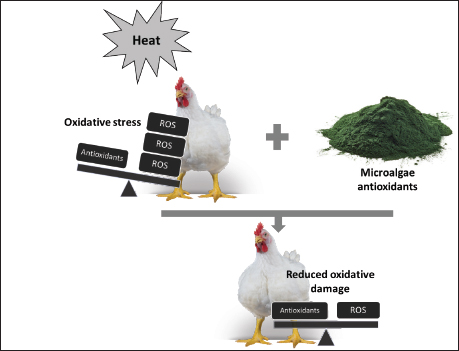
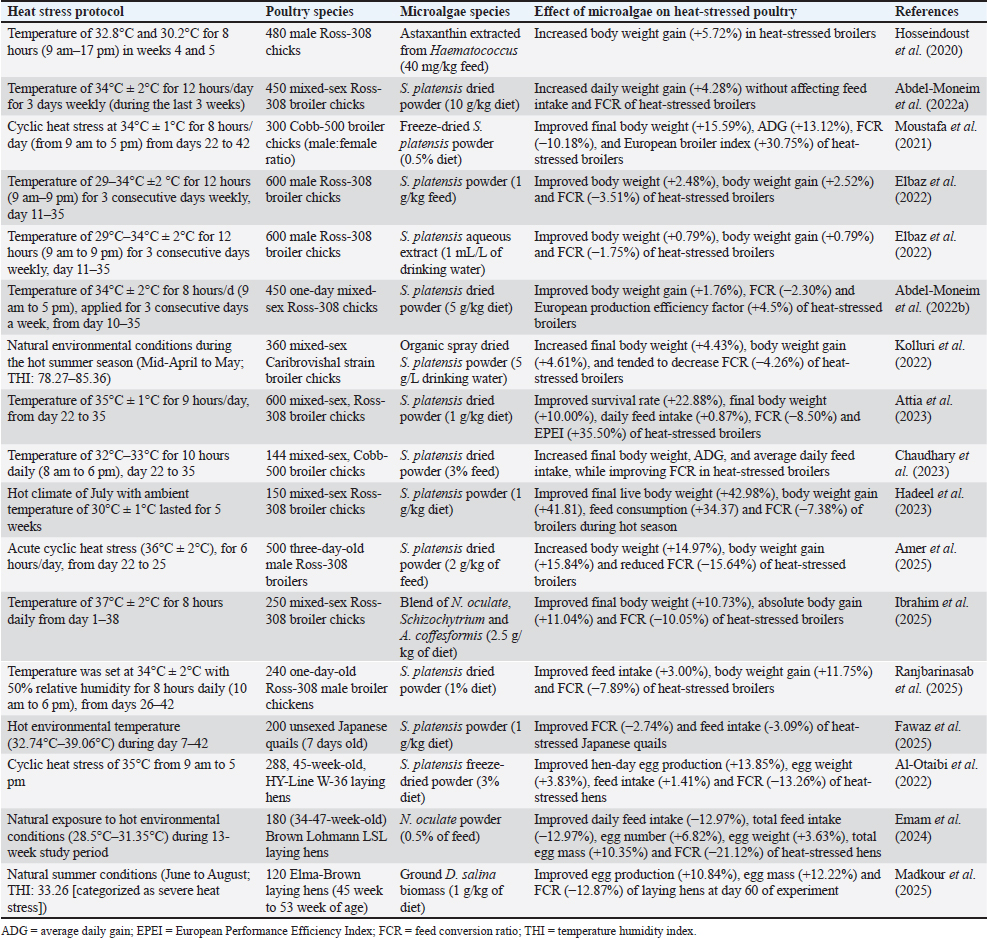
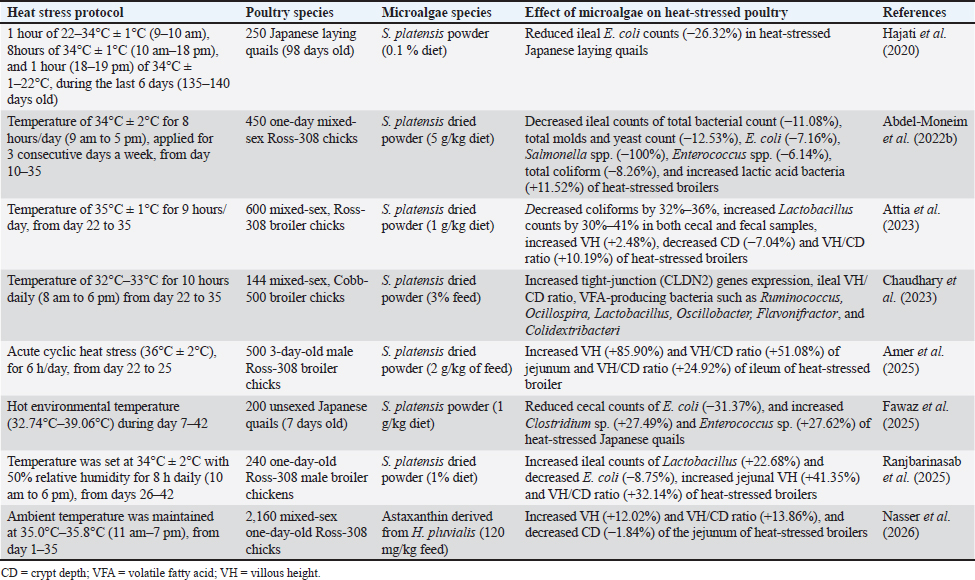
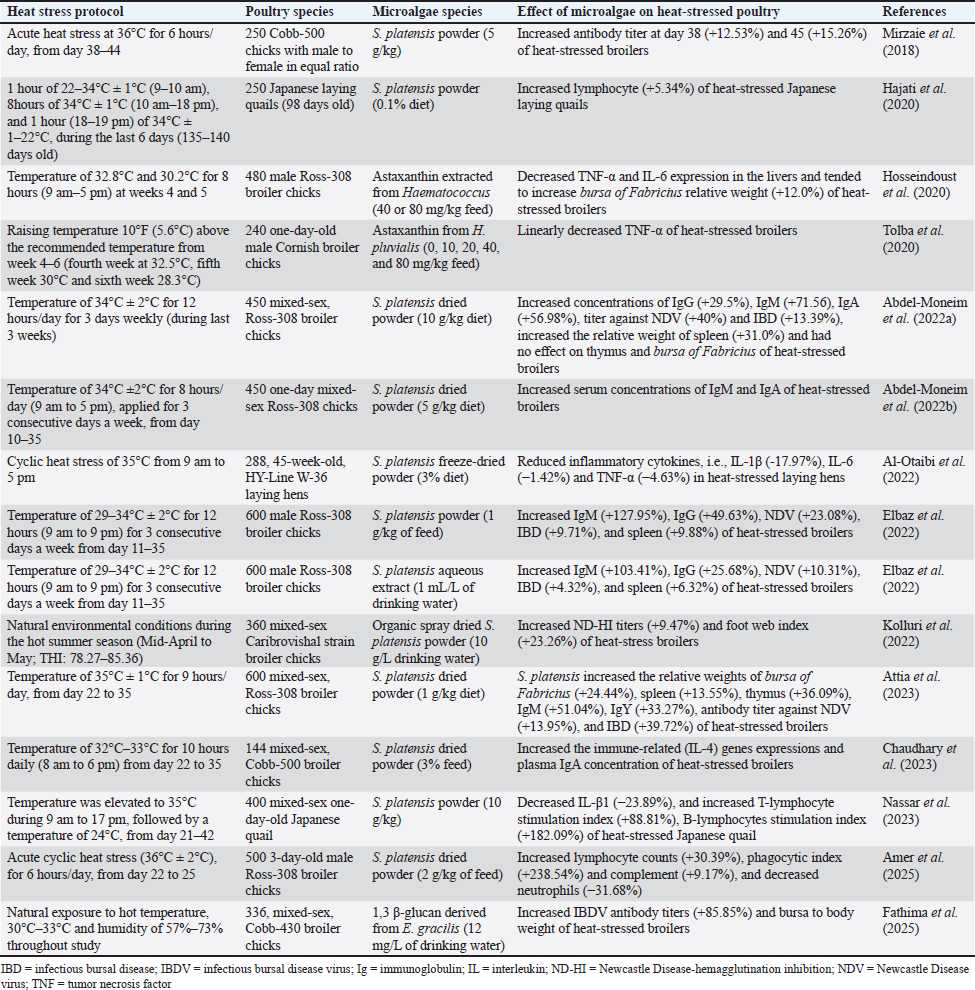
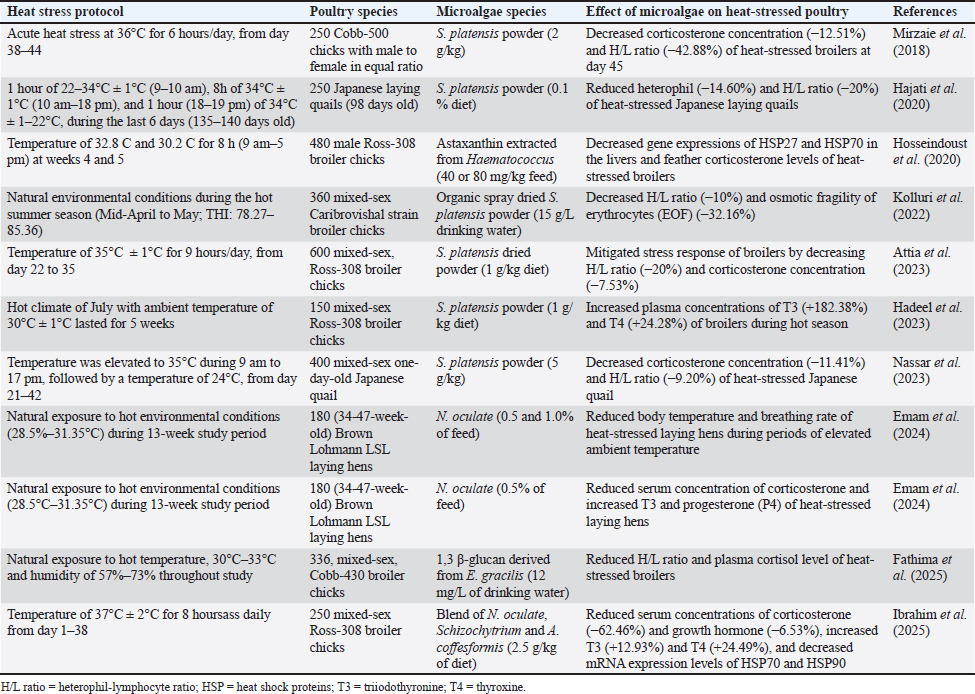
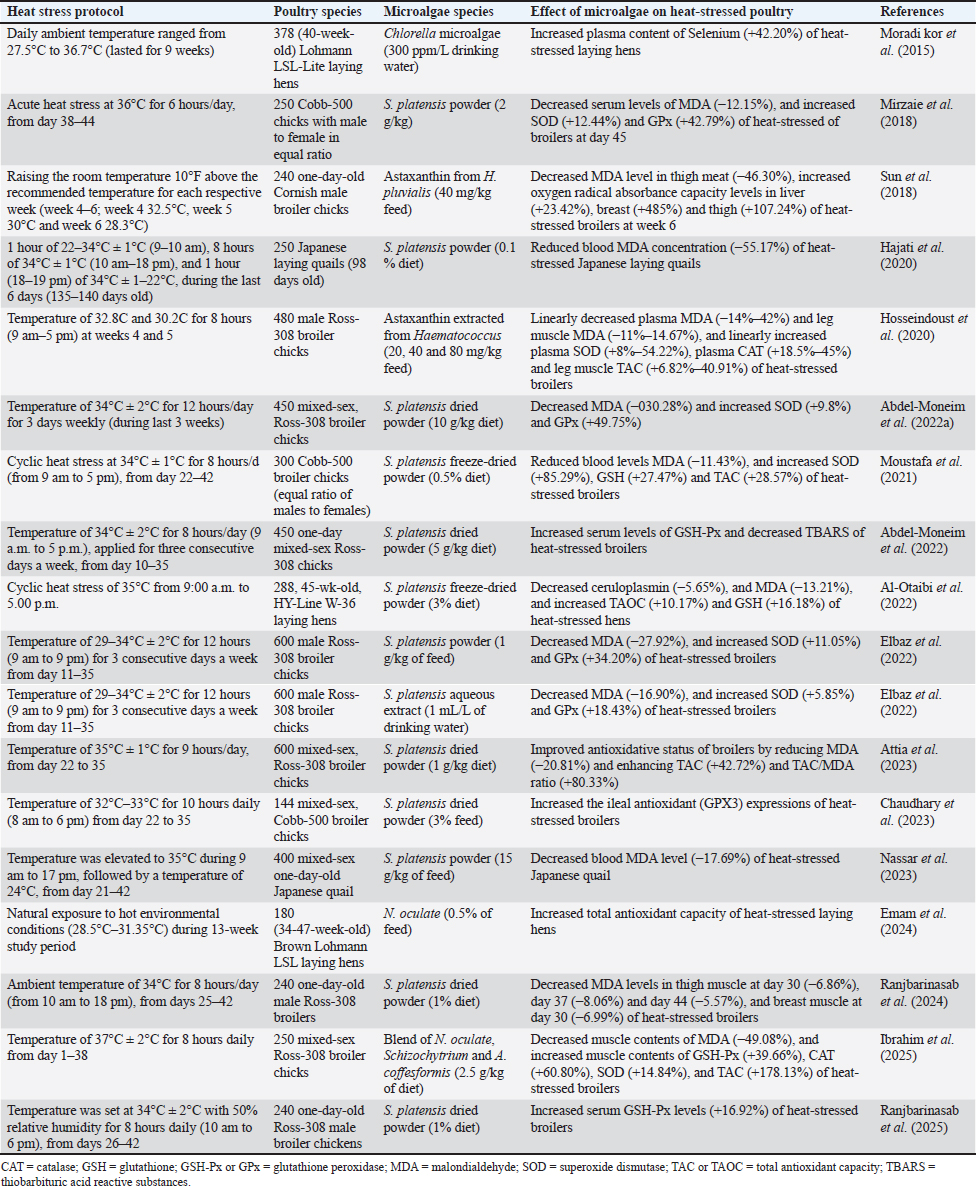
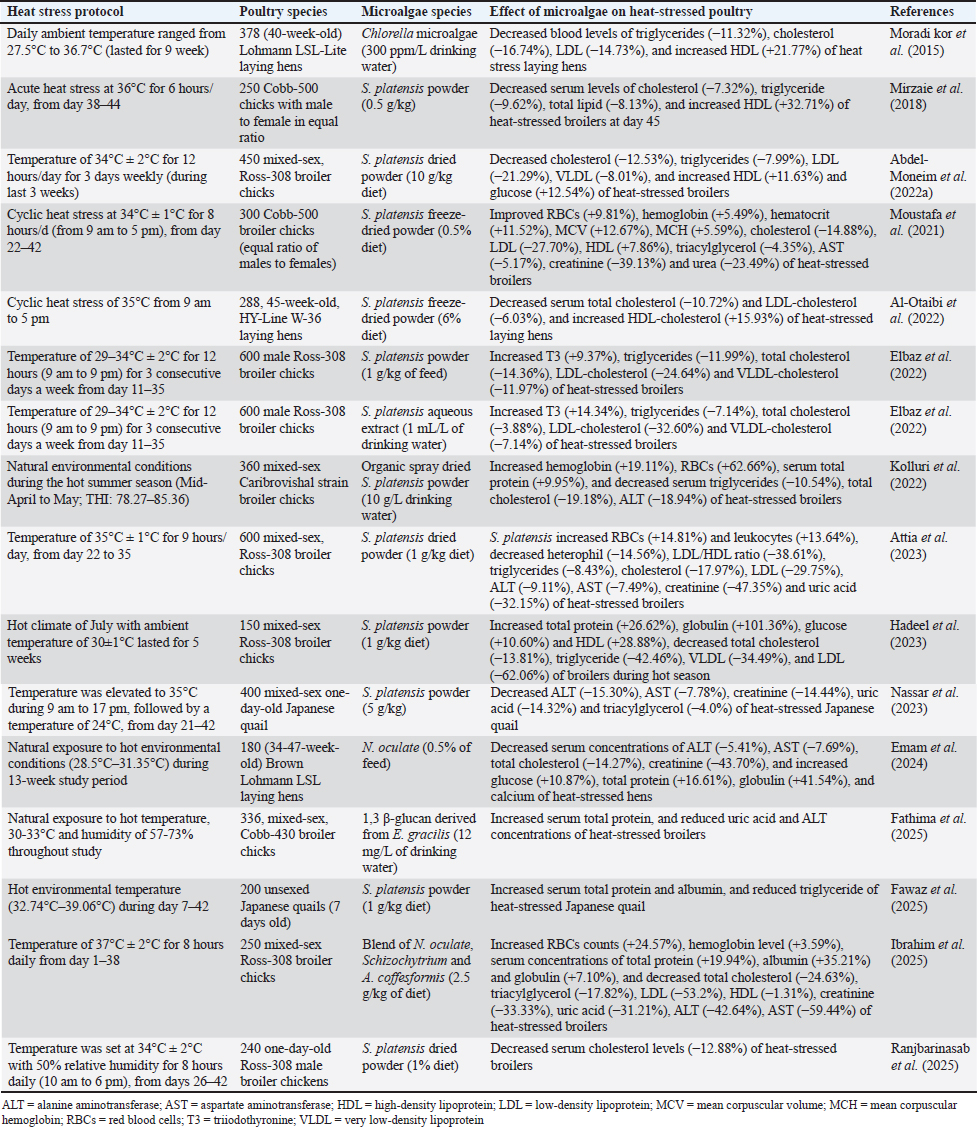
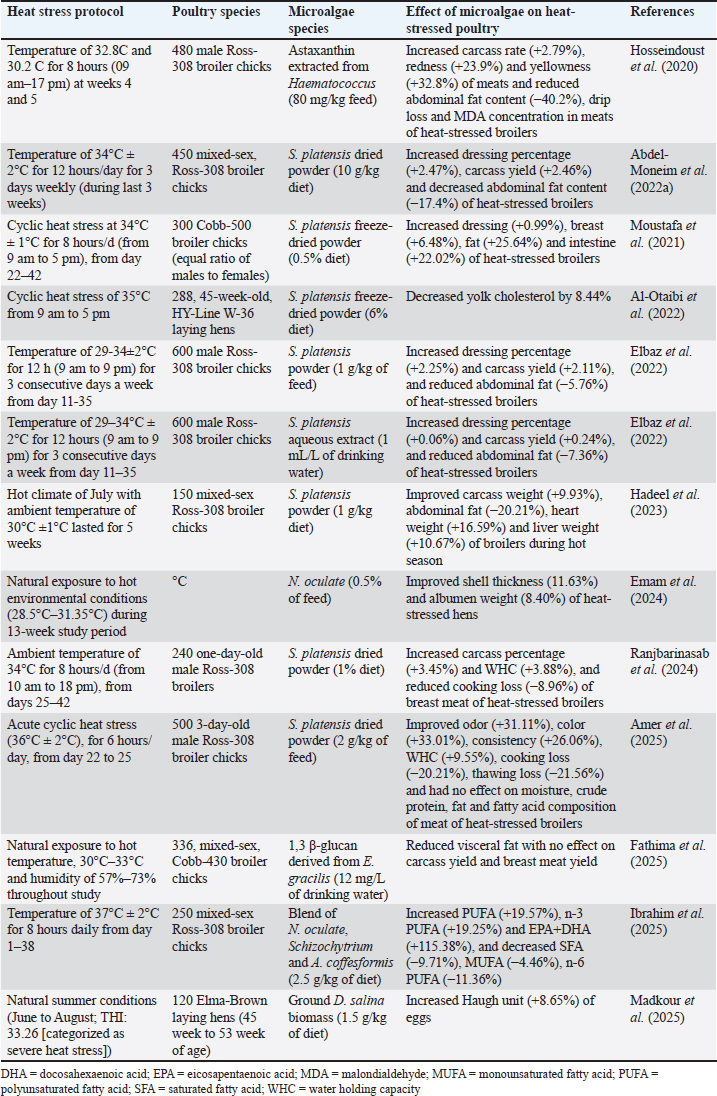
| How to Cite this Article |
| Pubmed Style Sugiharto S, Agusetyaningsih I, Pandupuspitasari NS, Abidharma AR, Ramli ANM, Soumeh EA. Microalgae as natural alternative components to mitigate the adverse effects of heat stress in poultry: An updated review. Open Vet. J.. 2026; 16(8): 5572-5602. doi:10.5455/OVJ.2026.v16.i8.51 Web Style Sugiharto S, Agusetyaningsih I, Pandupuspitasari NS, Abidharma AR, Ramli ANM, Soumeh EA. Microalgae as natural alternative components to mitigate the adverse effects of heat stress in poultry: An updated review. https://www.openveterinaryjournal.com/?mno=321184 [Access: September 03, 2026]. doi:10.5455/OVJ.2026.v16.i8.51 AMA (American Medical Association) Style Sugiharto S, Agusetyaningsih I, Pandupuspitasari NS, Abidharma AR, Ramli ANM, Soumeh EA. Microalgae as natural alternative components to mitigate the adverse effects of heat stress in poultry: An updated review. Open Vet. J.. 2026; 16(8): 5572-5602. doi:10.5455/OVJ.2026.v16.i8.51 Vancouver/ICMJE Style Sugiharto S, Agusetyaningsih I, Pandupuspitasari NS, Abidharma AR, Ramli ANM, Soumeh EA. Microalgae as natural alternative components to mitigate the adverse effects of heat stress in poultry: An updated review. Open Vet. J.. (2026), [cited September 03, 2026]; 16(8): 5572-5602. doi:10.5455/OVJ.2026.v16.i8.51 Harvard Style Sugiharto, S., Agusetyaningsih, . I., Pandupuspitasari, . N. S., Abidharma, . A. R., Ramli, . A. N. M. & Soumeh, . E. A. (2026) Microalgae as natural alternative components to mitigate the adverse effects of heat stress in poultry: An updated review. Open Vet. J., 16 (8), 5572-5602. doi:10.5455/OVJ.2026.v16.i8.51 Turabian Style Sugiharto, Sugiharto, Ikania Agusetyaningsih, Nuruliarizki Shinta Pandupuspitasari, Aulia Rahmad Abidharma, Aizi Nor Mazila Ramli, and Elham Assadi Soumeh. 2026. Microalgae as natural alternative components to mitigate the adverse effects of heat stress in poultry: An updated review. Open Veterinary Journal, 16 (8), 5572-5602. doi:10.5455/OVJ.2026.v16.i8.51 Chicago Style Sugiharto, Sugiharto, Ikania Agusetyaningsih, Nuruliarizki Shinta Pandupuspitasari, Aulia Rahmad Abidharma, Aizi Nor Mazila Ramli, and Elham Assadi Soumeh. "Microalgae as natural alternative components to mitigate the adverse effects of heat stress in poultry: An updated review." Open Veterinary Journal 16 (2026), 5572-5602. doi:10.5455/OVJ.2026.v16.i8.51 MLA (The Modern Language Association) Style Sugiharto, Sugiharto, Ikania Agusetyaningsih, Nuruliarizki Shinta Pandupuspitasari, Aulia Rahmad Abidharma, Aizi Nor Mazila Ramli, and Elham Assadi Soumeh. "Microalgae as natural alternative components to mitigate the adverse effects of heat stress in poultry: An updated review." Open Veterinary Journal 16.8 (2026), 5572-5602. Print. doi:10.5455/OVJ.2026.v16.i8.51 APA (American Psychological Association) Style Sugiharto, S., Agusetyaningsih, . I., Pandupuspitasari, . N. S., Abidharma, . A. R., Ramli, . A. N. M. & Soumeh, . E. A. (2026) Microalgae as natural alternative components to mitigate the adverse effects of heat stress in poultry: An updated review. Open Veterinary Journal, 16 (8), 5572-5602. doi:10.5455/OVJ.2026.v16.i8.51 |


