




| Research Article | ||
Open Vet. J.. 2026; 16(8): 5830-5840 !
Open Veterinary Journal, (2026), Vol. 16(8): 5830–5840 Research Article Prevalence and antibiotic resistance of Escherichia coli strains isolated from fecal samples collected at pet bird markets in northern VietnamChu Thi Thanh Huong1, Nguyen Van Giap1, Truong Lan Oanh2, Nguyen Hoang Thinh3 and Truong Ha Thai1*1Department of Microbiology and Infectious diseases, Faculty of Veterinary medicine, Vietnam national University of Agriculture, Gia Lam, Hanoi, Vietnam 2Department of Veterinary public health, Faculty of Veterinary medicine, Vietnam national University of Agriculture, Gia Lam, Hanoi, Vietnam 3Department of Animal breeding and Genetics Faculty of Animal science, Vietnam national University of Agriculture, Gia Lam, Hanoi, Vietnam *Corresponding Author: Truong Ha Thai, Department of Microbiology and Infectious diseases, Faculty of Veterinary medicine, Vietnam national University of Agriculture, Gia Lam, Hanoi, Vietnam. Email: ththai [at] vnua.edu.vn Submitted: 09/05/2026 Revised: 11/07/2026 Accepted: 22/07/2026 Published: 20/08/2026 © 2025 Open Veterinary Journal
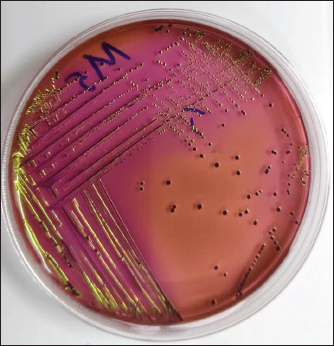
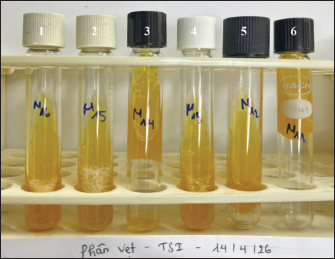
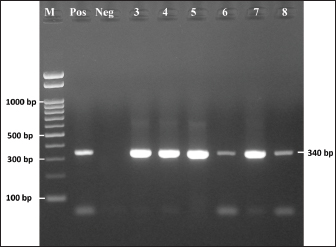
AbstractBackground: Zoonotic diseases are one of the most critical concerns related to pet birds worldwide, and the most common zoonotic infectious bacteria include Salmonella spp., Chlamydia spp., Mycobacterium spp., Listeria spp., Escherichia coli, Campylobacter spp., and Staphylococcus spp. Aim: This study aimed to determine the prevalence and antibiotic resistance of Escherichia coli strains in several pet bird species sold at pet stores in Hanoi, Vietnam. Methods: A total of 270 pet bird fecal samples were collected from pet bird markets in Hanoi, Vietnam, from June 2025 to April 2026 and transported to the laboratory for analysis within 24 hours. The E. coli strains were identified using Gram staining, biochemical tests, and polymerase chain reaction (PCR). The antibiotic susceptibility of the E. coli strains was assessed using the disc diffusion method. Results: Overall, 57.8% of the pet bird fecal samples were E. coli-positive. The highest rate was found in parrots (63.5%), followed by magpies-robins (62.5%), and the lowest was found in nightingale (48.6%); fecal samples from lovebirds, turtledove, and red-whiskered bulbuls had positive rates ranging from 55.3% to 58.2% (p=0.7815). E. coli strains exhibited the highest resistance to ampicillin (72.4%), followed by tetracycline (69.9%). Trimethoprim/sulfamethoxazole, streptomycin, chloramphenicol, nalidixic acid, and doxycycline were resistant at rates of 47.4%, 45.5%, 35.3%, 31.4%, and 25.6%, respectively. Norfloxacin, levofloxacin, kanamycin, gentamicin, amoxicillin/clavulanic acid, and cefotaxime were resisted by the isolates at rates ranging from 3.2% to 15.4%. Notably, all isolated E. coli strains were susceptible to ceftazidime and meropenem. Forty-one antibiotic resistance phenotypes were observed, and 54.5% of the isolates were identified as multidrug-resistant (MDR). Notably, although the ampicillin, streptomycin, chloramphenicol, tetracycline, and trimethoprim/sulfamethoxazole resistance phenotype was found in only five strains, as many as thirty other E. coli strains exhibited this resistance pattern along with resistance to other antibiotics. Conclusion: E. coli strains originating from pet birds exhibited resistance to multiple antibiotics, including several MDR strains. This highlights the potential role of pet birds as a reservoir for antibiotic-resistant bacteria, raising significant public and animal health concerns. Keywords: Antibiotic resistance, E. coli, Hanoi, MDR, Pet bird. IntroductionBirds are the most popular pet animals kept by humans in many parts of the world. Zoonotic diseases are one of the most critical concerns related to pet birds worldwide (Rahman et al., 2020; Hosseinian, 2022). The most common zoonotic infectious bacteria include Salmonella spp., Chlamydia spp., Mycobacterium spp., Listeria spp., Escherichia coli, Campylobacter spp., and Staphylococcus spp. (Day, 2016; Boroomand and Faryabi, 2020). E. coli, a member of the Enterobacteriaceae family, is a common symbiotic bacterium in the gastrointestinal tract of humans and animals. However, it is also one of the most common pathogens in humans and animals. It can cause various diseases and is considered a source of bacteria containing genes associated with antibiotic resistance (Prestinaci et al., 2015; Machado et al., 2018). The flexibility and adaptability of E. coli to the environment provide a large number of drug resistance mechanisms, and normal E. coli bacteria can also be considered a source of antibiotic resistance (Szmolka and Nagy, 2013). Antibiotic resistance is one of the most serious global public health problems, causing clinical consequences for humans and economic impacts for each country (WHO, 2017; Russo et al., 2022). The problem of antibiotic resistance is complex, involving many aspects, from the indiscriminate use of antibiotics in medicine, veterinary medicine, animal husbandry, and agriculture, leading to the increasing spread of antibiotic-resistant microorganisms, including pathogenic strains (Blair et al., 2015; Florez-Cuadrado et al., 2018). Continuous antibiotic use increases selective pressure, which facilitates the development, formation, and spread of antibiotic-resistant bacterial strains (Prestinaci et al., 2015). Furthermore, the emergence of MDR bacterial strains (resistance to three antibiotics from three different drug classes simultaneously) has reduced treatment efficacy (Magiorakos et al., 2012). In Vietnam, keeping pet birds in captivity is quite common because they do not require much space and are easy to care for. Besides world-famous pet birds like parrots (Psittacidae) and lovebirds (Agapornis), some domesticated wild birds such as the red-whiskered bulbul (Pycnonotus jocosus), nightingale (Garrulax canorus), magpie-robins (Copsychus saularis), and turtledove (Streptopelia chinensis) are also kept as pets by many families. Wild animals, especially birds, are widely reported to be carriers of pathogens and antibiotic resistance (Ahmed et al., 2021; Hosseinian, 2022; Masud et al., 2024). Currently, the risk of AMR transmission from pet animals to humans has not received adequate attention, and data on AMR in pet birds is scarce (Diren Sigirci et al., 2020). Therefore, more research is required to provide more information and raise awareness of this risk. This study aimed to determine the prevalence and antibiotic resistance of E. coli strains in several pet bird species sold at pet stores in Hanoi, Vietnam. The results of this study provide useful information on the antibiotic resistance status of some common bacteria. Materials and MethodsSamplingIn this cross-sectional study, 270 fresh fecal samples were randomly collected from healthy birds at 35 different pet bird shops, with 5–10 samples taken from each shop depending on the number and species of pet birds, at bird markets in Hanoi, Vietnam, from June 2025 to April 2026. The samples were collected following Vietnam’s national technical regulation on animal diseases – General requirements for sample collection, storage, and shipment of the Ministry of Agriculture and Rural Development (2011). Briefly, fresh fecal samples from the cages were carefully collected using sterile spoons. Each sample was placed in a separate sterile sample bag, labeled, stored in a cooler with ice, and immediately transported to the Department of Veterinary Microbiology and Infectious Diseases, Faculty of Veterinary Medicine, Vietnam National University of Agriculture for analysis within 24 hours. Isolation of Escherichia coliAt the laboratory, approximately 1 gram of substance from fecal samples was mixed with buffered peptone water (BPW, Merck, Germany) at a 1:9 ratio. A loopful of the mixed cultures was streaked onto MacConkey agar (Merck, Germany) (Fig. 1) and incubated at 37°C for 24 hours. Then, the pink colonies were cultured onto eosin methylene blue agar (EMB, Merck, Germany) (Fig. 2) and continuously incubated at 37°C for 24 hours. Only one typical colony that produced the metallic sheen on EMB agar was streaked into a tube of triple sugar iron agar (TSI, Merck, Germany) (Fig. 3) and incubated at 37°C for 24 hours. Colonies exhibiting a typical TSI profile (Fig. 4), including glucose and lactose fermentation with gas production and no H2S, were confirmed as E. coli by Gram staining and biochemical tests, including citrate utilization, indole production, methyl red, and Voges-Proskauer reactions. All isolates were kept in brain heart infusion broth (BHI; Merck, Germany) supplemented with 50% glycerol at −20°C for subsequent experiments. E. coli confirmationDNA was extracted using the TopPURE® Genomic DNA Extraction Kit (ABT, Vietnam) according to the manufacturer’s instructions. The specific primers (Malinen et al., 2003) corresponding to the following nucleotide sequence based on the 16S gene for E. coli [5′-GTTAATACCTTTGCTCATTGA-3′ and 5′-ACCAGGGTATCTAATCCTGTT-3′] with an expected PCR product of 340 bp were used (Fig. 5). The PCR cycling conditions were as follows: initial denaturation at 94ºC for 5 minutes, followed by 35 cycles of denaturation at 94ºC for 30 seconds, annealing at 60ºC for 30 seconds, and extension at 72ºC for 45 seconds, followed by final extension at 72ºC for 10 minutes. The reaction components included 12.5 µl of GoTag® Green Master Mix (Promega, USA), 1 µl each of the forward and reverse primers (10 µM), 8.5 µl of purified water, and 2 µl of template DNA. The PCR products were electrophoresed on 1.5% agarose gel supplemented with RedSafe™ nucleic acid staining solution (Intron, Korea).
Fig. 1. E. coli colonies isolated from pet bird fecal samples exhibited pink coloration on MacConkey agar.
Fig. 2. E. coli colonies isolated from pet bird fecal samples exhibited a metallic green sheen on EMB agar.
Fig. 3. E. coli strains isolated from fecal samples of pet birds on TSI agar. (Tubes 1 - 6: The E. coli strains exhibiting fermentation and gas production)
Fig. 4. IMViC tests for E. coli confirmation. [Tube 1: The E. coli strain exhibited fermentation and gas production on TSI agar; tube 2: Indole (+); tube 3: Methyl red (+); tube 4: Voges-Proskauer (-); tube 5: Simmons citrate (-)]
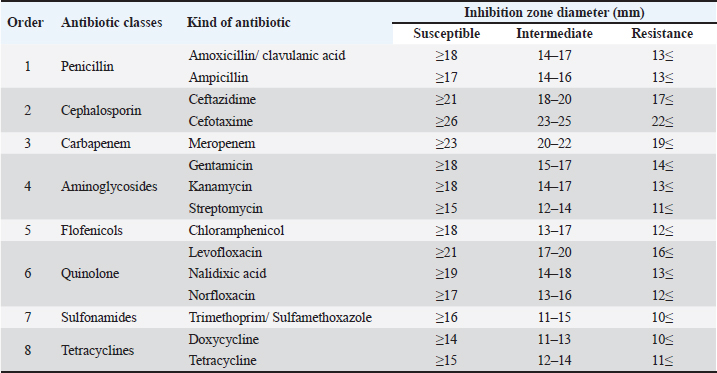
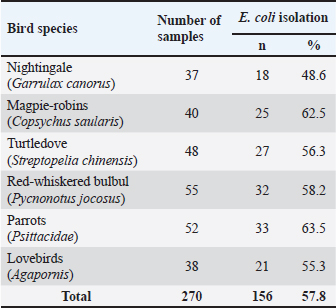
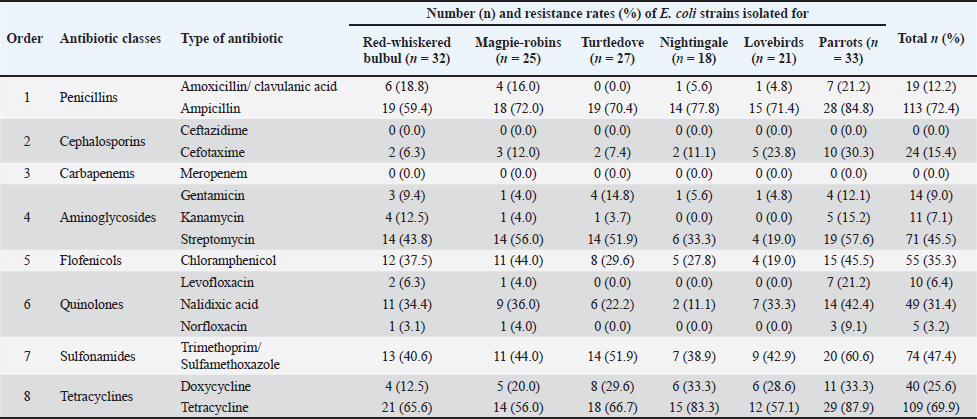
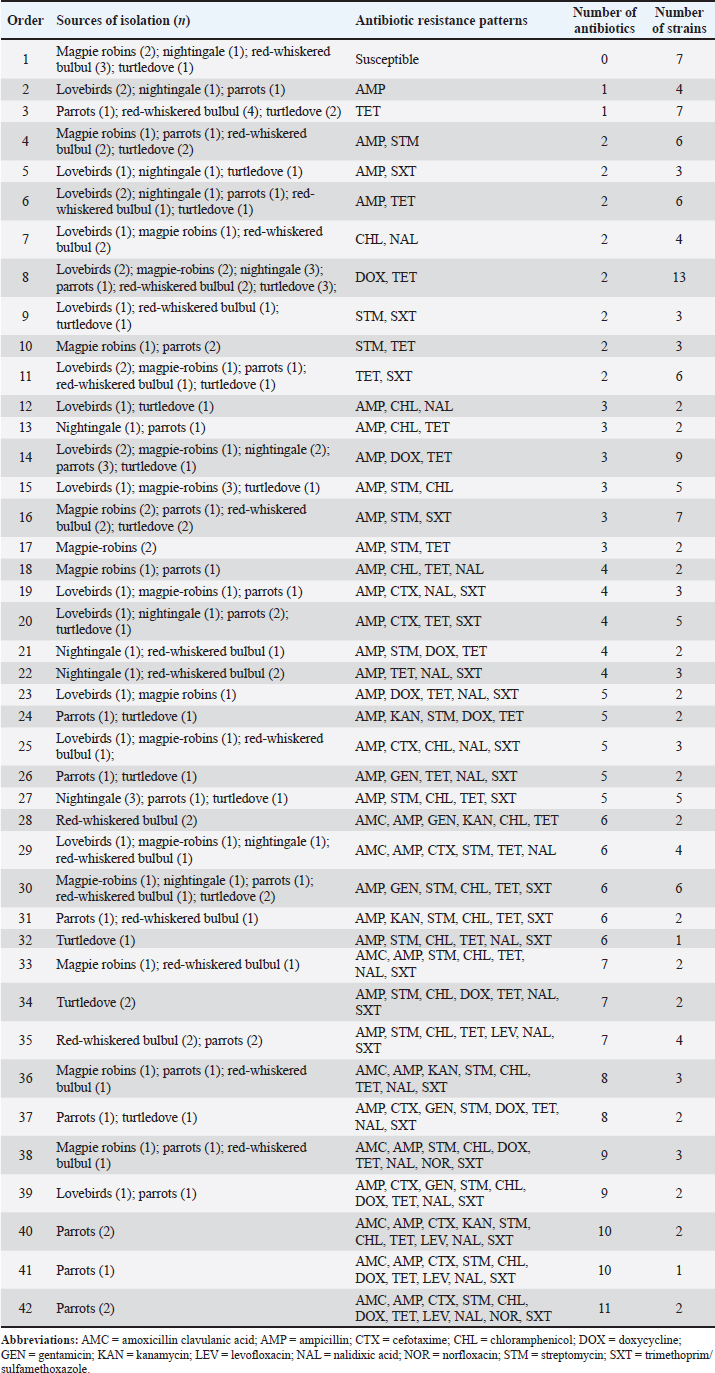
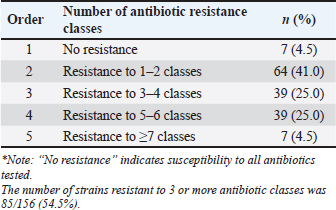
Fig. 5. Electrophoresis of the 16S gene in E. coli.(M: marker, 100 bp; Pos: positive control; Neg: negative control; Lanes 3, 4, 5, 6, 7, and 8: positive 16S genes, 340 bp) Antimicrobial susceptibility testingThe antibiotic susceptibility test was performed according to the guidelines of the Clinical and Laboratory Standards Institute (CLSI, 2024). The agar diffusion method was performed on Mueller-Hinton agar (MHA, Merck, Germany) following Bauer et al. (1966), and 15 different antibiotic agents (Oxoid, UK) belonging to nine classes were used, including penicillin [ampicillin (10 µg); amoxicillin clavulanic acid (20/10 µg)], carbapenems [meropenem (10 µg)], cephalosporins [cefotaxime (30 µg); ceftazidime (30 µg)], flofenicols [chloramphenicol (30 µg)], tetracyclines [doxycycline (30 µg); tetracycline (30 µg)], aminoglycosides [gentamicin (10 µg), kanamycin (30 µg); streptomycin (10 µg)], quinolones [nalidixic acid (30 µg), levofloxacin (5 µg), norfloxacin (10 µg)]; sulfonamides [trimethoprim/sulfamethoxazole (1.25/23.75 µg)]. The inhibition zone diameters of the 15 antibiotics for E. coli are shown in Table 1. The Escherichia coli ATCC 25922 strain was used for quality control. An isolate was determined to be antibiotic- or MDR-based on the definition of Magiorakos et al. (2012). Data analysisThe isolation and antibiotic resistance rates of the E. coli strains were recorded and calculated using Microsoft Excel 2016. The 95% confidence intervals (95% CI) for the proportions were estimated using the Clopper-Pearson binomial distribution (Exact Binomial Test) with R software. Ethical approvalThe present study was conducted by collecting samples in accordance with the guidelines of the Committee on Animal Research and Ethics (CARE), Faculty of Veterinary Medicine, Vietnam National University of Agriculture, Vietnam (Approval No. CARE-2025/08). ResultsIsolation of E. coli from pet bird fecal samplesOverall, 57.8% (156/270) of the pet bird fecal samples were E. coli-positive after conducting biochemical and molecular tests (Table 2). The highest rate was found in the fecal samples of parrots (63.5%), followed by magpies-robins (62.5%), and the lowest rate was found in the nightingale (48.6%). Fresh fecal samples from lovebirds, turtledove, and red-whiskered bulbuls had positive rates for E. coli ranging from 55.3% to 58.2%. However, no significant difference in isolation rates was observed between samples collected from different pet bird species (p=0.7815). Antibiotic resistance of E. coli strainsThe antibiotic susceptibility testing results of the isolated E. coli strains are presented in Table 3. E. coli strains exhibited the highest resistance to ampicillin (72.4%), followed by tetracycline (69.9%). Trimethoprim/sulfamethoxazole, streptomycin, chloramphenicol, nalidixic acid, and doxycycline were resistant at rates of 47.4%, 45.5%, 35.3%, 31.4%, and 25.6%, respectively. Norfloxacin, levofloxacin, kanamycin, gentamicin, amoxicillin/clavulanic acid, and cefotaxime were resisted by the isolates at rates ranging from 3.2% to 15.4%. Notably, all isolated E. coli strains were susceptible to ceftazidime and meropenem. With the exception of ceftazidime and meropenem, E. coli strains isolated from parrots generally showed higher resistance rates to the remaining antibiotics than strains from other pet bird species. Antibiotic resistance patternsForty-one antibiotic resistance phenotypes were observed in E. coli strains isolated from pet birds (Table 4). The most common resistance patterns were resistance to DOX-TET and AMP-DOX-TET, which were detected in 13 and 9 isolates, respectively. Although the AMP-STM-CHL-TET-SXT resistance phenotype was found in only five strains, as many as thirty other E. coli strains exhibited this resistance pattern along with resistance to other antibiotics, including quinolones and cephalosporins. Of the 156 E. coli strains, 149 (95.5%) were resistant to at least one antibiotic, and 54.5% (85/156) of the isolates were MDR (Table 5). Of these strains, 41.0% (64/156) were found to be resistant to 1–2 antibiotic classes; the rate of resistance to 3–4 and 5–6 antibiotic classes was both 25.0% (39/156) of the strains; and 4.5% (7/156) were simultaneously resistant to ≥ 7 antibiotic classes. Table 1. CLSI breakpoints (inhibition zone diameters) for the tested antibiotics.
Table 2. Rates of E. coli isolation from pet bird fecal samples.
DiscussionThe isolation rate of E. coli (57.8%) from pet bird fecal samples is consistent with rates of 46.5%–48.7% in studies conducted in Brazil (Corrêa et al., 2013; Lopes et al., 2015) and Bangladesh (Nupur et al., 2023). However, several other studies reported lower isolation rates of E. coli in pet bird fecal/rectal samples, such as approximately 30.0%–36.1% in Brazil (Machado et al., 2018; Marques et al., 2024), 30.7% in Italy (Varriale et al., 2020), and 37.7% in Turkey (Diren Sigirci et al., 2020), 43.0% in diarrheic companion birds in Iraq (Gholami-Ahangaran et al., 2022), and 36.0% in parrots with respiratory illness in Egypt (Samir et al., 2025). Additionally, E. coli were isolated at low rates of 5.62%–10.0% in Brazil (Horn et al., 2015; Pontes et al., 2018), 13.0% in Iran (Piryaei et al., 2023), 13.3% in Spain (Muñoz-Ibarra et al., 2022), and 19.6% in Bangladesh (Hasib et al., 2025). The differences between these rates can be based on various criteria, including geographical differences, sampling techniques, and detection procedures. The ampicillin resistance rate of the E. coli strain (72.4%) is higher than the rates of 52.0% in Spain (Muñoz-Ibarra et al., 2022), 55.6% in Iran (Piryaei et al., 2023), and 59.3% in Egypt (Samir et al., 2025). In Brazil, the rates of ampicillin resistance in E. coli strains originating from pet birds vary widely, from 16.0% (Horn et al., 2015) to 52.6% (Lopes et al., 2015) and 78.0% (Pontes et al., 2018). Notably, 100% of the extended-spectrum beta-lactamase (ESBL) E. coli strains were resistant to ampicillin in previous studies conducted in Turkey (Yılmaz and Dolar, 2017) and Bangladesh (Hasib et al., 2025). The widespread use of ampicillin to treat bacterial infections in pet birds may be associated with a high rate of resistance to this antibiotic. Resistance to amoxicillin/clavulanic acid (12.2%) is comparable to the rate of 13.0% reported in a study conducted in Turkey (Diren Sigirci et al., 2020). However, it was lower than the rates of 51.1%, 53.0%, and 81.0% in studies conducted in Italy (Varriale et al., 2020), Spain (Muñoz-Ibarra et al., 2022), and Brazil (Pontes et al., 2018). Meropenem is an extremely important broad-spectrum drug for the treatment of serious human infections (WHO, 2017). All of the isolated E. coli strains were susceptible to meropenem, which is consistent with the findings of similar studies conducted in Spain (Muñoz-Ibarra et al., 2022), Brazil (Marques et al., 2024), Egypt (Samir et al., 2025), and Bangladesh (Hasib et al., 2025). Cefotaxime is an essential antibiotic for treating infections; therefore, its use should be performed with caution and in accordance with the recommendations of the World Health Organization (2017). In the current study, the rate of cefotaxime resistance (15.4%) was lower than the rates of 24.0% and 66.7% reported in previous studies from Spain (Muñoz-Ibarra et al., 2022) and Egypt (Samir et al., 2025), respectively. All E. coli strains were susceptible to ceftazidime, which is consistent with the findings of studies conducted in Brazil (Corrêa et al., 2013) and Iran (Piryaei et al., 2023). However, approximately 12.5% and 66.7% of E. coli strains isolated from pet birds were resistant to ceftazidime in studies conducted in Spain (Muñoz-Ibarra et al., 2022) and Egypt (Samir et al., 2025), respectively. The tetracycline-resistant rate (69.9%) is consistent with the rates observed in previous studies, such as 65.2% in Turkey (Diren Sigirci et al., 2019), 60.5% in Iraq (Gholami-Ahangaran et al., 2022), and 63.6% in Italy (Varriale et al., 2020). However, lower resistance rates have also been reported, such as approximately 28.6%–51.5% in Brazil (Lopes et al., 2015; Machado et al., 2018; Pontes et al., 2018; Marques et al., 2024), 53.0% in Spain (Muñoz-Ibarra et al., 2022), and 40.7% in Egypt (Samir et al., 2025). Notably, other studies in Turkey found that 84.0%–100% of E. coli strains isolated from pet birds were resistant to this antibiotic (Yılmaz and Dolar, 2017; Diren Sigirci et al., 2020). The high rates of tetracycline resistance in some countries may be related to the widespread use of this antibiotic in veterinary and animal husbandry. Notably, the rate of doxycycline resistance (25.6%) was lower than the rates ranging from 37.0%–57.7% in studies conducted in Italy (Varriale et al., 2020), Iran (Piryaei et al., 2023), and Egypt (Samir et al., 2025). This difference in antibiotic resistance rates may be due to the antibiotic usage habits of pet owners in each country. Table 3. Antibiotic resistance rates of E. coli strains isolated from pet bird fecal samples
Table 4. Antibiotic resistance patterns of E. coli strains isolated from fecal samples of pet birds (n=156).
Table 5. Number of E. coli isolates with MDR (n=156)
Trimethoprim/sulfamethoxazole exhibits broad-spectrum activity through oral efficacy and is particularly suitable for poultry treatment. The trimethoprim/sulfamethoxazole resistance rate (47.4%) was in line with the rates of 38.0%–46.0%, 44.4%, and 55.0% reported in Turkey (Diren Sigirci et al., 2019, 2020), Egypt (Samir et al., 2025), and Italy (Varriale et al., 2020), respectively. However, this antibiotic was found to be resistant at lower rates, ranging from 12.1% to 33.0% in similar studies conducted in Brazil (Lopes et al., 2015; Machado et al., 2018; Pontes et al., 2018; Marques et al., 2024) and 27.0% in Spain (Muñoz-Ibarra et al., 2022). Except for kanamycin, the aminoglycoside resistance observed in the isolates was quite similar to that reported in a Turkish study (Diren Sigirci et al., 2020), which reported resistance rates of 34.0%, 25.0%, and 7.0% for streptomycin, kanamycin, and gentamicin, respectively. Resistance to gentamicin was quite low, ranging from 2.0% to 7.0% in previous studies conducted in Brazil (Horn et al., 2015; Lopes et al., 2015; Machado et al., 2018; Pontes et al., 2018) and Spain (Muñoz-Ibarra et al., 2022). However, this rate increased from 15.1% to 24.6% in similar studies conducted in Italy (Varriale et al., 2020), Iran (Piryaei et al., 2023), Brazil (Marques et al., 2024), and Egypt (Samir et al., 2025), and up to 53.1% in studies conducted in Bangladesh (Hasib et al., 2025). Resistance to streptomycin was also reported to range from approximately 37.2% to 74.0% in previous studies conducted in Brazil (Horn et al., 2015; Lopes et al., 2015; Machado et al., 2018; Pontes et al., 2018) and Iran (Piryaei et al., 2023). The chloramphenicol-resistant rate (35.3%) was comparable to the rates of 26.0%–36.0% in studies reported from Spain (Muñoz-Ibarra et al., 2022), Brazil (Horn et al., 2015; Pontes et al., 2018), and Egypt (Samir et al., 2025). However, E. coli strains showed lower resistance rates to this antibiotic, ranging from 3.0% to 10.2%, in other studies in Brazil (Machado et al., 2018; Marques et al., 2024), and 17.0% in Turkey (Diren Sigirci et al., 2020). Notably, 77.8% of the STEC strains were resistant to chloramphenicol in a study from Iran (Piryaei et al., 2023). Differences in sample size, geographic location, and the use of different antibiotics may explain the differences in incidence rates between studies. Resistance to nalidixic acid (31.4%) is consistent with the rates of 25.6%–30.0% in Brazil (Lopes et al., 2015; Pontes et al., 2018), and 44.4% in studies in Iran (Piryaei et al., 2023). However, E. coli strains showed resistance to nalidixic acid at levels of 6.1%–12.0% and 17.0% in studies reported from Brazil (Horn et al., 2015; Machado et al., 2018) and Turkey (Diren Sigirci et al., 2020). The isolates in this study were resistant to norfloxacin and levofloxacin at rates of 3.2% and 6.4%, respectively. However, resistance rates for these two antibiotics were reported to be 11.1% and 13.0%, respectively, in studies from Iran (Piryaei et al., 2023) and Turkey (Diren Sigirci et al., 2020). Notably, E. coli strains derived from pet birds showed a norfloxacin resistance rate of 51.9% in a study conducted in Egypt (Samir et al., 2025). This high rate of drug resistance may be related to selective pressure, the results of established veterinary therapies without laboratory support, and empirical treatments without veterinary supervision (Pontes et al., 2018; Diren Sigirci et al., 2020). The emergence of MDR in livestock may be exacerbated by the improper and inappropriate use of antibiotics (Larb et al., 2021). In our study, MDR strains were resistant to common antibiotics, such as ampicillin, tetracycline, trimethoprim/sulfamethoxazole, streptomycin, and chloramphenicol. Notably, E. coli strains exhibiting this resistance pattern also showed resistance to other antibiotics, including quinolones and cephalosporins. The widespread and uncontrolled use of broad-spectrum antibiotics may play a significant role in the emergence of MDR bacteria (Reygaert, 2018; Bharadwaj et al., 2022). Furthermore, this issue may be related to the fact that bird breeders often purchase these drugs from pharmacies because veterinary drug manufacturers in Vietnam currently do not adequately focus on producing specialized veterinary drugs for pet birds. In our study, the prevalence of MDR E. coli was higher than the rates of 33.3%, 38.3%, and 40.1% in studies conducted in Brazil (Lopes et al., 2015), Spain (Muñoz-Ibarra et al., 2022), and Italy (Varriale et al., 2020), respectively. However, it was in line with the rates of 59.0% and 67.0% observed in E. coli strains isolated from pet birds in Brazil (Pontes et al. 2018) and Turkey (Diren Sigirci et al. 2020). Notably, the MDR was reported as high as 77.1% and 100% in studies conducted in Iran (Hasib et al., 2025) and Bangladesh (Piryaei et al., 2023), respectively. Differences in antibiotic resistance rates and phenotypes between studies are related not only to antibiotic use practices, veterinary surveillance, and biosecurity measures in each country but also to antibiotic susceptibility testing methods, laboratory techniques, and the origin of bacterial strains isolated from pet birds. The presence of MDR E. coli bacteria in pet birds suggests that these birds may be a source of antibiotic-resistant bacteria transmission to their owners, complicating antibiotic selection and increasing treatment costs when infected with zoonotic bacterial strains (Masud et al., 2024; Samir et al., 2025). Furthermore, prolonged antibiotic exposure in pet birds can create selective pressure, facilitating the acquisition and maintenance of multiple resistance genes through cross-transmission, gene mutations, or environmental contamination (Magiorakos et al. 2012). The rapid increase in MDR bacterial strains underscores the urgent need for stricter antibiotic management and surveillance to minimize the spread of MDR pathogens in pet birds and avoid significant risks to animal and community health (Szmolka and Nagy, 2013; Monteiro et al., 2025). ConclusionIn summary, E. coli strains originating from pet birds exhibited resistance to multiple antibiotics, including several MDR strains. This highlights the potential role of pet birds as a reservoir for antibiotic-resistant bacteria, raising significant public and animal health concerns. However, this study only provides a preliminary assessment of the prevalence and antibiotic resistance of E. coli strains isolated from pet birds within the limited study time and space. Therefore, further studies on resistance to different antibiotics, virulence factors, and resistance genes of bacteria in pet birds are needed to provide valuable insights into their transmission and potential impact on public health. AcknowledgementsThe authors would like to thank the students for transporting the samples and the pet shop owners for their cooperation in collecting the samples. FundingThis study received no external funding. The authors independently contributed to this study. Authors’ ContributionsC.T.T.H. set up the investigation and methodology and contributed to writing the manuscript. T.L.O. collected and analyzed the samples. N.V.G. and N.H.T. participated in the experiments and data analysis. T.H.T. provided supervision, methodology support, and writing assistance. All authors have revised and approved the final version of the manuscript. Conflict of InterestThe authors declare no conflicts of interest. Data AvailabilityAll data supporting this study’s findings are available within the manuscript. ReferencesAhmed, H.A., Awad, N.F.S., Abd El-Hamid, M.I., Shaker, A., Mohamed, R.E. and Elsohaby, I. 2021. Pet birds as potential reservoirs of virulent and antibiotic resistant zoonotic bacteria. Comp. Immunol. Microbiol. Infect. Dis. 75, 101606; doi:10.1016/j.cimid.2020.101606 Bharadwaj, A., Rastogi, A., Pandey, S., Gupta, S. and Sohal, J.S. 2022. Multidrug-resistant bacteria: their mechanism of action and prophylaxis. Biomed. Res. Int. 5 (2022), 5419874; doi:10.1155/2022/5419874 Blair, J.M., Webber, M.A., Baylay, A.J., Ogbolu, D.O. and Piddock, L.J. 2015. Molecular mechanisms of antibiotic resistance. Nat. Rev. Microbiol. 13(1), 42–51; doi:10.1038/nrmicro3380 Bauer, A.W., Kirby, W.M.M., Sherris, J.C. and Turck, M. 1966. Antibiotic susceptibility testing by a standardized single disk method. Am. J. Clin. Pathol. 45(4), 493–496. Available via https://academic.oup.com/ajcp/article-abstract/45/4_ts/493/4821085?redirectedFrom=fulltext Corrêa, I.M.D.O., Flores, F., Schneiders, G.H., Pereira, L.Q., Brito, B.G. and Lovato, M. 2013. Detection of virulence factors in Escherichia coli and analysis of Salmonella spp. in psittacines. Pesq. Vet. Bras. 33 (2), 241–246; doi:10.1590/S0100-736X2013000200017 Clinical and Laboratory Standards Institute (CLSI). 2024. Performance standards for antimicrobial susceptibility testing, 34th ed, CLSI supplement M100. Wayne, PA: Clinical and Laboratory Standards Institute, pp: 24–25. Available via https://pid-el.com/wp-content/uploads/2024/07/CLSI-M100.pdf Day M.J. 2016. Pet-related infections. Am. Fam. Physician. 94(10), 794–802. Available via https://www.aafp.org/pubs/afp/issues/2016/1115/p794.html Diren Sigirci, Larbi B., Celik, B., Kahraman, B.B., Bagcigil, A.F. and Ak, S. 2019. Tetracycline resistance of Enterobacteriaceae isolated from feces of synanthropic birds. J. Exot. Pet Med. 28, 13–18; doi:10.1053/j.jepm.2017.12.003 Diren Sigirci, B., Baran, C., Barış, H., Mehmet, A., Ilgın, K., Kemal, M., Serkan I., Funda, B., Naciye, O., Seyyal, A. and Beren B.K. 2020. Antimicrobial resistance profiles of Escherichia coli isolated from companion birds. J. King Saud Univ. Sci. 32, 1069–1073; doi:10.1016/j.jksus.2019.09.014. Florez-Cuadrado, D., Moreno, M.A., Ugarte-Ruíz, M. and Domínguez, L. 2018. Antimicrobial resistance in the food chain in the European Union. Adv. Food Nutr. Res. 86, 115–136; doi:10.1016/bs.afnr.2018.04.004 Gholami-Ahangaran, M., Haj-Salehi, M., Karimi-Dehkordi, M., Ansari, M.J., Mahdi, O.A. and Jawad, M.A. 2022. Tetracycline resistant genes in Escherichia coli isolated from enteric disease in companion birds. Vet. Res. Forum. 13(2), 279–282; doi:10.30466/vrf.2020.127645.2952. Hasib, F.M.Y., Bayzid, M., Das, T., Rana, E.A., Kamal, T., Hossain, M.A. and Alim, M.A. 2025. Multidrug-resistant extended-spectrum beta-lactamase (ESBL) producing Escherichia coli in pet birds of Bangladesh. Vet. Med. Sci. 11, e70509; doi:10.1002/vms3.70509 Horn, R.V., Cardoso, W.M., Lopes, E.S., Teixeira, R.S. and Albuquerque, Á.H., Rocha-eSilva, R.C. and Bezerra, W.G. 2015. Identification and antimicrobial resistance of members from the Enterobacteriaceae family isolated from canaries (Serinus canaria). Pesq. Vet. Bras. 35(6), 552–556; doi:10.1590/S0100-736X2015000600011 Hosseinian, S.A. 2022. Zoonotic diseases associated with pet birds. J. Zoonotic. Dis. 6(3), 91–112; doi:10.22034/jzd.2022.15461 Lopes, E.S., Maciel, W.C., Albuquerque, A.H., Machado, D.N., Amorim Bezerra, W.G., Vasconcelos, R.H. and Castro Teixeira, R.S. 2015. Prevalence and antimicrobial resistance profile of enterobacteria isolated from Psittaciformes of illegal wildlife trade. Acta. Sci. Vet. 43 (1), 1–9. Available via https://www.cabidigitallibrary.org/doi/full/10.5555/20163045093 Machado, D.N., Lopes, E.S., Albuquerque, A.H., Horn, R.V., Bezerra, W.G.A., Siqueira, R.A.S. and Cardoso, W.M. 2018. Isolation and antimicrobial resistance profiles of Enterobacteria from nestling grey-breasted parakeets (Pyrrhura griseipectus). Braz. J. Poult. Sci. 20(1), 103–110; doi:10.1590/1806-9061-2017-0551 Magiorakos, A.P., Srinivasan, A., Carey, R.B., Carmeli, Y., Falagas, M.E., Giske, C.G., Harbarth, S., Hindler, J.F., Kahlmeter, G., Olsson-Liljequist, B., Paterson, D.L., Rice, L.B., Stelling, J., Struelens, M.J., Vatopoulos, A., Weber, J.T. and Monnet, D.L. 2012. Multidrug-resistant, extensively drug-resistant and pandrug-resistant bacteria: an international expert proposal for interim standard definitions for acquired resistance. Clin. Microbiol. Infect. 18(3), 268–281; doi:10.1111/j.1469-0691.2011.03570.x Malinen, E., Kassinen, A., Rinttilä, T. and Palva A. 2003. Comparison of real-time PCR with SYB Green I or 5’-nuclease assays and dot-blot hybridization with rDNA-targeted oligonucleotide probes in quantification of selected faecal bacteria. Microbiology (Reading) 149(Pt1), 269–277; doi:10.1099/mic.0.25975-0 Marques A.R., Pascoal-Filho N.M., Teixeira, R.S.C., Silva, I.N.G., Melo, L.S., Lima, B.P., Campos, E.M.S.Q. and Maciel, W.C. 2024. Investigation of enterobacteria with zoonotic and multi-resistant potential in exotic parrots kept in a domestic environment. Pesq. Vet. Bras. 44, e07387; doi:10.1590/1678-5150-PVB-7387 Masud, R.I., Jahan, R., Bakhtiyar, Z., Antor, T.H., Jany, D.A., Fahim, N.A.I. and Rahman, M.T. 2024. Role of ornamental birds in the transmission of zoonotic pathogen and AMR: a growing public health concern. Ger. J. Microbiol. 4(3), 45–55; doi:10.51585/gjm.2024.3.0042 Ministry of Agriculture and Rural Development (MARD). 2011. National technical regulation on animal diseases - General requirements for sample collection, storage and shipment. QCVN 01-83:2011/BNNPTNT, pp: 5–10. Promulgated under Circular No. 71/2011/TT-BNNPTNT of MARD. Available via https://sgtvt.bacninh.gov.vn/documents/154127/14279228/QCVN+01-83-2011-BNNPTNT.pdf/2a692d85-15d0-445c-969e-8964f5dadcad Monteiro, H.I.G., Silva, V., de Sousa, T., Calouro, R., Saraiva, S., Igrejas, G. and Poeta, P. 2025. Antimicrobial resistance in European companion animals practice: a one health approach. Animals (Basel) 5(12), 1708; doi:10.3390/ani15121708. Muñoz-Ibarra, E., Molina-López, R.A., Durán, I., Garcias, B., Martín, M. and Darwich, L. 2022. Antimicrobial resistance in bacteria isolated from exotic pets: the situation in the Iberian Peninsula. Animals 12, 1912; doi:10.3390/ani12151912. Nupur, M.N., Afroz, F., Hossain, M.K., Harun-ur-Rashid, S.M., Rahman, M.G., Kamruzzaman, M., Ferdous, K.A. and Haque, M.A. 2023. Prevalence of potential zoonotic bacterial pathogens isolated from household pet birds and their antimicrobial profile in northern Bangladesh. Agrobiol. Rec. 11, 28–38; doi:10.47278/journal.abr/2023.005 Piryaei, M.R., Abbasi, M., Peighambari, S.M. and Razmyar, J. 2023. Diverse antimicrobial resistance profiles across phylogroups of Shiga Toxin-Producing Escherichia coli isolates in companion birds. J. Poult. Sci. Avian Dis. 1(1), 26–33; doi: 10.61838/kman.jpsad.1.1.3 Pontes, P.S., Coutinho, S.D.A., Iovine, R.O., Cunha, M.P.V., Knöbl, T. and Carvalho, V.M. 2018. Survey on pathogenic Escherichia coli and Salmonella spp. in captive cockatiels (Nymphicus hollandicus). Braz. J. Microbiol. 49 (Suppl 1), 76–82; doi:10.1016/j.bjm.2018.05.003 Prestinaci, F., Pezzotti, P. and Pantosti, A. 2015. Antimicrobial resistance: a global multifaceted phenomenon. Pathog. Glob. Health. 109, 309–318; doi:10.1179/2047773215Y.0000000030 Rahman, M.T., Sobur, M.A., Islam, M.S., Ievy, S., Hossain, M.J., El Zowalaty, M.E., Rahman, A.M.M.T. and Ashour H.M. 2020. Zoonotic diseases: Etiology, impact, and control. Microorganisms 8, 1405; doi:10.3390/microorganisms8091405 Reygaert, W.C. 2018. An overview of the antimicrobial resistance mechanisms of bacteria. AIMS Microbiol. 4(3), 482–501; doi:10.3934/microbiol.2018.3.482 Russo, T.P., Minichino, A., Gargiulo, A., Varriale, L., Borrelli, L., Pace, A., Santaniello, A., Pompameo, M., Fioretti, A. and Dipineto, L. 2022. Prevalence and phenotypic antimicrobial resistance among ESKAPE bacteria and Enterobacterales strains in wild birds. Antibiotics 11, 1825; doi:10.3390/antibiotics11121825 Samir, A., Mosallam, T., Aboul-Ella, H., Ali, A., Samir, O., Hegab, M., Erian, M., Youssef, F. and Zaher H. 2025. Zoonotic relevance of multidrug-resistant bacteria in parrots with respiratory illness. Vet. Res. Commun. 49(4), 194; doi:10.1007/s11259-025-10752-6 Szmolka, A and Nagy B. 2013. Multidrug resistant commensal Escherichia coli in animals and its impact for public health. Front. Microbiol. 4, 258; doi:10.3389/fmicb.2013.00258 Varriale, L., Dipineto, L., Russo, T.P., Borrelli, L., Romano, V., D’Orazio, S., Pace, A., Menna, L.F., Fioretti, A. and Santaniello A. 2020. Antimicrobial resistance of Escherichia coli and Pseudomonas aeruginosa from companion birds. Antibiotics (Basel) 9(11), 780; doi:10.3390/antibiotics9110780. WHO. 2017. Critically important antimicrobials for human medicine. Geneva, Switzerland: WHO. Available via http://apps.who.int/iris/bitstream/10665/255027/1/9789241512220-eng.pdf?ua=1 (Accessed 24 August 2020). Yılmaz, E.S. and Dolar, A. 2017. Detection of extended-spectrum b-lactamases in Escherichia coli from cage birds. J. Exot. Pet Med. 26 (1), 13–18; doi:10.1053/j.jepm.2016.10.008 | ||


| How to Cite this Article |
| Pubmed Style Huong CTT, Giap NV, Oanh TL, Thinh NH, Thai TH. Prevalence and antibiotic resistance of Escherichia coli strains isolated from fecal samples collected at pet bird markets in northern Vietnam. Open Vet. J.. 2026; 16(8): 5830-5840. doi:10.5455/OVJ.2026.v16.i8.71 Web Style Huong CTT, Giap NV, Oanh TL, Thinh NH, Thai TH. Prevalence and antibiotic resistance of Escherichia coli strains isolated from fecal samples collected at pet bird markets in northern Vietnam. https://www.openveterinaryjournal.com/?mno=320309 [Access: September 04, 2026]. doi:10.5455/OVJ.2026.v16.i8.71 AMA (American Medical Association) Style Huong CTT, Giap NV, Oanh TL, Thinh NH, Thai TH. Prevalence and antibiotic resistance of Escherichia coli strains isolated from fecal samples collected at pet bird markets in northern Vietnam. Open Vet. J.. 2026; 16(8): 5830-5840. doi:10.5455/OVJ.2026.v16.i8.71 Vancouver/ICMJE Style Huong CTT, Giap NV, Oanh TL, Thinh NH, Thai TH. Prevalence and antibiotic resistance of Escherichia coli strains isolated from fecal samples collected at pet bird markets in northern Vietnam. Open Vet. J.. (2026), [cited September 04, 2026]; 16(8): 5830-5840. doi:10.5455/OVJ.2026.v16.i8.71 Harvard Style Huong, C. T. T., Giap, . N. V., Oanh, . T. L., Thinh, . N. H. & Thai, . T. H. (2026) Prevalence and antibiotic resistance of Escherichia coli strains isolated from fecal samples collected at pet bird markets in northern Vietnam. Open Vet. J., 16 (8), 5830-5840. doi:10.5455/OVJ.2026.v16.i8.71 Turabian Style Huong, Chu Thi Thanh, Nguyen Van Giap, Truong Lan Oanh, Nguyen Hoang Thinh, and Truong Ha Thai. 2026. Prevalence and antibiotic resistance of Escherichia coli strains isolated from fecal samples collected at pet bird markets in northern Vietnam. Open Veterinary Journal, 16 (8), 5830-5840. doi:10.5455/OVJ.2026.v16.i8.71 Chicago Style Huong, Chu Thi Thanh, Nguyen Van Giap, Truong Lan Oanh, Nguyen Hoang Thinh, and Truong Ha Thai. "Prevalence and antibiotic resistance of Escherichia coli strains isolated from fecal samples collected at pet bird markets in northern Vietnam." Open Veterinary Journal 16 (2026), 5830-5840. doi:10.5455/OVJ.2026.v16.i8.71 MLA (The Modern Language Association) Style Huong, Chu Thi Thanh, Nguyen Van Giap, Truong Lan Oanh, Nguyen Hoang Thinh, and Truong Ha Thai. "Prevalence and antibiotic resistance of Escherichia coli strains isolated from fecal samples collected at pet bird markets in northern Vietnam." Open Veterinary Journal 16.8 (2026), 5830-5840. Print. doi:10.5455/OVJ.2026.v16.i8.71 APA (American Psychological Association) Style Huong, C. T. T., Giap, . N. V., Oanh, . T. L., Thinh, . N. H. & Thai, . T. H. (2026) Prevalence and antibiotic resistance of Escherichia coli strains isolated from fecal samples collected at pet bird markets in northern Vietnam. Open Veterinary Journal, 16 (8), 5830-5840. doi:10.5455/OVJ.2026.v16.i8.71 |


