




| Research Article | ||
Open Vet. J.. 2026; 16(8): 5740-5749 !!
Open Veterinary Journal, (2026), Vol. 16(8): 5740–5749 Research Article Association of anesthetic parameters and pneumoperitoneum with intraoperative complications and short-term outcomes in dogs undergoing laparoscopic adrenalectomy: A retrospective studyOtávio Henrique de Melo Schiefler1*, Franciéli Mallmann Pozzobon1, Amanda Oliveira Paraguassú1, Pâmela Caye1, Brenda Viviane Götz Socolhoski1, Vinicius Cadiñanos1, Pollyana Freisleben1, Luiza Tonietto Mangini1, Jean Carlos Gasparotto1, Gabriel Satoru Ohashi1, Rayssa Spagnol2, Lua Hikari Aso Ehara2, Jaine Correa Pimentel Leal2, Isadora do Canto Salles2, Karina Weege5 and Maurício Veloso Brun1,3,41Department of Veterinary Clinics, Postgraduate Program in Veterinary Medicine, Center for Rural Sciences, Federal University of Santa Maria, Santa Maria, RS, Brazil 2Department of Veterinary Clinics, Veterinary Medicine Program, Center for Rural Sciences, Federal University of Santa Maria, Santa Maria, RS, Brazil 3Department of Small Animal Clinic, Center for Rural Sciences, Federal University of Santa Maria, Santa Maria, RS, Brazil 4Research Productivity Scholarship-Level 1C, National Council for Scientific and Technological Development (CNPq), Brazil 5Self-employed Veterinarian, Caxias do Sul, RS, Brazil *Corresponding Author: Otávio Henrique de Melo Schiefler. Department of Veterinary Clinics, Postgraduate Program in Veterinary Medicine, Center for Rural Sciences, Federal University of Santa Maria, Santa Maria, RS, Brazil. Email: vetotavio [at] gmail.com Submitted: 06/03/2026 Revised: 07/07/2026 Accepted: 30/07/2026 Published: 20/08/2026 © 2025 Open Veterinary Journal
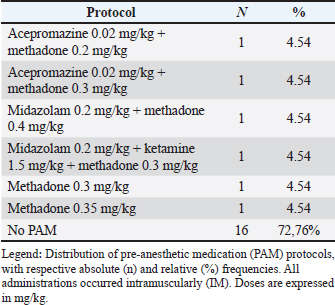
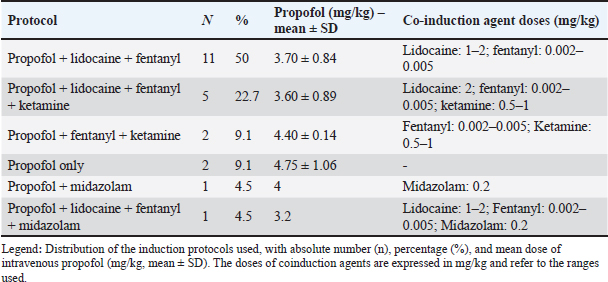
AbstractBackground: Laparoscopic adrenalectomy is a minimally invasive technique that is increasingly used in dogs with adrenal tumors. However, pneumoperitoneum and prolonged anesthesia may be associated with physiological alterations requiring careful anesthetic management. Aim: This study aimed to describe anesthetic management and evaluate associations between anesthetic and surgical variables, intraoperative complications, and short-term clinical outcomes in dogs undergoing laparoscopic adrenalectomy. Methods: The medical records of 22 dogs undergoing laparoscopic adrenalectomy were retrospectively reviewed. We collected data regarding anesthetic protocols, pneumoperitoneum characteristics, surgical and anesthetic duration, intraoperative complications, and hospital discharge. Associations between perioperative variables were evaluated using statistical analysis, and results were interpreted as exploratory due to the retrospective design. Results: The mean surgical and anesthetic times were 116 ± 44.7 and 154.5 ± 46.4 minutes, respectively. The most frequent intraoperative complications were hypothermia (59.1%) and hypercapnia (40.9%). Longer anesthetic duration was associated with a higher incidence of these complications. A higher frequency of hypercapnia and hypothermia was observed in dogs undergoing pneumoperitoneum at 8 mm Hg than at 6 mm Hg, although without statistical significance. The hospital discharge rate was 95.5%, and the median hospital stay was 26 hours. Conclusion: Laparoscopic adrenalectomy was associated with favorable short-term outcomes in this population when performed with appropriate anesthetic management and monitoring. Hypothermia and hypercapnia were the most frequent intraoperative complications observed and were associated with longer duration of anesthesia. During laparoscopic adrenalectomy, careful ventilator management and active thermal support should be considered. Keywords: Adrenalectomy, Anesthesia, Dogs, Pneumoperitoneum, Intraoperative complications. IntroductionLaparoscopic adrenalectomy in dogs represents a significant advance in small animal surgery, promoting reduced surgical trauma and bleeding, lower inflammatory and infection rates, and less postoperative pain, ultimately resulting in shorter hospitalization and faster recovery compared to the conventional approach (Naan et al., 2013; Milovancev and Townsend, 2015; Pitt et al., 2016; Collivignarelli et al., 2022; Mayhew et al., 2023). Nevertheless, anesthesia for this procedure presents relevant hemodynamic challenges, requiring strict control of cardiovascular, respiratory, endocrine, electrolyte, and acid–base variables (Wise and Boveri, 2016; Merlin and Veres-Nyéki, 2019). The establishment of pneumoperitoneum through the insufflation of the abdominal cavity with medicinal carbon dioxide (CO2) is the main factor responsible for the systemic changes observed during laparoscopy (Scott et al., 2020). An increase in intra-abdominal pressure between 6 and 10 mmHg (Parlier et al., 2024) compromises preload and afterload by reducing venous return due to caudal vena cava compression, in addition to increasing systemic vascular resistance due to the neurohumoral response caused by peritoneal distension. As a result, a predicted increase in heart rate (HR) is observed as a compensatory mechanism to preserve cardiac output and ischemic stroke volume (Shih et al., 2015; Scott et al., 2020). Increased CO2 absorption by the peritoneum associated with diaphragmatic compression, with reduced pulmonary compliance and functional residual oxygen capacity leads to increased partial pressure of arterial carbon dioxide (PaCO2) and end-tidal carbon dioxide (EtCO2) levels, contributing to the development of systemic acidosis and severe hypercapnia, resulting in peripheral vasodilation, increased oxygen consumption, and myocardial depression (Hanly et al., 2005; Duerr et al., 2008; Grabowski et al., 2009). Dogs that are candidates for laparoscopic adrenalectomy are typically senior or geriatric patients and often present with concurrent systemic comorbidities, including cardiovascular, respiratory, and renal disorders, in addition to endocrine alterations such as hyperadrenocorticism (HAC) or pheochromocytoma (PHEO). These conditions can negatively affect hemodynamic stability in the perioperative period due to hypertension, tachyarrhythmias, hypovolemia, loss of lean mass, increased susceptibility to infections, and sensitivity to catecholamines (Mayhew et al., 2023; van Bokhorst et al., 2023). In this context, the implementation of individualized multimodal anesthetic protocols, which minimize the response to surgical stress and attenuate hemodynamic oscillations, is essential to ensure the procedure’s safety and efficacy (Wise and Boveri, 2016). Nevertheless, retrospective studies evaluating the correlations between the anesthetic protocols used, the incidence of intraoperative complications (such as hypotension, hypertension, hypercapnia, hypoxemia, or hypothermia), the surgical time, and the clinical outcomes in dogs undergoing laparoscopic adrenalectomy are lacking. This study contributes to the current literature by focusing specifically on anesthetic management and intraoperative physiological complications associated with laparoscopic adrenalectomy, providing clinically relevant associations between anesthetic variables, pneumoperitoneum, and perioperative outcomes in a real-world clinical setting. This study aimed to describe the anesthetic protocols used and evaluate the possible associations between perioperative variables and intraoperative complications in dogs undergoing laparoscopic adrenalectomy at the University Veterinary Hospital of the University of Santa Maria (HVU-UFSM) between 2020 and 2025. Materials and MethodsThis retrospective observational study was conducted based on the analysis of data obtained from electronic medical records and anesthetic-surgical monitoring sheets of 22 dogs that underwent laparoscopic adrenalectomy between October 2020 and October 2025 at the HVU-UFSM. All surgeries were performed by the same surgeon who was proficient in the specific procedure. Cases with complete anesthetic and surgical records, including information on pharmacological protocols, hemodynamic parameters, intraoperative complications, complete surgical records, clinical outcome, and histopathological report, were included. We excluded cases involving bilateral adrenalectomy, open surgery, or incomplete records. Breed, age, sex, weight, reproductive status, American Society of Anesthesiologists (ASA) classification, and associated comorbidities, including HAC, presence of PHEO, and heart diseases, were confirmed or excluded by low dexamethasone suppression test and plasma adrenocorticotropic hormone (ACTH) concentration, plasma metanephrine concentration, and echocardiography, respectively. The preoperative laboratory evaluation included the evaluation of blood count, platelets, Prothrombin time (PT) and activated partial thromboplastin time (aPTT), fibrinogen, total proteins, albumin, liver enzymes (Alanine aminotransferase (ALT), Alkaline phosphatase (ALP), and Gamma-glutamyl transferase (GGT), urea, creatinine, electrolytes (Na+, K+, Ca2+, and P), cholesterol, triglycerides, glucose, and fructosamine, and these parameters were used to determine the clinical status and ASA classification. The recorded anesthetic variables included detailed information on pre-anesthetic medication (PAM) protocols, including drug combinations, dosages (mg/kg), routes of administration, timing of administration prior to induction, and the number of cases receiving each protocol. Data regarding induction and co-induction agents, including dosages and administration sequence. The maintenance technique was classified as inhalational anesthesia with isoflurane, total intravenous anesthesia (TIVA), or partial intravenous anesthesia (PIVA), and the number of cases within each category was recorded. Additionally, we documented the use of drugs administered as continuous rate infusions, including their respective dosages (mg/kg/h), and the use of neuromuscular blocking agents. The primary outcomes evaluated were intraoperative complications (hypotension, hypertension, hypothermia, hypercapnia, and hypoxemia) and length of hospital stay. During the procedure, anesthetic and physiological variables were analyzed, including systolic blood pressure (SBP) and mean blood pressure (MBP) by the invasive method, HR and heart rhythm by electrocardiogram, peripheral oxygen saturation (SpO2) by pulse oximetry, EtCO2 by capnography, and esophageal temperature (T°C). The use of IPPV, vasopressors, vasodilators, and blood transfusions was also recorded. Intraoperative complications included hypotension (SBP <85 mmHg or MBP <65 mmHg, lasting >5 min), hypertension (SBP >160 mmHg or MBP >140 mmHg, lasting >5 min), hypoxemia (SpO2 <95%), hypercapnia (EtCO2 >45 mmHg), hypothermia (TºC <36,0), and arrhythmias characterized by deviation from sinus rhythm and muscle tension. Surgical data included the pressure and rate of CO2 insufflation, the total volume of CO2 used, the total anesthetic time, and the effective surgical time, defined as the period from skin incision to the completion of the procedure. In the postoperative period, the analgesic protocols, length of hospital stay until discharge (in hours), and clinical outcome (discharge or death) were analyzed. Finally, the histopathological examinations of the removed adrenal glands were reviewed, and the samples were classified according to the tumor type identified: adrenocortical carcinoma, adrenocortical adenoma, or malignant PHEO. Statistical analysisData were organized in spreadsheets and analyzed using descriptive statistics, with mean, median, standard deviation, and minimum and maximum values for numerical variables calculated. Categorical variables are expressed as absolute frequency and percentage. The association between anesthetic and surgical variables and clinical outcomes was assessed using Spearman’s test (nonparametric correlation) and Pearson’s chi-square test. Data normality was assessed using the Shapiro–Wilk test. The significance level was set at 5%. All analyses were performed using GraphPad Prism® 9.0 software (GraphPad Software Inc., San Diego, CA, USA) and reviewed for methodological consistency according to the recommendations of the STROBE-Vet Statement for retrospective observational studies. Ethical approvalThis retrospective study was based exclusively on data obtained from routine clinical cases and did not involve any animal experimental intervention. According to the institutional guidelines of the Federal University of Santa Maria, studies based on a retrospective analysis of medical records do not require formal approval from the Ethics Committee on Animal Use. ResultsDemographic data and comorbiditiesThe sample consisted of 22 dogs: 16 females (72.7%) and 6 males (27.3%). The mean age was 10.1 ± 2.1 years (range: 6–14 years), and the mean weight was 9.1 ± 7.3 kg (range: 3.6–36.4 kg). Regarding breed distribution, there was a predominance of the Shih Tzus (n=11/22 breeds, 50%), followed by mixed breed (n=6/22, 27.3%). The other breeds (Doberman, Maltese, Dachshund, Pinscher, and Poodle) were represented by a single individual each 1/22 (4.5% per breed). Most of the dogs were neutered (19/22, 86.4%); 14/22 (63.6%) had structural or functional heart disease. Diagnosis of HAC was confirmed in 3 of 22 (13.6%) cases, ruled out in 11 of 22 (50%), and not evaluated in 8 of 22 (36.4%) cases. PHEO, in turn, was ruled out in only 3/22 (13.6%) and not evaluated in 19/22 (86.4%), and was not identified in any animal prior to the surgical procedure. The ASA III classification was predominant in 90.9% of patients, whereas 9.1% received the ASA II classification, and the mean preoperative SBP was 144.4 ± 14.0 mmHg (range: 120–170 mmHg). Anesthetic protocolsPAM was administered intramuscularly in 6 of 22 dogs (27.3%), while 16 of 22 dogs (72.7%) did not receive preanesthetic medication (Table 1). The protocols were varied and individualized according to each patient’s clinical status and temperament. The most commonly used drug was methadone (27.3%), alone or in combination at a dose of 0.31 ± 0.07 mg/kg. Acepromazine 0.2% and midazolam were used in 9.1% of the animals; The doses were 0.02 ± 0.00 mg/kg and 0.20 ± 0.00 mg/kg, respectively. Ketamine was administered at a dose of 1.5 mg/kg to 1/22 dogs (4.5%). All dogs (n=22) were induced with intravenous propofol at doses ranging from 2.0 to 5.5 mg/kg (mean 3.83 ± 0.83 mg/kg; median 4.0 mg/kg), administered slowly until the medial palpebral reflex was lost, ensuring safe orotracheal intubation and adequate transition to maintenance anesthesia. Induction was performed using propofol alone (2/22; 9.1%) or with coinducer agents (20/22; 90.9%) (Table 2). Table 1. Pre-anesthetic medication (PAM) protocols used in 22 dogs undergoing laparoscopic adrenalectomy.
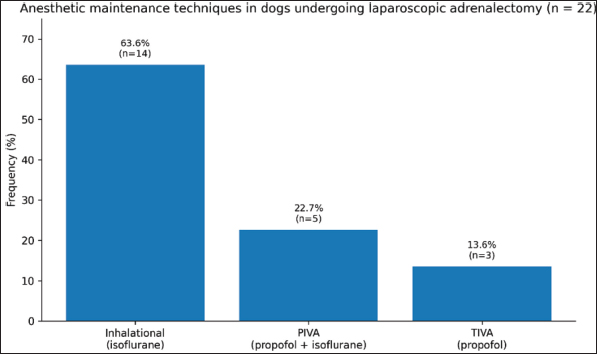
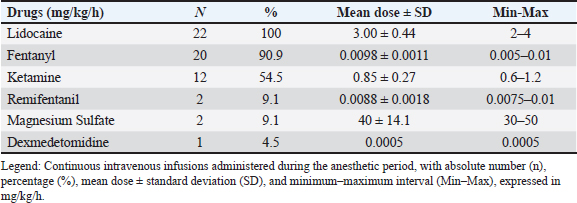
The most commonly used coinduction agents were fentanyl (19/22; 86.4%) and lidocaine (17/22; 77.3%) at doses of 0.002–0.005 and 1–2 mg/kg, respectively. Ketamine was administered at a dose of 0.5–1 mg/kg in 7/22 dogs (31.8%), while midazolam was administered at a dose of 0.2 mg/kg in 2/22 dogs (9.1%). These choices reflected a multimodal strategy to spare propofol and improve hemodynamic stability. Anesthesia maintenance was predominantly inhalational with isoflurane (14/22; 63.6%), followed by PIVA (5/22; 22.7%) and TIVA (3/22; 13.6%) (Fig. 1). Lidocaine was used as a continuous intravenous adjuvant in all patients (22/22; 100%), at 3.00 ± 0.44 mg/kg/h (range 2–4). Fentanyl was administered to 20/22 (90.9%) patients in the range of 0.005–0.01 mg/kg/h (mean 0.0098 ± 0.0011). Ketamine was present in 12/22 patients (54.5%), 0.85 ± 0.27 mg/kg/h (range, 0.6–1.2 mg/kg/h). Remifentanil (0.0075–0.01 mg/kg/h) was used occasionally (2/22; 9.1%), dexmedetomidine (0.0005 mg/kg/h) in 1/22 (4.5%), and magnesium sulfate (50 mg/kg/h) in 2/22 (9.1%) (Table 3). Table 2. Protocols for anesthetic induction protocols and mean propofol doses according to the combination of coinduction agents in 22 dogs undergoing laparoscopic adrenalectomy.
Fig. 1. Distribution of anesthetic maintenance techniques used in 22 dogs undergoing laparoscopic adrenalectomy. PIVA: partial intravenous anesthesia; TIVA: total intravenous anesthesia. Table 3. Continuous infusion of drugs during anesthesia in 22 dogs undergoing laparoscopic adrenalectomy.
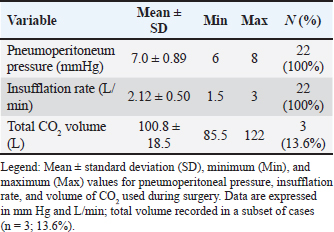
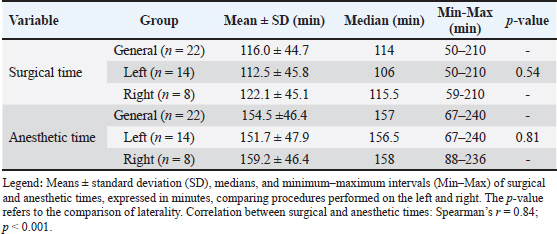
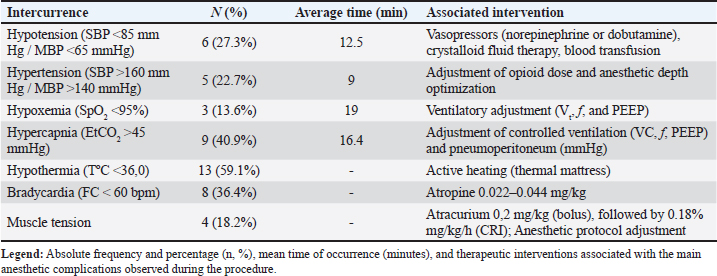
Surgical aspectsPneumoperitoneum was established in all 22 dogs evaluated, with pressures ranging from 6 (n=12) to 8 (n=10) mm Hg (mean of 7.0 ± 0.89 mm Hg). The CO2 insufflation rate was adjusted according to the size, leakage between the trocar, and individual abdominal compliance of each animal, ranging from 1.5 to 3 l/minute (mean 2.12 ± 0.50 L/min). Direct measurement of the total volume of CO2 insufflated was recorded in only 3 animals (13.6%), with values between 85.5 and 122 L (mean 100.8 ± 18.5 L) (Table 4). The mean surgical time for the 22 laparoscopic adrenalectomies was 116 ± 44.7 minutes (median, 114 minutes; range, 50–210 minutes), while the mean anesthetic time was 154.5 ± 46.4 minutes (median, 157 minutes; range, 67–240 minutes). There was no statistically significant difference in the mean surgical time between procedures with 6 (112 ± 42 minutes; median 109; range 50–210) and 8 mmHg (122 ±47 minutes; median 117; range 59–210; p=0.58). The average surgery time was slightly longer for right adrenalectomy (122.1 ± 45.1 minutes) than for left adrenalectomies (112.5 ± 45.8 minutes), but the difference was not statistically significant (p=0.54). The mean anesthetic time was 159.3 ± 41.7 minutes for right-sided procedures and 151.7 ± 49.9 minutes for left-sided procedures (p=0.81) (Table 5). Monitoring and intraoperative complicationsDuring the intraoperative period, different degrees and frequencies of anesthetic complications were observed (Table 6). Episodes of hypotension occurred in 6 of 22 dogs (27.3%), with a mean duration of 12.5 ± 8.5 minutes, ranging from 5 to 30 minutes. Among the animals with hypotension, four dogs (18.2%) received vasopressors as the primary intervention, and two (9.1%) underwent blood transfusion due to significant bleeding. Hypotension was transient and resolved in two cases (9.1%) without the need for pharmacological intervention. Five dogs (22,7%) developed IHT, with a mean duration of 9.0 ± 2.2 minutes (ranging from 5 to 10 minutes). In all cases, the intervention adopted was the adjustment of the analgesic plan, mainly an increase in the rate of opioid infusion and adjustment of the anesthetic protocol. Table 4. Characterization of pneumoperitoneum and carbon dioxide (CO2) insufflation parameters in dogs undergoing laparoscopic adrenalectomy (n=22)
Respiratory disorders included hypoxemia in 3 of 22 dogs (13.6%), with a mean duration of 19.0 ± 14.1 minutes (range: 10–37 minutes), and hypercapnia in 9 of 22 dogs (40.9%), with a mean duration of 17.8 ± 9.4 minutes (range: 5–35 minutes). All episodes occurred during the pneumoperitoneum period. Hypothermia was observed in 13/22 dogs (59.1%) and bradycardia in 8/22 dogs (36.4%), with six cases presenting both conditions concurrently. Intraoperative muscle tension was reported in four dogs (18.2%), usually during abdominal manipulation or adrenal gland dissection, resulting in the need for anesthetic plane adjustment or NMB administration. NMB was used in 7/22 dogs (31.8%), 3/7 of which were cases (42.9%) to facilitate mechanical ventilation and in 4/7 cases (57.1%) as rescue to control persistent muscle tension. Atracurium was administered as a bolus (0.2 mg/kg, IV) and, when necessary, as a continuous infusion (0.18 mg/kg/h), which was reversed by the concomitant administration of neostigmine 0.04 mg/kg and atropine 0.044 mg/kg at the end of the procedure. Table 5. Duration of surgical and anesthetic times in 22 dogs undergoing laparoscopic adrenalectomy according to adrenal gland laterality
Table 6. Intraoperative anesthetic complications in 22 dogs undergoing laparoscopic adrenalectomy
Postoperative period, clinical outcome, and histopathology findingsIn the immediate postoperative period, all dogs received 25 mg/kg dipyrone (22/22; 100%). Methadone was administered in 16/22 (72.7%), with 0.21 ± 0.03 mg/kg (range: 0.15–0.3 mg/kg). Maropitant 1 mg/kg was used in 12/22 (54.5%) patients. Among the corticosteroids, dexamethasone (0.5 mg/kg) was used in 10/22 (45.4%) patients and hydrocortisone (0.5 mg/kg in 6/22 (27.3%) patients. In 6 of 22 (27.3%) patients, anti-inflammatory drugs were not used in the postoperative period. No patient presented with moderate or severe complications during recovery. Emergency agitation, regurgitation, or respiratory complications were not recorded during the recovery period. Of the 22 dogs that underwent laparoscopic adrenalectomy, 21 (95.5%) were discharged from the hospital after clinical stabilization and adequate pain control, with a length of hospital stay ranging from 8 to 50 hours (median: 26 hours). One dog (4.5%) died 6 days after the procedure due to renal complications associated with pre-existing chronic kidney disease. No immediate severe anesthetic complications or the need for hospital readmission was observed in the discharged patients. The animals showed satisfactory anesthetic recovery without reintubation, aspiration, or prolonged hypothermia events, and all returned to voluntary feeding within 12–24 hours after the procedure. Histopathological evaluation of the resected adrenal glands was performed in 21 of the 22 cases (95.5%). Adrenocortical carcinoma was the most frequent diagnosis, identified in 11/21 dogs (52.4%), followed by adenoma in 8/21 (38.1%) and malignant PHEO in 2/21 (9.5%). In one dog (4.5%), no histopathological record was found. Among the cortical tumors, unilateral, noninvasive lesions predominated, with no evidence of macroscopic metastases at the time of surgery. Cases of malignant PHEO presented more unstable hemodynamic behavior during the intraoperative period (2/2; 100%), with both cases developing adrenergic discharge, consistent with this neoplasm’s catecholaminergic profile. Complications occurred in 8/11 (72.7%) and 5/8 (62.5%) carcinomas and adenomas, respectively, without severe clinical repercussions Correlation between anesthetic and surgical variables and clinical outcomesStatistical analyses were performed after verifying normality using the Shapiro–Wilk test, Spearman’s test for nonparametric correlations, and Pearson’s chi-square test for associations between categorical variables, considering p < 0.05 as the significance level. A moderate positive correlation was observed between surgical time and anesthetic time (r=0.86; p < 0.001), which was expected because of the direct relationship between the phases of the procedure. Longer operations required proportionally longer anesthetic time, especially in right adrenalectomy, although no statistical difference was observed between the sides (p=0.54). There was a positive correlation between anesthesia duration and the occurrence of complications (r=0.47; p=0.021), with a higher frequency of hypothermia (r=0.55; p=0.009) and hypercapnia (r=0.43; p=0.033) in patients who underwent long-term anesthesia. The other complications (hypotension, hypertension, hypoxemia, and bradycardia) showed no significant relationship with time (p > 0.05). Surgical time was also not significantly correlated with episodes of hypotension, hypertension, hypoxemia, or muscle tension (p > 0.05), although a trend toward greater hypercapnia was observed in long procedures, especially under spontaneous ventilation. Hypothermia was positively associated with increased anesthesia and operating times, being more frequent in lengthy procedures and often accompanied by bradycardia, with no independent relationship to the time after temperature control. Longer operations were associated with a higher frequency of hypothermia (and reflex bradycardia) and hypercapnia, with no significant impact on the other hemodynamic variables. The analysis of pneumoperitoneum showed a tendency for a higher incidence of hypercapnia and hypothermia when an insufflation pressure of 8 mm Hg was used compared with 6 mm Hg. Hypercapnia was observed in 60% of dogs under 8 mm Hg compared to 25% under 6 mm Hg (p=0.067), while hypothermia occurred in 80% and 41% of cases, respectively (p=0.06). Maintenance technique (inhalational anesthesia, PIVA, or TIVA) was not significantly associated with complication frequency (p=0.74) or length of hospital stay (p=0.69). Because of the limited number of animals receiving each maintenance technique, subgroup comparisons should be interpreted cautiously. Different coinduction agents were used according to the planning of the individual anesthetic. However, due to the limited number of animals within each subgroup, we did not perform comparisons regarding the effect of specific coinduction drugs on cardiovascular stability were not performed. Neuromuscular blockers (atracurium) were used in 7 of 22 dogs (31,8%) to facilitate mechanical ventilation or control persistent muscle tension. The length of hospital stay was not significantly associated with surgical time (r=0.29; p=0.14) or anesthetic time (r=0.33; p=0.11). No statistically significant associations were observed between the length of hospital stay and the anesthetic protocol, use of pre-anesthetic medication, or pneumoperitoneum pressure (p > 0.05). On histopathological evaluation, two dogs were diagnosed with PHEO. Due to the small number of cases, we did not perform comparisons between tumor types regarding intraoperative complications and clinical outcomes. The histopathological type did not significantly influence the frequency of anesthetic intercurrences (p=0.41), surgical (p=0.73), or anesthetic (p=0.68) times. There were also no differences between the groups in terms of length of hospital stay (p=0.74), with an overall median of 26 hours. DiscussionThis retrospective study described the main anesthetic findings and perioperative complications in 22 dogs undergoing laparoscopic adrenalectomy, highlighting factors associated with hypothermia and hypercapnia. The sample was composed predominantly of small females (72.7%), with a mean age of 10.1 years, reflecting the higher prevalence of adrenal neoplasms in geriatric and miniature breed dogs. The high frequency of structural heart disease (63.6%) and the predominance of ASA III patients highlight the risk profile commonly faced in laparoscopic adrenal surgeries (Naan et al., 2013; van Bokhorst et al., 2023). A positive correlation was identified between anesthesia time and the occurrence of complications, particularly hypothermia and hypercapnia. The association between prolonged anesthesia and heat loss due to body exposure, cold gas infusion, and the vasodilator effects of volatile anesthetics and opioids is widely recognized (Redondo et al., 2012; Collivignarelli et al., 2022). The bradycardia observed in hypothermic dogs is due to a reflex vagal response and did not show an independent correlation with anesthesia time, a finding similar to that described by Naan et al. (2013), who reported reversible bradycardia in 33% of dogs who underwent laparoscopic adrenalectomy. Hypercapnia was associated with anesthetic duration, particularly during periods of spontaneous ventilation. The progressive increase in CO2 absorption by the peritoneum and the reduction in pulmonary compliance induced by the pneumoperitoneum may explain this physiological pattern (Hanly et al., 2005; Duerr et al., 2008; Mayhew et al., 2013). Ventilatory management was adjusted intraoperatively based on capnographic monitoring, with the aim of maintaining EtCO2 within clinically acceptable limits through changes in respiratory rate, tidal volume, and airway pressure. However, the lack of standardized ventilatory protocols represents a limitation of this study. This trend indicates the need for early ventilatory adjustments, even without robust statistical significance between groups, especially when the insufflation pressure is maintained at 8 mm Hg. Similar results were reported by Grabowski et al. (2009) and Scott et al. (2020), who observed mild to moderate hypercapnia in up to 45% of dogs under prolonged laparoscopy. No statistically significant association was observed between pneumoperitoneum pressure (6 vs. 8 mm Hg) and anesthetic or surgical times in this population. Nevertheless, the observed increase in hypercapnia under higher insufflation pressures may be associated with increased CO2 absorption and reduced pulmonary compliance. In contrast, hypothermia is more likely to be related to factors such as anesthetic duration, heat redistribution, and exposure to insufflated gas rather than the direct effects of CO2 absorption. Elevated intra-abdominal pressure reduces venous return and thoracic compliance, leading to hypoventilation and respiratory acidosis without adequate ventilation adjustment (Mayhew et al., 2013; Shih et al., 2015; Mayhew et al., 2023). It is recommended to prioritize lower pressures whenever possible, balancing workspace adequacy and physiological stability. The combination of cold gas convection and central heat redistribution is responsible for hypothermia under pneumoperitoneum (Redondo et al., 2012; Ferreira et al., 2025). The higher frequency of hypothermia in long procedures and under higher CO2 pressure reinforces the role of duration and exposure in thermal loss. Simple strategies, such as heated inflation and the use of thermal blankets, can substantially reduce the incidence of intraoperative hypothermia (Collivignarelli et al., 2022). Recent reports have also highlighted the importance of individualized anesthetic strategies and multimodal approaches during canine adrenalectomy, particularly in patients with adrenal tumors associated with potential hemodynamic instability (Gavet and Junot, 2024). The predominant use of isoflurane as a maintenance agent reflects its wide acceptance in laparoscopic procedures due to predictability and fast titration. The routine use of continuous infusions of lidocaine, fentanyl, and, in some cases, ketamine is in accordance with multimodal protocols described to minimize hemodynamic fluctuations and reduce the consumption of inhalational anesthetics (Wilson et al., 2008; Gutierrez-Blanco et al., 2015; Marques et al., 2023). The decision not to administer PAM in approximately two-thirds of the cases was mainly due to the patients’ behavioral profile. In dogs with a sociable temperament that allowed manipulation with minimal physical restraint, it was possible to perform venous access without additional stress, making PAM administration unnecessary. When necessary, the predominant use of methadone is in line with the results observed by Merlin and Veres-Nyéki (2019), which highlight the potential of methadone to provide light sedation without compromising cardiovascular stability in dogs undergoing high-risk adrenal surgery. The absence of a significant influence of PAM or maintenance technique (inhalational anesthesia, PIVA, TIVA) on the frequency of complications suggests that physiological factors, such as anesthetic duration and pneumoperitoneum conditions, may have played a more relevant role than the anesthetic protocol itself. Although anesthetic protocols were variable, most procedures were conducted by the same anesthetist, which may have contributed to a certain degree of consistency in clinical management and decision-making. Although different anesthetic maintenance techniques were used, the limited number of animals in each subgroup prevented definitive conclusions regarding the superiority of one technique over another. Neuromuscular blockade (atracurium) was used in approximately one-third of the cases, mainly for muscle tension control and to facilitate mechanical ventilation. Because of the retrospective design, it was not possible to determine whether its use directly influenced ventilatory outcomes. Histopathologic findings revealed a predominance of adrenocortical carcinoma (52.4%), followed by adenomas (38.1%) and PHEOs (9.5%). This distribution is similar to that described in a recent retrospective series (Mayhew et al., 2023; van Bokhorst et al., 2023). The cases of PHEO presented with transient pressure peaks, consistent with the catecholaminergic behavior described by Naan et al. (2013) and Pitt et al. (2016), but without a significant increase in serious complications. Different adrenal tumor types, particularly PHEOs, may present distinct hemodynamic behaviors compared with cortical tumors, which could influence intraoperative stability and anesthetic management. One dog died during the postoperative period due to complications associated with pre-existing chronic kidney disease. Because of the occurrence of only one death, no conclusions regarding mortality-associated factors could be established. The hospital discharge rate was 95.5%, with a median hospitalization time of 26 hours. Although long-term survival was not evaluated, these findings suggest favorable short-term clinical outcomes with appropriate perioperative management in dogs undergoing laparoscopic adrenalectomy. Previous studies have also reported favorable outcomes after minimally invasive adrenalectomy, highlighting the potential benefits of laparoscopic techniques in terms of postoperative recovery and reduced hospitalization time compared with open approaches (Naan et al., 2013; Taylor and Monnet, 2021; Collivignarelli et al., 2022; van Bokhorst et al., 2023). However, direct comparisons regarding survival outcomes should be interpreted cautiously due to differences in study design, follow-up period, and patient populations. In this study, laparoscopic adrenalectomy combined with careful monitoring, ventilatory adjustments, and individualized anesthetic management was associated with favorable short-term clinical outcomes. Clinical implicationsThe results reinforce the importance of continuous ventilatory and thermal monitoring during laparoscopic adrenalectomy (LAA). Hypercapnia and hypothermia, although often self-limiting, can impact cardiovascular stability and anesthetic recovery if not readily recognized. Preventive strategies are recommended, such as
Limitations and future perspectivesThe main limitations of this study include the small number of cases and its retrospective design, which limit statistical power and the ability to establish causal relationships. Because of the limited sample size and the exploratory nature of this retrospective study, correlation analyses should be interpreted cautiously and hypothesis-generating rather than confirmatory. Additionally, the heterogeneity of anesthetic protocols may have introduced potential confounding factors, as anesthetic management was individualized according to each patient’s clinical condition, comorbidities, and perioperative requirements. However, 17 of the 22 anesthetic procedures were conducted by the same anesthetist, and all surgeries were performed by the same surgeon, which may have reduced part of the variability related to clinical decision-making. The absence of cardiac output measurements and arterial blood gas analysis limits a more accurate assessment of cardiorespiratory function and acid-base status during pneumoperitoneum, particularly in the evaluation of ventilation-perfusion mismatch and CO2 elimination. Prospective multicenter studies with standardized anesthetic and ventilatory protocols are warranted to more precisely define the effects of insufflation pressure and anesthetic duration on respiratory and hemodynamic parameters. ConclusionLaparoscopic adrenalectomy was associated with favorable short-term outcomes when performed with appropriate anesthetic management and monitoring. Hypothermia and hypercapnia were the most frequent intraoperative complications observed and were associated with longer duration of anesthesia. These findings emphasize the importance of careful ventilator management and active thermal support during adrenalectomy. However, these associations should be interpreted as exploratory findings due to the retrospective design and limited sample size. AcknowledgmentsThe authors would like to thank the Graduate Program in Veterinary Medicine-UFSM, the SOMIV Solutions in Minimally Invasive Veterinary Surgery team, and the Veterinary Anesthesiology Service for their technical support during the study. This study was supported by CAPES. Conflict of interestThe authors declare that they have no commercial or financial conflict of interest related to this study. FundingThis research was supported by the Coordination for the Improvement of Higher Education Personnel (CAPES)–Finance Code 001. Authors’ contributionsOHMS - performed the anesthetic management of the patients, organized the data and structured the manuscript, performed the statistical analysis, and interpreted the results. FMP, AOP, PC, BVGS, VC - participated as surgical assistants. PF, LTM, JCG, GSO - conducted the anesthetic monitoring during surgery. RS, LHAE, ICS - collected the clinical and surgical data. JCPL - reviewed and edited the manuscript. KW - was responsible for the clinical evaluation and referral of patients to the video-assisted surgery service. MVB - performed the laparoscopic procedures and critically revised the manuscript. The final manuscript was approved by all authors. Data availabilityThe datasets generated and analyzed during the current study are available upon reasonable request from the corresponding author. ReferencesCollivignarelli, F., Bianchi, A., Paolini, A., Vignoli, M., Crisi, P.E., Falerno, I., De Bonis, A., Rosto, M. and Tamburro, R. 2022. Two-port laparoscopic adrenalectomy in dogs. Animals 12(21), 2917. Duerr, F.M., Twedt, D.C. and Monnet, E. 2008. Changes in pH of peritoneal fluid associated with carbon dioxide insufflation during laparoscopic surgery in dogs. Am. J. Vet. Res. 69(2), 298–301. Ferreira, R.F., Damasceno-Ferreira, J.A., Silva, P.C.A., Abílio, E.J. and Souza, D.B. 2025. Effect of heated pneumoperitoneum on body temperature in dogs undergoing laparoscopic ovariectomy – a randomized controlled trial. Vet. Surg. 54(5), 945–951. Grabowski, J.E. and Talamini, M.A. 2009. Physiological effects of pneumoperitoneum. J. Gastrointest. Surg. 13(5), 1009–1016. Gavet, M. and Junot, S. 2024. Anesthetic management of a dog undergoing unilateral adrenalectomy for phaeochromocytoma excision using a partial intravenous anesthetic protocol. Open Vet. J. 14(6), 1483–1490. Gutierrez-Blanco, E., Victoria-Mora, J.M., Ibancovichi-Cmarillo, J.A., Sauri-Arceo, C.H., Bolio-González, M.E., Acevedo-Arcique, C.M., Marin-Cano, G. and Steagall, P.V. 2015. Postoperative analgesic effects of either a constant rate infusion of fentanyl, lidocaine, ketamine, dexmedetomidine, or the combination lidocaine-ketamine-dexmedetomidine after ovariohysterectomy in dogs. Vet. Anaesth. Analg. 42(3), 309–318. Hanly, E.J., Aurora, A.R., Fuentes, J.M., Shih, S.P., Marohn, M.R., De Maio, A. and Talamini, M.A. 2005. Abdominal insufflation with CO2 causes peritoneal acidosis independent of systemic pH. J. Gastrointest. Surg. 9(9), 1245–1251. Hayes, G. 2022. Update on adrenalectomy. Vet. Clin. North. Am Small Anim. Pract. 52(2), 473–487. Marques, E.J., Monteiro, E.R., Herrera-Becerra, J.R., Tomazeli, D., Rovaris, I.B., Oliveira, T.F., Valle, S.F. and Alievi, M.M. 2023. Influence of constant rate infusions of fentanyl alone or in combination with lidocaine and ketamine on the response to surgery and postoperative pain in isoflurane anesthetized dogs undergoing unilateral mastectomy: a randomized clinical trial. Top. Companion Anim. Med. 52, 100759. Mayhew, P.D., Massari, F., Araya, F.L., van Nimwegen, S.A., Goethem, B.V., Singh, A., Balsa, I.M., Steffey, M.A., Culp, W.T.N., Case, J.B., Gibson, E., Giuffrida, M.A. and Hagen, B. 2023. Laparoscopic adrenalectomy for resection of unilateral noninvasive adrenal masses in dogs is associated with excellent outcomes in experienced centers. J. Am. Vet. Med. Assoc. 261(12), 1–8. Mayhew, P.D., Pascoe, P.J., Kass, P.H. and Shilo-Benjamini, Y. 2013. Effects of pneumoperitoneum induced at various pressures on cardiorespiratory function and working space during laparoscopy in cats. Am. J. Vet. Res. 74(10), 1340–1346. Merlin, T. and Veres-Nyéki, K. 2019. Anaesthetic management and complications of canine adrenalectomies: 41 cases (2007-2017). Acta Vet. Hung. 67(2), 281–295. Milovancev, M. and Townsend, K.L. 2015. Current concepts in minimally invasive surgery of the abdomen. Vet. Clin. North. Am Small Anim. Pract. 45(3), 507–522. Naan, E., Kirpensteijn, J., Dupré, G.P., Galac, S. and Radlinsky, M. G. 2013. Innovative approach to laparoscopic adrenalectomy for treatment of unilateral adrenal gland tumors in dogs. Vet. Surg. 42(6), 710–715. Parlier, M., Thomson, C.B., Rendahl, A., Strelchik, A., Baldo, C., Eckman, S.K., Krueger, A. and Gordon-Evans, W.J. 2024. Prospective, randomized, clinical trial on the effects of laparoscopic insufflation pressures on portal pressures in dogs. Vet. Surg. 53(4), 613–619. Pitt, K.A., Mayhew, P.D. Steffey, M.A., Culp, W.T.N., Fuller, M.C., Della Maggiore, A., and Nelson, R. 2016. Laparoscopic adrenalectomy for removal of unilateral noninvasive pheochromocytomas in 10 dogs. Vet. Surg. 45(S1), O70–O76. Redondo, J.I., Suesta, P., Serra, I., Soler, C., Gil, L. and Gómez-Villamandos, R.J. 2012. Retrospective study of the prevalence of postanaesthetic hypothermia in dogs. Vet. Rec. 171(15), 374. Scott, J., Singh, A. and Valverde, A., 2020. Pneumoperitoneum in veterinary laparoscopy: a review. Vet. Sci. 7(2), 64. Shih, A.C., Case, J.B., Coisman, J.G., Isaza, N.M., Amora-Junior, D. and Maisenbacher, H.W. 2015. Cardiopulmonary effects of laparoscopic ovariectomy of variable duration in cats. Vet. Surg. 44(1), 2–6. Taylor, C.J. and Monnet, E. 2021. A comparison of outcomes between laparoscopic and open adrenalectomies in dogs. Vet. Surg. 50(1), O99–O107. Van Bokhorst, K.L., Galac, S., Kooistra, H.S., Grauw, J.C., Teske, E., Grinwis, G.C.M. and Nimwegen, S.A. 2023. Laparoscopic vs. open adrenalectomy: perioperative data and survival analysis in 70 dogs with an adrenal tumor. Front. Vet. Sci. 10,1156801. Wilson, J., Doherty, T.J., Egger, C.M., Fidler, A., Cox, S. and Rohrbach, B. Effects of intravenous lidocaine, ketamine, and the combination on the minimum alveolar concentration of sevoflurane in dogs. Vet Anaesth. Analg. 35(4), 289–296. Wise, I.K. and Boveri, S. 2016. Anaesthetic management of a unilateral adrenalectomy of na adrenocortical tumour in a dog. Open Vet. J. 6(1), 62–67. | ||
| How to Cite this Article |
| Pubmed Style Schiefler OHDM, Pozzobon FM, Paraguassú AO, Caye P, Socolhoski BVG, Cadiñanos V, Freisleben P, Mangini LT, Gasparotto JC, Ohashi GS, Spagnol R, Ehara LHA, Leal JCP, Salles IDC, Weege K, Brun MV. Association of anesthetic parameters and pneumoperitoneum with intraoperative complications and short-term outcomes in dogs undergoing laparoscopic adrenalectomy: A retrospective study. Open Vet. J.. 2026; 16(8): 5740-5749. doi:10.5455/OVJ.2026.v16.i8.62 Web Style Schiefler OHDM, Pozzobon FM, Paraguassú AO, Caye P, Socolhoski BVG, Cadiñanos V, Freisleben P, Mangini LT, Gasparotto JC, Ohashi GS, Spagnol R, Ehara LHA, Leal JCP, Salles IDC, Weege K, Brun MV. Association of anesthetic parameters and pneumoperitoneum with intraoperative complications and short-term outcomes in dogs undergoing laparoscopic adrenalectomy: A retrospective study. https://www.openveterinaryjournal.com/?mno=312940 [Access: September 04, 2026]. doi:10.5455/OVJ.2026.v16.i8.62 AMA (American Medical Association) Style Schiefler OHDM, Pozzobon FM, Paraguassú AO, Caye P, Socolhoski BVG, Cadiñanos V, Freisleben P, Mangini LT, Gasparotto JC, Ohashi GS, Spagnol R, Ehara LHA, Leal JCP, Salles IDC, Weege K, Brun MV. Association of anesthetic parameters and pneumoperitoneum with intraoperative complications and short-term outcomes in dogs undergoing laparoscopic adrenalectomy: A retrospective study. Open Vet. J.. 2026; 16(8): 5740-5749. doi:10.5455/OVJ.2026.v16.i8.62 Vancouver/ICMJE Style Schiefler OHDM, Pozzobon FM, Paraguassú AO, Caye P, Socolhoski BVG, Cadiñanos V, Freisleben P, Mangini LT, Gasparotto JC, Ohashi GS, Spagnol R, Ehara LHA, Leal JCP, Salles IDC, Weege K, Brun MV. Association of anesthetic parameters and pneumoperitoneum with intraoperative complications and short-term outcomes in dogs undergoing laparoscopic adrenalectomy: A retrospective study. Open Vet. J.. (2026), [cited September 04, 2026]; 16(8): 5740-5749. doi:10.5455/OVJ.2026.v16.i8.62 Harvard Style Schiefler, O. H. D. M., Pozzobon, . F. M., Paraguassú, . A. O., Caye, . P., Socolhoski, . B. V. G., Cadiñanos, . V., Freisleben, . P., Mangini, . L. T., Gasparotto, . J. C., Ohashi, . G. S., Spagnol, . R., Ehara, . L. H. A., Leal, . J. C. P., Salles, . I. D. C., Weege, . K. & Brun, . M. V. (2026) Association of anesthetic parameters and pneumoperitoneum with intraoperative complications and short-term outcomes in dogs undergoing laparoscopic adrenalectomy: A retrospective study. Open Vet. J., 16 (8), 5740-5749. doi:10.5455/OVJ.2026.v16.i8.62 Turabian Style Schiefler, Otávio Henrique De Melo, Franciéli Mallmann Pozzobon, Amanda Oliveira Paraguassú, Pâmela Caye, Brenda Viviane Gotz Socolhoski, Vinicius Cadiñanos, Pollyana Freisleben, Luiza Tonietto Mangini, Jean Carlos Gasparotto, Gabriel Satoru Ohashi, Rayssa Spagnol, Lua Hikari Aso Ehara, Jaine Correa Pimentel Leal, Isadora Do Canto Salles, Karina Weege, and Maurício Veloso Brun. 2026. Association of anesthetic parameters and pneumoperitoneum with intraoperative complications and short-term outcomes in dogs undergoing laparoscopic adrenalectomy: A retrospective study. Open Veterinary Journal, 16 (8), 5740-5749. doi:10.5455/OVJ.2026.v16.i8.62 Chicago Style Schiefler, Otávio Henrique De Melo, Franciéli Mallmann Pozzobon, Amanda Oliveira Paraguassú, Pâmela Caye, Brenda Viviane Gotz Socolhoski, Vinicius Cadiñanos, Pollyana Freisleben, Luiza Tonietto Mangini, Jean Carlos Gasparotto, Gabriel Satoru Ohashi, Rayssa Spagnol, Lua Hikari Aso Ehara, Jaine Correa Pimentel Leal, Isadora Do Canto Salles, Karina Weege, and Maurício Veloso Brun. "Association of anesthetic parameters and pneumoperitoneum with intraoperative complications and short-term outcomes in dogs undergoing laparoscopic adrenalectomy: A retrospective study." Open Veterinary Journal 16 (2026), 5740-5749. doi:10.5455/OVJ.2026.v16.i8.62 MLA (The Modern Language Association) Style Schiefler, Otávio Henrique De Melo, Franciéli Mallmann Pozzobon, Amanda Oliveira Paraguassú, Pâmela Caye, Brenda Viviane Gotz Socolhoski, Vinicius Cadiñanos, Pollyana Freisleben, Luiza Tonietto Mangini, Jean Carlos Gasparotto, Gabriel Satoru Ohashi, Rayssa Spagnol, Lua Hikari Aso Ehara, Jaine Correa Pimentel Leal, Isadora Do Canto Salles, Karina Weege, and Maurício Veloso Brun. "Association of anesthetic parameters and pneumoperitoneum with intraoperative complications and short-term outcomes in dogs undergoing laparoscopic adrenalectomy: A retrospective study." Open Veterinary Journal 16.8 (2026), 5740-5749. Print. doi:10.5455/OVJ.2026.v16.i8.62 APA (American Psychological Association) Style Schiefler, O. H. D. M., Pozzobon, . F. M., Paraguassú, . A. O., Caye, . P., Socolhoski, . B. V. G., Cadiñanos, . V., Freisleben, . P., Mangini, . L. T., Gasparotto, . J. C., Ohashi, . G. S., Spagnol, . R., Ehara, . L. H. A., Leal, . J. C. P., Salles, . I. D. C., Weege, . K. & Brun, . M. V. (2026) Association of anesthetic parameters and pneumoperitoneum with intraoperative complications and short-term outcomes in dogs undergoing laparoscopic adrenalectomy: A retrospective study. Open Veterinary Journal, 16 (8), 5740-5749. doi:10.5455/OVJ.2026.v16.i8.62 |


