




| Short Communication | ||
Open Vet. J.. 2026; 16(8): 5492-5500
Open Veterinary Journal, (2026), Vol. 16(8): 5492–5500 Short communication Metagenomic identification of Newcastle disease virus sequences in a pediatric case of acute undifferentiated febrile illness at the Colombian–Venezuelan borderMarlen Yelitza Carrillo-Hernández1, Lucy Jaimes2, Karl Ciuoderis3, Laura S. Perez-Restrepo3, Isabel Moreno Lopez3, Juan P. Hernández-Ortiz3, Jorge Osorio4, Jose Usme-Ciro5, Marlen Martínez-Gutierrez1 and Julián Ruiz-Saenz1*1Grupo de Investigación en Ciencias Animales-GRICA, Facultad de Medicina Veterinaria y Zootecnia, Universidad Cooperativa de Colombia, Bucaramanga, Colombia 2ESE Hospital Jorge Cristo Sahium. Villa del Rosario, Norte de Santander, Colombia 3GHI One Health Colombia and One Health Genomic Laboratory, Facultad de Minas y Facultad de Ciencias de la Vida, Universidad Nacional de Colombia, Medellín, Colombia 4Department of Pathobiological Sciences, University of Wisconsin-Madison, Madison, WI, USA 5CIST-Centro de Investigación en Salud para el Trópico, Facultad de Medicina, Universidad Cooperativa de Colombia, Santa Marta, Colombia *Corresponding Author: Julian Ruiz-Saenz. Grupo de Investigación en Ciencias Animales-GRICA, Universidad Cooperativa de Colombia, Colombia. Email: julian.ruizs [at] campusucc.edu.co Submitted: 26/02/2026 Revised: 02/07/2026 Accepted: 16/07/2026 Published: 08/08/2026 © 2025 Open Veterinary Journal
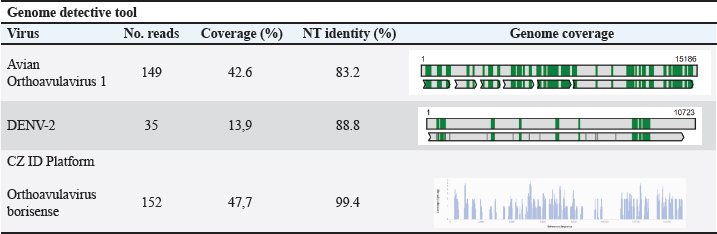
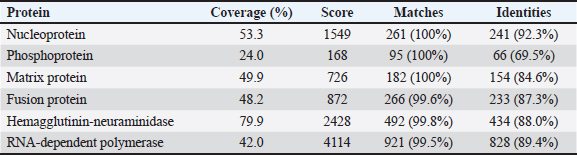
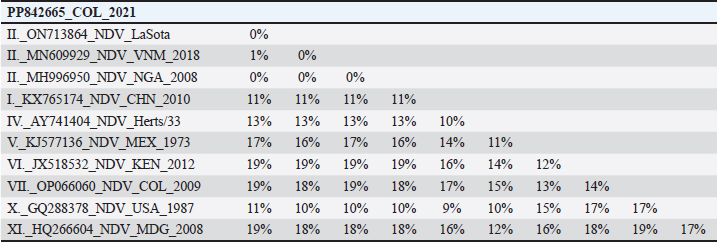
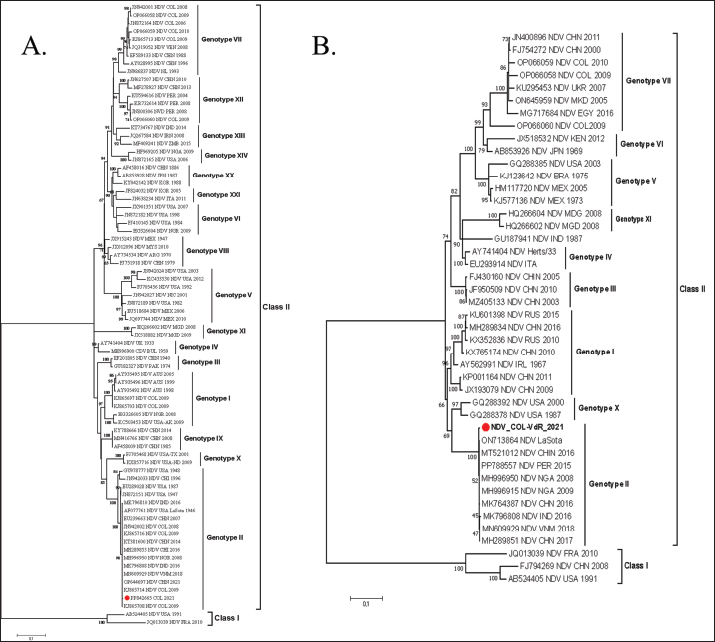
AbstractBackground: Newcastle disease virus (NDV) is a major avian pathogen with recognized zoonotic potential. Human infections are rare and typically mild and occur mainly in individuals with direct poultry exposure. The implementation of metagenomic sequencing in febrile illness surveillance has increased the detection of unexpected zoonotic agents. Aim: To describe the molecular detection and phylogenetic characterization of NDV in a cohort of pediatric patients with undifferentiated acute febrile illness (UAFI) in Colombia. Methods: During a 2021 cross-sectional surveillance study at the Colombian–Venezuelan border, serum samples from patients clinically suspected of having dengue were screened by qPCR for dengue, chikungunya, and Zika viruses. Arbovirus-negative samples were pooled and analysed by metagenomic next-generation sequencing using an Illumina MiSeq platform. Viral genome identification was performed with the Genome Detective and CZ ID pipelines. Phylogenetic analyses of the fusion (F) and hemagglutinin-neuraminidase (HN) genes were conducted using maximum likelihood methods. Results: NDV sequences were identified in one serum pool sample. Phylogenetic analysis revealed that the virus was within genotype II, clustering closely with the lentogenic LaSota strain. Epidemiological analysis revealed probable exposure to backyard poultry environment among an 8-year-old child residing in a rural area. The clinical presentation was mild and self-limiting. Local veterinary surveillance records confirmed low-virulence NDV outbreaks in the same geographic region. Conclusion: In this report, we showed the detection of NDV sequences in a febrile paediatric patient in the Colombian–Venezuelan border. These findings underscore the importance of integrating metagenomic diagnostics and One Health surveillance strategies for the early detection of potential emerging zoonotic viruses. Keywords: Newcastle virus, NGS, Undifferentiated acute febrile illness, Virus, Zoonosis. IntroductionUndifferentiated acute febrile illness (UAFI) is a major reason for medical consultations in tropical and subtropical regions (Carrillo-Hernández et al., 2021). Owing to the lack of specific identification techniques, many cases of UAFI cannot be accurately diagnosed (Moreira et al., 2018). By this, the implementation of next-generation sequencing (NGS) has facilitated the identification of new viral agents, thereby enabling their association with UAFI patients (Wylie et al., 2012). Avian Orthoavulavirus-1, formerly named Avian Paramyxovirus 1, belongs to the genus Orthoavulavirus of the family Paramyxoviridae, subfamily Avulavirinae (Kuhn et al., 2025), and is commonly known as Newcastle disease virus (NDV); this disease is the causative agent of Newcastle disease, a highly contagious zoonotic infection that affects avian species worldwide (Ul-Rahman et al., 2022). NDV can cause mild flu-like symptoms or conjunctivitis in humans, and fatal cases are exceptionally rare and have been reported exclusively in severely immunocompromised individuals (Ganar et al., 2014; Rima et al., 2019). Although vaccination is available to control the disease in poultry (Hu et al., 2022), NDV remains endemic in many regions, particularly in low- and middle-income countries. This persistence has led to devastating economic losses for the global poultry industry and affects the well-being of millions of people who rely on poultry for food (Zhu et al., 2018; Hu et al., 2022). In this study, using metagenomic NGS, the NDV genome was detected from a pool of serum samples collected from paediatric patients with UAFI at the Colombia–Venezuelan border. Materials and MethodsA descriptive cross-sectional study was conducted among febrile patients admitted to the Hospital ESE Jorge Cristo Sahium in 2021 (located at the Department of Norte de Santander, Colombia). After providing informed consent, sixty-one serum samples were collected from patients who received UAFI diagnostic. These patients had a clinical diagnosis of “dengue”. Samples were taken from the Villa del Rosario municipality, which is located in the department Norte de Santander, and processed under BSL-2 conditions in the UCC-Biomedical Sciences Lab, which is located 217 miles away in Medellin city. RNA was extracted from individual serum samples using a QIAamp Viral RNA Mini Kit (Qiagen, USA) and reverse transcribed using a High-Capacity cDNA Reverse Transcription Kit (Applied Biosystems; Thermo-Fisher Scientific, Inc., Waltham, MA, USA) following the manufacturer’s instructions. Extraction-negative controls (no-template controls) were included at the nucleic acid extraction step and processed in parallel with all clinical samples throughout the entire laboratory workflow. As previously described (Carrillo-Hernández et al., 2018), quantitative polymerase chain reaction (qPCR) was subsequently performed to identify Dengue virus (DENV), Chikungunya virus (CHIKV), and Zika virus (ZIKV), which were the most prevalent viruses in the study area. Samples that were negative for these three viruses were subjected to metagenomic NGS. For this purpose, four pools (four samples per pool) of serum samples were used for RNA extraction and sequencing. Equal volumes of extracted RNA from each of the four individual samples were combined prior to library preparation to ensure equivalent representation of each specimen within the pool. Ribosomal RNA depletion was performed using the Ribo-Zero Plus rRNA Depletion Kit (Illumina, San Diego, CA, United States) according to the manufacturer's instructions. First, cDNA synthesis was performed using a Superscript IV RT cDNA synthesis kit (Thermo Fisher Scientific), and second, cDNA synthesis was performed using Sequenase Version 2.0 DNA Polymerase (Thermo Fisher Scientific). Finally, the library was generated using the Illumina Nextera XT protocol (30 cycles of polymerase chain reaction (PCR). Libraries were quantified using a Qubit 4.0 and dsDNA HS Assay Kit (Invitrogen Ltd., Life Technologies, UK) and were evaluated and visualized in a 4150 TapeStation System (Agilent, Santa Clara, CA). The libraries were subsequently diluted prior to sequencing on a MiSeq platform (Illumina, San Diego, CA). A no-template negative control, included during library preparation to assess the presence of cross-contamination and reagent-derived viral artifacts, was processed with the samples and yielded no detectable viral sequences upon bioinformatic analysis. A PhiX174 bacteriophage spike-in control was included in the sequencing run, as is standard practice in Illumina sequencing. Pooled samples sequencing generated fragments ranging from 180 to 237 bp in length. The raw NGS reads were processed for quality assurance in fastq files. The quality of the obtained sequences was checked using FastQC, quality trimming was performed with Trimmomatic v.0.3 (Bolger et al., 2014), and the sequences were analyzed again with FastQC. High-quality reads were aligned with the human and ribosomal reference genomes using Bowtie2 v.2.4.4 (Langmead and Salzberg, 2012). The cleaned sequences were then processed with Centrifuge V1.0.4 (Kim et al., 2016) for taxonomic assignment. The results of the metagenomic classification were then analyzed by using the Genome Detective platform, which uses a method that constructs genomes by reference-based linking of de novo contigs by combining aminoacids and nucleotide scores (Vilsker et al., 2019). For confirmation, we apply the Chan Zuckerberg ID platform (CZ ID, formerly IDseq), a cloud-based metagenomics platform that executes an assembly-based alignment pipeline, which results in the assignment of reads and contigs to taxonomic categories (Ramesh et al., 2019; Kalantar et al., 2020). Consensus genome assembly was performed using the two platforms: Genome Detective and the CZ-ID, Consensus Genome Pipeline v3.5.0, both of which implement reference-based mapping against validated NCBI reference sequences. In CZ-ID, reads were quality-filtered, host-depleted, and aligned against the NCBI reference ON713864.1 (reference length: 15,210 bp). To validate and refine the assembled consensus, sequences were subsequently imported into Genius Prime v9 for manual inspection, reference-guided mapping verification, and quality assessment of alignment. This dual-platform approach provided cross-validation of the assembled sequences prior to phylogenetic analysis. In Genome Detective, consensus calling was performed using BCFtools. Positions with insufficient read support are masked with ambiguous International Union of Pure and Applied Chemistry (IUPAC) nucleotide codes (N) in the consensus output, rather than calling an erroneous base. The final assembly contained 222 ambiguous positions across the 6,827 bp consensus length. The nucleotide (NT) alignment showed 6,801 matching positions (99.6% of aligned length) with 5,968 identities (87.4%), and 26 deletions were recorded in the alignment. In CZ-ID v3.5.0, the Consensus Genome Pipeline similarly masks positions below the minimum depth threshold with N characters. The final CZ-ID consensus retained only one ambiguous base, consistent with the higher-confidence regions recovered under this pipeline's reference mapping approach. In both cases, positions below coverage thresholds were masked rather than imputed, ensuring that the phylogenetic analyses were based exclusively on reliably called nucleotide positions. For phylogenetic analyses, nucleotide sequences corresponding to the fusion (F) and hemagglutinin-neuraminidase (HN) genes were selected. The dataset comprised 80 F gene sequences and 44 HN gene sequences of NDV retrieved from GenBank. Multiple sequence alignments were generated using CLUSTALW, resulting in alignment lengths of 1,152 nt for the F gene and 1,380 nt for the HN gene. Phylogenetic relationships were inferred using the maximum likelihood (ML) method implemented in MEGA version 7.0. The General Time Reversible model with gamma-distributed rate variation and a proportion of invariant sites (GTR+G+I) was selected as the best-fit nucleotide substitution model based on the Akaike information criterion (AIC) and Bayesian information criterion (BIC) in jModelTest. Branch support was assessed through 1,000 bootstrap replicates, and nodes with bootstrap values ≥70% were considered strongly supported. Ethical approvalEthical approval was obtained from the Bioethics Committee of the Cooperative University of Colombia (April 16, 2015) and the hospital (# 087, July 28, 2015). Written informed consent was obtained from the parents for the participation of their sons in this study. Results and DiscussionWe identified a partial NDV genome closely related to the LaSota strain in a pool of serum samples from a patient with UAFI who met clinical and epidemiological criteria for dengue. In one of the four pools analyzed, sequences of both DENV-2 (88.8% identity) and NDV (83.2% and 99.4% identity) were obtained (Table 1). The use of these platforms is complementary because they have different analytical architectures; CZ ID enables initial screening with taxonomic profiling, while Genome Detective supports high-resolution viral genome characterization and typing (Vilsker et al., 2019; Carbo et al., 2022; Buddle et al., 2024), reinforcing the quality of the obtained results. The sequences of NDV were subsequently confirmed through the Basic Local Alignment Search Tool (BLAST) tool and deposited in GenBank under accession number PP842665. Analysis of the genome coverage with the Genome Detective platform revealed that the coding regions of NDV recovered across the viral genome showed an overall nucleotide coverage of 45.0%. Alignment statistics demonstrated high sequence concordance and identity values across all the recovered genes, supporting the reliability of downstream phylogenetic inference. Additional sequencing metrics, including alignment score, concordance, and identities, are provided in Table 2. Phylogenetic analyses were conducted using the fusion (F) protein and HN genes, which showed sufficient sequence recovery and quality. The sequencing depth for both genomic regions was approximately 2.5X. The recovered genomic coverage reached 48.2% for the F gene and 79.9% for the H gene. By performing two separate phylogenetic analyses, we confirmed that the NDV sequence from the pool belongs to Genotype II (Fig. 1) and clustered with sequences from China, India, Chile, Perú, Nigeria, Vietnam and the LaSota 1946 strain (the lentogenic vaccine strain). This classification was confirmed by uncorrected (p) distance analysis, which revealed >99% homology to NDV Genotype II (Table 3). Table 1. Coverage of virus genomes found by the automated Detective Genome system and in the Chan Zuckerberg ID platform.
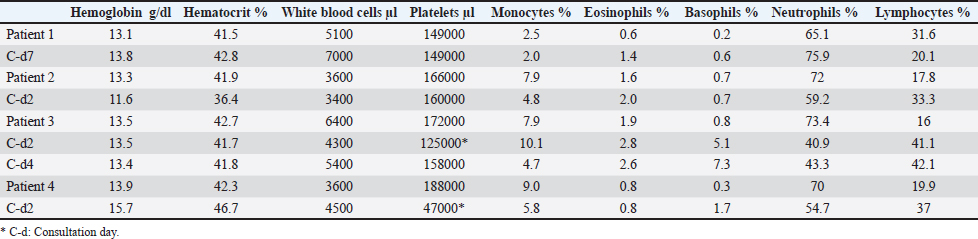
Given these findings, the medical records of the patients included in the pool of four samples were investigated. Patient #1 came to the emergency room with a four-day history of fever, headache, hyporexia, drowsiness, osteomyalgia, low back pain, and dysuria. Patient #2 presented with two days of dizziness and a fever of 38.5°C. Both patients lived in the urban area of the city and had no contact with birds. Patient #3, who had Down syndrome, underwent surgical correction of tetralogy of Fallot and presented with a two-day history of fever and erythema, predominantly on the upper and lower limbs. The patient also experienced itching, emesis, liquid stools, and shortness of breath. During follow-up on the second day, slight thrombocytopenia and erythema persisted in the upper and lower limbs, with subjective fever peaks. On the 4th day of follow-up, the patient was afebrile, and the erythema had begun to fade. Patient #3 lived in a rural area with poultry sheds and backyard poultry. Finally, Patient #4 had a two-day history of fever, general malaise, asthenia, retroocular pain, myalgia, and chills. Patients #1, 2, and 4 lived in an urban area without any reported contact with birds. Patients 1 to 3 were managed on an outpatient basis and recovered satisfactorily, and Patient #4 required hospitalization because of thrombocytopenia with a molecular confirmed diagnosis of dengue. The hematologic values of all the patients are presented in Table 4. Colombia has been recognized as a hyperendemic setting for DENV, characterized by the sustained cocirculation of all four serotypes (Carrillo-Hernández et al., 2018). Dengue outbreaks exhibit a cyclical pattern, typically recurring at approximately three-year intervals, a dynamic that is closely associated with climatic variability driven by phenomena such as the El Niño–Southern Oscillation (Martínez et al., 2024; Rojas-Gallardo et al., 2025). Although DENV is considered the leading cause UAFI in Colombia, its broad and nonspecific clinical presentation renders it indistinguishable from other arboviral infections as well as from viral, bacterial, and parasitic pathologies (Carrillo-Hernandez et al., 2021; Silva-Ramos et al., 2025). Indeed, as in this report, prior analyses of UAFI cases in the same region have shown that approximately 47.78% of clinically suspected dengue cases lack molecular confirmation (Carrillo-Hernández et al., 2018). The identification of NDV by NGS in the pooled samples raises the possibility that this zoonotic virus may contribute to UAFI in at least one patient. However, it is also plausible that the detection of NDV represents an incidental finding without etiological relevance, as previously suggested (Gu et al., 2019). Table 2. Alignment detailed statistics.
Table 3. Uncorrected (p) distances observed for amino acid sequence pairs between NDV genotypes by using the NH protein.
Table 4. Hematological findings in analyzed patients.
According to the aforementioned findings, it is likely plausible that the sample positive for NDV genome belongs to an 8-year-old child who was reported to have contact with backyard poultry. Considering these findings, we investigated data from the Colombian Animal Diagnostic Agency (ICA), confirming reports of 23 outbreaks of NDV with low virulence in Colombia during 2021. Two of these outbreaks were confirmed in the Department of Norte de Santander (Table 5), the region where the patients from the present study lived. It is important to note that in accordance with the WOAH protocols, Colombia met the requirements to self-declaration as free from NDV, continuing mandatory vaccination on the entire country with the LaSota strain, highlighting the availability of this strain in the country (WOAH, 2021). Although circumstantial, the clinical history and epidemiological data suggest that Patient #3 was likely at risk for zoonosis because of close contact with backyard birds, recently vaccinated birds or its environment. It is important to remember that backyard poultry-rearing systems have been strongly associated with NDV zoonotic risk to farmers and communities (Gentile et al., 2024), primarily because this nonspecialized production approach has been designed for cost-effective low-input or no-input operations, along with minimal health care measures, and its poultry products are intended mainly for household consumption (Chaiban et al., 2020; Rajkumar et al., 2021). Vaccination with the live-attenuated LaSota strain of NDV induces a strong immune response; although, because LaSota is a replicating live vaccine, the vaccine virus transiently replicates in the respiratory and intestinal epithelium of vaccinated birds and may be shed through oropharyngeal and cloacal secretions, facilitating contamination with live virus to new individuals and to the environment (Liu et al., 2017; Ferreira et al., 2021). Although the first report of human infection with this virus was published more than 80 years ago, in a laboratory accident in Australia (Ingalls and Mahoney, 1949), few cases in which NDV was identified in humans have been reported (Ul-Rahman et al., 2022), and most of these cases involved workers in the poultry industry or veterinarians (Virtue et al., 2009). Historically, in Colombia, two cases of occupational infection were reported in 1971 during an outbreak (Cadena Santos and Scott López, 1972). Although human NDV infections are generally mild and self-limiting, fatal outcomes have been exceptionally rare and are typically associated with profound immunosuppression. The first reported fatal case was described in 2007 in a 42-year-old patient with non-Hodgkin's lymphoma who presented with severe pneumonia (Goebel et al., 2007). Other emergent zoonotic paramyxoviruses include Pigeon paramyxovirus 1 (PPMV-1), which is an antigenic host variant of NDV (Chong et al., 2013). Recent reports of PPMV-1 infection in humans have shown a similar pattern of mild and self-limiting disease (El-Ghany and Wafaa, 2023), with fatal cases associated to immunocompromised patients and pneumonia (et al.,Kuiken et al., 2017; 2018; Cui et al., 2023). In those fatal cases, a high-virulence motif of the cleavage site in the fusion protein was detected ( Zou et al., 2022; Cui et al., 2023). Table 5. Information on confirmed low-virulence NDV cases in 2021 in Norte de Santander, Colombia.
Fig. 1. Phylogenetic analysis of AOAV-1. The analysis was performed using the maximum likelihood method based on the fusion protein (A) and the HN (B), using the sequence from the present study (Accession number PP842665) and 80 sequences that have been previously deposited in GenBank. The tree was reconstructed using the GTR + G + I nucleotide substitution model for both datasets. The red circle represents the Colombian sequence in Genotype II. Clinical profiles of the previously confirmed NDV zoonotic cases included fever, headache, eye itching, redness, lacrimation, mucopurulent discharge, chills, sore throat, depressed appetite, pain, malaise, minor photophobia, pharyngitis, slight unproductive cough, and marked insomnia with general apathy (Ul-Rahman et al., 2022); these manifestations overlap substantially with those observed in Patient #3 and with the broader clinical spectrum of AUFI. Slight thrombocytopenia was also observed in the patient (125,000 on day 2); this decrease in platelet count has been reported in NDV infection (Calderón et al., 2005), due to a direct disruption of the platelet cell membrane, resulting in platelet lysis (Assinger, 2014). Although the virulence of different NDV pathotypes does not appear to differ for humans, as seen in birds, lentogenic NDV strains commonly used in live poultry vaccines can cause mild, transient infections in humans (Ul-Rahman et al., 2022). However, based on the clinical and molecular evidence presented and the fact that those clinical findings are highly nonspecific and common in many tropical infectious diseases, we cannot confirm NDV a causative agent in the aforementioned patient. The close phylogenetic relationship between the Colombian case and the low-virulence vaccine strain LaSota (Fig. 1 and Table 2) in an immunocompetent host could explain the mild and self-limiting disease in the patient. However, careful attention should be considered when interpreting the findings. The detection of NDV sequences by metagenomic sequencing approaches does not by itself demonstrate active infection or establish a causal relationship between the identified virus and the patient’s clinical presentation (Ramesh et al., 2019). Although NDV reads were detected, no confirmatory evidence of active viral replication, such as virus isolation, antigen detection, qPCR, or seroconversion, was available. Furthermore, no biological samples were collected from potential animal reservoirs or environmental sources associated with the identified exposure risk. Consequently, a direct zoonotic transmission event could not be confirmed, and alternative explanations, including transient viremia, environmental contamination, or incidental exposure to the virus, cannot be rule out. It is also important to denote that pooling analysis increases possible dilution of individual viral loads by a factor of up to four, ambiguity in patient-level attribution, and the absence of individual viral load quantification precluding symptom correlation (Teufel and Sobetzko, 2022). Given the significant ability of NDV to adapt to various mammalian hosts, including humans, it is of concern that this agent may acquire the ability to spread between mammals of the same species and/or cause more severe morbidity than historically observed (Shabbir et al., 2021). ConclusionAlthough NGS has become one of the most prominent tools for pathogen detection in clinical samples, it is important to clarify that the detection of a viral sequence in a clinical sample is not sufficient evidence to implicate the virus in the pathology of the host (Fredricks, 2017). The presence of NDV in samples of UAFI patients provides a window to investigate, at the time of consultation, risk factors such as place of residence and contact with animals, which may favor the transmission of zoonotic agents that cause UAFI (Hoffman and Maldonado, 2024). Furthermore, in addition to routine tests, unbiased metagenomic tools can be implemented in patients with UAFI so that other viral agents (either zoonotic or not) that may be involved can be identified (Ciuoderis et al., 2022; Holmes, 2022). These findings underscore the importance of integrating metagenomic diagnostics and One Health surveillance strategies for the early detection of emerging zoonotic viruses in animal-related contexts. Further studies are underway to confirm the implications of NDV for the AUFI in the Colombian context. AcknowledgmentNone. Conflict of interestThe authors declare that the research was conducted in the absence of any commercial or financial relationships that could be construed as potential conflict of interest. FundingThis research was funded by a CONADI-UCC grant to JR-S and MM-G. The APC was funded by CONADI-UCC. Authors' contributionsJR-S and MM-G: conceptualization, validation, resources, and data curation. MYC-H, LJ, KC, IM-L, LSP-R: methodology, formal analysis, and investigation. MYC-H: writing—original draft preparation. JPH-O, JO, JU-C, MM-G and JR-S: writing—review and editing. MYC-H, JU-C and KC: software and visualization. JR-S and MM-G: supervision, project administration, and funding acquisition. All the authors contributed to the article and approved the submitted version. Data availabilityAll the data supporting the findings of this study are available within the manuscript. The NDV sequence was deposited in GenBank under the accession number PP842665. ReferencesAssinger, A. 2014. Platelets and infection – an emerging role of platelets in viral infection, Front. Imm. 5, 649. Bolger, A.M., Lohse, M. and Usadel, B. 2014. Trimmomatic: a flexible trimmer for Illumina sequence data. Bioinformatics, 30(15), 2114–2120. Buddle, S., et al., 2024. Evaluating metagenomics and targeted approaches for diagnosis and surveillance of viruses. Genome Med. 16(1), 111. Cadena Santos, J.A. and Scott López, V. 1972. Dos casos de Newcastle en humanos en Colombia. Revista ICA 151-156. Calderón, N.L., et al., 2005. Thrombocytopenia in Newcastle disease: haematological evaluation and histological study of bone marrow. Acta Vet. Hungarica 53(4),507–513. Carbo, E.C., et al., 2022. Performance of five metagenomic classifiers for virus pathogen detection using respiratory samples from a clinical cohort. Pathogens, 11(3), 340. Carrillo-Hernandez, M.Y., et al., 2021. Phylogenetic and evolutionary analysis of dengue virus serotypes circulating at the Colombian–Venezuelan border during 2015–2016 and 2018–2019. PLoS ONE, 16(5), e0252379. Carrillo-Hernández, M.Y., Ruiz-Saenz, J. and Martínez-Gutiérrez, M. 2021. Chapter 11 - Coinfection of Zika with Dengue and Chikungunya virus. Eds., Colin R. Martin, et al., Zika virus biology, transmission, and pathology: Academic Press, pp: 117–127. Carrillo-Hernández, M.Y., et al., 2018. Co-circulation and simultaneous co-infection of dengue, chikungunya, and zika viruses in patients with febrile syndrome at the Colombian-Venezuelan border. BMC Infect. Dis. 18(1), 61. Chaiban, C., et al., 2020. Early intensification of backyard poultry systems in the tropics: a case study. Animal 14(11), 2387-2396. Chong, Y.L., et al., 2013. Successful establishment and global dispersal of genotype VI avian paramyxovirus serotype 1 after cross species transmission. Infect. Genet. Evol. 17, 260-268. Ciuoderis, K.A. et al., 2022. Oropouche virus as an emerging cause of acute febrile illness in Colombia. Emerg. Microbes Infect. 11(1), 2645–2657. Cui, Shujuan, et al., 2023. Severe pigeon paramyxovirus 1 infection in a human case with probable post-COVID-19 condition. Emerg. Microbes Infect. 12(2), 2251600. El-Ghany, A. and Wafaa, A. 2023. Pigeon paramyxovirus-1 infection and the public health importance: a review article. Veterinarija ir Zootechnika 81(1), 23–32. Ferreira, H.L., Miller, P.J. and Suarez, David. L. 2021. Protection against different genotypes of newcastle disease viruses (NDV) afforded by an adenovirus-vectored fusion protein and live ndv vaccines in chickens. Vaccines 9(2), 182. Fredricks, D.N. 2017. Viruses associated with unexplained acute liver failure: next generation reveals the last generation. Clinical Infect. Dis. 65(9), 1486–1488. Ganar, K., et al., 2014. Newcastle disease virus: current status and our understanding. Virus Res. 184, 71-81. Gentile, N., Carrasquer, F., Marco-Fuertes, A. and Marin, C. 2024. Backyard poultry: exploring non-intensive production systems. Poult. Sci. 103(2), 103284. Goebel, S.J, et al., 2007. Isolation of avian paramyxovirus 1 from a patient with a lethal case of pneumonia. J. Virol. 81(22), 12709–12714. Gu, W., Miller, S. and Chiu, C.Y. 2019. Clinical metagenomic next-generation sequencing for pathogen detection. Annu. Rev. Pathol.: Mech. Dis. 14, 319–338. Hoffman, S.A. and Maldonado, Y.A. 2024. Emerging and re-emerging pediatric viral diseases: a continuing global challenge. Pediatr. Res. 95(2), 480–487. Holmes, E.C. 2022. The ecology of viral emergence. Annu. Rev. Virol. 9(1), 173–192. Hu, Z., et al., 2022. Current situation and future direction of Newcastle disease vaccines. Vet. Res. 53(1), 99. Ingalls, W.L. and Mahoney, Ann 1949. Isolation of the virus of Newcastle disease from human beings. Am. J. Public Health Nations Health 39(6), 737–740. Kalantar, K.L, et al., 2020. IDseq—An open source cloud-based pipeline and analysis service for metagenomic pathogen detection and monitoring. GigaScience 9(10). Kim, D., et al., 2016. Centrifuge: rapid and sensitive classification of metagenomic sequences. Genome Res. 26(12), 1721–1729. Kuhn, J.H., et al. 2025. Annual (2024) taxonomic update of RNA-directed RNA polymerase-encoding negative-sense RNA viruses (realm Riboviria: kingdom Orthornavirae: phylum Negarnaviricota). J. Gen. Virol. 106(6). Kuiken, T., et al., 2017. Pigeon paramyxovirus type 1 from a fatal human case induces pneumonia in experimentally infected cynomolgus macaques (Macaca fascicularis)', Vet. Res. 48(1), 80. Kuiken, T., et al., 2018. Zoonotic infection with pigeon paramyxovirus type 1 linked to fatal Pneumonia. J. Infect. Dis. 218(7), 1037–1044. Langmead, B. and Salzberg, S. L. 2012. Fast gapped-read alignment with Bowtie 2'. Nat. Methods 9(4), 357–359. Liu, J., et al., 2017. Effects of the HN antigenic difference between the vaccine strain and the challenge strain of newcastle disease virus on virus shedding and transmission. Viruses 9(8), 225. Martínez, D., et al., 2024. Cryptic transmission and novel introduction of Dengue 1 and 2 genotypes in Colombia. Virus Evol. 10(1). Moreira, J. et al., 2018. Epidemiology of acute febrile illness in Latin America. Clin. Microbiol. Infect. 24(8), 827–835. Rajkumar, U., et al., (2021), 'Backyard poultry farming for sustained production and enhanced nutritional and livelihood security with special reference to India: a review. Trop. Anim. Health Prod. 53(1), 176. Ramesh, A., et al. 2019. Metagenomic next-generation sequencing of samples from pediatric febrile illness in Tororo, Uganda. PLoS One 14(6), e0218318. Rima, B., et al., 2019. ICTV virus taxonomy profile: Paramyxoviridae. J. General Virol. 100(12), 1593–1594. Rojas-Gallardo, D., et al., 2025. Spatiotemporal dispersion of DENV-1 genotype V in Western Colombia. Virus Evol. 11(1), veaf018. Shabbir, M.Z., et al., 2021. Genomic characterization of velogenic avian orthoavulavirus 1 isolates from poultry workers: implications to emergence and its zoonotic potential towards public health. Asian Pacific J. Tropic. Med. 14(2), 64–72. Silva-Ramos, C.R., et al., 2025. Confirmation of spotted-fever group and typhus group rickettsiosis cases through a three-month hospital-based sentinel surveillance of acute undifferentiated febrile illness in the municipality of Santander de Quilichao, Cauca, Colombia. Infect. 29, 142–149. Teufel, M. and Sobetzko, P. 2022. Reducing costs for DNA and RNA sequencing by sample pooling using a metagenomic approach. BMC Genome. 23(1), 613. Ul-Rahman, A., et al., 2022. Zoonotic potential of Newcastle disease virus: old and novel perspectives related to public health. Rev. Med. Virol. 32(1), e2246. Vilsker, M., et al., 2019. Genome detective: an automated system for virus identification from high-throughput sequencing data. Bioinformatics 35(5), 871–873. Virtue, E.R, Marsh, G.A. and Wang, L.-F 2009. Paramyxoviruses infecting humans: the old, the new and the unknown. Future Microbiol. 4(5), 537–554. WOAH 2021. Self-declaration of the Republic of Colombia as a country free from Newcastle disease in poultry. Ed. World Organisation for Animal Health, Paris. Wylie, K. M, et al., 2012. Sequence analysis of the human virome in febrile and afebrile children. PloS One 7(6), e27735. Zhu, H., et al. 2018. Phylogenetic and pathotypic characterization of newcastle disease virus in Tibetan chickens, China. Pesqui. Vet. Bras. 38, 37–40. Zou, X., et al., 2022. Concurrent pigeon paramyxovirus-1 and Acinetobacter baumannii infection in a fatal case of Pneumonia. Emerg. Microbe. Infect. 11(1), 968–977. | ||

| How to Cite this Article |
| Pubmed Style Carrillo-hernández MY, Jaimes L, Ciuoderis K, Perez-restrepo LS, Lopez IM, Hernández-ortiz JP, Osorio J, Usme-ciro J, Martínez-gutierrez M, Ruiz-saenz J. Metagenomic identification of Newcastle disease virus sequences in a pediatric case of acute undifferentiated febrile illness at the Colombian–Venezuelan border. Open Vet. J.. 2026; 16(8): 5492-5500. doi:10.5455/OVJ.2026.v16.i8.41 Web Style Carrillo-hernández MY, Jaimes L, Ciuoderis K, Perez-restrepo LS, Lopez IM, Hernández-ortiz JP, Osorio J, Usme-ciro J, Martínez-gutierrez M, Ruiz-saenz J. Metagenomic identification of Newcastle disease virus sequences in a pediatric case of acute undifferentiated febrile illness at the Colombian–Venezuelan border. https://www.openveterinaryjournal.com/?mno=312007 [Access: August 08, 2026]. doi:10.5455/OVJ.2026.v16.i8.41 AMA (American Medical Association) Style Carrillo-hernández MY, Jaimes L, Ciuoderis K, Perez-restrepo LS, Lopez IM, Hernández-ortiz JP, Osorio J, Usme-ciro J, Martínez-gutierrez M, Ruiz-saenz J. Metagenomic identification of Newcastle disease virus sequences in a pediatric case of acute undifferentiated febrile illness at the Colombian–Venezuelan border. Open Vet. J.. 2026; 16(8): 5492-5500. doi:10.5455/OVJ.2026.v16.i8.41 Vancouver/ICMJE Style Carrillo-hernández MY, Jaimes L, Ciuoderis K, Perez-restrepo LS, Lopez IM, Hernández-ortiz JP, Osorio J, Usme-ciro J, Martínez-gutierrez M, Ruiz-saenz J. Metagenomic identification of Newcastle disease virus sequences in a pediatric case of acute undifferentiated febrile illness at the Colombian–Venezuelan border. Open Vet. J.. (2026), [cited August 08, 2026]; 16(8): 5492-5500. doi:10.5455/OVJ.2026.v16.i8.41 Harvard Style Carrillo-hernández, M. Y., Jaimes, . L., Ciuoderis, . K., Perez-restrepo, . L. S., Lopez, . I. M., Hernández-ortiz, . J. P., Osorio, . J., Usme-ciro, . J., Martínez-gutierrez, . M. & Ruiz-saenz, . J. (2026) Metagenomic identification of Newcastle disease virus sequences in a pediatric case of acute undifferentiated febrile illness at the Colombian–Venezuelan border. Open Vet. J., 16 (8), 5492-5500. doi:10.5455/OVJ.2026.v16.i8.41 Turabian Style Carrillo-hernández, Marlen Yelitza, Lucy Jaimes, Karl Ciuoderis, Laura S. Perez-restrepo, Isabel Moreno Lopez, Juan P. Hernández-ortiz, Jorge Osorio, Jose Usme-ciro, Marlen Martínez-gutierrez, and Julián Ruiz-saenz. 2026. Metagenomic identification of Newcastle disease virus sequences in a pediatric case of acute undifferentiated febrile illness at the Colombian–Venezuelan border. Open Veterinary Journal, 16 (8), 5492-5500. doi:10.5455/OVJ.2026.v16.i8.41 Chicago Style Carrillo-hernández, Marlen Yelitza, Lucy Jaimes, Karl Ciuoderis, Laura S. Perez-restrepo, Isabel Moreno Lopez, Juan P. Hernández-ortiz, Jorge Osorio, Jose Usme-ciro, Marlen Martínez-gutierrez, and Julián Ruiz-saenz. "Metagenomic identification of Newcastle disease virus sequences in a pediatric case of acute undifferentiated febrile illness at the Colombian–Venezuelan border." Open Veterinary Journal 16 (2026), 5492-5500. doi:10.5455/OVJ.2026.v16.i8.41 MLA (The Modern Language Association) Style Carrillo-hernández, Marlen Yelitza, Lucy Jaimes, Karl Ciuoderis, Laura S. Perez-restrepo, Isabel Moreno Lopez, Juan P. Hernández-ortiz, Jorge Osorio, Jose Usme-ciro, Marlen Martínez-gutierrez, and Julián Ruiz-saenz. "Metagenomic identification of Newcastle disease virus sequences in a pediatric case of acute undifferentiated febrile illness at the Colombian–Venezuelan border." Open Veterinary Journal 16.8 (2026), 5492-5500. Print. doi:10.5455/OVJ.2026.v16.i8.41 APA (American Psychological Association) Style Carrillo-hernández, M. Y., Jaimes, . L., Ciuoderis, . K., Perez-restrepo, . L. S., Lopez, . I. M., Hernández-ortiz, . J. P., Osorio, . J., Usme-ciro, . J., Martínez-gutierrez, . M. & Ruiz-saenz, . J. (2026) Metagenomic identification of Newcastle disease virus sequences in a pediatric case of acute undifferentiated febrile illness at the Colombian–Venezuelan border. Open Veterinary Journal, 16 (8), 5492-5500. doi:10.5455/OVJ.2026.v16.i8.41 |


