





| Research Article | ||
Open Vet. J.. 2026; 16(5): 3025-3038 Open Veterinary Journal, (2026), Vol. 16(5): 3025-3038 Research Article Titanium dioxide nanoparticles as a sustainable solution for soil and water polluted with naphthalene and phenanthreneAdel S. El-Hassanin1, Sherif H. Abd-Alrahman2, Shereen F. Abd El-Kader3* and Abdalrahman S. Ahmed1>1Faculty of African Postgraduate Studies, Cairo University, Giza, Egypt 2Pesticides Residues and Environmental Pollution Department, Central Agricultural Pesticide Laboratory, Agricultural Research Centre, Giza, Egypt 3Regional Centre for Food and Feed, Agricultural Research Centre, Giza, Egypt *Corresponding Author: Shereen F. Abd El-Kader. Regional Center for Food and Feed, Agricultural Research Centre, Giza, Egypt. Email: Shereenfarouk_bio [at] hotmail.com Submitted: 25/01/2026 Revised: 15/04/2026 Accepted: 30/04/2026 Published: 31/05/2026 © 2025 Open Veterinary Journal
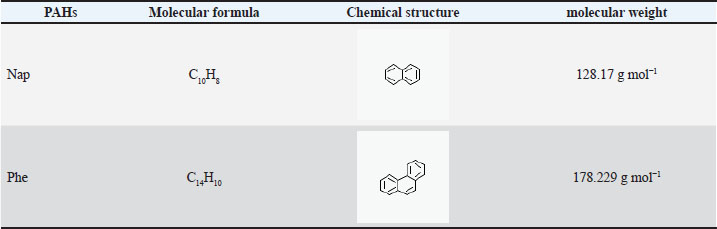
AbstractBackground: Polycyclic aromatic hydrocarbons (PAHs) are among the environmental pollutants that are classified according to the United States Environmental Protection Agency (USEPA) as a priority concern. Generally, the primary source of PAHs is the incomplete combustion of organic matter from sources like coal, oil, gas, wood, tobacco, and garbage. In addition, the natural sources that may cause PAH-environmental pollution are volcanic eruptions and natural oil seepage. Thus, a PAH-polluted environment poses risks to human and animal health. Among the compounds that were monitored in great concentrations in water and soil environments are naphthalene (Nap) and phenanthrene (Phe). Aim: This study aimed to remediate the environmental contamination of a PAH mixture using a minimal and effective dosage of titanium dioxide nanoparticles (TiO₂ NPs). Methods: A commercially available TiO₂ NPs were characterized using transmission electron microscopy and particle size distribution, while X-ray diffraction was used to characterize both the tested soil mineralogically and the TiO₂ NPs. In addition, the remediation efficacy of different TiO₂ NPs concentrations (125, 250, and 500 mg l−1) with and without sunlight exposure was investigated and evaluated by Gas Chromatography-Mass Mass Spectrometry. Results: The results revealed that by increasing the TiO₂ NPs concentration, the remediation efficacy was increased. When the TiO₂ NPs concentration was increased from 125 to 500 mg l−1, Nap removal efficacy was increased from 21% to 92% under dark conditions from water. In addition, the removal efficacy of Phe without sunlight exposure was elevated from 44.63% to 73.53% from soil when TiO₂ NPs dosages were increased from 125 to 500 mg l−1, respectively. Conclusion: TiO₂ NPs have potent soil remediation efficacy, especially under dark conditions. The following factors should be considered for the best remediation efficacy: the source of light, catalyst concentration, and the pollutant itself. To the best of our knowledge, this is the first study to offer an environmentally sustainable, practical, and economically feasible solution for remediating polluted environments, especially subsurface soil, using low, safe TiO₂ NP doses. Keywords: Drainage water remediation, Naphthalene, Phenanthrene, Photocatalysis, Soil remediation, TiO₂-NPs. IntroductionWater contamination by polycyclic aromatic hydrocarbons (PAHs) is a global problem because of their toxicity, persistence, and accumulation in the environment and food chain, posing risks to aquatic life and human health. Sources include industrial waste, road runoff, and fuel spills, and exposure can lead to carcinogenic, mutagenic, and reproductive health effects in both animals and humans (Guoliang et al., 2022; Vijayanand et al., 2023). In addition, soil can be considered a pollutant sink due to the dumping of organic and inorganic contaminants into water or soil, which in turn can reach the human food supply and animal feed and consequently can cause severe diseases like cancer, endocrine disruption, and organ failure, besides immune system suppression (Dotaniya et al., 2020). About 0.9 million deaths worldwide in 2016 were recorded as a result of water pollution (Xu et al., 2022). PAHs are white, colorless, or pale-yellow organic compounds composed of diverse aromatic rings in addition to carbon and hydrogen. They are characterized by their hydrophobicity and persistence, which lead to their absorption and long-term retention in soil particles (Honda and Suzuki, 2020; Yahiya and Teresa P Miranda, 2021; Wang et al., 2022). In addition, they are characterized by the following physicochemical properties, i.e., lower volatility, chemical stability, and high attraction to sediments and soils, which in turn results in a perceptible environmental pollution (Chen et al., 2019; Li et al., 2020). In addition to volcanic explosions and petrogenic practices, the primary source of PAHs is incomplete burning, either naturally (e.g., forests) or artificially (e.g., cigarette smoke and car emissions) (Chen et al. 2019; Li et al. 2020; You et al. 2024). PAHs are regarded as hazardous pollutants not only because of their potential to induce mutation, teratogenicity, carcinogenicity, nervous system damage, and human immune system suppression, but also because of their degradation recalcitrance (Dai et al., 2021; Wang et al., 2022; You et al., 2024). Owing to the aforementioned consequences of polluted environments, remediating such contaminated sites becomes a mandatory issue. Various techniques, such as volatilization, chemical oxidation, microbial degradation, adsorption, photolysis, and photocatalytic degradation, can be used to treat polluted environments (Solano et al., 2021). Nanotechnology is among the contemporary remediation technologies that grabbed researchers’ attention (Irshad et al., 2021; Qian et al., 2020). Because of the characteristics of nanomaterials (NMs), i.e., high specific area, versatility, small size, and reactivity, along with their selectivity, scientific global awareness was raised for their utilization in the remediation of polluted soil (Qian et al., 2020; Daryabeigi et al., 2020a). Nanoparticles from diverse sources, such as silver oxide, iron oxide, titanium dioxide (TiO2), and zinc oxide, have been used to induce soil nutrient availability, facilitate seed germination, promote plant growth, enhance pesticide utilization efficiently, and remediate polluted sites (Qian et al., 2020; Waani et al., 2021). Among the efficient technologies for treating PAH-polluted soil is the usage of TiO2 (Ossai et al., 2020). Although some NMs have detrimental effects, titanium dioxide nanoparticles (TiO2-NPs) have not exhibited negative effects in the environmental remediation field, so they are widely employed in both soil and water remediation (Qian et al., 2020; Habl et al., 2024). One of the most important characteristics of TiO2-NPs is photocatalysis, which produces reactive oxygen species (ROS) that can acquire the capability of organic contaminant degradation in the presence of sunlight or ultraviolet (UV) irradiation and antibacterial influences (Qian et al., 2020; Daryabeigi et al., 2020b). Based on previous studies (Daryabeigi Zand et al., 2020a, 2020b), which showed that low TiO2-NPs doses have no phytotoxicity effects. Therefore, this study aimed to investigate the efficacy of commercially available TiO2-NPs for the remediation of PAH-polluted soil and drainage water under two different illumination conditions. Thus, three different dosages of TiO2-NP were examined for remediating both naphthalene (Nap) and phenanthrene (Phe)-polluted soil and drainage water. Hence, the minimum effective dosage of TiO2-NPs that can be applied to remediate environmental contamination by PAH can be determined. Materials and MethodsNanoparticlesTiO2-NPs were purchased from NanoTech Company, Egypt. ChemicalsThe following solvents were obtained in High Performance Liquid Chromatography grade from Sigma Aldrich: acetone, acetone, acetonitrile (ACN), hexane, and dichloromethane (DCM). Additionally, sodium sulfate anhydrous (Na₂SO₄) and naphthalene (Nap) were purchased from Sigma Aldrich, while Phe was obtained from CPAchem. Table 1 presents the molecular formula, chemical structure, and molecular weight of the PAH compounds used in this study. Table 1. Molecular formula, chemical structure, molecular weight, and purity of Nap and Phe.
Soil sample collectionTen subsoil samples at two different depths (0 and 15 cm) were homogenized to form one composite representative sample to give an average result for the entire area being sampled (Charles and Curell, 2023; Adhikari et al., 2024). Soil characterizationPhysical and chemical composition of soilThe obtained soil was sieved through a 2-mm sieve and analyzed physically and chemically according to the method of Estefan et al. (2012) at the Soil, Water, and Environment Research Institute, (SWERI) ARC, Egypt. Table 2. Shows the texture and physical characteristics of the soil samples. Table 3 presents the chemical composition of soil as well as some micro- and macroelements. Table 2. Physical characteristics of the soil under study.
Table 3. Chemical characteristics of soil.
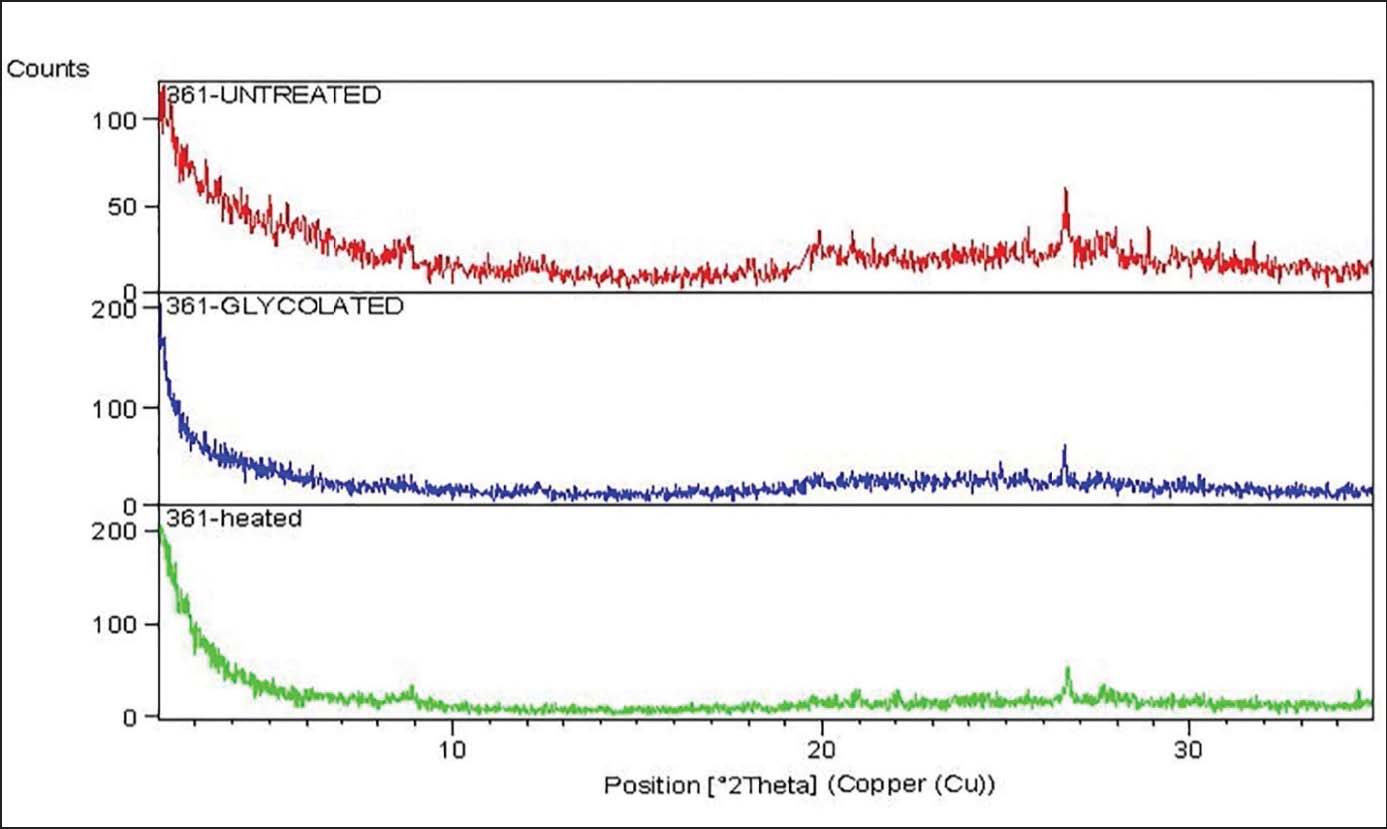
Soil clay mineralsThree treatments were performed to characterize the mineralogical composition of the soil under investigation. Figure 1 summarizes these treatments. The treatments were untreated, glycolated, and heated. The soil was treated with HCl and H2O2 in the untreated sample. Then, the glycolated sample was treated with ethylene glycol, while the heated sample was heated at 550°C. Subsequently, all prepared samples were subjected to X-ray diffraction (XRD) analysis. The XRD apparatus was a XPert PRO model with a secondary monochromator, Cu-radiation (λ=1.542Å) at 45 K.V., 35 M.A., and a scanning speed of 0.04°/s were used. The diffraction peaks between 2θ=2° and 6°, corresponding spacing (d, Å), and relative intensities (I/I°) were obtained. The diffraction charts and relative intensities were obtained and compared with the ICDD files. This analysis was conducted at the Ministry of Petroleum, the Egyptian Mineral Resources Authority, Central Laboratories Sector, Egypt.
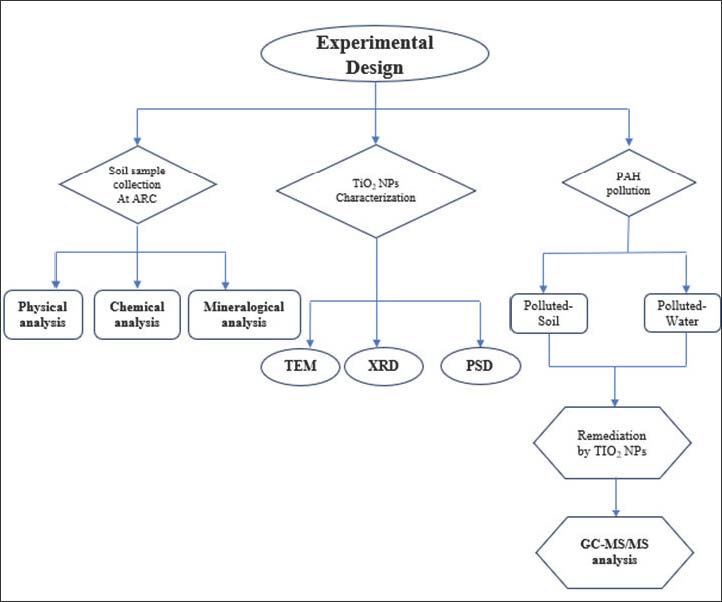
Fig. 1. Mineralogical soil treatments. TiO2 NP characterizationTransmission electron microscopy (TEM)At the Regional Center for Mycology and Biotechnology, Al-Azhar University, Egypt, on the carbon-coated copper grids, a drop of TiO2-NPs solution was placed and dried by evaporating water at R.T. (Amin et al., 2021). The dried sample was then micrographed using a TEM (JEOL JEM-1010) at 70 kV. X-ray diffractionAn XRD pattern was obtained using the D8 DISCOVER apparatus (Meagher and Lager, 1979) at the Faculty of Nanotechnology Postgraduate, Cairo University, Egypt. Particle size distribution (PSD)At the Faculty of Nanotechnology Postgraduate, Cairo University, Egypt, the size of TiO2 NPs was measured and determined using NICOMP NANO Z3000 ZLS. Batch experimentThe simulated polluted soil was prepared according to the method of Keerthanan et al. (2021) with some modifications. Soil was spiked with 10-ppm Nap. and Phe and shaken for 30 minutes at room temperature (RT). Subsequently, it was separated into four groups (positive control, T1, T2, and T3). The remediation of the simulated polluted soil was carried out by adding TiO₂-NPs suspension in a concentration of 0.0, 125, 250, and 500 mg/kg for the positive control, T1, T2, and T3, respectively. Then, the treatment process was carried out by shaking the soil for another 30 minutes at RT. One batch of the prepared remediated polluted soil samples was subjected to sunlight for 5 hours for 2 successive days, and the other batch was kept under laboratory conditions. The treated soil was washed with water simulating irrigation. Thereafter, leached water samples were collected, and both Nap. and Phe. were extracted from the soil and water samples to assess the removal efficacy of TiO₂-NPs. PAH extractionLeached water samplesWater samples were extracted using the liquid-liquid partitioning method in two steps (Dahshan et al., 2016). In a separating funnel containing the collected polluted water sample from each treatment, 5 ml of DCM was added twice, and the lower layer was withdrawn after vigorous shaking for 2 minutes. The collected extract was passed through Na₂SO₄ to ensure complete dryness. Afterward, extract dry film was extracted by evaporating the solvent at RT. Finally, the dry film was redissolved in 2 ml ACN and analyzed by gas chromatography-mass mass spectrometry (GC-MS/MS). Soil samplesPAHs were extracted as described previously (Marquès et al., 2016) with slight modifications. Ten milliliters (1:1 v/v) of hexane: DCM were added to a 5 g soil sample, and the mixture was shaken for 30 minutes at RT. Subsequently, the mix was filtered, and the same step was repeated. After that, the solvent was evaporated by physical evaporation at RT until complete dryness. Finally, the extract was redissolved in 2-ml ACN and analyzed by gas chromatography-mass mass spectrometry (GC-MS/MS). GC-MS/MS analysesGas chromatography (GC) analysis was performed according to Thermo Fisher application note: 51,980 with some modifications (Mittendorf et al., 2010) using GC and a mass detector triplequadrupole-TSQ 8000 (GC–MS/MS) (TRACE GC Thermo Scientific TRACE GC Ultra™ system; Thermo Scientific, USA). The GC system was equipped with an autosampler (AL 1310) and a capillary column (TR-5MS; Thermo Scientific), which was 30 m long, had an internal diameter of 0.25 mm, and a film thickness of 0.25 μm. The temperature of the injector and ion source was 270℃. The detector was adjusted to electron ionization positive ionization mode, and the emission current was 50 μA, and the MS spectra were scanned in the mass range of 45–400 m/z. The carrier gas flow rate in the column was 1.2 ml/min, and grade 5 helium (99.999) was used as the carrier gas. 1.0 μl of the sample was injected into each run via the splitless mode. The oven heating started at 80℃ with a holding time of 5 minutes, then it was raised to 210℃ at a ramp rate of 10℃/min. Finally, the temperature was raised to 310℃ at a ramp rate of 50℃/min with a holding time of 5 minutes. The percentage of PAH removal was calculated according to Eq. 1. Removal (%)=[(Ci-Cf)/ Ci] x100 (1) Where Ci (mg l-1) and Cf (mg l-1) are the initial and final PAH concentrations, respectively. The flowchart in Figure 2 summarizes the methodology used in this study.
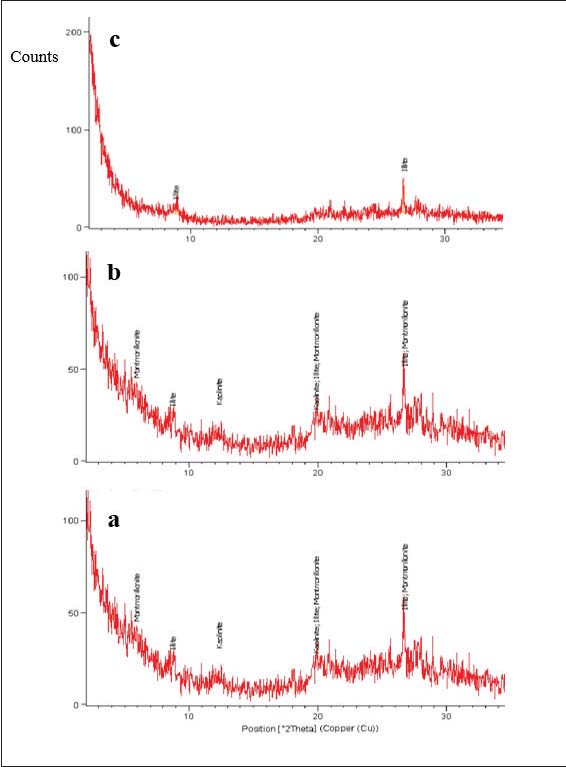
Fig. 2. Methodological flowchart of the study. Ethical approvalNot needed for this study. ResultsCharacterization of soil clay mineralsXRD analysis was performed to mineralogically evaluate the used soil constituents. Figure 3 shows that the diffraction pattern of the used soil comprised three clay minerals: kaolinite (1:1), illite (2:1), and montmorillonite (2:1). Consequently, the range of 2θ was 10°–30°, which corresponded to the diffraction pattern. Table 4 also displays the percentage of each mineral in the studied soil sample. The dominant mineral was kaolinite, which represented 50% of the soil clay minerals, while illite and montmorillonite were 35% and 15%, respectively.
Fig. 3. XRD patterns of (a) untreated sample, (b) glycolated sample, and (c) heated sample. Table 4. Percentage of different minerals in the soil samples.
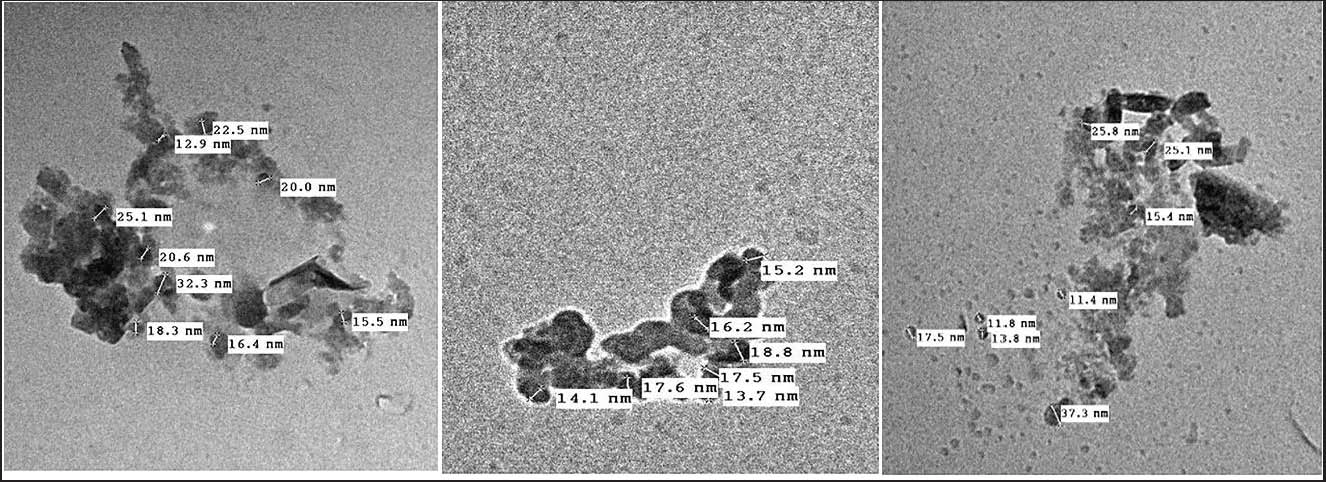
TiO2 NP characterizationTransmission electron microscopyTEM was usually used to study the morphology of TiO2 NPs. Figure 4 shows that the average size of used nanoparticles was 18.95 ± 6.243 nm, spherical in shape.
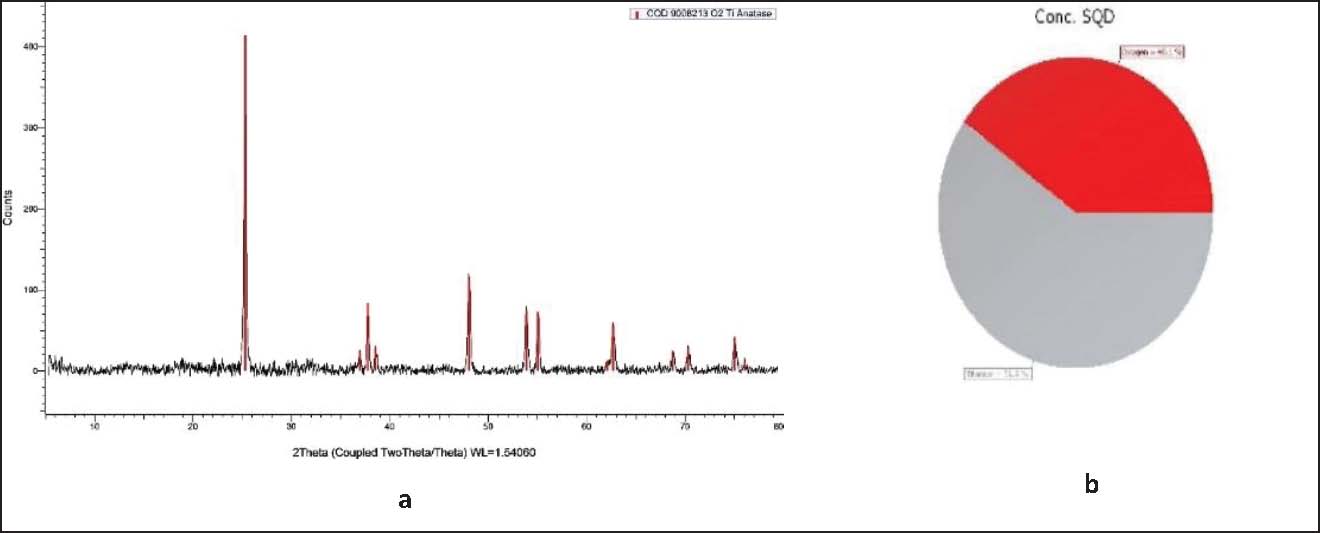
Fig. 4. TEM images of TiO2 NPs at 100 nm scale bar. X-ray diffractionXRD was performed to confirm the crystal structure, purity, and composition of the tested particles. The XRD was operated at 10°–80° (2θ) diffraction angle. Figure 5a revealed peaks at 2θ 25.308, 36.952, 37.791, 38.573, 48.047, 53.884, 55.072, and 62.116. Moreover, the main and intense one was at 2θ=25.308, which confirmed that the TiO2 NP crystal structure was of rutile origin. Figure 5b showed that the used particles were pure as their composition was 40.1% oxygen, 59.9% titanium, and no other elements were present.
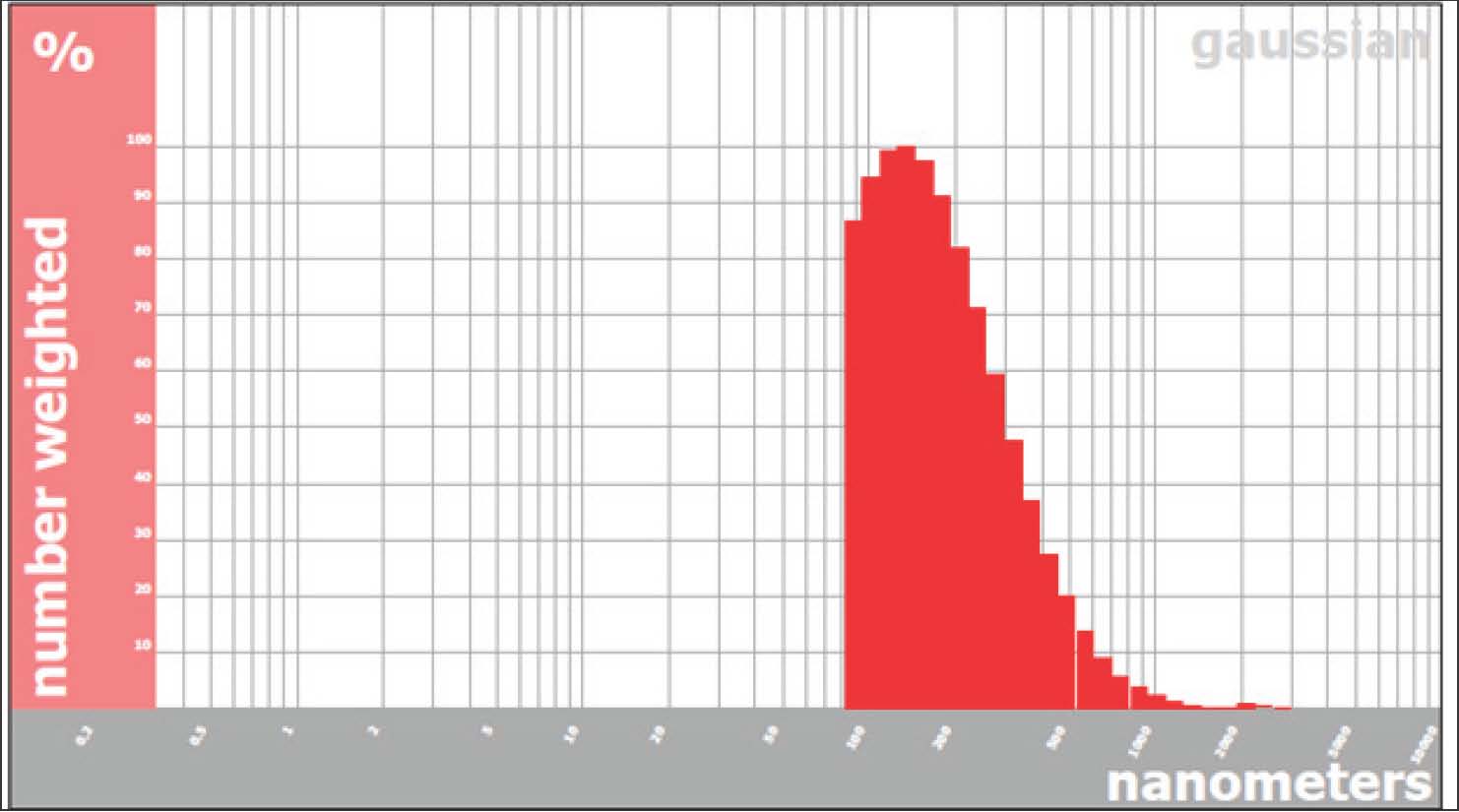
Fig. 5. a) XRD spectrum of TiO2 NPs and b) purity of TiO2 NPs. Particle-size distributionFigure 6 exhibits the PSD for TiO2 NPs, which appeared to be ≈ 100–500 nm. Therefore, this material may form aggregates/agglomerates, which is contrary to the results of the TEM analysis.
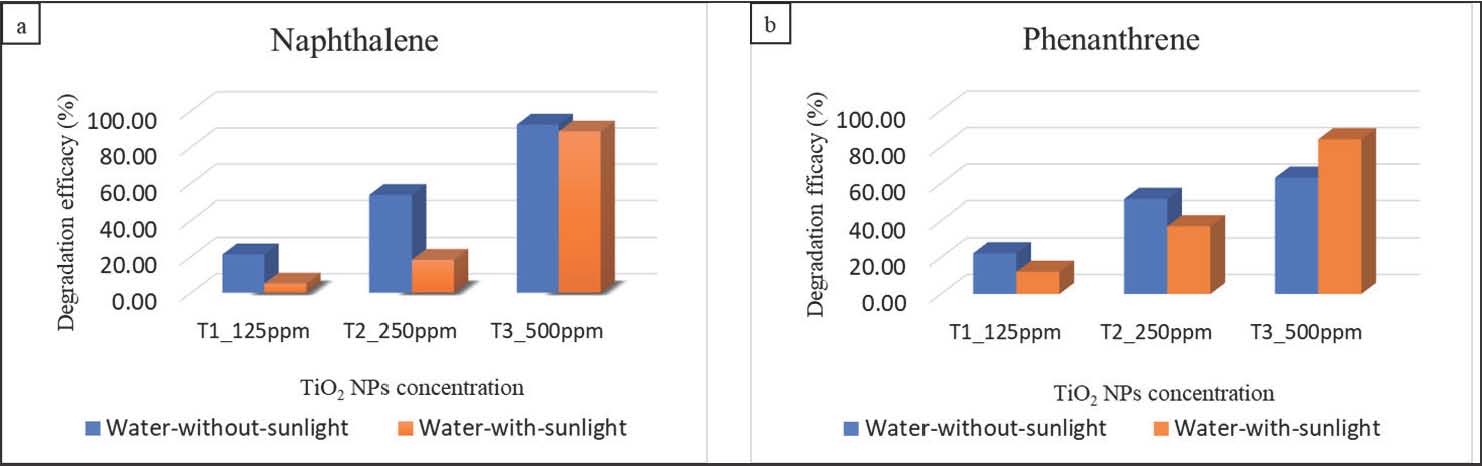
Fig. 6. PSD of TiO2 nanoparticles. Batch experimental treatmentThe remediation efficiency of the PAHs, Nap, and Phe in water and soil using TiO₂ NP is determined by several parameters. This study highlights the complexity of PAH degradation processes, which are influenced by varying concentrations of TiO2NPs, light conditions, pollutant properties, and adsorption. PAH-polluted leached water treatmentThe results showed that with increasing TiO2NPs concentration, Nap degradation increased. Figure 7 shows the efficacy of different concentrations of TiO2NPs for degrading Nap and Phe, both with and without sunlight exposure. Without sunlight exposure, the Nap removal efficiency was approximately 21% at 125 mg l−1, 53% at 250 mg l−1, and 92% at 500 mg l−1. A similar behavior was observed with Phe. At the same TiO2-NPs dosages, the Phe concentration was mitigated under normal laboratory conditions by 22.29%, 51.59%, and 63.22%, respectively.
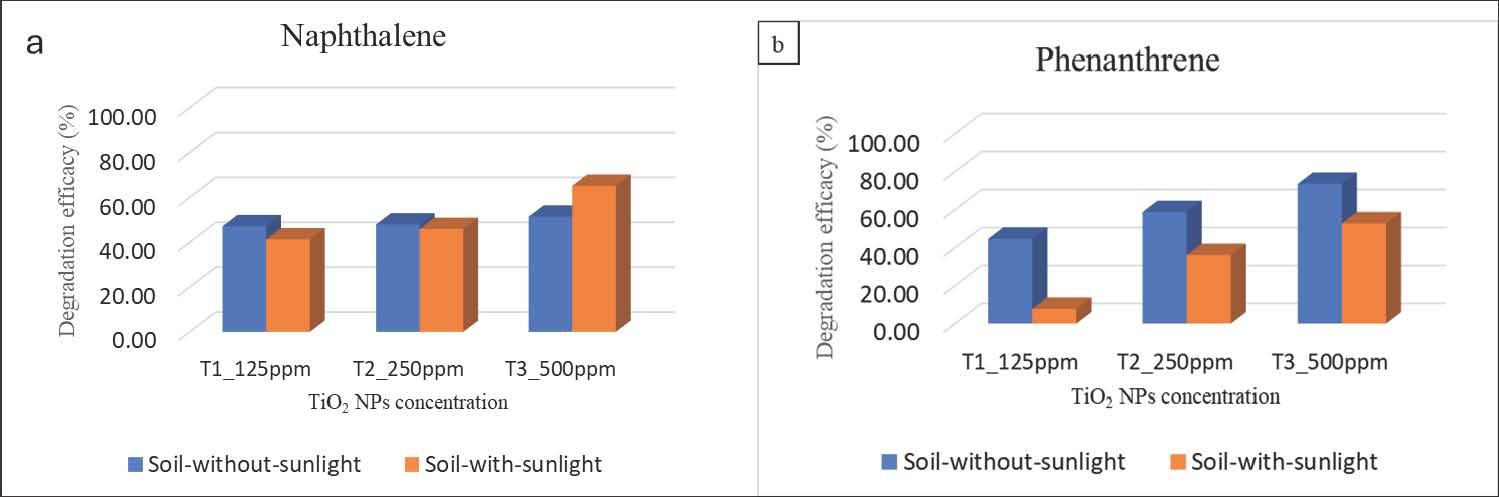
Fig. 7. Degradation efficiency of a) Nap and b) Phe-polluted leached water by 125, 250, and 500 ppm TiO2 NPs under different illumination conditions. After 10 hours of exposure to sunlight, the removal efficacy of Nap at 125 mg l−1, 250 mg l−1, and 500 mg l−1 TiO2NPs was 5.05%, 18.18%, and 88.64%, respectively. Simultaneously, Phe concentration decreased by ratios of 12%, 37%, and 84% when treated with similar TiO2NPs dosages after sunlight exposure. PAH-polluted soil treatmentThe results of this study showed an intriguing behavior of TiO₂-NPs in removing Nap from soil at varying light levels and different dosages of the first. Figure 8 reveals that at lower doses (125 and 250 mg l−1), clearance efficacy was slightly higher in darkness (47.09% and 47.86%, respectively) than in sunlight (41.22% and 45.9%, respectively). Nevertheless, the effectiveness in sunlight increased significantly to 65.09% at the highest concentration (500 mg l−1), outperforming the 51.36% observed in the absence of light.
Fig. 8. Degradation efficiency of a) Nap and b) Polluted soil by 125, 250, and 500 ppm TiO2 NPs under different illumination conditions. In contrast to Nap, the degradation behavior of Phe in soil containing TiO₂-NPs displayed a clear trend. The clearance effectiveness was significantly better in the dark (44.63% and 58.71%) at lower concentrations (125 and 250 mg l−1) than in the sunshine (7.72% and 36.09%, respectively). With efficiencies of 73.53% and 52.76%, respectively the difference between the dark and light treatments was less noticeable at the highest concentration (500 mg l−1). DiscussionTowards overcoming persistent organic pollutants (POPs) pollution and achieving Sustainable Development Goals (SDGs), this study utilized commercially available TiO2 NPs as an applicable, sustainable, and cost-effective material for remediating both soil and water. Our data indicate that the combined chemical-physical treatment by TiO₂ NPs increases the removal of both Nap and Phe. We interpret this remediation efficacy to be due to adsorption onto the nanoparticles’ surface in addition to photocatalysis. This result is significant because it shows that a low-dose catalyst can substantially remediate PAH-polluted soil under normal environmental conditions, potentially lowering the process cost. In the context of chemical-physical remediation of PAHs, the combined treatment offers a scalable, applicable approach to other hydrophobic organic pollutants. Before starting the remediation experiment, the collected soil was characterized mineralogically, as soil clay minerals are one of the main factors that regulate the fate of PAHs in the environment. After comparing the XRD results with the ICDD files, the results were in agreement with those of the previous studies (Nabih and El Shinawi, 2020; Parab et al., 2020). Likewise, Gupt et al. (2020) identified the mineralogical composition of Barmer bentonite and found that it was composed of quartz, montmorillonite, and Kaolinite minerals. According to Awad et al. (2019), many factors govern the adsorption of organic pollutants on soil clay minerals. Among these factors are the hydrophobicity of the pollutant itself and the surface area of the clay minerals. The more aromatic the mineral, the more hydrophobic it is (Awad et al., 2019). In this study, Phe is comprised of three aromatic rings, whereas Nap is comprised of only two (Olgun and Doğan, 2020). Consequently, in a study discussing the adsorption capacity of some PAHs on kaolinite, the adsorption capacity of Phe was greater than that of Nap. In contrast to kaolinite, montmorillonite is characterized by its great ability to adsorb and retain organic pollutants (Awad et al., 2019). Nanoparticle morphology and size govern the remediation efficacy; the smaller the NP size, the greater the surface area. To assess the utilized TiO2 NPs morphologically and by size, TEM analysis was carried out. The size of TiO2 NPs that were obtained from Sigma Aldrich, Egypt, ranged from 9 to 22 nm (Habl et al., 2024). Similarly, Zhou et al. (2014) procured commercially available TiO2 NPs with sizes of 60 and 100 nm. Xiaoshang et al. (2021) prepared TiO2 NPs using titanium hydroxide (Ti(OH)2) and the leaf extract of Salvia spinosa (S. spinosa). The resulting NPs were 23 nm in size and irregular in shape. The purity and crystallinity of the used TiO2 NPs were evaluated by XRD. Our findings were found to be consistent with those of Ayyaz et al. (2020), who prepared TiO2 NPs using HCL and HNO3, both alone and together. The fabricated TiO2 NPs were a mixture of anatase and rutile phases (Ayyaz et al., 2020). Similarly, Xiaoshang et al. (2021) synthesized TiO2 NPs by mixing Ti(OH)2 with S. spinosa leaf extract, and the fabricated NPs were of the anatase phase. Although nanoanatase TiO2 is characterized by its higher photocatalytic activity than rutile. Solymos et al. (2025) assessed the activity of two different TiO2 phases, i.e., rutile and anatase, under different soil properties, e.g., pH and organic matter. The results revealed that soil properties can greatly affect the activity of the different TiO2 phases. In other words, although the catalyst has a higher activity, real soil conditions may reduce this activity. Dong et al. (2010) found that 2% wt/wt nanorutile TiO2 was the optimal dosage for remediating both pyrene- and Phe-polluted soil after 25 hours UV irradiation. The PSD estimates the distribution and size of the NPs. Consistent with the current work, the PSD results showed the distribution and size, i.e., 300 nm, of the tested TiO2 NPs (300 nm) (Bastardo-Fernández et al., 2023). Consequently, Bastardo-Fernández et al. (2023) noted that TiO2 NPs can aggregate/agglomerate. The degradation of PAHs is highly dependent on the concentration of the catalyst (Tatarinov et al., 2021); this is consistent with previous research showing that increased TiO2 concentrations can greatly improve PAH removal efficiencies (Zein et al., 2006; Rauscher et al., 2012). Our findings were in agreement with those of Mahmoodi and Sargolzaei (2014), who noticed that by increasing TiO2NPs concentrations from 1.5 to 2.5 g l−1, Nap concentration was decreased. Furthermore, Qiu et al. (2019) assessed the removal efficacy of SiO2/nZVI, and the results showed that at a dosage of 2 g l−1 87%, 85%, and 75% of pyrene, fluoranthene, and Phe, respectively, were removed. This may be attributed to the availability of TiO2NPs’ active sites. Meanwhile, by increasing TiO2NPs dosages, their available active sites, i.e., on which organic pollutants adsorption occurs, increased (Mahmoodi and Sargolzaei, 2014; Solano et al., 2021; Ola et al., 2024). The observation that the removal rates of other PAHs also increased with higher TiO2 concentrations (Zein et al., 2006) further supports this theory. The role of sunlight in PAH attenuation shows that it can significantly increase degradation efficiencies and may exceed microbial degradation rates under certain conditions. Previous studies have shown that light-activated photocatalysis leads to the degradation of many organic compounds, confirming the findings of enhanced PAH dissipation under suitable light conditions (Zhan et al., 2012; Huang and Batterman, 2014). However, removal efficiencies under sunlight decreased at lower TiO2 concentrations, indicating a light-induced charge recombination that limits the production of ROS essential for advanced oxidative degradation (Zein et al., 2006; Ola et al., 2024). Our results of water treatment that was exposed to sunlight were contrary to those of Chang Chien et al. (2011), who mentioned the degradation efficacy of pyrene in alluvial and red soils, as well as quartz sand with TiO2; however, after sunlight exposure, it was more effective than without sunlight exposure. This may be due to the exposure of metal oxides to light, which produces too many photons, resulting in the formation of free radicals. Moreover, the more light drops on the surface of the photocatalyst, the more hydroxyl radicals are produced. (Sliem et al., 2022).. The decrease in efficiency observed at higher TiO2NPs concentrations may be due to light scattering, which hampers maximum photon absorption and thus reduces photocatalytic activity (Zein et al., 2006; Ola et al., 2024). Consequently, the greater the competition on the active sites, the lower the removal percentage. This decreased removal efficacy may also be attributed to the lower dispersion of the utilized nanoparticles in aqueous solution, which may be ascribed to the potentiality of TiO2 to agglomerate, which was evident by analyzing PSD (Chauhan et al., 2021). The degradation behavior of PAHs in contaminated soils indicates a more complex interaction between adsorption and catalysis than in aqueous systems. Photocatalysis is a process regulated by several factors. These factors, which may act as a double-edged sword, are not only the pollutant type and the catalyst dosage but also the irradiation source. These factors may lead to contradictory findings (Kassalia et al., 2023). Our findings imply that the interaction between adsorption and photocatalytic activities is crucial to the elimination of NAP. The adsorption of NAP molecules onto the surfaces of the NPs seems to be the main mechanism at lower concentrations of TiO₂-NPs. The quick recombination of photo-generated electron-hole pairs under light exposure at the tested concentrations may restrict the photocatalytic action by lowering the ROS output. The efficiency was somewhat better without light, which could be explained by this recombination effect along with the comparatively limited number of active sites at low NP loading (Kanakaraju et al., 2015). However, the presence of more TiO₂ active sites at higher concentrations (500 units) increases the likelihood of charge separation and the production of superoxide anions and hydroxyl radicals upon illumination (Hasan et al., 2024). These results are inconsistent with the findings of Salihoglu et al. (2012), who reported that at high concentrations of TiO₂, the photocatalytic degradation of PAHs becomes ineffective, and the photodegradation rate decreases as the TiO₂ concentration increases. When exposed to sunlight as opposed to darkness, ROS significantly increases the removal efficiency by hastening the breakdown of NAP molecules (González-Pereyra et al., 2024). Thus, the observed pattern demonstrates a threshold effect, in which photocatalysis only takes over when an adequate concentration of nanoparticles is present to optimize photon absorption and reduce charge recombination (Higarashi and Jardim, 2002). Increasing the catalyst dose has a dual effect. By increasing the catalyst dosage, the removal efficiency increases to a limit. However, a further increase in the catalyst concentration may lead to a decrease in the treatment process (Eker and Hatipoglu, 2019). Unlike Nap, the degradation behavior of Phe in soil with TiO₂-NPs exhibited a distinct pattern. Accordingly, by increasing the catalyst dosages, Phe’s remediation efficacy increased. This implies that the main mechanism assisting in the removal of Phe at low nanoparticle loadings is adsorption on the TiO₂ surface. In these situations, exposure to sunlight would have caused fast electron-hole recombination in TiO₂, which would have decreased the generation of ROS and limited photocatalytic efficiency. This reduction may be attributed to the scattering of UV light by TiO2 particles, which decreases the effective light absorption within the reaction medium. Therefore, employing lower TiO₂ concentrations could be more efficient for the photocatalytic degradation of PAHs (Tatarinov et al., 2021). Moreover, the contradictory results between Nap and Phe may be due to the pollutant itself. As previously mentioned, pollutant type is among the factors that regulate the degradation process (Kassalia et al., 2023). Luo et al. (2015) stated that the lower the molecular weight of a compound, the higher the degradation susceptibility. Meanwhile, as Nap has a lower molecular weight than Phe, Nap was degraded more easily than Phe. These results were in agreement with Kassalia et al. (2023), who tested the removal efficacy of nitrogen-doped titanium dioxide nanoparticles against three different synthetic dyes. This study concluded that the stability of the tested dyes was a key factor in the treatment process. The higher the removal percentage, the less stable the dye (Kassalia et al., 2023). Similarly, Eker and Hatipoglu (2019) mentioned that high-molecular-weight PAHs can be degraded to lower-molecular-weight ones due to photodegradation, thereby elevating PAH concentrations in the environment. Furthermore, Phe may show stronger adsorption contacts in the absence of light due to its greater hydrophobicity and structural stability compared to Nap, whereas its resistance to oxidative assault under low ROS availability can explain the slower degradation under illumination. This suggests that more active sites for adsorption and photocatalytic activity are made available by rising TiO₂ concentrations. The higher stability and lesser reactivity of Phe’s polycyclic aromatic structure against ROS assault may be the reason why its photocatalytic degradation under sunlight did not outperform the efficiency attained in dark conditions, in contrast to Nap. However, the photocatalytic activity is strongly dependent on the catalyst dosage. At lower to moderate levels, increasing the catalyst dose enhances the generation of reactive radicals and accelerates the reaction rate, thereby improving the degradation of the pollutant. However, beyond an optimal dosage, additional increases may reduce photocatalytic efficiency due to excessive light scattering and diminished light penetration. This photon absorption reduction results in a considerable fraction of the catalyst surface remaining inactive (Singh et al., 2019). Likewise, another suggestion for the lower removal efficacy after sunlight exposure is that TiO₂ captured solely UV rays, which only comprise 4% of sunlight (Chauhan et al., 2021). TiO₂-NPs excitation by UV has a dual effect. This effect is either photocatalysis or photodesorption. Thus, the low Phe removal after sunlight exposure in comparison to dark conditions may be attributed to the change in the surface charge of the catalyst. When TiO₂-NPs were irradiated by UV light, their surface charge was disturbed, resulting in the desorption of the adsorbed pollutants (El Saliby et al., 2012; Toledano Garcia et al., 2018). In general, the photocatalytic degradation efficiency depends on the catalyst dosage, with an optimal concentration enhancing pollutant removal, while excessive loading reduces the efficiency due to light scattering and limited UV penetration (Sliem et al., 2022). ConclusionPAHs are persistent, hazardous organic pollutants. They are characterized by lipophilicity, which results in their accumulation in fatty tissues and milk. PAHs can reach animal bodies and milk through contaminated feed ingestion. Due to the detrimental impact of PAHs, in addition to the high consumption of milk within all human age groups, from infants to adults, controlling and monitoring PAHs in milk has become a mandatory issue. The current study concluded that different factors control the remediation process assisted by metal nanoparticles. The catalyst dose was the most important factor that influenced the removal of pollutants; the PAH structure was the second factor that regulated the remediation process in this study. The third factor was the irradiation source, which may have a paradoxical effect. This effect is either photodesorption or photocatalysis. Furthermore, the photocatalytic degradation of TiO₂ NPs is much more effective when exposed to a UV lamp because UV rays compose only 4% of sunlight. Finally, all the previous remediation parameters have been considered and well adjusted for the most efficient remediation strategy. Implications for future researchReal-world conditions, such as sunlight variability and soil heterogeneity, can limit the usage and efficacy of NMs, especially TiO₂-NPs. Likewise, toxic byproducts are produced as a result of the photocatalytic degradation of PAHs. The produced compounds may be more persistent than the parent compounds. In addition, there is a shortage in regulatory standards for engineered NMs that determine the safest, most effective dosages and application of TiO₂-NPs. Hence, future work will be performed to enhance the feasibility, sustainability, and efficacy of TiO₂-NPs for remediating PAH-polluted habitat. Thus, a pilot-scale experiment will be conducted using solar cell systems to determine the appropriate conditions and the safest in addition to most efficient concentration of TiO₂-NPs. As well, the long-term fate of TiO₂-NPs in soil, in addition to the PAH degradation byproducts, and their potential impact on soil microflora, animal, and human health will be evaluated. Conflict of interestThe authors declare no conflict of interest. FundingThis study received no specific grant. Authors' contributionsThis work was carried out in collaboration with all authors. Adel S. El-Hassanin: Conceptualization, Investigation, Methodology, Visualization, Supervision, Review, Editing, and finalizing the manuscript; Sherif H. Abd-Alrahman: Methodology, Supervision, Data curation, Formal analysis, Validation, Review, Editing, and finalizing the manuscript; Shereen F. Abd EL-Kader: Conceptualization, Investigation, Methodology, Resources, Visualization, and writing the original draft; and Abdalrahman S. Ahmed: Investigation, Methodology, Review, Editing, and finalizing the manuscript. Data availabilityData are available from the authors upon reasonable request. ReferencesAdhikari, A., Bajgai, Y., Rabgyal, J., Lal, R., Tshering, N., Gurung, S. and Wangdi, T. 2024. Altitude, land use and soil depth effects on earthworm density and its relationship to soil properties in an on-farm study. J. Soil Sci. Plant Nutr. 24(4), 6569–6583; doi:10.1007/s42729-024-01990-9 Amin, B.H., Ahmed, H.Y., El Gazzar, E.M. and Badawy, M.M.M. 2021. Enhancement the mycosynthesis of selenium nanoparticles by using gamma radiation. Dose-Response 19(4), 1–8; doi:10.1177/15593258211059323 Awad, A.M., Shaikh, S.M.R., Jalab, R., Gulied, M.H., Nasser, M.S., Benamor, A. and Adham, S. 2019. Adsorption of organic pollutants by natural and modified clays: a comprehensive review. Separat. Purification. Technol. 228, 115719; doi:10.1016/j.seppur.2019.115719 Ayyaz , M., Huda, N.U., Rasool, F., Sami-Ur-Rehman, H., Mehmood, A., Naz, M.Y., Shukrullah, S. and Ghaffar, A. 2020. Effects of pure and mixed stabilizers on opto-electrical properties and morphology of TiO2 nanoparticles synthesized by sol-gel method. In IOP Conference Series: Materials Science and Engineering, London, UK: Institute of Physics (IOP), vol. 863, no 1, p: 012029; doi:10.1088/1757-899X/863/1/012029 Bastardo-Fernández, I., Chekri, R., Noireaux, J., Fisicaro, P. and Jitaru, P. 2023. Characterisation and quantification of titanium dioxide nanoparticles in food simulants by single particle inductively coupled plasma-tandem mass spectrometry using a high efficiency sample introduction system. Spectrochim. Acta. Part. B. Atomic Spectrosc. 208, 106782; doi:10.1016/j.sab.2023.106782 Chang Chien, S.W., Chang, C.H., Chen, S.H., Wang, M.C., Madhava Rao, M. and Satya Veni, S. 2011. Effect of sunlight irradiation on photocatalytic pyrene degradation in contaminated soils by micro-nano size Tio 2. Sci. Total. Environ. 409(19), 4101–4108; doi:10.1016/j.scitotenv.2011.06.050 Charles, C. and Curell, C. 2023. A field guide to soil sampling. East Lansing, MI: Michigan State University Extension, pp: 1–3. Available via https://www.canr. Chauhan, H.A., Rafatullah, M., Ahmed Ali, K., Siddiqui, M.R., Khan, M.A. and Alshareef, S.A. 2021. Metal-based nanocomposite materials for efficient photocatalytic degradation of phenanthrene from aqueous solutions. Polymers 13(14), 27; doi:10.3390/polym13142374 Chen, X., Yang, B., Oleszczuk, P., Gao, Y., Yuan, X., Ling, W. and Waigi, M.G. 2019. Vanadium oxide activates persulfate for degradation of polycyclic aromatic hydrocarbons in aqueous system. Chem. Eng. J. 364, 79–88; doi:10.1016/j.cej.2019.01.117 Dahshan, H., Megahed, A.M., Abd-Elall, A.M.M., Abd-El-Kader, M.A.G., Nabawy, E. and Elbana, M.H. 2016. Monitoring of pesticides water pollution-The Egyptian River Nile. J. Environ. Health. Sci. Eng. 14(1), 1–9; doi:10.1186/s40201-016-0259-6 Dai, C., Han, Y., Duan, Y., Lai, X., Fu, R., Liu, S., Leong, K.H., Tu, Y. and Zhou, L. 2021. Review on the contamination and remediation of polycyclic aromatic hydrocarbons (PAHs) in coastal soil and sediments. Environ. Res. 205, 112423; doi:10.1016/j.envres.2021.112423 Daryabeigi Zand, A., Tabrizi, A.M. and Heir, A.V. 2020a. Application of titanium dioxide nanoparticles to promote phytoremediation of Cd-polluted soil: contribution of PGPR inoculation. Bioremed. J. 24(2–3), 171–189; doi:10.1080/10889868.2020.1799929 Daryabeigi Zand, A., Tabrizi, A.M. and Heir, A.V. 2020b. Co-application of biochar and titanium dioxide nanoparticles to promote remediation of antimony from soil by Sorghum bicolor: metal uptake and plant response. Heliyon 6(8), 4669; doi:10.1016/j.heliyon.2020.e04669 Dong, D., Li, P., Li, X., Xu, C., Gong, D., Zhang, Y., Zhao, Q. and Li, P. 2010. Photocatalytic degradation of phenanthrene and pyrene on soil surfaces in the presence of nanometer rutile TiO2 under UV-irradiation. Chem. Eng. J. 158(3), 378–383; doi:10.1016/j.cej.2009.12.046 Dotaniya, M.L., Dotaniya, C.K., Kumar, K. and Doutaniya, R.K. 2020. Handbook of nanomaterials and nanocomposites for energy and environmental applications. In Handbook of nanomaterials and nanocomposites for energy and environmental applications. Eds., Kharissova, O.V., Torres-Martínez, L.M. and Kharisov, BI., Cham, Switzerland: Springer Nature, p. 32; doi:10.1007/978-3-030-11155-7 Eker, G. and Hatipoglu, M. 2019. Effect of UV wavelength, temperature and photocatalyst on the removal of PAHs from industrial soil with photodegradation applications. Environ. Technol. (United Kingdom). 40(28), 3793–3803; doi:10.1080/09593330.2018.1491635 El Saliby, I., Shahid, M., Mcdonagh, A., Shon, H.K. and Kim, J.H. 2012. Photodesorption of organic matter from titanium dioxide particles in aqueous media. J. Ind. Eng. Chem. 18(5), 1774–1780; doi:10.1016/j.jiec.2012.04.002 Estefan, G., Sommer, R. and Rayan, J. 2012. Methods of soil, plant, and water analysis: a manual for the West Asia and North Africa region. In International center for agricultural research in the dry areas. Beirut, Lebanon: International Center for Agricultural Research in the Dry Areas (ICARDA), Vol. 40, Issue 7, pp: 83–89; doi:10.3969/j.issn.1000-565X.2012.07.015 González-Pereyra, D., Acosta, I., Zermeño, B., Aguilar, J., Leyva, E. and Moctezuma, E. 2024. Photocatalytic degradation of naproxen: intermediates and total reaction mechanism. Molecules 29(11), 27; doi:10.3390/molecules29112583 Guoliang , Y., Fang, D., Chowdhury, A., Aixin, Z. and Sajid, M. 2022. Persistent organic pollutants in Chinese waterways : occurrence , remediation , and epidemiological perspectives. Regional Stud. Mar. Sci. 56, 102688; doi:10.1016/j.rsma.2022.102688 Gupt, C.B., Bordoloi, S., Sekharan, S. and Sarmah, A.K. 2020. Adsorption characteristics of Barmer bentonite for hazardous waste containment application. J. Hazardous Mater. 396, 122594; doi:10.1016/j.jhazmat.2020.122594 Habl, L., El-Sayed, M., El Morsi, D. and Ahmed, D. 2024. Titanium dioxide nanoparticles toxicity on DNA methylation: in vitro study. Egypt. Soc. Clin. Toxicol. J. 12(1), 84–96; doi:10.21608/esctj.2024.280083.1053 Hasan, S.A., Khaleel, A., Hisaindee, S. and Meetani, M.A. 2024. Visible-light-induced photocatalytic degradation of naproxen using 5% Cu/TiO2, transformation products, and mechanistic studies. Molecules 29(23), 13; doi:10.3390/molecules29235752 Higarashi, M.M. and Jardim, W.F. 2002. Remediation of pesticide contaminated soil using TiO2 mediated by solar light. Catalysis. Today. 76(2–4), 201–207; doi:10.1016/S0920-5861(02)00219-5 Honda, M. and Suzuki, N. 2020. Toxicities of polycyclic aromatic hydrocarbons for aquatic animals. Int. J. Environ. Res. Public. Health. 17(4), 23; doi:10.3390/ijerph17041363 Huang, L. and Batterman, S.A. 2014. Multimedia model for polycyclic aromatic hydrocarbons (PAHs) and nitro-PAHs in Lake Michigan. Environ. Sci. Technol. 48(23), 13817–13825; doi:10.1021/es503137b Irshad, M.A., Nawaz, R., Rehman, M.Z.U., Adrees, M., Rizwan, M., Ali, S., Ahmad, S. and Tasleem, S. 2021. Synthesis, characterization and advanced sustainable applications of titanium dioxide nanoparticles: a review. Ecotoxicol. Environ. Saf. 212(1 April 2021), 111978; doi:10.1016/j.ecoenv.2021.111978 Kanakaraju, D., Motti, C.A., Glass, B.D. and Oelgemöller, M. 2015. TiO2 photocatalysis of naproxen: effect of the water matrix, anions and diclofenac on degradation rates. Chemosphere 139, 579–588; doi:10.1016/j.chemosphere.2015.07.070 Kassalia, M.E., Nikolaou, Z. and Pavlatou, E.A. 2023. Photocatalytic testing protocol for N-doped TiO2 nanostructured particles under visible light irradiation using the statistical taguchi experimental design. Appl. Sci. (Switzerland). 13(2), 19; doi:10.3390/app13020774 Keerthanan, S., Gunawardane, C., Somasundaram, T., Jayampathi, T., Jayasinghe, C. and Vithanage, M. 2021. Immobilization and retention of caffeine in soil amended with Ulva reticulata biochar. J. Environ. Manage. 2020, 111852; doi:10.1016/j.jenvman.2020.111852 Li, W., Wang, X., Shi, L., Du, X. and Wang, Z. 2020. Remediation of anthracene-contaminated soil with. Water 12(8), 20. Luo, Z.H., Wei, C.L., He, N.N., Sun, Z.G., Li, H.X. and Chen, D. 2015. Correlation between the photocatalytic degradability of PAHs over Pt/TiO2-SiO2 in water and their quantitative molecular structure. J. Nanomater. 2015, 11; doi:10.1155/2015/284834 Mahmoodi, V. and Sargolzaei, J. 2014. Optimization of photocatalytic degradation of naphthalene using nano-TiO2/UV system: statistical analysis by a response surface methodology. Desalination Water Treatment 52(34–36), 6664–6672; doi:10.1080/19443994.2013.861774 Marquès, M., Mari, M., Audí-Miró, C., Sierra, J., Soler, A., Nadal, M. and Domingo, J.L. 2016. Photodegradation of polycyclic aromatic hydrocarbons in soils under a climate change base scenario. Chemosphere 148, 495–503; doi:10.1016/j.chemosphere.2016.01.069 Meagher, E.P. and Lager, G.A. 1979. Thermal in the TiO , polymofphs : and refinement of the crystal structures of rutile brookite at high temperature. Can. Mineralogist 17, 77–85. Mittendorf, K., Hollosi, L., Ates, E., Bousova, K., Phillips, E., Huebschmann, H.-J. and Chang, J. 2010. Determination of polycyclic aromatic hydrocarbons (PAHs) and aliphatic hydrocarbons in fish by GC-MS/MS. Dreieich, Germany: Thermo Fisher Scientific GmbH. Nabih, M. and El Shinawi, A. 2020. Qualitative analysis of clay minerals and swelling potential using gamma-ray spectrometry logs: a case study of the Bahariya Formation in the Western Desert, Egypt. Appl. Radiat. Isot. 166, 109384; doi:10.1016/j.apradiso.2020.109384 Ola, I., Drebenstedt, C., Burgess, R.M., Mensah, M., Hoth, N., Okoroafor, P. and Külls, C. 2024. Assessing petroleum contamination in parts of the Niger Delta based on a sub-catchment delineated field assessment. Environ. Monit. Assessment. 196(6), 19; doi:10.1007/s10661-024-12743-7 Olgun, B. and Doğan, G. 2020. Polycyclic aromatic hydrocarbon concentrations in soils of greenhouses located in Aksu Antalya , Turkey. Water Sci. Technol. 81(2), 283–292; doi:10.2166/wst.2020.114 Ossai, I.C., Ahmed, A., Hassan, A. and Hamid, F.S. 2020. Remediation of soil and water contaminated with petroleum hydrocarbon: a review. Environ. Technol. Innov. 17(February 2020), 100526; doi:10.1016/j.eti.2019.100526 Parab, H., Mahadik, P., Sengupta, P., Vishwanadh, B. and Kumar, S.D. 2020. A comparative study on native and gamma irradiated bentonite for cesium ion uptake. Prog. Nucl. Energy 127, 103419; doi:10.1016/j.pnucene.2020.103419 Qian, Y., Qin, C., Chen, M. and Lin, S. 2020. Nanotechnology in soil remediation - applications vs. implications. Ecotoxicol. Environ. Saf. 201, 110815; doi:10.1016/j.ecoenv.2020.110815 Qiu, Y., Xu, M., Sun, Z. and Li, H. 2019. Remediation of PAH-contaminated soil by combining surfactant enhanced soil washing and iron-activated persulfate oxidation process. Int. J. Environ. Res. Public Health 16(3), 10; doi:10.3390/ijerph16030441 Rauscher, L., Sakulthaew, C. and Comfort, S. 2012. Using slow-release permanganate candles to remediate PAH-contaminated water. J. Hazardous Mater. 241–242, 441–449; doi:10.1016/j.jhazmat.2012.09.064 Salihoglu, N.K., Karaca, G., Salihoglu, G. and Tasdemir, Y. 2012. Removal of polycyclic aromatic hydrocarbons from municipal sludge using UV light. Desalination Water Treatment 44(1–3), 324–333; doi:10.5004/dwt.2012.2784 Singh, P., Sharma, K., Hasija, V., Sharma, V., Sharma, S., Raizada, P., Singh, M., Saini, A.K., Hosseini-Bandegharaei, A. and Thakur, V.K. 2019. Systematic review on applicability of magnetic iron oxides–integrated photocatalysts for degradation of organic pollutants in water. Mater. Today. Chem. 14, 100186; doi:10.1016/j.mtchem.2019.08.005 Sliem, M.A., Salim, Y.A., Abdelnaby, R.M. and Mohamed, G.G. 2022. Photocatalytic degradation of naphthalene in aqueous dispersion of nanoparticles: effect of different parameters. Benha. J. Appl. Sci. 7(12), 41–47; doi:10.1016/j.jphotochem.2018.11.028 Solano, R.A., De León, L.D., De Ávila, G. and Herrera, A.P. 2021. Polycyclic aromatic hydrocarbons (PAHs) adsorption from aqueous solution using chitosan beads modified with thiourea, TiO2 and Fe3O4 nanoparticles. Environ. Technol. Innov. 21, 101378; doi:10.1016/j.eti.2021.101378 Solymos, K., Ágoston, A., Gyulavári, T., Szalma, L., Todea, M., Kukovecz, A., Kónya, Z. and Pap, Z. 2025. Environmental impacts on the photocatalytic activities of anatase and rutile. Catalysts 15(2), 19; doi:10.3390/catal15020190 Tatarinov, D., Sokolnikova, S. and Myslitskaya, N. 2021. Applying of chitosan-tio2 nanocomposites for photocatalytic degradation of anthracene and pyrene. J. Biomed. Photon. Eng. 7(1), 1–8; doi:10.18287/JBPE21.07.010301 Toledano Garcia, D., Ozer, L.Y., Parrino, F., Ahmed, M., Brudecki, G.P., Hasan, S.W. and Palmisano, G. 2018. Photocatalytic ozonation under visible light for the remediation of water effluents and its integration with an electro-membrane bioreactor. Chemosphere 209, 534–541; doi:10.1016/j.chemosphere.2018.05.197 Vijayanand, M., Ramakrishnan, A., Subramanian, R., Issac, P.K., Nasr, M., Khoo, K.S., Rajagopal, R., Greff, B., Wan Azelee, N.I., Jeon, B.H., Chang, S.W. and Ravindran, B. 2023. Polyaromatic hydrocarbons (PAHs) in the water environment: a review on toxicity, microbial biodegradation, systematic biological advancements, and environmental fate. Environ. Res. 227, 115716; doi:10.1016/j.envres.2023.115716 Waani, S.P.T., Irum, S., Gul, I., Yaqoob, K., Khalid, M.U., Ali, M.A., Manzoor, U., Noor, T., Ali, S., Rizwan, M. and Arshad, M. 2021. TiO2 nanoparticles dose, application method and phosphorous levels influence genotoxicity in Rice (Oryza sativa L.), soil enzymatic activities and plant growth. Ecotoxicol. Environ. Saf. 213, 111977; doi:10.1016/j.ecoenv.2021.111977 Wang, Y., Liu, X., Zhang, H. and Duan, L. 2022. Pollution characteristics and population health risks of polycyclic aromatic hydrocarbons (PAHs) in coking contaminated soils. Environ. Challenges 9, 100613; doi:10.1016/j.envc.2022.100613 Xiaoshang, G., Murakonda, G.K., Jarubula, R. and Zhao, S. 2021. Biosynthesized TiO2 nanoparticles and their applications for the treatment of pediatric acute leukemia. Mater. Res. Express 8(1), 15022; doi:10.1088/2053-1591/abd89f Xu, H., Jia, Y., Sun, Z., Su, J., Liu, Q.S., Zhou, Q. and Jiang, G. 2022. Environmental pollution, a hidden culprit for health issues. Eco-Environ. Health. 1(1), 31–45; doi:10.1016/j.eehl.2022.04.003 Yahiya, M. and Teresa P Miranda, M. 2021. Distribution, sources and potential toxicological significance of polycyclic aromatic hydrocarbons (PAHs) in the south west coast of Kerala, India. Mater. Today. Proc. 41(part 3), 736–743; doi:10.1016/j.matpr.2020.07.440 You, Q., Yan, K., Yuan, Z., Feng, D., Wang, H., Wu, L. and Xu, J. 2024. Polycyclic aromatic hydrocarbons (PAHs) pollution and risk assessment of soils at contaminated sites in China over the past two decades. J. Cleaner Prod. 450, 141876; doi:10.1016/j.jclepro.2024.141876 Zein, M.M., Pinto, P.X., Garcia-Blanco, S., Suidan, M.T. and Venosa, A.D. 2006. Treatment of groundwater contaminated with PAHs, gasoline hydrocarbons, and methyl tert-butyl ether in a laboratory biomass-retaining bioreactor. Biodegradation 17(1), 57–69; doi:10.1007/s10532-005-3049-x Zhan, X., Zhang, X., Yin, X., Ma, H., Liang, J., Zhou, L., Jiang, T. and Xu, G. 2012. H+/phenanthrene Symporter and aquaglyceroporin are implicated in phenanthrene uptake by wheat (Triticum aestivum L.) Roots. J. Environ. Qual. 41(1), 188–196; doi:10.2134/JEQ2011.0275 Zhou, L.P., Wu, G.Y., Wei, H.J., Guo, Z.Y., Yang, H.Q., He, Y.H., Xie, S.S. and Liu, Y. 2014. Influence of different sized nanoparticles combined with ultrasound on the optical properties of in vitro normal and cancerous human lung tissue studied with OCT and diffuse reflectance spectra. Laser Phys. 24(11), 9. | ||



| How to Cite this Article |
| Pubmed Style El-hassanin AS, Abd-alrahman SH, El-kader SFA, Ahmed AS. Titanium dioxide nanoparticles as a sustainable solution for soil and water polluted with naphthalene and phenanthrene. Open Vet. J.. 2026; 16(5): 3025-3038. doi:10.5455/OVJ.2026.v16.i5.45 Web Style El-hassanin AS, Abd-alrahman SH, El-kader SFA, Ahmed AS. Titanium dioxide nanoparticles as a sustainable solution for soil and water polluted with naphthalene and phenanthrene. https://www.openveterinaryjournal.com/?mno=308033 [Access: June 26, 2026]. doi:10.5455/OVJ.2026.v16.i5.45 AMA (American Medical Association) Style El-hassanin AS, Abd-alrahman SH, El-kader SFA, Ahmed AS. Titanium dioxide nanoparticles as a sustainable solution for soil and water polluted with naphthalene and phenanthrene. Open Vet. J.. 2026; 16(5): 3025-3038. doi:10.5455/OVJ.2026.v16.i5.45 Vancouver/ICMJE Style El-hassanin AS, Abd-alrahman SH, El-kader SFA, Ahmed AS. Titanium dioxide nanoparticles as a sustainable solution for soil and water polluted with naphthalene and phenanthrene. Open Vet. J.. (2026), [cited June 26, 2026]; 16(5): 3025-3038. doi:10.5455/OVJ.2026.v16.i5.45 Harvard Style El-hassanin, A. S., Abd-alrahman, . S. H., El-kader, . S. F. A. & Ahmed, . A. S. (2026) Titanium dioxide nanoparticles as a sustainable solution for soil and water polluted with naphthalene and phenanthrene. Open Vet. J., 16 (5), 3025-3038. doi:10.5455/OVJ.2026.v16.i5.45 Turabian Style El-hassanin, Adel S., Sherif H. Abd-alrahman, Shereen F. Abd El-kader, and Abdalrahman S. Ahmed. 2026. Titanium dioxide nanoparticles as a sustainable solution for soil and water polluted with naphthalene and phenanthrene. Open Veterinary Journal, 16 (5), 3025-3038. doi:10.5455/OVJ.2026.v16.i5.45 Chicago Style El-hassanin, Adel S., Sherif H. Abd-alrahman, Shereen F. Abd El-kader, and Abdalrahman S. Ahmed. "Titanium dioxide nanoparticles as a sustainable solution for soil and water polluted with naphthalene and phenanthrene." Open Veterinary Journal 16 (2026), 3025-3038. doi:10.5455/OVJ.2026.v16.i5.45 MLA (The Modern Language Association) Style El-hassanin, Adel S., Sherif H. Abd-alrahman, Shereen F. Abd El-kader, and Abdalrahman S. Ahmed. "Titanium dioxide nanoparticles as a sustainable solution for soil and water polluted with naphthalene and phenanthrene." Open Veterinary Journal 16.5 (2026), 3025-3038. Print. doi:10.5455/OVJ.2026.v16.i5.45 APA (American Psychological Association) Style El-hassanin, A. S., Abd-alrahman, . S. H., El-kader, . S. F. A. & Ahmed, . A. S. (2026) Titanium dioxide nanoparticles as a sustainable solution for soil and water polluted with naphthalene and phenanthrene. Open Veterinary Journal, 16 (5), 3025-3038. doi:10.5455/OVJ.2026.v16.i5.45 |


