




| Research Article | ||
Open Vet. J.. 2026; 16(5): 2722-2734 Open Veterinary Journal, (2026), Vol. 16(5): 2722-2734 Research Article A comparative study of the productive and physiological effect of beta-glucan and mixture of vitamin C with zinc in heat-stressed Awassi sheepHanan Waleed Kasim Agwaan*Department of Animal Production, College of Agriculture & Forestry, University of Mosul, Mosul, Iraq *Corresponding Author: Hanan Waleed Kasim Agwaan. Department of Animal Production, College of Agriculture & Forestry, University of Mosul, Mosul, Iraq. Email: hanan_aqwaan [at] uomosul.edu.iq Submitted: 07/12/2025 Revised: 11/03/2026 Accepted: 25/03/2026 Published: 31/05/2026 © 2025 Open Veterinary Journal
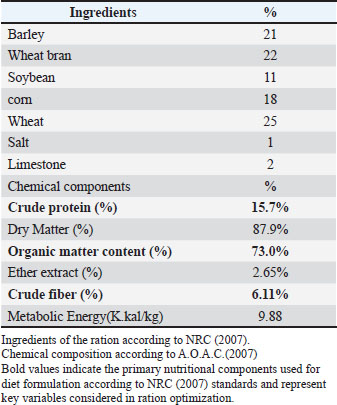
AbstractBackground: Heat stress is a key challenge faced by sheep production in arid/semi-arid areas, with implications for metabolic capacity and function, productivity, and immunity. Nutritional interventions (including the incorporation of bioactive compounds such as β-glucan, vitamin C, and zinc) for adaptive adaptation have been suggested to mitigate stress-related physiological derangements. Aim: This study aimed to undertake a comparative assessment of the beneficial effects of dietary supplementation with β-glucan, vitamin C + zinc, and their combination on productive performance, hematologic and biochemical characteristics, physiological parameters, and hormonal levels of heat-stressed Awassi rams. Methods: Twenty-four adult Awassi rams (1.5 years old; 55 ± 1 kg) were randomly allocated to four treatment protocols, namely, Control, β-glucan (4 g/kg body weight /day), vitamin C + zinc (100 mg + 200 mg/day), and β-glucan + vitamin C + zinc. The summer trial covered 90 days. Laboratory procedures were used to assess productivity traits, hematological indices, biochemical markers, stress physiological measures, and hormone levels. Results: Supplementation was associated with significantly greater efficacy in promoting growth, maintaining hematological morphology, and maintaining biochemical and hormonal balance than the control group. The effect was most pronounced for the combined β-glucan + vitamin C and zinc treatment, with maximal body weight (72.5 ± 1.13 kg), growth rate (26.97 %), feed efficiency (feed conversion ratio 3.13), and increase in the hematological indices (red blood cells 10.73 × 10⁶/µl; white blood cells 10.7 × 10³/µl). Biochemical indices showed reduced glucose, cholesterol, triglycerides, and liver enzymes, as well as elevated protein fractions and antioxidant status. Hormonal analysis showed lower cortisol and increased levels of anabolic hormones (T3, T4, and growth hormone). Taken together, these findings suggest that increased supplementation acts as an interplay tool to improve physiological resilience and overall productivity among heat-stressed Awassi rams by enhancing metabolic efficiency. Conclusion: When β-glucan, vitamin C, and zinc were included, the greatest improvement in growth performance, physiological stability, biochemical status, and hormonal balance was recorded in heat-stressed Awassi rams. Combining these supplements improved metabolic efficiency, immune function, and stress resilience far more than individual treatments alone. Thus, this nutritional strategy is effective in improving the health and productivity of thermally stressed animals. Keywords: β-Glucans, Biochemical traits, Rams, Vit C, Zinc. IntroductionHeat stress is one of the most pressing environmental challenges associated with livestock production in arid and semi-arid environments, particularly in sheep productivity and welfare (Tüfekci and Sejian, 2023). Animals have heightened body temperature and respiratory rate and are subjected to oxidative stress under thermal stress, which together reduces their productive performance and immune function (Salihi and Alsaadi, 2025). Awassi sheep face substantial challenges in terms of improved performance when exposed to high ambient temperatures and when their thermoneutral zone is exceeded (Al-Mafarji and Alsaadi, 2023). The adverse effects of extreme heat stress are reflected in reduced feed intake, deficient nutrient utilization, and the release of free radicals, which cause oxidative damage (Arero and Ozmenm, 2025). These physiological changes have led to reduced growth rates, poor reproduction, and lower product quality, resulting in serious economic losses to sheep farming (Safar and Alsaadi, 2025). Diet supplementation with immunomodulatory and antioxidant products has also been considered an effective approach to alleviate this issue. Beta-glucan, a polysaccharide that originates from cereal grains, yeast, and fungi, has known immunostimulant and antioxidant effects (Bashir and Choi, 2017). In heat-stricken animals, beta-glucan supplementation resulted in better feed intake, decreased rectal temperature, and immune response stimulation Cherdthong et al. (2018). Vitamin C and zinc have also been proven to alleviate heat stress. Although ruminants endogenously synthesize vitamin C, metabolic demand may exceed available synthetic capacity during thermal stress, with plasma concentration reductions of up to 50% (Akinmoladun, 2021). Zinc serves as a cofactor for antioxidant enzymes and is a necessary component of immune function (Kasim, 2023). Vitamin C and zinc synergistically benefit each other, with antioxidant function for zinc as well as immunoprotective benefits (Maggini et al., 2017). Accordingly, this study was set up to make a comparative evaluation of the effect of dietary beta-glucan supplementation and vitamin C-zinc mixture on the productive performance and significant physiological indicators in heat-stressed animals, such as Awassi rams, with the objective of determining the most appropriate dietary solution for the improvement of animal welfare and productivity under the thermal challenge. Materials and MethodsStudy placeThe study was performed at a private sheep farm in the summer period from June to August 2025 (ambient temperatures, 30°C–45°C; relative humidity levels between 20% and 50%, THI exceeds 80–85). The experiment was conducted for 90 days. Ewes were group-housed in similar-sized (ca. 6 × 4 m) semi-open sheds. Each shed was equipped with feeding troughs (approximately 250 × 50 × 25 cm³) and holding tanks for tap water (60 l capacity per group). AnimalsA total of 24 adult rams (1.5 years old and weighing 55 ± 1 kg) were used in this experiment. The rams were offered a concentrate twice daily, in the morning and in the evening (Table 1). The rams were fed, with access to water ad libitum during the trial period; the quantity of concentrate was adjusted weekly according to changes in the animals’ body weight. Table 1. Ingredients and chemical components of the essential ration.
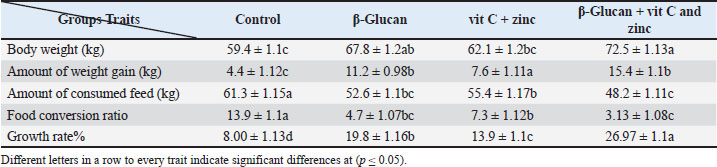
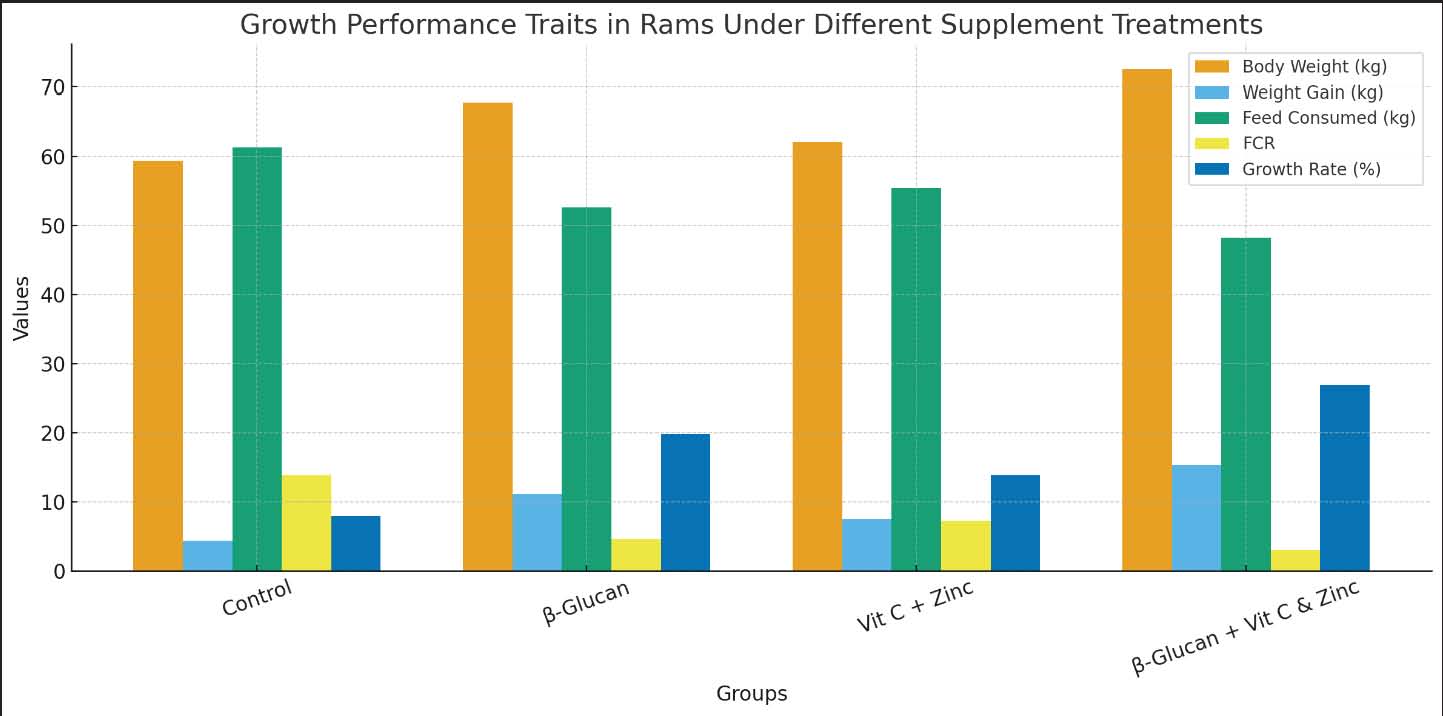
Experimental design and treatmentsTwenty-four rams were randomly distributed into 4 equal groups (6 rams/ group). In the control group, rams were fed a standard concentrated diet without any additive For the first treated group (β-glucan group), rams were dosed daily with 4 mg/ kg of body weight. For the second treated group mixture of (vit C + Zinc): rams were fed daily with 100 + 200 mg. For the third treated group: mixture of (β-glucan + vit C and zinc): rams were fed daily with 4 mg/kg of body weight + 100, 200 mg, respectively Blood samplesAt the end of the experimental period, blood tests were collected from the jugular vein using a sterile 5 ml syringe. Hematological estimations were performed using equipment from Getein Animal Medical, China. Each test of blood was put in test tubes devoid of anticoagulant and centrifuged under standard encompassing conditions for 15 minutes. Serum tests are conducted at the point of collection, accomplished through centrifugation for 15 minutes at a rotational speed of 3,500 rpm. At that point, the tests were separated into the smallest tests and scattered in sterile test tubes. Biochemical parameters were measured within the serum tests standardized strategies: Blood Glucose: Decided spectrophotometrically using the glucose oxidase-peroxidase strategy. Total Protein and Albumin: Evaluated using the Biuret strategy and the BCG dye-binding strategy, respectively. Liver enzymes [Aspartate Aminotransferase (AST) and Alanine Aminotransferase (ALT)]: Measured by kinetic assays based on the proposals of the International Federation of Clinical Chemistry. Lipid Profile (Cholesterol and Triglycerides): Analyzed enzymatically using cholesterol oxidase-peroxidase and glycerol-3-phosphate oxidase procedures, independently. To ensure the exactness and faithful quality of the description, the following measures were executed: Calibration: All tests were calibrated using certified reference materials and standard bends arranged from known concentrations of analytes. Interior Controls: Commercially open control sera (typical and neurotic ranges) were subjected to adjacent tests to determine the degree of precision. Interface- and Intra-Assay Changeability: Coefficients of variation were kept below 5% for all parameters. Instrument upkeep: Ordinary support and execution checks were conducted on spectrophotometers and computerized analyzers. Dazzle reproduces: A subset of tests was analyzed in copy to confirm reproducibility. These conventions followed the rules of the International Council for Harmonization and were conducted in a certifying research setting. Malondialdehyde and glutathione: Blood was drawn from the jugular vein using a heparin-containing tube to determine total antioxidant capacity. Measurements for Malondialdehyde were performed following a revised spectrophotometry technique of the thiobarbituric acid test. Serum glutathione concentrations were assessed using the Ellman reagent approach. Hormonal analysisThe levels of cortisol, triiodothyronin, thyroxine, and growth hormone in serum samples are typically measured by enzyme-linked immunosorbent assay according to the manufacturer’s instructions (AMR-100 Microplate reader, China). Productive triageBodyweight was measured at the beginning and end of the experimental period using a digital calibrated scale. To determine the overall growth performance, the final body weight was recorded for each animal individually. The weight gain was calculated by subtracting the initial body weight from the final body weight for each sheep. The average weight gain for each treatment group was then computed. Feed consumption was recorded daily by measuring the amount of feed offered and the residual feed after 24 hours. The total feed intake over the experimental period was summed for each animal, and the mean was calculated for each group. The feed conversion ratio (FCR) was determined by dividing the total feed intake (Kg) by the total weight gain (Kg) for each sheep, providing an index of feed efficiency. The mean FCR was then calculated for each treatment group. The growth rate percentage was calculated using the following formula: Growth Rate= Physiological vital indicatorsBiophysiological indicators, including body temperature, pulse rate, and breathing rate, were measured for each experimental animal while they were resting in a single cage at the end of each month of the experiment. A digital rectal thermometer was used to obtain the core temperature. This gives a reliable indication of the internal temperature of the animal using a digital rectal thermometer specifically formulated for veterinary use. The readings were taken at a particular time of the day, either in the morning or evening, to rule out diurnal fluctuations and any stress-related interference. Manual palpation using the fingers or a stethoscope for auscultation was used to determine the heart rate. The carotid artery was palpated for a fixed amount of time. These measurements were taken simultaneously with the body temperature measurement under the same conditions. Animal restraint was performed without panic, and the pulse was counted for a full minute to obtain beats per minute (bpm). It is also possible that multiple readings were taken to verify accuracy. Visual observation of the number of flank or chest motions each minute, the breathing rate was noted; no sophisticated equipment was required; the breathing rate was also synchronized with temperature and pulse readings under comparable environmental circumstances. Statistical analysisData were analyzed using a completely randomized design. Before conducting parametric tests, the normality and homogeneity of variance assumptions were verified. The normality of residuals was evaluated using the Shapiro-Wilk test, and the homogeneity of variances was evaluated using Levene’s test. Following confirmation of these assumptions, a one-way analysis of variance (ANOVA) was conducted to determine the significance of differences between treatment groups. Where ANOVA showed significant effects (p ≤ 0.05), Chemical composition was determined according to AOAC (2007). for post hoc pairwise comparisons. A Bonferroni correction was applied to adjust for multiple comparisons and Type I error rates. All statistical analyses were performed using SAS software (version 9.4, SAS Institute Inc., Cary, NC, USA). Ethical approvalThis study was conducted in accordance with the rules of the Animal Ethics Committee, College of Veterinary Medicine, University of Mosul. All trial techniques were approved by the committee (Approval No: UM.VET.2025.115, Date: 15/5/2025). None of the experimental animals were abused or euthanized, and all essential breeding supplies and resources were provided to ensure their welfare during the study period. ResultsProductive traitsThe data in Table 2 and Figure 1 demonstrate that dietary supplementation significantly improved growth performance in adult rams compared with that in the control group (p ≤ 0.05). The combination treatment of β-glucan with vitamin C and zinc achieved superior results across most parameters, including the highest body weight (72.5 ± 1.13 kg), weight gain (15.4 ± 1.1 kg), growth rate (26.97% ± 1.1%), and the most efficient feed conversion ratio (3.13 ± 1.08), while consuming the least amount of feed (48.2 ± 1.11 kg), all showing significant differences from other groups (p ≤ 0.05). Individual supplementation with β-glucan alone also showed notable improvements, particularly in weight gain (11.2 ± 0.98 kg) and growth rate (19.8% ± 1.16%), which were significantly higher than the control (p ≤ 0.05), while vitamin C + zinc produced intermediate results that were also significantly better than the control (p ≤ 0.05) (p ≤ 0.05). In contrast, the control group exhibited the poorest performance, withthe lowest body weight (59.4 ± 1.1 kg), minimal weight gain (4.4 ± 1.12 kg), the lowest growth rate (8.00% ± 1.13%), and the least efficient feed conversion ratio (13.9 ± 1.1), despite consuming significantly more feed (61.3 ± 1.15 kg) than the supplemented groups (p ≤ 0.05). These results indicate that dietary supplementation, particularly the combination treatment, produces synergistic effects that substantially enhance growth performance, feed efficiency, and overall productivity in adult rams (p ≤ 0.05). Table 2. Effect of dietary supplementation with β-glucan, vitamin C, and zinc individually and in combination on growth performance traits in rams (Mean ± SE).
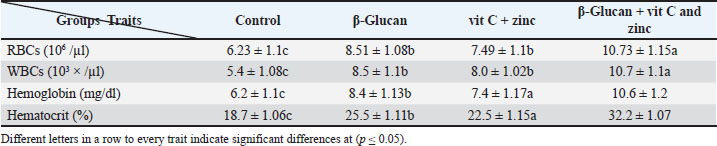
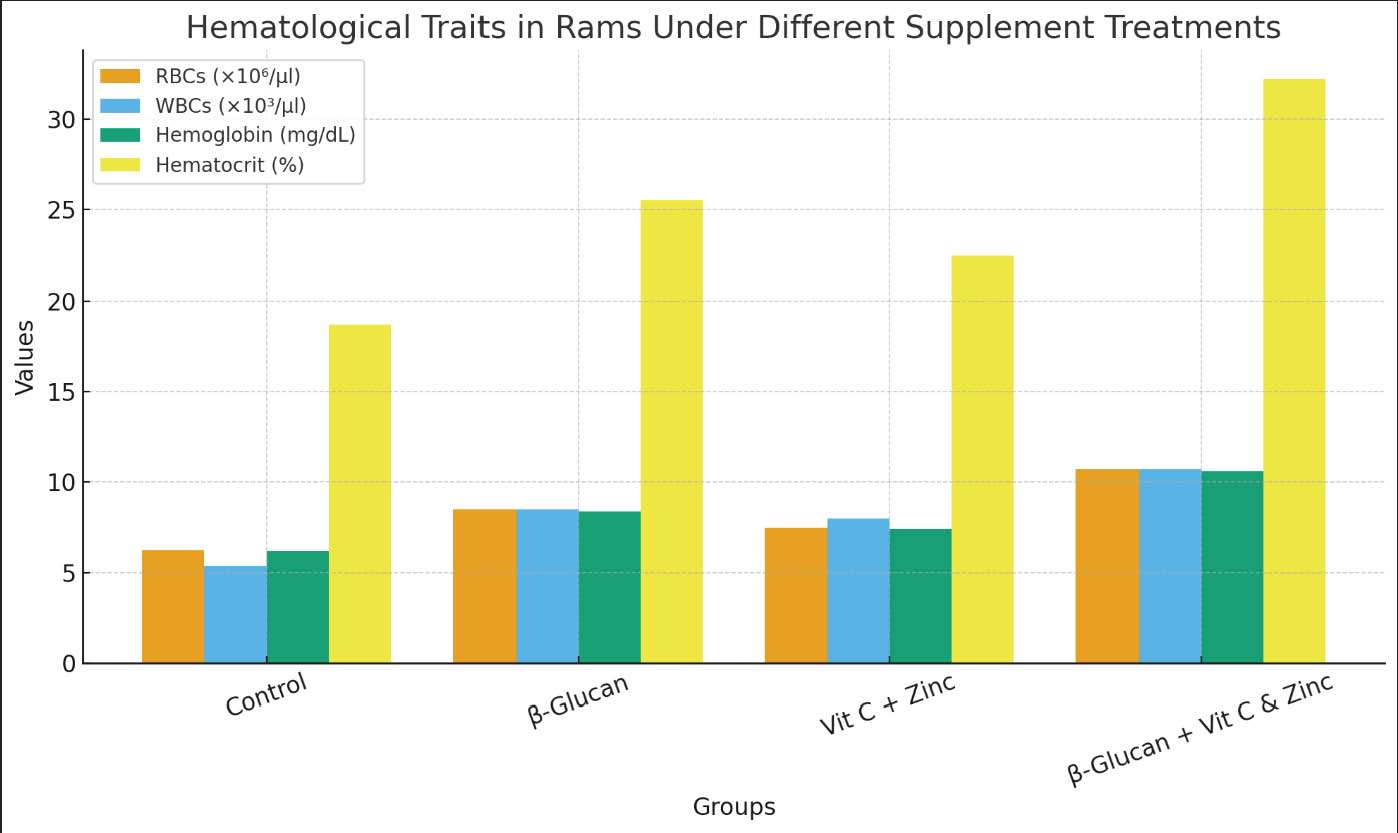
Fig. 1. Effect of dietary supplementation with β-glucan, vitamin C, and zinc individually and in combination, on ram growth performance traits. The data presented in Table 2 and Figure 1 show an obvious and synergistic improvement in the growth performance of rams with dietary supplementation including β-glucan along with vitamin C and zinc combined, which, in this case, has the highest metabolic efficiency. In particular, the sum of the final body weight (72.5 ± 1.13 kg) and total mass gained by the combination rams was significantly higher than that of all other groups (including the β-glucan-alone group, 67.8 ± 1.2 kg and 11.2 ± 0.98 kg, respectively and the combined group produced even greater weight gain than the control (59.4 ± 1.1 kg and 4.4 ± 1.12 kg, respectively). This rapid improvement was, crucially, made possible through increased feed efficiency, not consumption. The combined group had the lowest feed intake (48.2 ± 1.11 kg) and the lowest feed utilization (the best FCR of 3.13 ± 1.08), and was significantly better than that obtained by the very inefficient control (FCR of 13.9 ± 1.1). This negative correlation between feed intake and weight gain represents an important shift in nutrient partitioning and metabolic usage, possibly driven by the synergistic effect of food supplements acting together. β-glucan increases sensitivity to inflammation and supports gut health to reduce inflammation’s metabolic burden and promote nutrient uptake (Singh and Bhardwaj, 2023). Zinc is a critical cofactor of enzymes involved in protein synthesis and cell division (Kiouri et al., 2025). Vitamin C limits the oxidative stress caused by rapid growth and ensures metabolic integrity (Wong et al., 2020). This, in addition to the 26.97% cumulative growth rate of the combination group, which was significantly higher than all the others, confirms the conclusion that these supplements cooperate to relieve energy and nutritional degradation of maintenance and immune problems, to anabolic processes is an informative mechanism of nutrition aimed at the optimization of productivity of ruminant production system (Vetvicka and Vetvickova, 2012; Vetvicka and Vetvickova, 2014). Hematological parametersAs the hematological data in Table 3 indicate, supplementation with β-glucan, vitamin C, and zinc led to significant (p ≤ 0.05) improvements in all measured blood parameters compared with the control group, with the combination being the most significant treatment. The red blood cell count increased very sharply in all treated groups, and the peak in the β-glucan + vitamin C + zinc group (10.73 ± 1.15 × 10⁶/µl) was higher than both the β-glucan and vitamin C + zinc groups and significantly greater than the control (6.23 ± 1.1 × 10⁶/µl). The same pattern was consistent in white blood cells, where the combination treatment had the largest increase (10.7 ± 1.1 × 10³/µl), relative to the control (5.4 ± 1.08 × 10³/µl), with increased immune function. Hemoglobin concentration and hematocrit percentage exhibited the same trend, with the combined supplementation group demonstrating the highest levels (10.6 ± 1.2 mg/dl and 32.2% ± 1.07%, respectively), which were more than all other groups. Table 3. Effect of dietary supplementation with β-glucan, vitamin C, and zinc. Individually and in combination on hematological traits in rams (Mean ± SE).
DiscussionThe findings in Table 3 and Figure 2 clearly indicate that supplementation with dietary β-glucan, vitamin C, and zinc improved the hematological traits in rams, with the combination treatment producing the greatest benefit in all the parameters assessed. The RBC levels rose from 6.23 × 10⁶/μl in control to 10.73 × 10⁶/μl in combination, suggesting that improved erythropoiesis can be attributed to better antioxidant status and access to micronutrients, as vitamin C stimulates iron absorption and hemoglobin production (Hession et al., 2022), zinc facilitates DNA replication and cell division (Mohamed et al., 2025), and β-glucan decreases oxidative stress while influencing immune status (Vetvicka and Vetvickova, 2010; Zhang et al., 2019). In addition, the white cell count almost doubled from 5.4 × 10³/μl to 10.7 × 10³/μl in the combination group, indicating better immune responsiveness related to immunostimulatory activity at the level of β-glucan and Zinc, coupled with the immunological mechanism as well as the protective effect of vitamin C (Vetvicka and Vetvickova, 2012; Vetvicka and Vetvickova, 2014). Hemoglobin concentration changed significantly from 6.2 mg/dl in the control group to 10.2 mg/dl in the combination group; hematocrit increased from 18.7% to 32.2%, indicating increased oxygen delivery capacity and blood volume. The data indicate that multi-nutrient supplementation is synergistically effective in improving erythropoiesis, immune function, hemoglobin synthesis, and hematocrit (higher tissue efficiency, fewer deficiencies, and lower risk factors compared to single-nutrient supplementation, which also significantly assists in promoting overall production level) and ultimately has important implications for optimizing health and productivity in livestock.
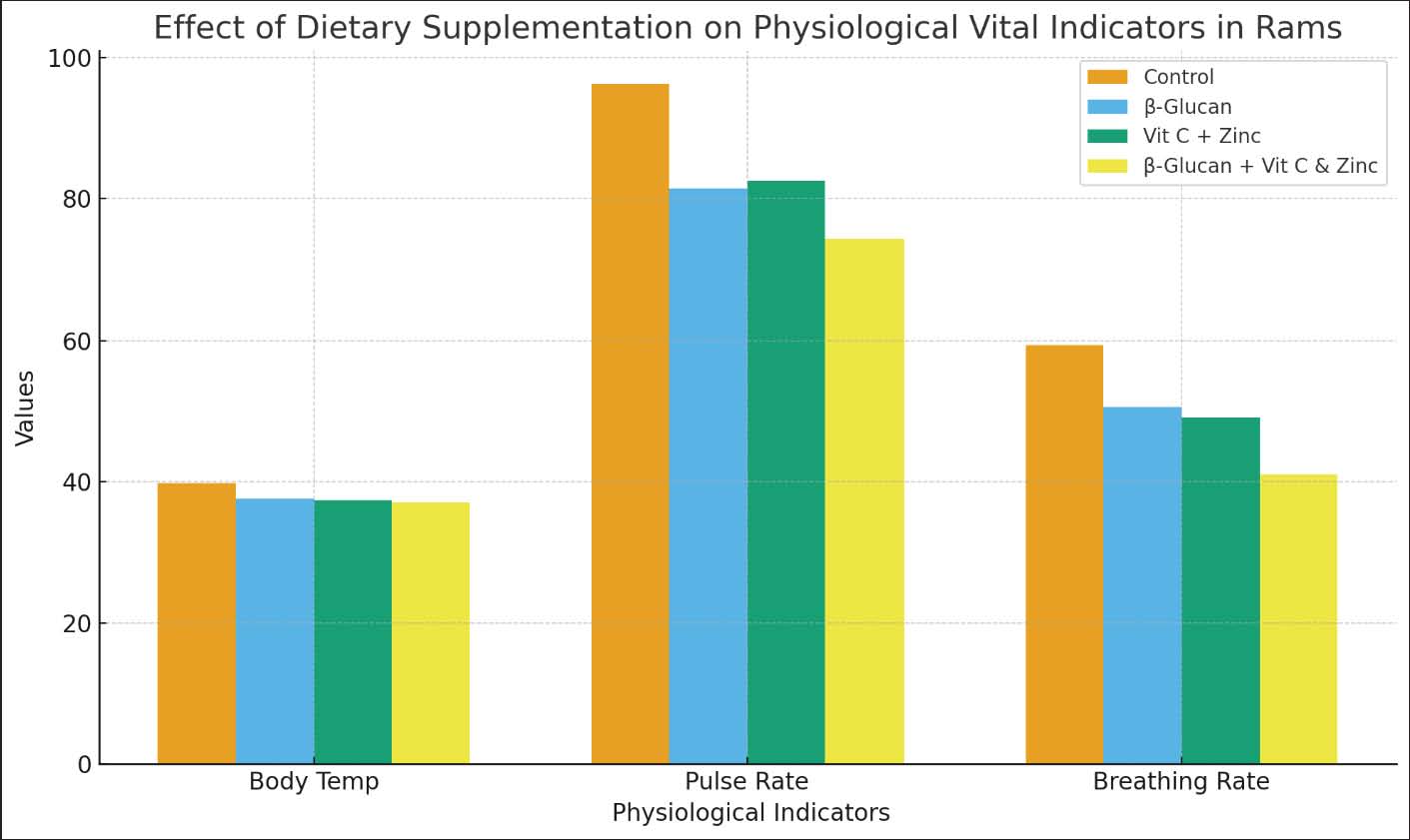
Fig. 2. Effect of dietary supplementation with β-glucan, vitamin C, and zinc individually and in combination, on ram hematological traits. Physiological vital indicatorThe results in Table 4 showed that all three treatment groups had significantly lower physiological stress indices than the control group (p ≤ 0.05). The Control group exhibited the highest body temperature at 39.85°C ± 1.07°C, pulse rate at 96.22 ± 1.1 beats/minute, and breathing rate at 59.34 ± 1.05 cycles/minute, respectively, all indicating elevated heat stress. The combination of β-glucan + vit C and zinc received the highest degree of treatment response [Body temperature—37.12°C ± 1.1°C (2.73°C reduction), Pulse Rate—74.25 ± 1.17 beats/minute (22 beats/minute reduction), Breathing Rate— 41.05 ± 1.05 cycles/minute (18.3 cycles/minute reduction)], while the three treatment groups had no significant differences in body temperature level but showed significantly lower pulse and breathing rate outcomes as compared to the individual glucan + vit C + zinc treatment group. The individual treatments β-glucan and vit C + zinc yielded intermediate effects: reduction in body temperature to around 37.4°C–37.6°C, pulse rates to 81–83 beats/minute, and breathing rates to 49–51 cycles/minute. The combined supplementation showed a consistent synergistic effect on all the thermal state indicators in Awassi rams, with significantly superior physiological stability in the supplemented groups relative to the control groups. Table 4. Effect of dietary supplementation with β-Glucan, vitamin C, and zinc. Individually and in combination on physiological vital indicators in rams (Mean ± SE).
The statistics in Table 4 and Figure 3 indicate remarkable physiological responses to dietary supplementation with β-glucan, vitamin C, and zinc for rams with significant response patterns. Furthermore, the mean body temperature in the control group (39.85°C) was in agreement with the physiological thermoregulation of ruminants, whereas the three supplementation groups demonstrated significant reductions in body temperature (p ≤ 0.05), ranging from 37.12°C to 37.4°C, with the combination treatment (β-glucan + vitamin C & zinc) providing a larger response to hypothermia (37.12°C), which might represent metabolic capacity or thermal moderation. Pulse rate showed a strong dose-response relationship (highest 96.22 beats/minute in the control group), and the increasing severity in rates between β-glucan (81.48 beats/minute), vitamin C + zinc (82.58 beats/minute), and combination treatment (74.25 beats/minute) is indicative of cardiovascular stability and oxygen utilization efficiency in ruminants. Breath rates in the other treatment group showed an additional decrease compared to the control value of 59.34 respiratory cycles/minute to 41.05 cycles/minute for the combo treatment group, and each individual supplement was an intermediate reduction point at 50.61 and 49.13 cycles/minute, respectively, also suggesting improved respiratory efficiency and decreased metabolic effort as opposed to the control type. The synergism demonstrated in the combined treatment was extraordinary, suggesting that β-glucan + vitamin C and zinc exerted the highest physiological effect for three primary signals with similar results, confirming the synergistic effects of those compounds, where the immunomodulatory action of β-glucan and vitamin C and zinc-related antioxidant and zinc-dependent enzymatic actions contribute to the generation of the two mediators and reinforcing the physiological stability and stress response (Wintergerst et al., 2006; Barros et al., 2014). Combined, the evidences establish the picture of feeding supplement of the diet with feed (mainly combined) that contributes to the establishment of more physiological stability and might also play a role in retaining metabolic function of the animal, enhancing respiratory and cardiovascular function in fed animals (Yamamoto et al., 2020). These physiological improvements are consistent with previous findings under heat stress conditions (Elnageeb and Abdelatif, 2013).
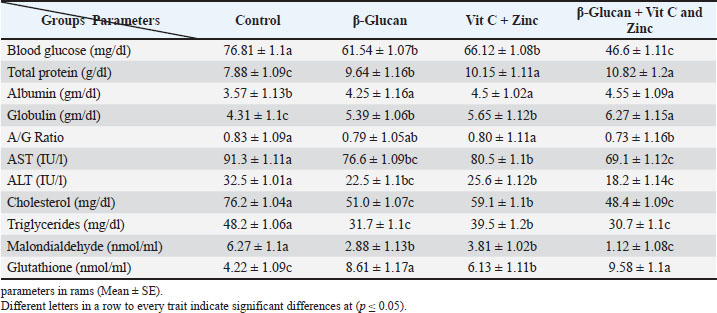
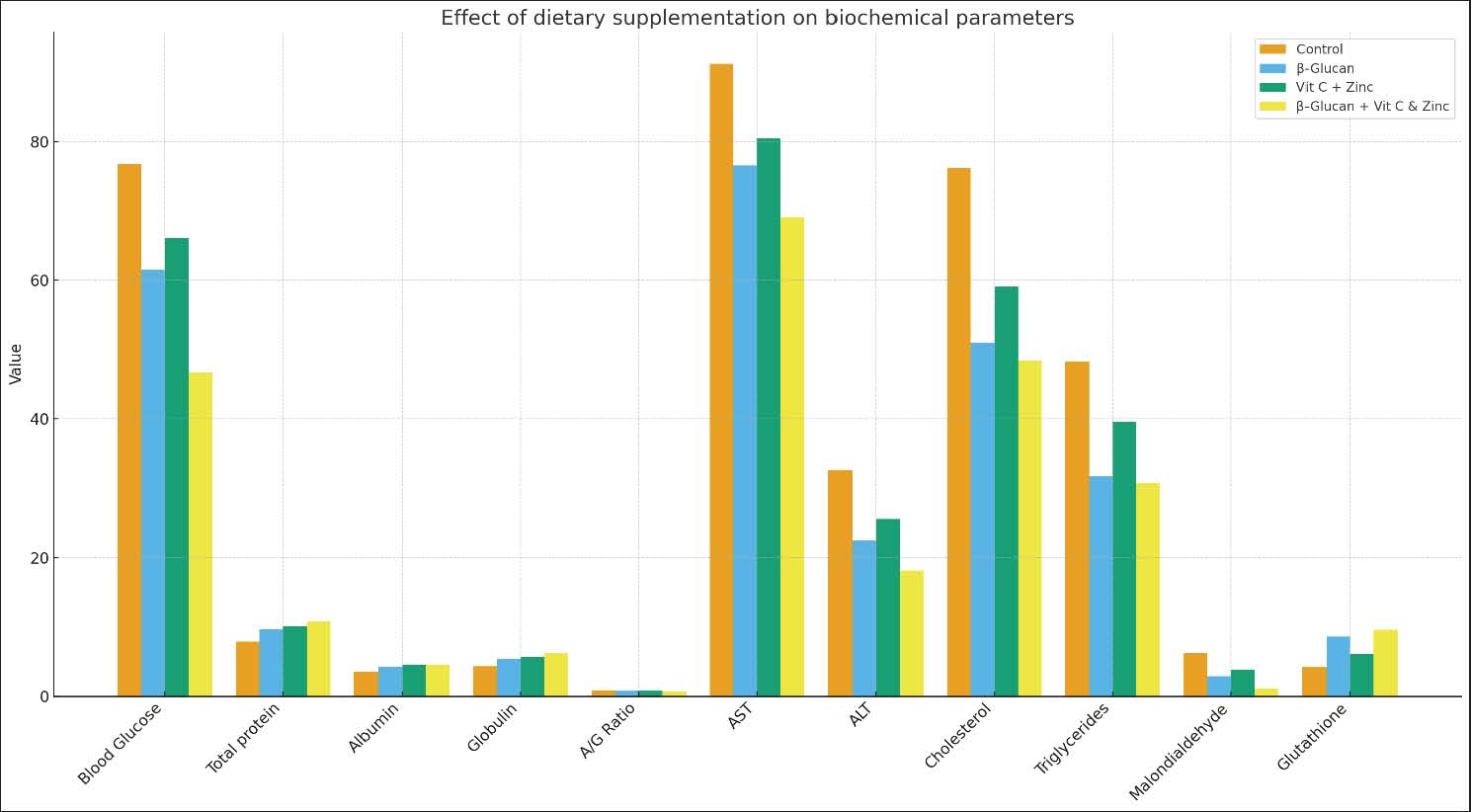
Fig. 3. Effect of dietary supplementation with β-glucan, vitamin C, and zinc on physiological vital indicators in rams. Biochemical parametersIn Table 5 and Figure 4, the combination of β-glucan, vitamin C, and zinc resulted in a significant (p ≤ 0.05) effect on all identified biochemical parameters when compared with the control group. Blood glucose levels were significantly reduced in all treated groups, whereas the β-glucan + Vit C & Zinc group showed the greatest decrease. The total protein, albumin, and globulin values significantly increased after treatment, and high protein fractions were found after combined treatment. The A/G ratio revealed slight differences but remained similar across groups. Liver enzymes (AST and ALT) showed large decreases in all groups, especially in the combined-treatment group, suggesting better hepatic status. Serum cholesterol and triglycerides also decreased significantly in all treatments, and the β-glucan + Vit C & Zinc group showed the most rapid reduction in plasma levels. Oxidative stress markers were significantly reduced: malondialdehyde decreased significantly in all treated groups, with the lowest level in the combination therapy group, whereas glutathione levels increased in line with the combination therapy group, with the greatest level found in the combination therapy group. Overall, the β-glucan + Vit C + Zinc combination had the most significant positive effect on biochemical, lipid-related, and antioxidant indices, and was followed by β-glucan alone and Vit C + Zinc. Table 5. Effect of dietary supplementation with β-glucan, vitamin C, and zinc individually and in combination on some biochemical
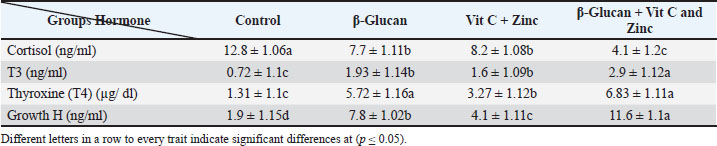
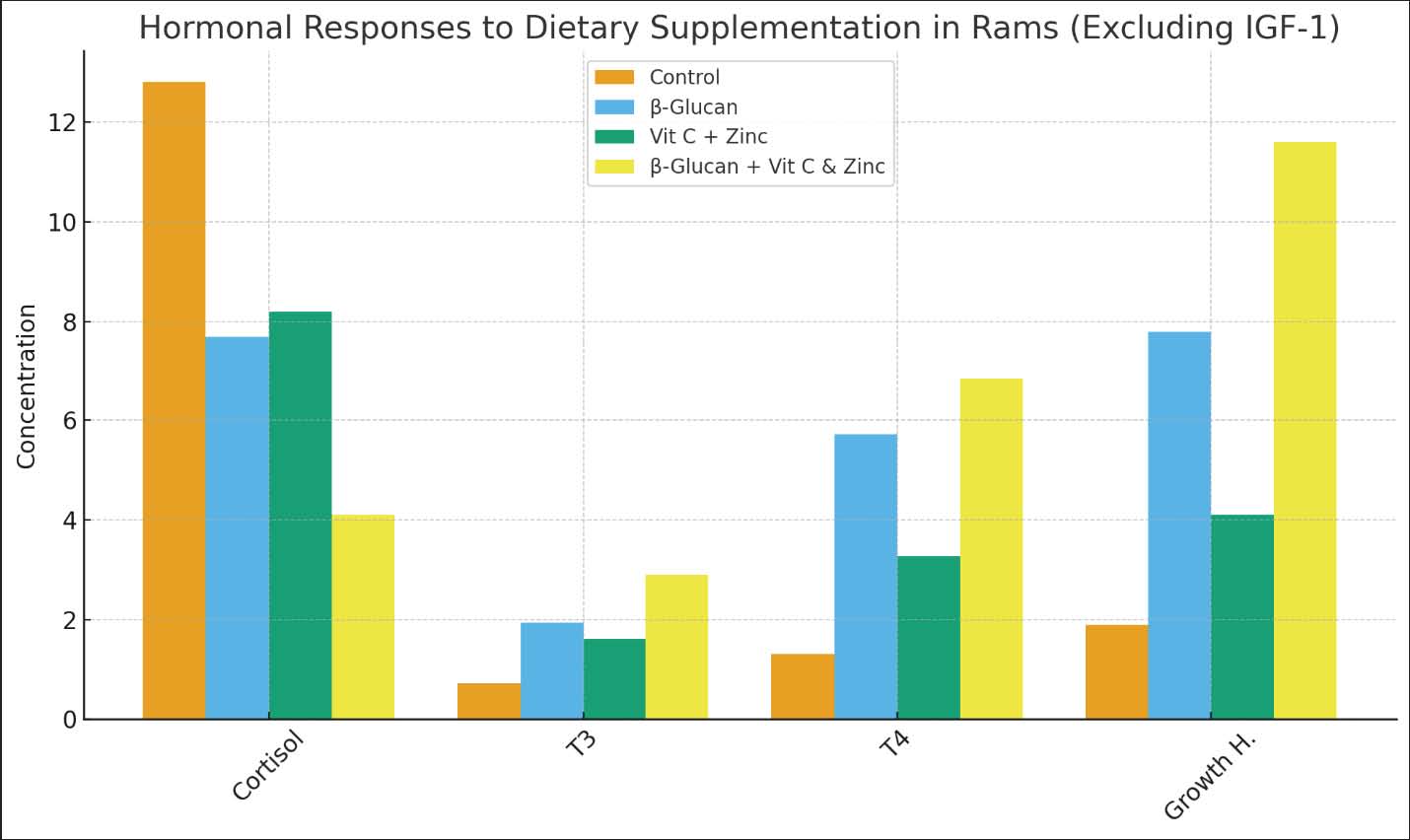
Fig. 4. Effect of dietary supplementation with β-glucan, vitamin C, and zinc on biochemical parameters. Collectively, the results suggest that the combined application of β-glucan, vitamin C with zinc, and combined treatment resulted in synergistic and physiologic effects on the metabolic, hepatic, and antioxidant levels. The corresponding reduction of blood glucose in each supplemented group suggests enhanced levels of glucose-mediated glycemic control, which may be due to improved insulin sensitivity, altered glucose uptake, and minimized oxidative stress. These mechanisms are closely related to β-glucan's soluble fiber properties and antioxidant activities (Edison et al., 2022). Notably, the remarkable elevation in total protein, albumin, and globulin also indicates a better protein metabolism and perhaps an amplified hepatic synthetic activity, where the joint treatment had the most significant effect and implies the roles of the immunomodulatory effects of β-glucan and of micronutrient support by vitamin C and zinc might be combined (Kim et al., 2012; Ząbek et al., 2013; Chen et al., 2024). Liver enzyme activity (AST and ALT) significantly decreased in all treatment groups, indicating hepatoprotective properties. This decrease is consistent with the potential benefits of β-glucan to reduce inflammation and oxidative injury and vitamin C and zinc on membrane stabilization and enzyme protection (Ranjan et al., 2012; Solaiman and Min, 2019; Jaeger et al., 2024). The decreased cholesterol and triglyceride levels imply enhanced lipid metabolism, which may be attributed to β-glucan as a bile acid-binding agent and as a decrease in lipid absorption, and the antioxidant-mediated increase in lipid utilization promoted by vitamin C and zinc (McRae, 2008; Ranjan et al., 2012; Sima et al., 2018). The combined group presented the most significant improvement, again showing the highest level of cumulative or synergistic response. Similar metabolic improvements have been reported in recent studies (Liu et al., 2025). The oxidative stress markers are the underlying biochemical enhancements that contribute to the mechanistic explanation for many of these results. Malondialdehyde, a highly reliable index of lipid peroxidation, significantly decreased in all treatments, and the greatest magnitude of decrease was observed in the combined group (Chen et al., 2024). This coincides with a simultaneous surge in glutathione, one of the body’s most powerful endogenous antioxidants. The increased glutathione levels indicate that the supplemented substances not only decreased oxidative damage but also enhanced the endogenous antioxidant defense mechanism. β-glucan can have an immune-antioxidant pathway (Guo et al., 2019), but vitamin C and zinc are also essential components that contribute to the recycling of glutathione and antioxidant enzymes, which would be responsible for the strong response of these two agents when used together (Değer et al., 2008; Naji, 2017). Overall, evidence suggests that while both treatments confer significant metabolic, hepatic, and antioxidant benefits independently, the synergistic effect of the β-glucan-Vitamin C and zinc treatment was the most significant and pronounced in all patients. In sum, this hints at a synergy that may improve physiological resilience, attenuate oxidative stress, and allow for a more homeostatic metabolism. These antioxidant effects are supported by previous studies highlighting the role of micronutrients in oxidative balance (Ranasinghe et al., 2015). Hormonal parametersTable 6 and Figure 5 show that among the measured hormones, significant differences between different treatments were found in the dietary supplementation study (p ≤ 0.05). All treatment groups had significantly lower cortisol levels compared to control (12.8 ± 1.06 ng/ml), with the combined β-glucan +Vit C & Zinc treatment having the greatest effect (4.1 ± 1.2 ng/ml), followed by β-glucan alone (7.7 ± 1.11 ng/ml) and Vit C+ Zinc (8.2 ± 1.08 ng/ml). Triiodothyronine (T3) values were high in the supplemented groups, with combined treatment results (2.9 ± 1.12 ng/ml) and β-glucan alone results (1.93 ± 1.14 ng/ml) significantly higher than in the control group (0.72 ± 1.1 ng/ml). Similarly, thyroxine (T4) levels were predominantly elevated, especially with the combined treatment (6.83 ± 1.11 μg/dl) and β-glucan alone (5.72 ± 1.16 μg/dl) compared with control (1.31 ± 1.1 μg/dl). The greatest differences in growth hormone concentrations could be detected with combined treatments (11.6 ± 1.1 ng/ml), considerably larger than by β-glucan (7.8 ± 1.02 ng/ml), Vit C+Zinc (4.1 ± 1.11 ng/ml), and control (1.9 ± 1.15 ng/ml). Broadly, these findings suggest that the best hormonal profile was developed during the combined administration of β-glucan, vitamin C, and zinc, in which stress indicators were lowered but anabolic hormone levels were increased. Table 6. Effect of dietary supplementation with β-glucan, vitamin C, and zinc on some hormonal parameters in rams (Mean ± SE).
Fig. 5. Effect of dietary supplementation with β-glucan, vitamin C, and zinc on some hormonal parameters individually and in combination. These results reveal the strong modulatory effects of dietary supplementation of β-glucan, vitamin C, and zinc on metabolic parameters found in rams, and the synergetic effects of the combined treatment across several endocrine axes. The extensive reduction in cortisol levels found in the supplemented groups (4.1 ± 1.2 ng/ml vs. 12.8 ± 1.06 ng/ml in controls) indicates that the combined treatment has excellent stress-protecting effects. β-glucan suppresses the stress response in the body by stimulating the innate immune system’s pattern recognition (Franco Montoya et al., 2017). Vitamin C, an important cofactor in adrenal steroidogenesis, suppresses Hypothalamic-Pituitary-Adrenal (axis) axis stimulation (Patani et al., 2023). Zinc mediates the sensitivity of the glucocorticoid receptor and HPA function (Takeda et al., 2016). The combination of treatments demonstrated a synergistic effect that could imply synergistic actions for regulating stress pathways, defense of immune system function, and antioxidant performance. The marked elevation of thyroid hormone in the supplemented groups showed increased metabolic activity. Total treatment led to the highest T3 (2.9 ± 1.12 ng/ml) and T4 (6.83 ± 1.11 μg/dl) values, and a four- and fivefold difference was observed when compared to controls. Zinc is required for the conversion of T4 into bioactive T3 by type I deiodinase (Severo et al., 2019). Vitamin C protects thyroid tissue against oxidative damage resulting from hormone synthesis (Kobeisy et al., 1997), while β-glucan lowers the production of inflammatory cytokines that inhibit thyroid activity (Chen et al., 2024). Supplementations that simultaneously manage multiple nutritional cofactors are more effective in promoting thyroid hormone synthesis. High amounts of GH are observed in combination (11.6 ± 1.1 ng/ml), indicating increased anabolic activity (Rodriguez et al., 2021). Decreased cortisol levels are linked to GH secretion because glucocorticoids inhibit GH release. Improved thyroid status enhances GH gene expression. Zinc acts as a cofactor of GH-regulating transcription factors, and vitamin C contributes to the production of IGF-1 via hepatocyte protection (Imamoğlu et al., 2005). The synergistic elevation of GH and thyroid hormones implies full body somatotropic axis activation, which is important for growth, protein accumulation, and reproductive performance (Mohamed et al., 2019). The superior effects of the added treatment indicate synergy rather than complementarity of nutrients (Denny-Brown et al., 2012). This could reflect closely linked metabolic pathways: vitamin C regenerates oxidized zinc-binding proteins, zinc promotes vitamin C utilization, and β‐glucan enhances mineralized bioavailability through intestinal homeostasis (Broadway et al., 2015). The immune-boosting effects of beta-glucan may also decrease subclinical inflammation and hormone synthesis (Inzaghi et al., 2022). The observed hormonal profile of decreased cortisol with high thyroid hormone and somatotropic axis activity is a sign of a transition toward anabolic metabolism that promotes protein synthesis, immune resistance, and reproductive function (Kraemer et al., 2020). The chronic elevation of cortisol underlies immunosuppression and muscle degradation in ruminants and high levels of thyroid hormones and GH for efficient nutrient partitioning (Gouvêa et al., 2022). These results indicate that multi-micronutrient fortification is more potent in ram production systems and when multiple stressors are applied compared to only a single nutrient intervention. Future investigations should be performed to examine the dose-response relationship, optimal length, and overall effect with respect to other physiological states for the development of targeted nutrition interventions. ConclusionDietary supplementation involving β-glucan, vitamin C, and zinc (especially in combination) substantially enhances productive performance, hematological and biochemical profile, physiological stability, and hormonal balance of heat-stressed Awassi rams. The synergistic effects of β-glucan’s immunomodulatory effects and the antioxidant and metabolic activities of vitamin C and zinc were maximal for the combination treatment (with the enhancement of nearly all measured parameters). This synergy resulted in reduced oxidative stress, enhanced endocrine function, nutrient utilization, and enhanced growth efficiency. This marked reduction in cortisol and improvement in thyroid and growth hormone levels highlight the potential of these supplements to alleviate the physiological strain caused by high ambient temperature features. It is believed that β-glucan, along with vitamin C and zinc, is an effective nutritional strategy for increased resilience, health, and productivity in sheep subjected to thermal stress. Future investigations may determine optimal dosing approaches, the extent of long-lasting effects, and applications in various physiological states or environmental conditions. AcknowledgmentsThe author expresses her sincere appreciation to everyone and all personnel from various institutions who contributed to the successful completion of this project. Conflict of interestThe author declares no conflicts of interest. FundingNone. Authors' contributionsOne author contributed to this manuscript, reviewed, and approved the final version. Data availabilityAll information is included in the manuscript. ReferencesAkinmoladun, O.F. 2021. Stress reduction potential of vitamin C in ruminants: a review. Trop. Anim. Health Prod. 54(1), 24. Ali Naji, H. 2017. The effect of zinc and copper deficiency on hematological parameters, oxidative stress and antioxidants levels in the sheep. Bas. J. Vet. Res. 16, 344–355. Al-Mafarji, D.A.T. and Alsaadi, S.A.A. 2023. The physiological effect of different types of water used to thermally stressed ewes during the summer season. IOP Conference Series: Earth and Environmental Science, Iraq, University of Kufa, Vol. 1262(7), p 72061. AOAC. 2007. Official Analysis Method 17 th ed. Washington, D.C.: Academic Press, pp: 275–293. Arero, G.B. and Ozmen, O. 2025. Effects of heat stress on reproduction and gene expression in sheep. Anim. Reprod. 22(1), e20240067. Barros, M.M., Falcon, D.R., Orsi, R.O., Pezzato, L.E., Fernandes, A.C., Jr.., Guimaraes, I.G., Fernandes, A., Jr.., Padovani, C.R. and Sartori, M.M.P. 2014. Non-specific immune parameters and physiological response of Nile tilapia fed beta-glucan and vitamin C for different periods and submitted to stress and bacterial challenge. Fish Shellfish Immunol. 39(2), 188–195. Bashir, K.M. and Choi, J.S. 2017. Clinical and Physiological Perspectives of β-Glucans: the Past, Present, and Future. Int. J. Mol. Sci. 18(9), 1906. Broadway, P., Carroll, J. and Sanchez, N. 2015. Live yeast and yeast cell wall supplements enhance immune function and performance in food-producing livestock: a review. Microorganisms 3, 417–427. Chen, H., Liu, S., Li, S., Li, D., Li, X., Xu, Z. and Liu, D. 2024. Effects of yeast culture on growth performance, immune function, antioxidant capacity and hormonal profile in Mongolian ram lambs. Front. Vet. Sci. 11, 1. Cherdthong, A., Seankamsorn, A., Suriyapha, C., Chanjula, P. and Wanapat, M. 2018. Effect of beta-glucan supplementation on feed intake, digestibility of nutrients and ruminal fermentation in Thai native beef cattle. J. Anim. Physiol. Appl. Nutr. 102(6), 1509–1514. Değer, Y., Ertekin, A., Değer, S. and Mert, H. 2008. Lipid peroxidation and antioxidant potential of sheep liver infected naturally with distomatosis. Turkiye. Parazitol. Derg. 32(1), 23–26. Denny-Brown, S., Stanley, T.L., Grinspoon, S.K. and Makimura, H. 2012. The association of macro- and micronutrient intake with growth hormone secretion. Growth Hormone & IGF. Res. Off. J. Growth Hormone Res. Soc. Int. IGF. Res. Soc. 22(3-4), 102–107. Edison, L.K., Ragitha, V.M. and Pradeep, N.S. 2022. Beta-glucanases in animal nutrition.In Microbial beta glucanases. Interdisciplinary Biotechnological Advances. Eds., Pradeep, N. and Edison, L.K. Springer; doi: 10.1007/978-981-19-6466-4_5 Elnageeb, M.E. and Abdelatif, A.M. 2013. Growth, thermoregulation, and hematological responses of lambs in relation to age and maternal nutritional supplementation. J. Biol. Sci. 13, 323–331. Franco Montoya, L.N., Martins, T.P., Gimbo, R.Y., Zanuzzo, F.S. and Urbinati, E.C. 2017. Β-Glucan-induced cortisol levels improve the early immune response in matrinxã (Brycon amazonicus). Fish. Shellfish. Immunol. 60, 197–204. Gouvêa, V.N., Cooke, R.F. and Marques, R.S. 2022. Impacts of stress-induced inflammation on feed intake of beef cattle. Front. Anim. Sci. 3, 962748. Guo, W., Gu, X., Tong, Y., Wang, X., Wu, J. and Chang, C. 2019. Protective effects of mannan/β-glucans from yeast cell wall on the deoxynivalenol-induced oxidative stress and autophagy in IPEC-J2 cells. Int. J. Biol. Macromolomics. 135, 619–629. Hession, D.V., Loughrey, J., Kendall, N.R., Hanrahan, K. and Keady, T.W.J. 2022. Mineral and vitamin supplementation on sheep farms: a survey of practices and farmer knowledge. Translational. Anim. Sci. 6(1), 26. Imamoğlu, S., Bereket, A., Turan S Taga. and Haklar, G. 2005. Effect of zinc supplementation on growth hormone secretion, IGF-I, IGFBP-3, somatomedin generation, alkaline phosphatase, osteocalcin and growth in prepubertal children with idiopathic short stature. JPEM 18(1), 69–74. Inzaghi, E., Pampanini, V., Deodati, A. and Cianfarani, S. 2022. The effects of nutrition on linear growth. Nutrients 14(9), 1752. Jaeger, J.W., Brandt, A., Gui, W., Yergaliyev, T., Hernández-Arriaga, A., Muthu, M.M., Edlund, K., Elashy, A., Molinaro, A., Möckel, D., Sarges, J., Halibasic, E., Trauner, M., Kahles, F., Rolle-Kampczyk, U., Hengstler, J., Schneider, C.V., Lammers, T., Marschall, H.U., Von Bergen, M., Camarinha-Silva, A., Bergheim, I., Trautwein, C. and Schneider, K.M. 2024. Microbiota modulation by dietary oat beta-glucan prevents steatotic liver disease progression. JHEP. Rep. 6(3), 100987. Kasim, H.W. 2023. The effect of Saccharomyces cerevisiae yeast enriched with Selenium and zinc on some physiological traits and milk production of female shami goats. AJDFR 123, 324. Kim, J.H., Mamuad, L.L., Yang, C.J., Kim, S.H., Ha, J.K., Lee, W.S., Cho, K.K. and Lee, S.S. 2012. Hemato-biochemical and cortisol profile of Holstein growing-calves supplemented with vitamin C during summer season. Asian-Australas. J. Anim. Sci. 25(3), 361–368. Kiouri, D.P., Chasapis, C.T., Mavromoustakos, T., Spiliopoulou, C.A. and Stefanidou, M.E. 2025. Zinc and its binding proteins: essential roles and therapeutic potential. Arch. Toxicol. 99(1), 23–41. Kobeisy, M.A., Salem, I.A., Zenhom, M. and Hayder, M. 1997. The effect of giving ascorbic acid on some physiological and hematological parameters of suckling lambs exposed to solar radiation and exercise. Assiut Vet. Med. J. 37(73), 120–132. Kraemer, W.J., Ratamess, N.A., Hymer, W.C., Nindl, B.C. and Fragala, M.S. 2020. Growth hormone, testosterone, insulin-like growth factors and cortisol: roles and integration for cellular development and growth with exercise. Front. Endocrinol. (Lausanne). 11, 33. Liu, S., Ma, J., Yang, L., Chen, H., Li, X., Du, R., Xue, C. and Liu, D. 2025. Effects of compound yeast culture on growth performance, antioxidant function and inflammatory factors of Hu sheep. Front. Vet. Sci. 12, 1674231. Maggini, S., Maldonado, P., Cardim, P., Newball, C.F. and Sota Latino, E.R. 2017. Vitamins C, D and zinc: synergistic roles in immune function and infections. Vitamines. &. Minerals. 6, 167. McRae, M.P. 2008. Vitamin C supplementation lowers serum low-density lipoprotein cholesterol and triglycerides: a meta-analysis of 13 randomized controlled trials. J. Clin. Nutr. 7(2), 48–58. Mohamed, A., Eissa, A., Gouda, S. and Ali, A. 2025. Hematological, biochemical, and antioxidant status in sheep with skin disorders suffering from zinc, copper, and vitamin A deficiencies. Open. Vet. J. 15(8), 3527–3540. Mohamed, M.Y., Abdel-Hafeez, A.M., El-Banna, M.K. and Zahed, S.M. 2019. Predicting the productive and reproductive performance of Egyptian Baladi calves as a response to growth rate associated with growth hormone level. Assiut Vet. Med. J. 65(163), 74–86. NRC, 2007. Nutrient requirements of small ruminants: Sheep, goats, cervids, and camelids of the New World. National Academy Press, pp: 384. Patani, A., Balram, D., Yadav, V.K., Lian, K.Y., Patel, A. and Sahoo, D.K. 2023. Harnessing the power of nutritional antioxidants against adrenal hormone imbalance-associated oxidative stress. Front. Endocrinol. 14, 1–20. Ranasinghe, P., Wathurapatha, W.S., Ishara, M.H., Jayawardana, R., Galappatthy, P., Katulanda, P. and Constantine, G.R. 2015. Effects of zinc supplementation on serum lipids: a systematic review and meta-analysis. Nutr. Metab. 12, 26. Ranjan, R., Ranjan, A., Dhaliwal, G.S. and Patra, R.C. 2012. L-Ascorbic acid (vitamin C) supplementation to optimize health and reproduction in cattle. Vet. Quart. 32(3–4), 145–150. Rodriguez, J.A.M., Bifano, M., Roca Goma, E., Plasencia, C.M., Torralba, A.O., Font, M.S. and Millán, P.R. 2021. Effect and tolerability of a nutritional supplement based on a Synergistic Combination of β-Glucans and Selenium- and Zinc-enriched Saccharomyces cerevisiae (ABB C1®) in volunteers receiving the influenza or the COVID-19 vaccine: a randomized, double-blind, placebo-controlled study. Nutrients 13(12), 4347. Safar, T.S. and Alsaadi, S.A.R. 2025. Physiological impact of an aqueous solution of Spirulina algae with or without folic acid on local awassi ewes within medium and late pregnancy stages and indicators of growth in newborn lambs. Egypt. J. Vet. Sci. 56(7), 1541–1545. Salihi, A. and Alsaadi, S. 2025. Effect of Spirulina algae powder and folic acid on some physiological parameters during the early stages of pregnancy local ewe’s pregnancy in the summer. Egypt. J. Vegetation. Sci. 56(7), 1507–1512. Severo, J.S., Morais, J.B.S., De Freitas, T.E.C., Andrade, A.L.P., Feitosa, M.M., Fontenelle, L.C., De Oliveira, A.R.S., Cruz, K.J.C. and Marreiro D do. 2019. The role of zinc in thyroid hormones metabolism. Int. J. Vitam. Nutr. Res. 89(1–2), 80–88. Sima, P., Vannucci, L. and Vetvicka, V. 2018. Β-glucans and cholesterol (Review). Int. J. Mol. Med. 41(4), 1799–1808. Singh, R.P. and Bhardwaj, A. 2023. Β-glucans: a potential source for maintaining gut microbiota and the immune system. Front. Nutr. 10, 1143682. Solaiman, S.G. and Min, B.R. 2019. The effect of high levels of dietary zinc on growth performance, carcass characteristics, blood parameters, immune response and tissue minerals in growing Boer-cross goat kids. Small. Ruminant. Res. 177, 167–174. Takeda, A., Tamano, H., Nishio, R. and Murakami, T. 2016. Behavioral abnormality induced by enhanced hypothalamo-pituitary-adrenocortical axis activity under dietary zinc deficiency and its usefulness as a model. Int. J. Mol. Sci. 17(7), 1149. Tüfekci, H. and Sejian, V. 2023. Stress factors and their effects on productivity in sheep. Animals 13(17), 2769. Vetvicka, V. and Vancikova, Z. 2010. Anti-stress action of several orally-given β-glucans. Biomed. Papers Med. Fac. Univ. Palacky. Olomouc Czechoslovakia. 154(3), 235–238. Vetvicka, V. and Vetvickova, J. 2012. Combination of Glucan, Resveratrol and Vitamin C demonstrates strong antitumor potential. Anticancer Res. 32(1), 81–87. Vetvicka, V. and Vetvickova, J. 2014. Anti-stress action of an orally-given combination of resveratrol, β-glucan, and vitamin C. Molecules 19(9), 13724–13734. Wintergerst, E.S., Maggini, S. and Hornig, D.H. 2006. Immune-enhancing role of vitamin C and zinc and effect on clinical conditions. Ann. Nutr. Metab. 50(2), 85–94. Wong, S.K., Chin, K.Y. and Ima-Nirwana, S. 2020. Vitamin C: a review on its role in the management of metabolic syndrome. Int. J. Med. Sci. 17(11), 1625–1638. Yamamoto, F.Y., Castillo, S., De Cruz, C.R., Chen, K., Hume, M.E. and Gatlin, D.M. 2020. Synergistic effects of the β-1,3 glucan paramylon and vitamin C on immunological responses of hybrid striped bass (Morone chrysops × M. saxatilis) were pronounced in vitro but more moderate in vivo. Aquaculture 526, 735394. Ząbek, K., Milewski, S., Wójcik, R. and Siwicki, A.K. 2013. Effect of β-1,3/1,6-D-glucan in diet on productivity and humoral and cellular defense mechanisms in sheep. Acta Veterinaria Brno 82(2), 141–146. Zhang, M., Jin, X. and Yang, Y.F. 2019. Β-Glucan from Saccharomyces cerevisiae induces SBD-1 production in ovine ruminal epithelial cells via the Dectin-1-Syk-NF-κB signaling pathway. Cell. Signaling. 53, 304–315. | ||


| How to Cite this Article |
| Pubmed Style Hanan Waleed Kasim Agwaan. A comparative study of the productive and physiological effect of betaglucan and mixture of vitamin C with zinc in heat-stressed Awassi sheep. Open Vet. J.. 2026; 16(5): 2722-2734. doi:10.5455/OVJ.2026.v16.i5.15 Web Style Hanan Waleed Kasim Agwaan. A comparative study of the productive and physiological effect of betaglucan and mixture of vitamin C with zinc in heat-stressed Awassi sheep. https://www.openveterinaryjournal.com/?mno=301862 [Access: June 26, 2026]. doi:10.5455/OVJ.2026.v16.i5.15 AMA (American Medical Association) Style Hanan Waleed Kasim Agwaan. A comparative study of the productive and physiological effect of betaglucan and mixture of vitamin C with zinc in heat-stressed Awassi sheep. Open Vet. J.. 2026; 16(5): 2722-2734. doi:10.5455/OVJ.2026.v16.i5.15 Vancouver/ICMJE Style Hanan Waleed Kasim Agwaan. A comparative study of the productive and physiological effect of betaglucan and mixture of vitamin C with zinc in heat-stressed Awassi sheep. Open Vet. J.. (2026), [cited June 26, 2026]; 16(5): 2722-2734. doi:10.5455/OVJ.2026.v16.i5.15 Harvard Style Hanan Waleed Kasim Agwaan (2026) A comparative study of the productive and physiological effect of betaglucan and mixture of vitamin C with zinc in heat-stressed Awassi sheep. Open Vet. J., 16 (5), 2722-2734. doi:10.5455/OVJ.2026.v16.i5.15 Turabian Style Hanan Waleed Kasim Agwaan. 2026. A comparative study of the productive and physiological effect of betaglucan and mixture of vitamin C with zinc in heat-stressed Awassi sheep. Open Veterinary Journal, 16 (5), 2722-2734. doi:10.5455/OVJ.2026.v16.i5.15 Chicago Style Hanan Waleed Kasim Agwaan. "A comparative study of the productive and physiological effect of betaglucan and mixture of vitamin C with zinc in heat-stressed Awassi sheep." Open Veterinary Journal 16 (2026), 2722-2734. doi:10.5455/OVJ.2026.v16.i5.15 MLA (The Modern Language Association) Style Hanan Waleed Kasim Agwaan. "A comparative study of the productive and physiological effect of betaglucan and mixture of vitamin C with zinc in heat-stressed Awassi sheep." Open Veterinary Journal 16.5 (2026), 2722-2734. Print. doi:10.5455/OVJ.2026.v16.i5.15 APA (American Psychological Association) Style Hanan Waleed Kasim Agwaan (2026) A comparative study of the productive and physiological effect of betaglucan and mixture of vitamin C with zinc in heat-stressed Awassi sheep. Open Veterinary Journal, 16 (5), 2722-2734. doi:10.5455/OVJ.2026.v16.i5.15 |


