




| Research Article | ||
Open Vet. J.. 2026; 16(8): 5459-5478
Open Veterinary Journal, (2026), Vol. 16(8): 5459–5478 Research Article Electrospun PVA-Beta Glucan nanofibers: An innovative feed supplement for broilersIkhwan Wirahadikesuma1,2, Wasmen Manalu1*, Akhiruddin Maddu3, Hera Maheswari1 and Nurasmi Nurasmi41Division of Physiology, School of Veterinary Medicine and Biomedical Sciences, IPB University, Bogor, Indonesia 2Hospital Pharmacy Installation, Ratu Zalecha Hospital, South Kalimantan, Indonesia 3Department of Physics, Faculty of Mathematics and Natural Sciences, IPB University, Bogor, Indonesia 4Fisheries Product Technology Department, Faculty of Fisheries and Marine Science, University of Borneo Tarakan, Tarakan, Indonesia *Corresponding Author: Wasmen Manalu. Division of Physiology, School of Veterinary Medicine and Biomedical Sciences, IPB University, Bogor, Indonesia. Email: wasmenma [at] apps.ipb.ac.id Submitted: 06/08/2025 Revised: 05/05/2026 Accepted: 20/05/2026 Published: 08/08/2026 © 2025 Open Veterinary Journal
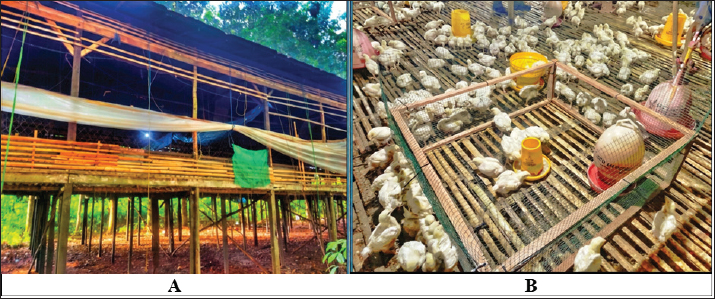
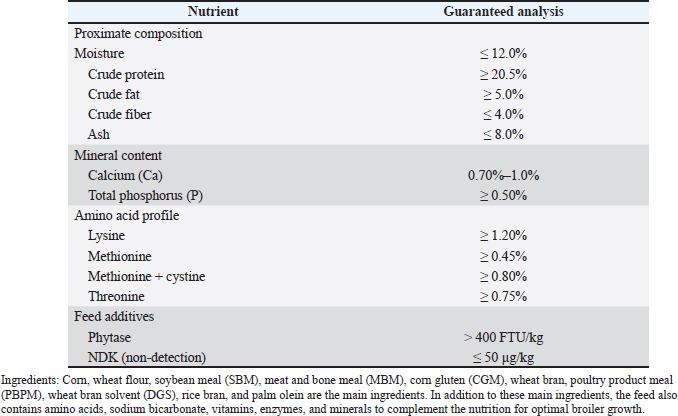
AbstractBackground: Nanotechnology provides precise delivery methods for eliminating antimicrobial resistance and is a viable alternative to antibiotic growth promoters (AGPs). Aim: This study assessed the use of electrospun polyvinyl alcohol (PVA)-beta-glucan nanofibers as a dietary supplement for broilers. Methods: A completely randomized design was implemented including 36 Cobb broilers (aged 14–21 days; 6 groups; 6 birds per group) for a duration of 7 days: Stimuno 50 mg (P1), beta-glucan 200 mg (P2), PVA 10%-beta glucan nanofiber at 200 mg (P3), 400 mg (P4), and 600 mg (P5), in addition to a basic diet control (P6). The in vivo evaluation demonstrated the physiological safety of supplementation. Results: No significant differences in growth performance or relative internal organ weights were observed across treatments (p > 0.05). Nonetheless, advantageous biological tendencies were noted: P3 exhibited a numerically lower feed conversion ratio (1.54) compared to P6 (1.99), while P4 demonstrated the maximum body weight growth (420.0 ± 94.9 g) alongside the lowest heterophil-to-lymphocyte ratio (0.009), indicating minimal stress. Vaccinated avians sustained protective immunity against Newcastle disease, with the highest geometric mean titer recorded in P2 (28.5), reaching the required threshold (≥16). Conclusion: Scanning electron microscopy consistently demonstrated uniform fibers with a mean diameter of 30.81 nm, whereas Fourier transform infrared spectroscopy affirmed significant chemical interactions. PVA-beta-glucan nanofibers are a secure additive with acceptable material properties. Keywords: Beta-glucan, Broiler, Electrospinning, Hemagglutination inhibition, Nanofiber. IntroductionFeed nanotechnology, particularly nanoparticle-based additives, offers innovative strategies to improve broiler health and productivity by enhancing the bioavailability of bioactive compounds, strengthening immunity, and exerting antimicrobial activity against gastrointestinal pathogens (Thomas et al., 2020). Nanomaterials, such as nanoselenium (Sadr et al., 2023) and nanozinc (Hidayat et al., 2024), have been used to optimize mineral absorption. Other examples include nano silver to suppress enteric pathogens and non-mineral systems such as nano vitamin E to improve feed efficiency and reduce oxidative stress, demonstrating promise in poultry production (Sadr et al., 2023; Zhou et al., 2024). These approaches can support precision and sustainable poultry farming through more targeted delivery (Michalak et al., 2022; Ibrahim et al., 2024). Innovation is increasingly urgent because antimicrobial resistance threatens animal and human health via transmission of resistant pathogens from livestock (especially poultry farming) to humans (Vetvicka and Oliveira, 2014; Bar-Dagan et al., 2023). Therefore, non-AGP alternatives are needed; beta-glucan, a non-digestible polysaccharide, may act in a prebiotic-like manner by stimulating beneficial microbiota, reinforcing the intestinal barrier, and shaping immune responses (Mohseni Gharechopogh et al., 2021). Beta-glucan is a β-glycosidic polysaccharide widely reported to exert immunomodulatory activity and support intestinal health in poultry (Zhang et al., 2020; Schwartz and Vetvicka, 2021; Singla et al., 2024). Beta-glucan is generally not hydrolyzed by host enzymes in the gastrointestinal tract and may be fermented and degraded by microbiota, leading to interindividual variability in bioactive exposure (Cerletti et al., 2021; Singh and Bhardwaj, 2023). Accordingly, a biocompatible polymeric or inorganic matrix such as polyvinyl alcohol (PVA) formulated as nanofibers may immobilize and protect bioactives, improve dispersibility, and enable more targeted delivery (without claiming specific release kinetics) to help maintain consistent gastrointestinal exposure (Velazquez-Carriles et al., 2018; Türkoğlu et al., 2024; Gondokesumo and Muthmainnah, 2024). As an innovative nano-delivery platform, nanofibers can carry active compounds such as beta-glucan as growth-boosting feed additives (Su et al., 2021). However, research evaluating the effectiveness of beta-glucan delivered in nanofiber form to improve broiler growth performance is limited, leading to a knowledge gap. Beta-glucan-embedded PVA nanofibers were produced using electrospinning using a simple, self-assembled device to overcome this deficit (Wirahadikesuma et al., 2024). Polyvinyl alcohol is a biocompatible, non-toxic synthetic polymer used in diverse biomedical applications. When electrospun, PVA forms highly porous nanofiber mats that resemble the extracellular matrix and can function as a scaffold and a drug reservoir for more localized and efficient delivery, including as a controlled-delivery platform in principle (Türkoğlu et al., 2024). The Newcastle disease virus (NDV) remains a major threat to the poultry industry, and vaccination success is commonly evaluated using hemagglutination inhibition (HI) titer as an indicator of serological protection (Dimitrov et al., 2017). Several studies have shown that serological responses can vary, and adjuvants or immunomodulators may be required to optimize seroconversion under specific conditions (Fawzy et al., 2020). Therefore, incorporating immunomodulators such as beta-glucan is a crucial strategy that has been shown to enhance antibody responses and prevent protection failure in poultry, including against NDV infection (Cao et al., 2022). The 14–21-day period is considered critical because it coincides with accelerated early growth while broilers are still adapting to the environment, experiencing management-related stressors, and developing mucosal and systemic immunity; thus, immune status and performance may be more sensitive to dietary interventions (Zhang et al., 2020; Song et al., 2021; Wlaźlak et al., 2023). Accordingly, this study aimed to prepare electrospun PVA–beta glucan nanofibers and evaluate them in vivo in 14–21-day-old broilers to assess their effects on growth performance, selected hematological parameters, internal organ safety, and post-vaccination serological responses (ND HI titer), along with material characterization. Materials and MethodsTime and locationThe study was conducted from April to October 2024 at the Pharmacy Unit of RSUD Ratu Zalecha; the broiler house at a partner facility (CV BAJA, Banjarbaru, South Kalimantan; Fig. 1); the Integrated Laboratory of Universitas Lambung Mangkurat; PT Micro Material Laboratory (Gunung Sindur, Bogor); and the Banjarbaru Veterinary Center (Balai Besar Veteriner Banjarbaru), South Kalimantan, Indonesia. Equipment and materials usedA self-assembling electrospinning apparatus (Wirahadikesuma et al., 2024) was used, supported by a digital scale (MS-K07) and a 3 kg manual scale (Maspion, B T177). Additional equipment included a magnetic stirrer (E-liquid), a mini electric blender/grinder (Mollar, MLR-ECG100), razor blades (Gillette, Goal), a blender (Maspion, MT1233PL), a thermo-hygrometer (HTC-1), and glassware (Pyrex). Materials comprised DDW (aqua bidestillata; WIDA WI, Widatra), phosphate buffer (pH 7.4), polyvinyl alcohol/PVA (Sigma, P1763), Stimuno Forte (Dexa Medica, Indonesia), and beta-glucan (Lake Avenue, USA). The experimental animals were 14-day-old Cobb broilers (chickens) (CV BAJA, PT Patriot Intan Abadi) fed a standard basal diet (Broiler 1 SP; PT JAPFA CONFEED Indonesia Tbk.; Table 1), vaccinated with Nobilis COR4+IB+ND+EDS pentavalent vaccine (PT SHS Int.), and supplemented with a multivitamin premix (Masamix-Bro; PT Mensana Aneka Satwa).
Fig. 1. Location and conditions of the research cage for (A) outside conditions and (B) treatment cage area. Production of polyvinyl alcohol–beta glucan nanofibersBeta-glucan solutions were prepared by dissolving 200, 400, or 600 mg of beta-glucan in 100 ml of hot double-distilled water and stirring until homogeneous. Next, PVA–beta–glucan solutions were prepared by dissolving 10 g of PVA in 100 ml of each beta-glucan solution (10% w/v PVA; Table 2; Wirahadikesuma et al., 2024) and stirring at 850 rpm for 24 hours until homogeneous. The PVA–beta–glucan solution was then loaded into a 50-ml syringe and electrospun at 20 kV DC. The needle-to-collector distance was set at 3–10 cm, the flow rate was set at 10 ml/hour, and the process ran for 10–12 hours at room temperature until nanofiber sheets/filaments formed on the collector (Wirahadikesuma et al., 2024). The resulting nanofiber sheets/filaments were cut (2–4 mm) and ground into smaller fragments using a compact electric grinder with a capacity of 50 g. The grinder blade was modified by replacing the original blade with a razor blade and adding a cover that matches the width of the grinder. Then, the ground nanofibers were homogenously mixed into the basal feed at the assigned treatment dose before feeding. Broiler growth performance trialThe study was conducted in a broiler house in Cindai Alus Village, Banjarbaru, South Kalimantan, Indonesia (Fig. 1A; Google Maps coordinates 3°24'47.0"S, 114°47'32.0"E). Animal husbandry and preparationVaccination and experimental designA completely randomized design was applied in a raised-floor housing system with six treatments for 7 days to evaluate Cobb broilers (n=36; 14–21 days). All DOC (day-old chicks) were vaccinated with the pentavalent Nobilis COR4+IB+ND+EDS vaccine (PT SHS Int.) via spray using an atomizer (droplet size 80–120 µm; 1,000 DOC/vial) before rearing. Broilers were randomly selected and allocated to six groups (6 birds/group) at 14 days of age. Sample size was determined using Federer’s formula [(n–1)(t–1) ≥ 15], yielding a minimum of 4 birds/group; two additional birds per group were included to anticipate potential mortality. Each group was housed in a square box (100 × 100 × 30 cm) with ad libitum access to feed and water and uniform management (sanitation, ventilation, and lighting) throughout the trial. For supplementation, the tested dose of PVA–beta–glucan nanofiber or beta-glucan was standardized as 200 mg and mixed into 5-kg basal feed. Each 200 mg of beta-glucan in 5 kg of feed corresponds to 40 mg/kg; thus, 200 mg, 400 mg, and 600 mg amount to 40, 80, and 120 mg/kg of feed, respectively. Each Stimuno capsule included 50 mg of a standardized extract from Phyllanthus niruri L. Stimuno, which is extensively used as an immunomodulator in Indonesia (Kementerian Kesehatan Republik Indonesia, 2022; Gondokesumo and Muthmainnah, 2024), and served as a positive control to compare the effects of beta-glucan and its nanofiber formulation. Feed was administered once daily for 7 days. The treatment groups were as follows: P1: Stimuno (50 mg) + basal diet (positive control). P2: beta-glucan (200 mg) + basal diet. P3: PVA 10%–beta glucan nanofiber (200 mg) + basal diet. P4: PVA 10%–beta glucan nanofiber (400 mg) + basal diet. P5: PVA 10%–beta glucan nanofiber (600 mg) + basal diet. P6: The basal diet only (negative control). Broiler performance was evaluated by recording the daily body weight and feed intake. The BWG, FI, and FCR over the 7 days were calculated as follows:
This study tested the effectiveness of PVA–beta glucan nanofiber supplementation (compared with Stimuno supplementation and a basal-diet control) in optimizing broiler growth performance during a 7-day period from 14 to 21 days of age. Differential leukocyte countDifferential leukocyte counts were performed using a standard blood smear method (Tay et al., 2024; Lestari et al., 2025). Fresh blood samples were collected from the wing vein, thinly smeared on a glass slide, air-dried, and fixed for 5 minutes with methanol. The slides were stained with Giemsa (1:20 dilution) for 25–30 minutes, rinsed, and dried. The monolayer area was observed using a light microscope (100×–400×). A total of 100 leukocytes were classified as heterophils, lymphocytes, monocytes, eosinophils, and basophils.
The H/L ratio was calculated by dividing heterophils by lymphocytes and was used as a primary indicator of immune response and physiological stress (Thiam et al., 2022; Lestari et al., 2025). Measurement of organ weightOrgan weights were measured at the end of the study when broilers reached 21 days of age. Before slaughter, broilers were fasted for 1–2 hours with water available ad libitum. Slaughter procedures followed Indonesian halal standards MUI Fatwa No. 12 (MUI, 2009) to meet halal requirements and animal welfare considerations. After death was confirmed, the thoracic and abdominal cavities were opened, and the viscera were removed; the heart, liver, spleen, and bursa of Fabricius were separated. Live weight, absolute organ weight, and final body weight were recorded. Each organ was individually weighed on a digital scale as soon as possible after removal to minimize fluid loss. The relative organ weight was calculated as follows:
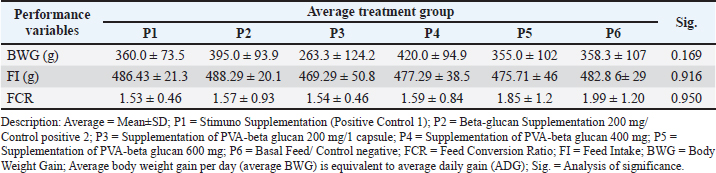
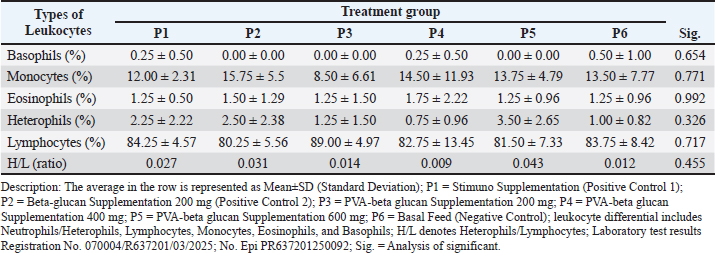
Data were collected from 36 broilers across six experimental units (6 birds/unit). The organ weight data were analyzed at a 5% significance level. Hemagglutination inhibition serology testThe standard HI procedure followed the World Organisation for Animal Health (OIE, 2012). HI serology was used to detect antibodies and evaluate immune responses to Newcastle disease (ND). Blood from 36 broilers (21 d of age) was collected from the wing vein, centrifuged at 3,000 rpm for 10 minutes to obtain serum, and stored at −20°C until testing. Before the assay, sera were heat-inactivated at 56°C for 30 minutes to inactivate complement. The HI test was performed in V-bottom microtiter plates using twofold serial serum dilutions, addition of standardized AGHITND antigen, and 1% broiler erythrocyte suspension. Serum antigen mixtures were incubated for 30 minutes; after erythrocyte addition, plates were incubated for 40 minutes to allow hemagglutination or its inhibition. HI titer was defined as the highest serum dilution that completely inhibited hemagglutination, expressed in log2, and geometric mean titer (GMT) was calculated from the antilog of the mean log titer (Liu et al., 2023; Azeem and Yoon, 2025; Lestari et al., 2025). According to OIE (2012) and Bordoloi et al. (2021), a titer ≥4 log2 indicates adequate protection; titer of 2–3 log2 indicates moderate responses; and titer ≤1 log2 suggests a high risk of ND infection and is used to evaluate flock immune status. Characterization of polyvinyl alcohol–beta glucan nanofibersNanofiber characterization began with a visual inspection of the morphology of the resulting filaments/films. Nanofiber filaments were selected from the treatment group with the most favorable parameter profile. The selected sample was then examined using Scanning electron microscopy (SEM) (Thermo Fisher®) at 5,000× magnification. The fiber diameter was estimated from the SEM images using ImageJ software (NIH, Maryland). The functional groups were analyzed using Fourier transform infrared spectroscopy (FTIR) and Fourier transform infrared spectroscopy-aperture ratio (Bruker, Germany). Data analysisNanofiber characterization data were descriptively analyzed. Growth performance and immune-related data were analyzed using inferential statistics. Research frameworkThe study stages included the preparation of PVA–beta glucan nanofibers into a nanofiber/nanoparticle system (Fig. 2), followed by in vivo supplementation to evaluate the effects on growth performance, immunological status, and associated characteristics in broilers aged 14–21 days. The study then proceeded with nanofiber characterization. Fig. 2 presents the overall research framework. Ethical approvalThis animal study was approved by the Faculty of Pharmacy, Universitas Muhammadiyah Banjarmasin (Approval No. 589/UMB/KE/IX/2023). ResultsGrowth performance and immune responses of broilers aged 14–21 dBroiler growthTable 3 shows that supplementation with Stimuno, beta-glucan, and PVA–beta glucan composites did not produce statistically significant differences in productivity parameters compared with the negative control (p > 0.05). One-way ANOVA indicated no significant difference in BWG among treatments (p=0.169), although P4 (PVA–beta glucan 400 mg) had the highest BWG numerically (420.0 ± 94.9 g/bird). Kruskal–Wallis tests for FI and FCR also confirmed no significant effects on palatability or feed efficiency (p=0.916 and p=0.950, respectively). Despite the lack of statistical significance, a numerical trend toward improved feed efficiency was observed in the supplemented groups: P1 and P3 had the lowest FCR (1.53 ± 0.46 and 1.54 ± 0.46), which was more efficient than the negative control P6 (1.99 ± 1.20). Overall, these findings suggest that PVA–beta glucan supplementation may numerically improve biological efficiency during the early grower phase, although this was not statistically confirmed in the present study. Differential leukocyte profileDifferential leukocyte analysis in 21-day-old broilers (Table 4) showed that one-way ANOVA detected no statistically significant differences among treatment groups for basophils (p=0.654), monocytes (p=0.771), eosinophils (p=0.992), neutrophils/heterophils (p=0.326), or lymphocytes (p=0.717) (all p > 0.05). Descriptively, monocytes, eosinophils, and lymphocytes ranged from 8.50% to 15.75%, 1.25% to 1.75%, and 80.25% to 89.00%, respectively, indicating overall stability of leukocyte profiles across groups. The H/L ratio also did not differ significantly (p=0.455); however, P4 (PVA–beta glucan 400 mg) showed the lowest H/L ratio (0.009), suggesting a more favorable immune/stress status. Collectively, these results indicate that beta-glucan and PVA–beta glucan supplementation maintained a stable immune profile in broilers aged 21 days without materially altering leukocyte composition.
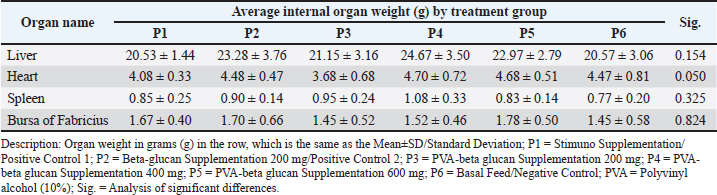
Fig. 2. Research framework. Internal organ weights (liver, heart, spleen, and bursa of Fabricius) in 21-day-old broilersStatistical analysis of internal organ weights in 21-day-old broilers (Table 5) showed no significant differences among the six treatment groups (p > 0.05), as indicated by Kruskal–Wallis tests for liver (p=0.154) and spleen (p=0.325) and one-way ANOVA for heart (p=0.050) and bursa of Fabricius (p=0.824). Consistent with Table 5 and Figure 4, groups P1 (Stimuno), P2 (beta-glucan), P3–P5 (dose-graded PVA–beta glucan nanofibers), and P6 (negative control) showed comparable means ± SD, with liver weights ranging from 20.53 to 24.67 g and heart weights ranging from 3.68 to 4.70 g, and no consistent dose-related pattern. Table 1. Nutritional specifications for the basal diet.
Table 2. Primary components for the fabrication of PVA-beta glucan nanofibersa.
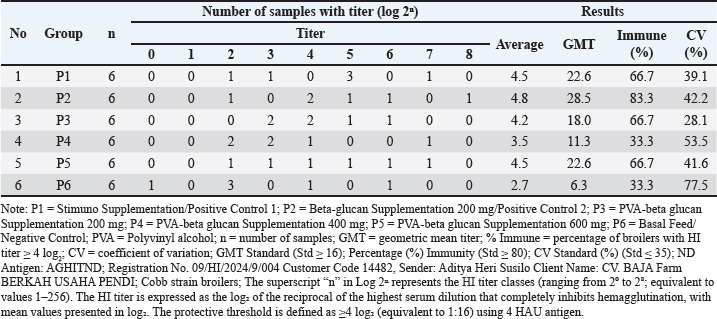
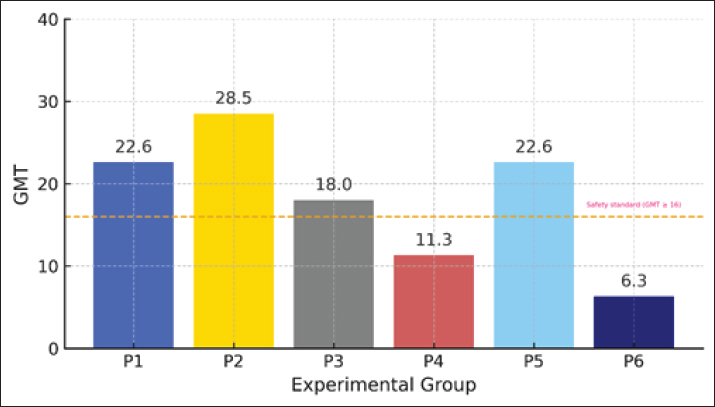
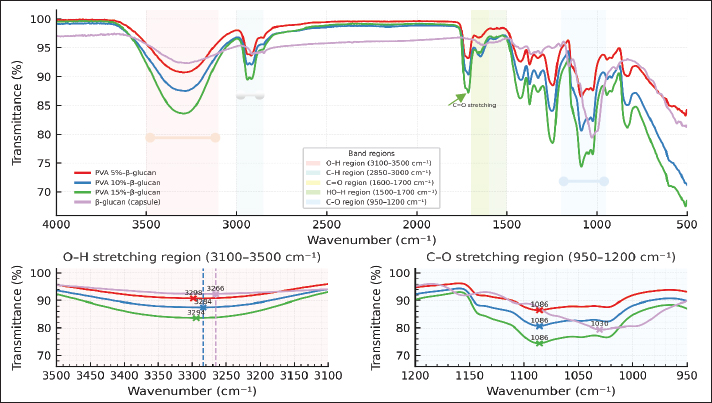
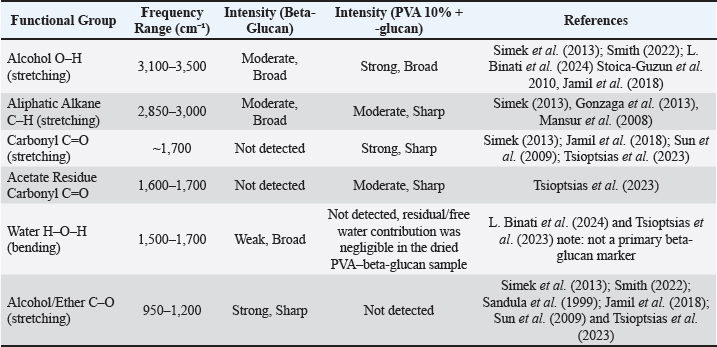
HI testSerological evaluation in 21-day-old broilers using the AGHITND antigen indicated variation in responses to ND vaccination. As shown in Fig. 5, most supplemented groups (P1, P2, P3, and P5) achieved a GMT above the protective threshold (GMT ≥ 16). P2 (beta-glucan) had the highest HI response (GMT, 28.5), followed by P1 and P5 (GMT, 22.6). In contrast, P4 (400 mg PVA–beta glucan) and P6 (negative control) showed GMT values of 11.3 and 6.3, respectively, which were below the protective threshold. Regarding the proportion of protective titer (Table 6), only P2 met the flock-immunity criterion (≥80%) with 83.3%. P1, P3, and P5 reached 66.7%, whereas P4 and P6 had the lowest (33.3%). Homogeneity of HI responses, assessed by the coefficient of variation (CV), differed among groups: only P3 (PVA–beta glucan 200 mg) met the homogeneity criterion (CV ≤35%) with 28.1%, indicating the most uniform serological response, whereas P6 showed the highest variability (CV 77.5%). Characterization of polyvinyl alcohol–beta glucan nanofibersFTIR analysisFTIR analysis (Fig. 6) confirmed strong molecular interactions in the composite, as evidenced by shifts in the O–H band (Table 7) showing strengthened O–H signals and the emergence of a sharp carbonyl (C=O) peak. The reference spectra for PVA 5% and 15% (Fig. 6) further validated the band shifts and intensity changes relative to PVA 10%. Table 3. Results of measuring the growth performance of Cobb strain broilers aged 14–21 days.
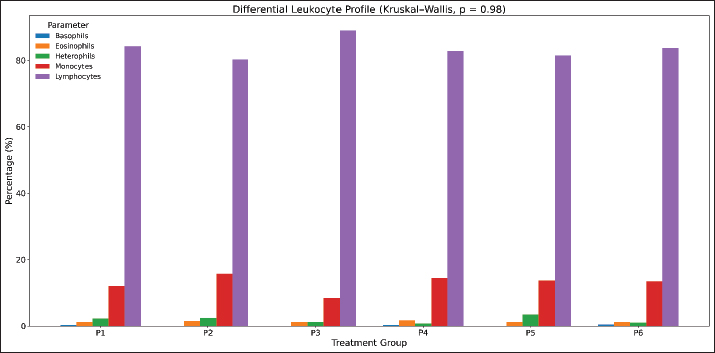
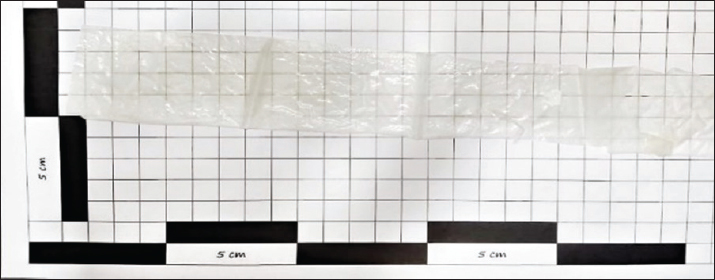
Scanning electron microscopy of PVA–beta glucan nanofiber morphologyThe PVA–beta-glucan nanofiber formulation from group P4 (beta-glucan 400 mg) was selected for SEM as a representative sample because it showed a relatively favorable numerical profile across several parameters, although no statistically significant differences were observed among treatments. This study aimed to validate the nanofiber morphology of the electrospun material used in the in vivo trial. The morphology of electrospun PVA–beta glucan nanofibers is shown in the SEM image (Fig. 8A). ImageJ-based diameter distribution analysis (Fig. 8B) revealed a relatively homogeneous fiber size with a mean diameter of 30.81 nm. The macroscopic appearance (Fig. 7) showed a continuous nanofiber sheet with broad dispersion, supporting its potential applicability. DiscussionGrowth performance and immune responses in broilers aged 14–21 dGrowth performanceStatistical analysis (Table 3) showed that supplementation with Stimuno, beta-glucan, and PVA–beta glucan nanofibers did not significantly affect BWG, FI, or FCR in broilers aged 14–21 days (p > 0.05). This non-significant outcome suggests that performance changes may have been too small to exceed biological variability during the early grower phase and over a relatively short observation period. Nonetheless, a numerical trend toward improved feed efficiency was observed, particularly in P1 and P3 (FCR 1.53 ± 0.46 and 1.54 ± 0.46), indicating a possible biological effect that was not statistically detectable under the current design. From a biological standpoint, beta-glucan is more consistently reported as an immunomodulator and intestinal health supporter than as a direct growth promoter. Beta-glucan has been associated with improved microbiota and nutrient utilization, enhanced mucosal integrity (villi and goblet cells), improved humoral immunity, suppression of Salmonella spp. and Escherichia coli, and increased Lactobacillus abundance (Schwartz and Vetvicka, 2021; Purnamasari et al., 2022; Hashaam et al., 2024). Beta-glucan also exerts immunomodulatory and antioxidant activities in enzymatically treated yeast that help mitigate infection and oxidative stress, supporting feed efficiency and coccidial protection (Alagbe et al., 2023). PVA nanofiber matrices may be engineered to modulate delivery profiles (including core–shell designs) from a formulation perspective, which could help preserve bioactivity and optimize target responses, particularly immune responses (Moon et al., 2016; Ogawa et al., 2024; Salleh et al., 2025). Several studies have indicated that beta-glucan supplementation does not always improve performance during the early phase, and its effects on feed intake or efficiency are often more evident later in the production cycle or at specific doses (Amer et al., 2022), and even 750 ppm has been reported as insignificant under certain conditions (Hashaam et al., 2024). This is relevant because the 14–21 d period is a rapid growth period when immunity is still developing, and broilers are more susceptible to environmental stressors (Zhang et al., 2020; Song et al., 2021; Wlaźlak et al., 2023). Therefore, beta-glucan may be better viewed not as a direct growth promoter but as an immunomodulator that improves the physiological milieu through enhanced gut function, strengthened immune defense, and reduced infection risk, thereby indirectly supporting growth (Moon et al., 2016; Torki et al., 2018). Differential leukocyte profileStatistical analysis (Table 4) indicated no significant differences among the treatment groups (p > 0.05), with low F-values ranging from 0.10 to 1.25. This suggests that the supplement did not significantly modify the leukocyte composition profile in broilers aged 21 days. Nevertheless, the descriptive patterns suggested potentially relevant biological trends: P4 (PVA–beta glucan 400 mg) exhibited the lowest H/L ratio, approaching zero, whereas P2 (beta-glucan) had the highest monocyte proportion at 15% (Table 4 and Fig. 3). The increase in monocyte proportion may be biologically relevant because monocytes function as phagocytes and antigen-presenting cells, developing into macrophages or dendritic cells, thereby facilitating adaptive immune responses (Zhang et al., 2023). No elevation in basophils or eosinophils across all groups was observed (Fig. 3), indicating the absence of a pathogenic or allergic inflammatory response (Hofmann et al., 2020). Table 4. Average differential leukocyte count results in 21-day-old broilers.
The most notable feature of this research parameter was the extremely low H/L ratio (0.009–0.043), especially at P4 (0.009). This may indicate reduced physiological stress and potentially improved immune status, indicating ideal bird health (Awad and Abd El-Halim, 2023; Csernus et al., 2025). However, H/L values were much lower than the documented range for various rearing conditions, namely, 0.05–0.16 in 21-day-old broilers (Fathurrahman et al., 2022), 0.80–1.18 under optimal adaptation conditions (Apriliyani et al., 2013), and 0.345–1.498 in the midst of diverse environmental variations (Kusnadi, 2009; Makeri et al., 2017), while at the age of 35 days, H/L ratio values were around 0.02–0.04 (Fathurrahman et al., 2022). Nonetheless, because the H/L ratio is hematologically very low and falls outside the established reference range, it should be carefully evaluated and cannot be considered as a normal physiological fluctuation. These findings are consistent with reports suggesting that nanotechnology-based supplementation interventions can lower H/L ratios by improving antioxidant status and reducing physiological stress, as demonstrated by the utilization of chitosan, chromium picolinate, and cinnamon nanoparticles (Sirirat et al., 2012; Fathi et al., 2025a; Fathi et al., 2025b; Badr et al., 2026). The present findings also support the possibility that the nanoparticles examined in this study, specifically using a nanofiber matrix platform in the form of PVA-beta glucan, can improve the effectiveness of beta-glucan immunomodulators through controlled release, degradation protection, and stabilization of bioactive compounds (Mahmoud et al., 2017; Su et al., 2021; Omara et al., 2021; Ikewaki et al., 2021; Ogawa et al., 2024; Luthfianti et al., 2024). However, the scale of H/L reduction documented by nanotechnology interventions typically remains in the low-normal spectrum (0.02–0.84) and has not yet reached the extreme H/L value of 0.009 (Sirirat et al., 2012; Fathi et al., 2025a; Fathi et al., 2025b; Badr et al., 2026). Such exceedingly low H/L ratios are susceptible to technical biases, including heterophil lysis, substandard blood smears, and misidentification of reactive cells. Consequently, H/L should be consistently analyzed along with total white blood cell (TWBC) counts and comprehensive hemogram reports (including leukocyte differentiation, cellular morphology, and erythrocyte/platelet index), rather than as an isolated metric (Davis et al., 2008; Cotter, 2015; Cotter, 2022; Cotter, 2023). Moreover, from a methodological perspective, automated hematology analyzers exhibit limitations in accurately differentiating among diverse avian blood cell types; thus, manual evaluation remains the reference standard for validating uncertain results (Samour and Howlett, 2008; Gaspar et al., 2021). Therefore, the H/L ratio of 0.009 cannot be ignored immediately but requires validation through repeated differential counts, established cell morphology criteria, and association with TWBC count, clinical assessment, and inflammatory/antioxidant indicators. The H/L ratio of 0.009–0.043 in broilers currently lacks supporting evidence from specific published studies; therefore, if observed, it should be considered a novel finding that requires strict, thorough revalidation in follow-up research. Overall, supplementation with PVA-beta glucan nanofibers did not result in clinically significant hematological changes in the differential leukocyte profile of 21-day-old broilers (Table 4; Fig. 3). Although supplementation did not produce a statistically significant change in leukocyte composition (p > 0.05), it showed a favorable numerical trend consistent with reduced physiological stress. Nonetheless, a numerical pattern was observed with a very low H/L ratio at P4 and an increase in the percentage of monocytes at P2, suggesting a possible biological relevance regarding immunomodulation. Owing to the study duration, sample size, and other variables, these preliminary findings cannot serve as a basis for a conclusive physiological determination. Accordingly, longitudinal studies across multiple growth stages (e.g., days 14, 21, and 35) are needed. Such studies should integrate TWBC counts, stress biomarkers such as serum cortisol, and cytokine expression profiles, including IL-1β, IL-10, and TNF-α, to clarify the biological significance of these observations (Bi et al., 2024; Gouda et al., 2024). Thorough validation is critical for assessing the effectiveness of PVA-beta glucan nanofibers before they are used as nanoparticle platforms to complement immunomodulator delivery systems in broilers.
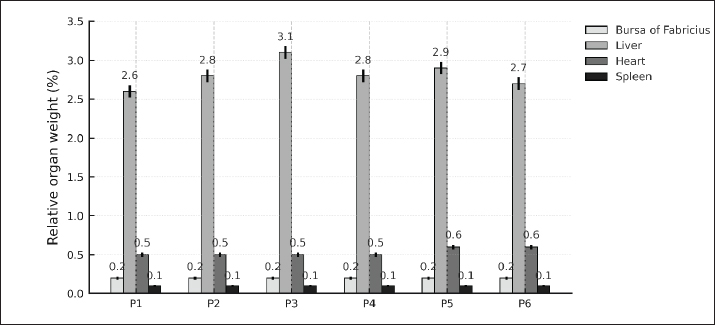
Fig. 3. Differential leukocyte count profiles in 21-day-old broilers following dietary supplementation with beta-glucan and polyvinyl alcohol beta-glucan nanofibers. Note: Leukocyte differentiation profiles (x-axis) expressed as relative percentages (y-axis) in broilers aged 21 days. Data are presented as mean ± SD; no significant differences were observed (p > 0.05); P1=Stimuno Supplementation (Positive Control 1); P2=Beta-glucan Supplementation 200 mg (Positive Control 2); P3=PVA-beta glucan Supplementation 200 mg; P4=PVA-beta glucan Supplementation 400 mg; P5=PVA-beta glucan Supplementation 600 mg; P6=Basal Feed (Negative Control); leukocyte differential, lymphocytes, monocytes, eosinophils, and basophils; H/L denotes Heterophils/Lymphocytes. Internal organ weights (liver, heart, spleen, and bursa) in 21-day-old broilersOrgan weight analysis indicated no significant differences in relative organ weights among treatments (p > 0.05), supporting the biological safety of nanofiber supplementation. Liver weight (2.75%–3.05%) remained within physiological ranges, suggesting safe metabolic detoxification activity without hepatotoxicity (Cox et al., 2010; Pratama et al., 2018; Arfanda et al., 2019; Zhang et al., 2020; Amer et al., 2022). Heart weight (0.45%–0.60%) similarly indicated stable hemodynamic adaptation and cardiac output without cardiovascular disturbance (Pratama et al., 2018; Arfanda et al., 2019; Zhang et al., 2020; Qui, 2023). Immunological homeostasis also appeared to be maintained, as spleen (0.12%–0.17%) and bursa of Fabricius (0.10%–0.18%) weights were consistent within normal ranges. These findings support beta-glucan as a non-pharmacological immunomodulator that can enhance immune competence without triggering pathological inflammation or hyperplasia in lymphoid tissues (Zhang et al., 2020; Bar-Dagan et al., 2023; Abuajamieh et al., 2025). Table 5 and Figure 4 show the absence of significant differences (p > 0.05) in the relative weights of vital organs (liver, heart, spleen, and bursa of Fabricius) among the six groups (Stimuno, beta-glucan and its nanofiber formulations, and basal diet). The lack of significant changes in lymphoid organs differs from some reports of increased bursa, spleen, and thymus weights in young broilers (up to day 21) following beta-glucan stimulation of humoral and cellular immunity (Guo et al., 2003; Osman et al., 2024; Avain et al., 2024). Furthermore, consistent organ weights, such as those of the liver and spleen, corroborate the preventive function of beta-glucan in preserving tissue integrity and metabolic equilibrium, including safeguarding against mycotoxin impacts and averting hypertrophy linked to metabolic stress (Amer et al., 2022; Wang et al., 2022; Bar-Dagan et al., 2023; Marquis et al., 2025). Multiple studies have indicated that beta-glucan enhances disease resistance and intestinal health through microbiota modulation, macrophage activation, and mucosal responses without adverse effects on lymphoid or non-lymphoid organ weights (Schwartz and Vetvicka, 2021; Purnamasari et al., 2022; Qui, 2023; Gois et al., 2023). Therefore, the lack of significant changes observed here likely reflects the preserved metabolic homeostasis and efficient energy partitioning for growth. Moderate immunomodulatory effects may not elicit compensatory organ hypertrophy or marked performance changes (Schwartz and Vetvicka, 2021; Amer et al., 2022; Hashaam et al., 2024). In general, broilers maintained clinical health across treatments, with physiological and metabolic functions within normal limits. Consequently, beta-glucan and PVA–beta glucan nanofibers supplied from day 14 had no evident adverse effects on essential internal organs, corroborating their short-term safety. Table 5. Average results of weighing internal organs (Liver, Heart, Spleen, and Bursa of Fabricius) of 21-day-old broilers.
Fig. 4. The average relative weight percentage of internal organs (liver, heart, spleen, and bursa of Fabricius) in relation to the body weight of broilers aged 21 days. Note: P1–P6: P1=stimulus supplementation/positive control 1; P2=beta-glucan supplementation 200 mg/positive control 2; P3=PVA-beta glucan supplementation 200 mg; P4=PVA-beta glucan supplementation 400 mg; P5=PVA-beta glucan supplementation 600 mg; P6=basal feed/negative control experimental treatment groups. Data are presented as percentages of body weight for each organ. No statistical differences (p > 0.05) were observed in metabolic organs (liver and heart) and lymphoid organs (spleen and bursa of Fabricius). Hemagglutination inhibition serologyThe HI results (Table 6 and Fig. 5) showed that P1, P2, P3, and P5 achieved GMT ≥16 in 21-day-old broilers, with P2 showing the highest GMT (28.5) and being the only group meeting the ≥80% flock-immunity criterion (83.3%). Most groups reached ≥4 log2; however, the negative control (P6) had the lowest mean titer (2.7 log2), 33.3% immunity, and the highest variability (CV 77.5%), indicating non-homogeneous protection. Mechanistically, beta-glucan can activate Dectin-1 on dendritic cells, triggering NF-κB and PI3K/AKT signaling, increasing IL-12 and TNF-α, and promoting CD4+ and CD8+ T-cell activation and differentiation, thereby strengthening synergistic and durable humoral–cellular immunity, including mucosal immunity (Qi et al., 2011; Chen et al., 2020; Cao et al., 2022; Zhong et al., 2023; Kiran et al., 2026; Desai et al., 2025). Stimuno (P1) is a standardized herbal immunomodulator containing P. niruri L. extract (50 mg) that has been reported to enhance macrophage phagocytosis, activate lymphocytes, and modulate cytokines, which are central to immune responses (Nworu et al., 2010a; Lee et al., 2016). Table 6. Hemagglutination inhibition test results for 21-day-old broilers.
Fig. 5. Comparison of GMT across the six study groups (P1–P6). The literature suggests that HI titer ≥4 log2 and flock immunity of 87.5%–90% are closely associated with herd immunity (Wiseman and Berman, 2017; Bordoloi et al., 2021), while a GMT ≥32 is often recommended as a more robust protection target (Azeem and Yoon, 2025). Beyond magnitude, response homogeneity is important: CV <35% indicates more homogeneous flock protection, and CV ≤30% reflects good antibody uniformity (Hadi et al., 2022; Ayebare et al., 2025). Nonetheless, host genetic variation and vaccine strain differences can influence titer profiles and antibody uniformity (Indriani and Dharmayanti, 2016; Indriyani et al., 2024). Consistent with this, beta-glucan has been reported to increase titer at 750 g/ton without impairing immune organs, supporting its potential as an adjuvant candidate for the ND vaccine (Purnamasari et al., 2022; Hashaam et al., 2024). However, the HI findings should be interpreted as preliminary evidence because this study was not designed as an adjuvant trial and did not include challenge testing. Characterization of polyvinyl alcohol–beta glucan nanofibersFourier transform infrared spectroscopyFTIR analysis of beta-glucan (Fig. 6 and Table 7) showed primary functional group features, including O–H stretching with moderate intensity and broad bands in the 3,100–3,500 cm⁻1 range, indicating hydrogen bonding among polysaccharide molecules (Simek et al., 2013; Smith, 2022; L. Binati et al., 2024). Aliphatic C–H bands were detected at 2,850–3,000 cm⁻1 with increased intensity, confirming the presence of aliphatic hydrocarbon structures in beta-glucan (Mansur et al., 2008; Gonzaga et al., 2013). Alcohol C–O or ether bands appeared at 950–1,100 cm⁻1, showing strong, sharp stretching vibrations characteristic of ether linkages along the -glucan chain (Sandula et al., 1999; Simek et al., 2013). Upon formulation with 10% PVA, beta-glucan displayed stronger and broader O–H bands, suggesting enhanced hydrogen bonding interactions between PVA and beta-glucan (Stoica-Guzun et al., 2010; Jamil et al., 2018). A distinct carbonyl (C=O) band appeared near 1,700 cm⁻1 with strong intensity, which may be due to residual acetate groups in the PVA chain (Sun et al., 2009; Tsioptsias et al., 2023). C–O stretching in the 1,000–1,200 cm⁻1 region remained dominant with strong, sharp intensity, supporting the identification of the PVA–beta glucan composite as a complex polymer system with favorable intermolecular interactions (Jamil et al., 2018; Smith, 2022; Tsioptsias et al., 2023). Scanning electron microscopy of PVA–beta glucan nanofiber morphologyMacroscopic observation (Fig. 7) showed PVA–beta glucan nanofiber sheets with smooth, homogeneous texture, indicating continuous fiber deposition without major structural defects such as clumping or discontinuities (Fatahian and Erfani, 2025). Further microstructural analysis using SEM (Fig. 8A) validated a smooth fiber surface with minimal bead formation and an interconnected porous network, which is important for potential controlled delivery mechanisms (Kim et al., 2012). The combination of uniform fiber diameter distribution (Fig. 8B) and intact sheet integrity indicates that electrospinning parameters (concentration, voltage, and collector distance) were close to optimal, supporting process stability for composite fabrication (Ahmadijokani et al., 2023; Mohd Noh et al., 2023). Conversely, defects, such as granules or discontinuous fibers, may indicate suboptimal process control (Anjum et al., 2023).
Fig. 6. FTIR-ATR overlay spectra of beta-glucan and PVA–beta glucan nanofiber composites containing 5%, 10%, and 15% PVA, respectively. Caption: FTIR-ATR overlay spectra of pure beta-glucan and polyvinyl alcohol (PVA)–beta glucan nanofiber composites (PVA: 5%, 10%, and 15%), highlighting the O–H (3,100–3,500 cm⁻1), C–H (2,850–3,000 cm⁻1), and C=O (1,700 cm⁻1) regions; arrows and colored bands indicate the major peaks. Table 7. FTIR spectral interpretation of beta-glucan and PVA-beta-glucan composites with 5%, 10%, and 15% PVA concentrations.
Fig. 7. Macroscopic view of electrospinned PVA–β-glucan nanofiber sheets/filaments. Note: Figure 7 shows a macroscopic photograph of electrospinned PVA–β-glucan nanofiber sheets placed on calibrated grid paper; each black and white segment represents 5 cm. The resultant fibers ranged from the nano to micrometer scale, demonstrating restricted size variance and minimal defects. The integration of beta-glucan into the PVA matrix did not significantly impact fiber morphology, thus safeguarding the material’s structural integrity and biological functionality (Kim et al., 2012; Grip et al., 2018). Fibers that are free of defects and uniformly and structurally arranged are characterized by high-quality electrospinning (Mohd Noh et al., 2023). Accordingly, the produced nanofibers exhibited favorable structural characteristics, such as smooth surfaces, relatively uniform nanoscale diameters, and adequate porosity, supporting their suitability for biomedical-related applications (Grip et al., 2018; Fatahian and Erfani, 2025). Surface smoothness can also influence cell adhesion and biocompatibility of materials (Olaussen, 2020).
Fig. 8. SEM micrograph and diameter distribution of electrospinned PVA–β-glucan nanofibers, with fiber size analyzed using ImageJ software. Note: (A) SEM micrograph of electrospun PVA–beta glucan nanofibers at 5,000 × magnification. (B) Fiber diameter distribution derived via ImageJ analysis. The current investigation indicated that the majority of parameters exhibited no significant differences across treatments (p > 0.05); thus, the influence of the PVA–beta glucan nanofiber should be regarded as an initial biological trend rather than conclusive evidence of efficacy. This analysis was restricted by the short in vivo supplementation duration (7 days), the limited sample size for each group, and the restricted area of immunological assessment, specifically differential leukocyte counts and HI titers. Furthermore, the controlled release kinetics and bioavailability of -glucan from the nanofiber matrix were not investigated, and no pathogen challenge was conducted. Next studies should integrate carcass characteristics and meat quality, implement a more extensive immunological profiling, measure pharmacokinetics and in vitro/in vivo release from the nanofiber system, and employ a standardized challenge model to determine relevant applicability in poultry production. ConclusionThe administration of PVA-beta glucan nanofibers, beta-glucan, and Stimuno to Cobb strain broilers aged 14–21 days for 7 days did not result in statistically significant differences in BWG, FI, or FCR compared to the control group (p > 0.05). Nonetheless, some favorable numerical trends were observed. The P4 group (400 mg PVA-beta-glucan nanofiber) achieved the highest BWG at 420.0 ± 94.9 g/bird. The P1 and P3 groups displayed lower FCRs of 1.53 and 1.54, respectively, compared with the P6 negative control group, which had an FCR of 1.99. This pattern suggests possible biological effects that have not yet reached statistical significance, possibly due to the limited sample size and low statistical power. Differential leukocyte profiles, H/L ratios, and relative internal organ weights showed no significant differences between treatments (p > 0.05), indicating the absence of short-term physiological abnormalities in these parameters. The very low H/L ratio observed in P4 (0.009) was a noteworthy numerical finding; however, it should be interpreted cautiously because it falls outside the established reference range and requires further methodological validation before firm physiological inferences can be made. In the HI test, the P1, P2, P3, and P5 groups achieved GMTs ≥ 16, indicating a protective threshold against ND. The P2 group had the highest GMT (28.5) and was the only group that met the herd immunity criteria (83.3%), whereas the P4 (GMT=11.3) and P6 (GMT=6.3) groups were below the protection threshold. These findings suggest that beta-glucans may improve the immunological response after ND immunization. However, additional confirmation through more focused adjuvant study designs and pathogen challenge tests is required to establish its significance and biological relevance. The successful synthesis of the PVA–beta glucan composite via electrospinning was confirmed by material characterization. FTIR spectroscopy analysis confirmed the presence of intermolecular interactions that facilitated composite production, whereas SEM revealed uniform nanofibers with an average diameter of 30.81 nm. However, the staged release statement is a theoretical formulation that requires empirical and exploratory validation because the kinetics of beta-glucan release from the nanofiber matrix have not been observed. RecommendationsConsidering the short supplementation period in this study, further research is needed to comprehensively validate the efficacy and mechanism of these nanofiber composites. Further research should focus on three main areas: (1) evaluating in vitro release kinetics using simulated gastric and intestinal fluids and evaluating in vivo bioavailability; (2) in vivo longitudinal study: prolonging the study duration until the conclusion of the harvest period (e.g., to day 42) using a more representative sample size to evaluate the FCR and overall carcass quality; and (3) performing immunological and challenge-based assessments, including cytokine expression, TWBC profiling, cortisol measurement, and NDV challenge tests. These priorities will strengthen the scientific validation of PVA–beta glucan nanofibers for poultry applications. AcknowledgmentsNone. Conflict of interestThe authors have no conflicts of interest to declare. FundingThis study was conducted without any external funding support. Authors' contributionsAll authors contributed to the study and approved the final version of the manuscript. Data availabilityData are available from the corresponding author upon reasonable request. ReferencesAbuajamieh, M., Al-Qaisi, M., Mahasneh, Z.M.H., Istatieh, R., Abedal-Majed, M.A., Abdelqader, A. and Al-Fataftah, A.R. 2025. Effects of beta-glucan on the performance and gut integrity of broilers under acute heat stress conditions. Poultry. Sci. 104, 105065; doi:10.1016/j.psj.2025.105065 Ahmadijokani, F., Molavi, H., Bahi, A., Wuttke, S., Kamkar, M., Rojas, O.J., Ko, F. and Arjmand, M. 2023. Electrospun nanofibers of chitosan/polyvinyl alcohol/UiO-66/nanodiamond: versatile adsorbents for wastewater remediation and organic dye removal. Chem. Eng. J. 457, 141176; doi:10.1016/j.cej.2022.141176 Alagbe, E.O., Schulze, H. and Adeola, O. 2023. Growth performance, nutrient digestibility, intestinal morphology, cecal mucosal cytokines and serum antioxidant responses of broiler chickens to dietary enzymatically treated yeast and coccidia challenge. J. Anim. Sci. Biotechnol. 14, 57; doi:10.1186/s40104-023-00846-z Amer, S.A., Attia, G.A., Aljahmany, A.A., Mohamed, A.K., Ali, A.A., Gouda, A., Alagmy, G.N., Megahed, H.M., Saber, T. and Farahat, M. 2022. Effect of 1,3-beta-glucans dietary addition on the growth, intestinal histology, blood biochemical parameters, immune response, and immune expression of CD3 and CD20 in broiler chickens. Animals 12(22), 3197; doi:10.3390/ani12223197 Anjum, S., Li, T., Arya, D.K., Ali, D., Alarifi, S., Yulin, W., Hengtong, Z., Rajinikanth, P.S. and Ao, Q. 2023. Biomimetic electrospun nanofibrous scaffold for tissue engineering: preparation, optimization by design of experiments (DOE), in vitro and in vivo characterization. Front. Bioengineering. Biotechnol. 11, 1288539; doi:10.3389/fbioe.2023.1288539 Apriliyani, F., Suthama, N. and Wahyuni, H.I. 2013. The ratio of lymphocyte heterophiles and the relative weight of the fabrisius bursa due to the combination of long exposure and ration portioning were different in broiler chickens. Anim. Agriculture. J. 2(1), 393–399. Available via https://ejournal-s1.undip.ac.id/index.php/aajhttp://ejournal-s1.undip.ac.id/index.php/aaj Aprillia, N.D., Atmomarsono, U. and Isroli, I. 2018. Pengaruh kepadatan kandang yang berbeda terhadap bobot organ limfoid pada ayam broiler [Effect of different cage density on the weight of lymphoid organ in broiler chickens]. Agromedia 36(2), 25–30; doi: 10.47728/ag.v36i2.227 Arfanda, A.I., Suprijatna, E. and Isroli, A.I. 2019. Effect of frequency and feeding period on the relative weight of the lymphoid organs of super free-range chickens. Jurnal. Sain. Peternakan. Indonesia 14(3), 306–311; doi:10.31186/jspi.id.14.3.306-311 Avain, A., Azad, M.A.K., García, Y., García, Y. and Martínez, Y. 2024. Effects of Ganoderma lucidum powder on the growth performance, immune organ weights, cecal microbiology, serum immunoglobulins, and tibia minerals of broiler chickens. Vet. Sci. 11, 675; doi:10.3390/vetsci11120675 Awad, A.L. and Abd El-halim, H.A.H. 2023. Comparative study among natural and synthetic antioxidants addition to broiler chicks' diet on their productive and physiological performance and antioxidant status. Egypt. Poultry Sci. J. 43(1), 53–69; doi:10.21608/epsj.2023.284346 Ayebare, D., Mbatidde, I., Kemunto, N.P., Muloi, D.M., Ibayi, E.L., Nielsen, S.S., Ndoboli, D., Roesel, K., Tenhagen, B.A. and Moodley, A. 2025. Biosecurity measures and effects on health performance and antibiotic use in semi-intensive broiler farms in Uganda. One Health 20, 101039; doi:10.1016/j.onehlt.2025.101039 Azeem, S. and Yoon, K.J. 2025. Diagnostic assays for avian influenza virus surveillance and monitoring in poultry. Viruses 17(2), 228; doi:10.3390/v17020228 Badr, R.K., Fathi, M., Zarrinkavyani, K. and Biranvand, Z. 2026. Effects of chitosan–nanoparticles on hematological indices, renal and liver function, lipid metabolism, abdominal adipose deposition, carcass traits, and growth performance of broiler chickens. Poultry Sci. 105, 106630; doi: 10.1016/j.psj.2026.106630 Bar-Dagan, H., Gover, O., Cohen, N.A., Vetvicka, V., Rozenboim, I. and Schwartz, B. 2023. Beta-glucans induce cellular immune training and changes in intestinal morphology in poultry. Front. Vet. Sci. 9, 1092812; doi:10.3389/fvets.2022.1092812 Bi, Y., Wei, H., Chai, Y., Wang, H., Xue, Q. and Li, J. 2024. Intermittent mild cold acclimation ameliorates intestinal inflammation and immune dysfunction in acute cold-stressed broilers by regulating the TLR4/MyD88/NF-kB pathway. Poultry. Sci. 103, 103637; doi:10.1016/j.psj.2024.103637 Bordoloi, S., Nayak, A., Singh, A.P., Singh, R.V., Dubey, A., Jadav, K., Himani, K. and Lade, A. 2021. Evaluation of Newcastle disease antibody titer in broiler poultry. Int. J. Curr. Microbiol. Appl. Sci. 10(01), 1839–1844; doi:10.20546/ijcmas.2021.1001.214 Cao, L., Li, J., Zhang, J., Huang, H., Gui, F., Xu, W., Zhang, L. and Bi, S. 2022. Beta-glucan enhanced immune response to Newcastle disease vaccine and changed mRNA expression of spleen in chickens. Poultry Sci. 102(2), 102414; doi:10.1016/j.psj.2022.102414 Cerletti, C., Esposito, S. and Iacoviello, L. 2021. Edible mushrooms and beta-glucans: impact on human health. Nutrients 13(7), 2195; doi:10.3390/nu13072195 Chen, X., Yang, H., Jia, J., Chen, Y., Wang, J., Chen, H. and Jiang, C. 2020. Mulberry leaf polysaccharide supplementation enhances the respiratory mucosal barrier immune response in Newcastle disease virus–vaccinated chicks. Poultry Sci. 100(2), 592–602; doi:10.1016/j.psj.2020.11.039 Cotter, P.F. 2015. An examination of the utility of heterophil–lymphocyte ratios in assessing stress of caged hens. Poultry Sci. 94(3), 512–517; doi:10.3382/ps/peu009 Cotter, P.F. 2022. Stress assessment by the hemogram method: circulating cells complicating reliance on heterophil/lymphocyte (H/L) ratio. J. Vet. Med. Res. 9(1), 1224; doi:10.47739/2378-931X/1224 Cotter, P.F. 2023. Aviary caged hens with unusual lymphocytes and normal H/L ratios. Asian J. Res. Anim. Vet. Sci. 6(2), 115–122; doi:10.9734/ajravs/2023/v6i2238 Cox, C.M., Sumners, L.H., Kim, S., Mcelroy, A.P., Bedford, M.R. and Dalloul, R.A. 2010. Immune responses to dietary beta-glucan in broiler chicks during an Eimeria challenge. Poultry Sci. 89, 2597. Csernus, F., Harnos, A., Vicze, Z., Pál, L. and Dublecz, K. 2025. Effects of yeast (Saccharomyces cerevisiae) beta-glucan on plasma IgG concentration, intestinal morphology, and tight junction protein expression in broiler chickens challenged with lipopolysaccharide. Anim. Feed. Sci. Technol. 311, 116239; doi:10.1016/j.anifeedsci.2024.116239 Davis, A.K., Maney, D.L. and Maerz, J.C. 2008. The use of leukocyte profiles to measure stress in vertebrates: a review for ecologists. Funct. Ecol. 22(5), 760–772; doi:10.1111/j.1365-2435.2008.01467.x Desai, N., Gotru, S., Salave, S. and Vora, L.K. 2025. Vaccine adjuvants for immunotherapy: type, mechanisms and clinical applications. Front. Biomaterials Sci. 4, 1544465; doi: 10.3389/fbiom.2025.1544465 Dimitrov, K.M., Afonso, C.L., Yu, Q. and Miller, P.J. 2017. Newcastle disease vaccines—a solved problem or a continuous challenge. Vet. Microbiol. 206, 126–136; doi:10.1016/j.vetmic.2016.12.019 Fatahian, R. and Erfani, R. 2025. Surrogate modeling of electrospun PVA/PLA nanofibers using an artificial neural network for biomedical applications. Scientific Rep. 15(1), 12886; doi:10.1038/s41598-025-94608-8 Fathi, M., Mardani, P., Shokri, A. and Rezaee, V. 2025a. A comparative study between cinnamon extract and cinnamon nanoparticles on growth performance, blood metabolites and gut microbiota of broiler chickens. Poultry Sci. 104(12), 106065; doi:10.1016/j.psj.2025.106065 Fathi, M., Zarrinkavyani, K., Biranvand, Z. and Mohammad, A.H. 2025b. Effects of cinnamon nanoparticles produced with ultrasonic waves on growth performance, antioxidant status, and hematobiochemical metabolites of broiler chickens. Poultry. Sci. 104, 105615; doi:10.1016/j.psj.2025.105615 Fathurrahman, M.I., Abun, A. and Mayasari, N. Effects of bamboo leaf extract supplementation on heterophil, lymphocyte, and heterophil to lymphocyte ratio of broiler chickens. In Proceedings of the 6th International Seminar of Animal Nutrition and Feed Science (ISANFS 2021), 2022, 21, 77–81; doi:10.2991/absr.k.220401.017 Fawzy, M., Ali, R.R., Elfeil, W.K., Saleh, A.A. and El-Tarabilli, M.M.A. 2020. Efficacy of inactivated velogenic Newcastle disease virus genotype VII vaccine in broiler chickens. Vet. Res. Forum 11(2), 113–120; doi: 10.30466/vrf.2019.95311.2295 Gaspar, H., Bargallo, F., Grífols, J., Correia, E. and Pinto, M.L. 2021. Hematological reference intervals in captive African gray parrots (Psittacus erithacus). Veterinární. Medicína. 66(1), 24–31; doi:10.17221/15/2020-VETMED Gois, F., Genova, J., Anjos, C., Oliveira, A., Lopes, A., Sbardella, M. and Costa, L. 2023. Effects of adding a prebiotic product based on beta-glucans, glucomannans, and mannan-oligosaccharides on performance and health of weanling pigs. Revista. Brasileira. De. Zootecnia. 52, e20220170; doi: 10.37496/rbz5220220170 Gondokesumo, M.E. and Muthmainnah, A.S. 2024. Benefits of Indonesian saintific jamu in the treatment of various diseases: a review. Indonesian. J. Pharm. Sci. Technol. 6(Suppl 1), 71–88; doi:10.24198/ijpst.v6i1.53808 Gonzaga, M.L.C., Menezes, T.M.F., De Souza, J.R.R., Ricardo, N.M.P.S. and Soares, S.A. 2013. Structural characterization of beta-glucans isolated from Agaricus blazei Murill using NMR and FTIR spectroscopy. Bioactive. Carbohydrates. Dietary. Fiber. 2, 152–156; doi:10.1016/j.bcdf.2013.10.005 Gouda, A., Al-Khalaifah, H., Al-Nasser, A., Kamel, N.N., Gabr, S. and Eid, K.M.A. 2024. Early feeding strategy mitigates major physiological dynamics altered by heat stress in broilers. Animals 14(10), 1485; doi:10.3390/ani14101485 Grip, J., Engstad, R.E., Skjæveland, I., Škalko-Basnet, N., Isaksson, J., Basnet, P. and Holsæter, A.M. 2018. Beta-glucan-loaded nanofiber dressing improves wound healing in diabetic mice. Eur. J. Pharm. Sci. 121, 269–280; doi:10.1016/j.ejps.2018.05.031 Guo, Y., Ali, R.A. and Qureshi, M.A. 2003. The influence of beta-glucan on immune responses in broiler chicks. Immunopharmacol. Immunotoxicol.25(3), 461–472; doi:10.1081/IPH-120024513 Hadi, A.H.F., Lisnanti, E.F. and Sigit, M. ND (Newcastle Disease) and CV (Coefficient of Variance) antibody titer with HI (Hemaglutation Inhibition) test of Bukit Kapur farm laying hens in open and close house cages. In Prosiding Seminar Nasional Cendekia Peternakan, 2022, pp 140–145; doi:10.1016/S0140-0220 Hashaam, H.M., Naveed, S., Rehman, S., Zeeshan, M., Rahman, A., Lokapirnasari, W.P., Hussain, M.A., Begum, R., Jamal, M. and Yulianto, A.B. 2024. Impact of beta-glucan with non-glucan biomaterials on growth performance, carcass characteristics, and viable count of Lactobacilli in broiler chicks. Trop. Anim. Sci. J. 47(1), 53–60; doi:10.5398/tasj.2024.47.1.53 Hidayat, C., Sadarman, S., Adli, D.N., Rusli, R.K., Bakrie, B., Ginting, S.P., Asmarasari, S.A., Darmawan, A., Zainal, H., Fanindi, A., Rusdiana, S., Herdiawan, I., Sutedi, E., Yanza, Y.R. and Jayanegara, A. 2024. Comparative effects of dietary zinc nanoparticle and conventional zinc supplementation on broiler chickens: a meta-analysis. Vet. World 17(8), 1733–1747; doi:10.14202/vetworld.2024.1733-1747 Hofmann, T., Schmucker, S.S., Bessei, W., Grashorn, M. and Stefanski, V. 2020. Impact of housing environment on the immune system in chickens: a review. Animals 10(7), 1138; doi: 10.3390/ani10071138 Ibrahim, M., John, A.O., Yahaya, K., Ahaji, S.Z. and Leye, A. 2024. Effect of feeding nanoselenium supplemented diets on growth and immunological performance of broiler chickens. Res. J. Vet. Sci. 17(1), 1–7; doi:10.3923/rjvs.2024.1.7 Ikewaki, N., Raghavan, K., Dedeepiya, V.D., Vaddi, S., Iwasaki, M., Senthilkumar, R., Preethy, S. and Abraham, S.J. 2021. Beneficial immune-regulatory effects of novel strains of Aureobasidium pullulans AFO-202 and N-163 produced beta glucans in Sprague Dawley rats. Clin. Immunol. Commun. 1, 29–34; doi:10.1016/j.clicom.2021.11.001 Indriani, R. and Dharmayanti, N.L.P.I. 2016. Respon titer antibodi dan proteksi virus Newcastle Disease genotype I, II, VI dan VII sebagai vaksin terhadap infeksi isolat virus Newcastle Disease chicken/Indonesia/GTT/11 Response of antibody titer and protection of Newcastle Disease virus genotypes I, II, VI and VII as a vaccine against infection of Newcastle Disease virus isolates chicken/Indonesia/GTT/11. Jurnal. Biologi. Indonesia. 12(2), 211–218. Indriyani, N., Murtini, S., Darwati, S. and Sumantri, C. 2024. Production performance and humoral immunity in IPB-D3 chickens. Adv. Anim. Vet. Sci. 12(4), 782–790; doi:10.17582/journal.aavs/2024/12.4.782.790 Jamil, N., Husin, H., Alfida, A.W., Aman, Z. and Hassan, Z. 2018. Characterization and preparation of polyvinyl alcohol (PVA) as an inhibitor in the formation of hydrates. Int. J. Curr. Sci. Eng. &. Technol. 1(S1), 578–584; doi:10.30967/ijcrset.1.S1.2018.578-584 Kementerian Kesehatan Republik Indonesia. 2022. Keputusan Menteri Kesehatan Republik Indonesia Nomor HK.01.07/MENKES/1163/2022 tentang Formularium Fitofarmaka [Decree of the Minister of Health of the Republic of Indonesia No. HK.01.07/MENKES/1163/2022 concerning the Phytopharmaceutical Formulary]. Jakarta: Kementerian Kesehatan Republik Indonesia. Kim, H., L, Lee, J., H, Lee, M.H., Kwon, B.J., Park, J. and C. 2012. Evaluation of electrospun (1,3)-(1,6)-beta-D-glucans/biodegradable polymer as artificial skin for full-thickness wound healing. Tissue. Eng. Part. A. 18(21-22), 2315–2322; doi:10.1089/ten.tea.2011.0686 Kiran, N.S., Subramaniam, D., Yashaswini, C., Chatterjee, A., Prajapati, B., Alsaidan, O.A., Alzarea, S.I. and Bhattacharya, S. 2026. Advancing β-Glucan-based immunomodulation and nanotherapeutic strategies for cancer biotherapy. Cancer Biother. Radiopharm. 41(2), 135–156; doi: 10.1177/10849785251396324 Kusnadi, E. 2009. Changes in liver malonaldehyde, relative weight of bursa Fabricius and heterophilic/lymphocyte (H/L) ratio of heat-stressed broiler chickens. Media. Peternakan. 32(2), 81–87; doi:10.1016/j.mpet.2009.09.010 L. Binati, R., Ferremi Leali, N., Avesani, M., Salvetti, E., Felis, G.E., Monti, F. and Torriani, S. 2024. Application of FTIR microspectroscopy in oenology: shedding light on cell wall composition of Saccharomyces cerevisiae strains. Food. Bioprocess. Technol. 17, 1596–1609; doi:10.1007/s11947-023-03218-7 Lee, N.Y.S., Khoo, W.K.S., Adnan, M.A., Mahalingam, T.P., Fernandez, A.R. and Jeevaratnam, K. 2016. The pharmacological potential of Phyllanthus niruri. J. Pharm. Pharmacol. 68(8), 953–969; doi:10.1111/jphp.12565 Lestari, D., Murtini, S., Ulupi, N., Gunawan, A., Khaerunnisa, I., Anggraeni, A. and Sumantri, C. 2025. Disease resistance traits of IPB-D2 chickens: characterization of IgY concentrations, Newcastle disease antibody titer, and leukocyte profiles. Vet. World 18, 172–177; doi:10.14202/vetworld.2025.172-177 Liu, M., Shen, X., Yu, Y., Li, J., Fan, J., Jia, X. and Dai, Y. 2023. Effect of different levels of maternally derived genotype VII Newcastle disease virus-specific hemagglutination inhibition antibodies on protection against virulent challenge in chicks. Viruses 15(9), 1840; doi:10.3390/v15091840 Luthfianti, H.R., Waresindo, W.X., Edikresnha, D., Hapidin, D.A., Noor, F.A., Elfahmi, E. and Khairurrijal, K. 2024. Bioactive compounds-loaded polyvinyl alcohol hydrogels: advancements in smart delivery media for biomedical applications. Mater. Res. Express. 11(6), 62002; doi:10.1088/2053-1591/ad4fdd Mahmoud, U.T., Khalil, N.S.A. and El-Sayed, M.S.A. 2017. Behavioral and physiological effects of mannan-oligosaccharide and β-glucan prebiotic combination on heat stressed broiler chickens. J. Adv. Vet. Res. 7(3), 81–86. Available via https://advetresearch.com/index.php/AVR/article/view/258 Makeri, H.K., Ayo, J.O., Aluwong, T. and Minka, N.S. 2017. Daily rhythms of blood parameters in broiler chickens reared under tropical climate conditions. J. Circadian Rhythms 15(1), 1–8; doi:10.5334/jcr.151 Mansur, H.S., Sadahira, C.M., Souza, A.N. and Mansur, A.A.P. 2008. FTIR spectroscopy characterization of poly (vinyl alcohol) hydrogel with different hydrolysis degrees and chemically crosslinked with glutaraldehyde. Mater. Sci. Eng. C 28, 539–548; doi:10.1016/j.msec.2007.10.088 Marquis, V., Schulthess, J., Molist, F. and Santos, R.R. 2025. Effect of a yeast beta-glucan on the performance, intestinal integrity, and liver function of broiler chickens fed a diet naturally contaminated with Fusarium mycotoxins. Toxins 17(2), 51; doi:10.3390/toxins17020051 Michalak, I., Dziergowska, K., Alagawany, M., Farag, M.R., El-Shall, N.A., Tuli, H.S., Emran, T.B. and Dhama, K. 2022. The effect of metal-containing nanoparticles on livestock animals and poultry's health, performance, and production. Vet. Quart. 42(1), 68–94; doi:10.1080/01652176.2022.2073399 Mohd Noh, N.A., Ismail, N.I. and Abd Razak, S.I. 2023. Morphological and wettability evaluation of electrospun polivinyl alcohol (PVA) nanofiber membrane for wound dressing application. J. Med. Devices Technol. 2(1), 50–55. Mohseni Gharechopogh, A., Fakhraei, J., Hosseini, S.A., Mansoori Yarahmadi, H. and Lotfollahian, H. 2021. Performance, immune responses, and blood biochemistry of broiler chickens fed with plant growth compound. Trop. Anim. Sci. J. 44(1), 62–70; doi:10.5398/tasj.2021.44.1.62 Moon, S.H., Lee, I., Feng, X., Lee, H.Y., Kim, J. and Ahn, D.U. 2016. Effect of dietary beta-glucan on the performance of broilers and the quality of broiler breast meat. Asian-Australasian J. Anim. Sci. 29(3), 384–389; doi:10.5713/ajas.15.0141 MUI (Majelis Ulama Indonesia). 2009. Fatwa Majelis Ulama Indonesia Nomor 12 Tahun 2009 tentang Standar Sertifikasi Penyembelihan Halal [Fatwa of the Indonesian Ulema Council Number 12 of 2009 concerning Halal Slaughter Certification Standards]. Available via https://halalmui.org/wp-content/uploads/2023/06/Fatwa-MUI-No-12-Tahun-2009-Standar-Penyemblihan-Halal-.pdf Nworu, C.S., Akah, P.A., Okoye, F.B.C. and Esimone, C.O. 2010a. Aqueous extract of Phyllanthus niruri (Euphorbiaceae) enhances the phenotypic and functional maturation of bone marrow-derived dendritic cells and their antigen-presentation function. Immunopharmacol. Immunotoxicol. 32(3), 393–401; doi:10.3109/08923970903463939 Nworu, C.S., Akah, P.A., Okoye, F.B.C., Proksch, P. and Esimone, C.O. 2010b. The effects of Phyllanthus niruri aqueous extract on the activation of murine lymphocytes and bone marrow-derived macrophages. Immunol. Investig. 39(3), 245–267; doi:10.3109/08820131003599585 Office International des Epizooties (OIE): World organization for Animal Health. 2012. Manual of diagnostic tests and vaccines for terrestrial animals. Available via http://www.oie.int/fileadmin/Home/eng/Health_Standards/tahm/ Ogawa, R., Hara, K., Kobayashi, A., Yoshimura, N., Taniguchi, Y., Yamazoe, E., Ito, T. and Tahara, K. 2024. Controlled release of lysozyme using polyvinyl alcohol-based polymeric nanofibers generated by electrospinning. Chem. Pharm. Bull. 72(3), 324–329; doi:10.1248/cpb.c24-00024 Olaussen, J.W. 2020. Electrospinning of nanofibers with chitosan and beta-glucan as active wound healing ingredients: Optimization and characterization [Master’s thesis]. The Arctic University of Norway. Omara, I.I., Pender, C.M., White, M.B. and Dalloul, R.A. 2021. The modulating effect of dietary beta-glucan supplementation on expression of immune response genes of broilers during a coccidiosis challenge. Animals 11(1), 159; doi:10.3390/ani11010159 Osman, M.A., Motawe, H.F.A., Shoukry, M.M., El-Komy, E.M., Khattab, M.S., Radwan, A.S. and Hamouda, R.E.S. 2024. The influence of mannan oligosaccharides and beta glucan supplementation on growth performance, blood constituents, and cecal parameters of broiler chickens. World Vet. J. 14(1), 74–84; doi:10.54203/scil.2024.wvj10 Pratama, I.W.A., Siti, N.W. and Sukmawati, N.M.S. 2018. Effect of Agnihotra ash in commercial feed on the internal organs of 5-week-old broiler chickens. Jurnal Peternakan Tropika 6(3), 723–734; doi:10.1016/j.jpt.2018.09.010 Purnamasari, L., Dela Cruz, J.F. and Dela Cruz, K.J.V. 2022. The potential of beta-glucan as feed additives in broiler chickens: a review. Jurnal Ilmu Peternakan Terapan 6(1), 18–28; doi:10.25047/jipt.v6i1.3297 Qi, C., Cai, Y., Gunn, L., Ding, C., Li, B., Kloecker, G., Qian, K., Vasilakos, J., Saijo, S., Iwakura, Y., Yannelli, J.R. and Yan, J. 2011. Differential pathways regulating innate and adaptive antitumor immune responses by particulate and soluble yeast-derived beta-glucans. Blood 117(25), 6825–6836; doi:10.1016/j.blood.2011.11.003 Qui, N.H. 2023. A review of Baker's Yeast (Saccharomyces cerevisiae) and its application in poultry production and health. Iraqi J. Vet. Sci. 37(1), 213–221; doi:10.33899/ijvs.2022.132912.2146 Sadr, S., Lotfalizadeh, N., Ghafouri, S.A., Delrobaei, M., Komeili, N. and Hajjafari, A. 2023. Nanotechnology innovations for increasing the productivity of poultry and the prospects of nanobiosensors. Vet. Med. Sci. 9(5), 2118–2131; doi:10.1002/vms3.1193 Samour, J. and Howlett, J.C. 2008. Hematology analyses. In: Samour, J. (ed), Avian Medicine, 2nd ed. Edinburgh, United Kingdom: Mosby Elsevier, pp: 35–52. Salleh, N.A.M., Afifi, A.M., Zuki, F.M. and Salehhudin, H.S. 2025. Enhancing mechanical properties of chitosan/PVA electrospun nanofibers: a comprehensive review. Beilstein. J. Nanotechnol. 16, 286–307; doi:10.3762/bjnano.16.22 Sandula, J., Kogan, G., Kačuráková, M. and Machová, E. 1999. Microbial (1→3)-beta-D-glucans, their preparation, physico-chemical characterization and immunomodulatory activity. Carbohydr. Polym. 38(3), 247–253; doi:10.1016/S0144-8617(98)00099-X Schwartz, B. and Vetvicka, V. 2021. Beta-glucans as effective antibiotic alternatives in poultry. Molecules 26(12), 3560; doi:10.3390/molecules26123560 Simek, J.W. 2013. Solutions manual for organic chemistry (8th ed.) [Solutions manual]. Pearson. Companion textbook: Wade, L. G., Jr. (2013). Organic chemistry (8th ed.) [Textbook]. Pearson. (ISBN-10: 0-321-77389-6; ISBN-13: 978-0-321-77389-0). Singh, R.P. and Bhardwaj, A. 2023. Beta-glucans: a potential source for maintaining gut microbiota and the immune system. Front. Nutr. 10, 1143682; doi:10.3389/fnut.2023.1143682 Singla, A., Gupta, O.P., Sagwal, V., Kumar, A., Patwa, N., Mohan, N., Ankush., Kumar, D., Vir, O., Singh, J., Kumar, L., Lal, C. and Singh, G. 2024. Beta-glucan as a soluble dietary fiber source: origins, biosynthesis, extraction, purification, structural characteristics, bioavailability, biofunctional attributes, industrial utilization, and global trade. Nutrients 16(6), 900; doi:10.3390/nu16060900 Sirirat, N., Lu, J. J., Hung, A. T. Y., Chen, S. Y., & Lien, T. F. (2012). Effects different levels of nanoparticles chromium picolinate supplementation on growth performance, mineral retention, and immune responses in broiler chickens. J. Agric. Sci. 4(12), 48–55. https://doi.org/10.5539/jas.v4n12p48 Smith, B.C. 2022. The infrared spectra of polymers, VI: polymers with C-O bonds. Spectroscopy 37(5), 15–19; doi:10.56530/spectroscopy.ly3071f5 Song, B., Tang, D., Yan, S., Fan, H., Li, G., Shahid, M.S., Mahmood, T. and Guo, Y. 2021. Effects of age on immune function in broiler chickens. J. Anim. Sci. Biotechnol. 12, 42; doi:10.1186/s40104-021-00559-1 Stoica-Guzun, A., Dobre, L., Stroescu, M., & Jipa, I. 2010. Fourier transform infrared (FTIR) spectroscopy for characterization of antimicrobial films containing chitosan. Analele Universității din Oradea, Fascicula: Ecotoxicologie, Zootehnie și Tehnologii de Industrie Alimentară, 1234–1240. Su, Y., Chen, L., Yang, F. and Cheung, P.C.K. 2021. Beta-D-glucan-based drug delivery system and its potential application in targeting tumor associated macrophages. Carbohydr. Polym. 253, 117258; doi: 10.1016/j.carbpol.2020.117258 Sun, C., Qu, R., Ji, C., Meng, Y., Wang, C., Sun, Y. and Qi, L. 2009. Preparation and property of polyvinyl alcohol-based film embedded with gold nanoparticles. J. Nanoparticle Res. 11, 1005–1010; doi: 10.1007/s11051-008-9552-3 Tay, V.X., Dharmawan, N.S., Suartha, I.N., Damriyasa, I.M., Kendran, A.A.S. and Sulabda, I.N. 2024. Total and differentials leukocyte of broiler slaughtered at a chicken slaughterhouse in Jimbaran Bali. Buletin Veteriner Udayana 16(3), 679–690; doi:10.24843/bulvet.2024.v16.i03.p06 Thiam, M., Wang, Q., Barreto Sánchez, A.L., Zhang, J., Ding, J., Wang, H., Zhang, Q., Zhang, N., Wang, J., Li, Q., Wen, J. and Zhao, G. 2022. Heterophil/lymphocyte ratio level modulates Salmonella resistance, cecal microbiota composition and functional capacity in infected chicken. Front. Immunol. 13, 816689; doi:10.3389/fimmu.2022.816689 Thomas, K.S., Amutha, R., Purushothaman, M.R. and Richard, P.N. 2020. A review of the usage of nanotechnology in the poultry industry. Int. J. Chem. Stud. 8(6), 399–402; doi:10.22271/chemi.2020.v8.i6f.10801 Torki, M., Schokker, D., Duijster-Lensing, M. and Van Krimpen, M.M. 2018. Effect of nutritional interventions with quercetin, oat hulls, beta-glucans, lysozyme, and fish oil on broiler chickens' performance and health status-related parameters. Br. Poultry Sci. 59(5), 579–590; doi:10.1080/00071668.2018.1496402 Tsioptsias, C., Fardis, D., Ntampou, X., Tsivintzelis, I. and Panayiotou, C. 2023. Thermal behavior of polyvinyl alcohol in the form of physically crosslinked film. Polymers 15(8), 1843; doi:10.3390/polym15081843 Türkoğlu, G.C., Khomarloo, N., Mohsenzadeh, E., Gospodinova, D.N., Neznakomova, M. and Salaün, F. 2024. PVA-based electrospun materials: a promising route to designing nanofiber mats with desired morphological shape—a review. Int. J. Mol. Sci. 25(3), 1668; doi:10.3390/ijms25031668 Velazquez-Carriles, C., Acevedo-Hernández, V., Hernández-Cruz, C.M., Macías-Rodríguez, M.E., Carbajal-Arizaga, G.G., Ruíz-Torres, N. and Reyes-Becerril, M. 2018. Immobilizing yeast beta-glucan on zinc-layered hydroxide nanoparticle improves innate immune response in fish leukocytes. Fish. Shellfish. Immunol. 82, 504–513; doi:10.1016/j.fsi.2018.08.055 Vetvicka, V. and Oliveira, C. 2014. Beta(1–3)(1–6)-D-glucan with strong effects on immune status in chicken: potential importance for efficiency of commercial farming. J. Nutr. Health. Sci. 1(3), 309; doi:10.15744/2393-9060.1.309 Wang, J., Zheng, Z., Yang, H., Chen, J., Xiao, Y., Ji, X. and Tang, B. 2022. Effect of beta-1,3/1,6-glucan on gut microbiota of yellow-feathered broilers. AMB. Express 12, 42; doi:10.1186/s13568-022-01458-y Wirahadikesuma, I., Manalu, W., Maheswari, H., Maddu, A., Almiahsari, A., Rizki, M. and Fitriana, M. 2024. Simple electrospinning assembly for preparing polyvinyl alcohol nanofibers containing Piper betle (L). Int. J. Appl. Pharmaceutics. 16(Special Issue 3), 9–15; doi:10.22159/ijap.2024.v16s3.02 Wiseman, A. and Berman, E.M. 2017. Herd immunity to Newcastle disease virus in broiler flocks in Israel. Avian Pathol. 46(4), 396–402; doi:10.1080/03079457.2017.1294729 Wlaźlak, S., Pietrzak, E., Biesek, J. and Dunislawska, A. 2023. Modulation of the immune system of chickens: a key factor in maintaining poultry production—a review. Poultry Sci. 102(10), 102785; doi:10.1016/j.psj.2023.102785 Zhang, J., Wang, Q., Li, Q., Wang, Z., Zheng, M., Wen, J. and Zhao, G. 2023. Comparative functional analysis of macrophage phagocytosis in Dagu chickens and Wenchang chickens. Front. Immunol. 14, 1064461; doi:10.3389/fimmu.2023.1064461 Zhang, S., Ou, J., Luo, Z. and Kim, I.H. 2020. Effect of dietary beta-1,3-glucan supplementation and heat stress on growth performance, nutrient digestibility, meat quality, organ weight, ileum microbiota, and immunity in broilers. Poultry. Sci. 99(9), 4969–4977; doi:10.1016/j.psj.2020.06.036 Zhong, X., Wang, G., Li, F., Fang, S., Zhou, S., Ishiwata, A., Tonevitsky, A.G., Shkurnikov, M., Cai, H. and Ding, F. 2023. Immunomodulatory effect and biological significance of beta-glucans. Pharmaceutics 15(6), 1615; doi:10.3390/pharmaceutics15061615 Zhou, J., Li, Z., Guo, W., Wang, Y., Liu, R., Huang, X., Li, Y., Yang, X., Liu, L., Liu, Y. and Xu, X. 2024. Nano vitamin E improved the antioxidant capacity of broiler chickens. J. Anim. Sci.102, skae095; doi:10.1093/jas/skae095 | ||



| How to Cite this Article |
| Pubmed Style Wirahadikesuma I, Manalu W, Maddu A, Maheswari H, Nurasmi N. Electrospun PVA-Beta Glucan nanofibers: An innovative feed supplement for broilers. Open Vet. J.. 2026; 16(8): 5459-5478. doi:10.5455/OVJ.2026.v16.i8.38 Web Style Wirahadikesuma I, Manalu W, Maddu A, Maheswari H, Nurasmi N. Electrospun PVA-Beta Glucan nanofibers: An innovative feed supplement for broilers. https://www.openveterinaryjournal.com/?mno=275650 [Access: August 08, 2026]. doi:10.5455/OVJ.2026.v16.i8.38 AMA (American Medical Association) Style Wirahadikesuma I, Manalu W, Maddu A, Maheswari H, Nurasmi N. Electrospun PVA-Beta Glucan nanofibers: An innovative feed supplement for broilers. Open Vet. J.. 2026; 16(8): 5459-5478. doi:10.5455/OVJ.2026.v16.i8.38 Vancouver/ICMJE Style Wirahadikesuma I, Manalu W, Maddu A, Maheswari H, Nurasmi N. Electrospun PVA-Beta Glucan nanofibers: An innovative feed supplement for broilers. Open Vet. J.. (2026), [cited August 08, 2026]; 16(8): 5459-5478. doi:10.5455/OVJ.2026.v16.i8.38 Harvard Style Wirahadikesuma, I., Manalu, . W., Maddu, . A., Maheswari, . H. & Nurasmi, . N. (2026) Electrospun PVA-Beta Glucan nanofibers: An innovative feed supplement for broilers. Open Vet. J., 16 (8), 5459-5478. doi:10.5455/OVJ.2026.v16.i8.38 Turabian Style Wirahadikesuma, Ikhwan, Wasmen Manalu, Akhiruddin Maddu, Hera Maheswari, and Nurasmi Nurasmi. 2026. Electrospun PVA-Beta Glucan nanofibers: An innovative feed supplement for broilers. Open Veterinary Journal, 16 (8), 5459-5478. doi:10.5455/OVJ.2026.v16.i8.38 Chicago Style Wirahadikesuma, Ikhwan, Wasmen Manalu, Akhiruddin Maddu, Hera Maheswari, and Nurasmi Nurasmi. "Electrospun PVA-Beta Glucan nanofibers: An innovative feed supplement for broilers." Open Veterinary Journal 16 (2026), 5459-5478. doi:10.5455/OVJ.2026.v16.i8.38 MLA (The Modern Language Association) Style Wirahadikesuma, Ikhwan, Wasmen Manalu, Akhiruddin Maddu, Hera Maheswari, and Nurasmi Nurasmi. "Electrospun PVA-Beta Glucan nanofibers: An innovative feed supplement for broilers." Open Veterinary Journal 16.8 (2026), 5459-5478. Print. doi:10.5455/OVJ.2026.v16.i8.38 APA (American Psychological Association) Style Wirahadikesuma, I., Manalu, . W., Maddu, . A., Maheswari, . H. & Nurasmi, . N. (2026) Electrospun PVA-Beta Glucan nanofibers: An innovative feed supplement for broilers. Open Veterinary Journal, 16 (8), 5459-5478. doi:10.5455/OVJ.2026.v16.i8.38 |


